

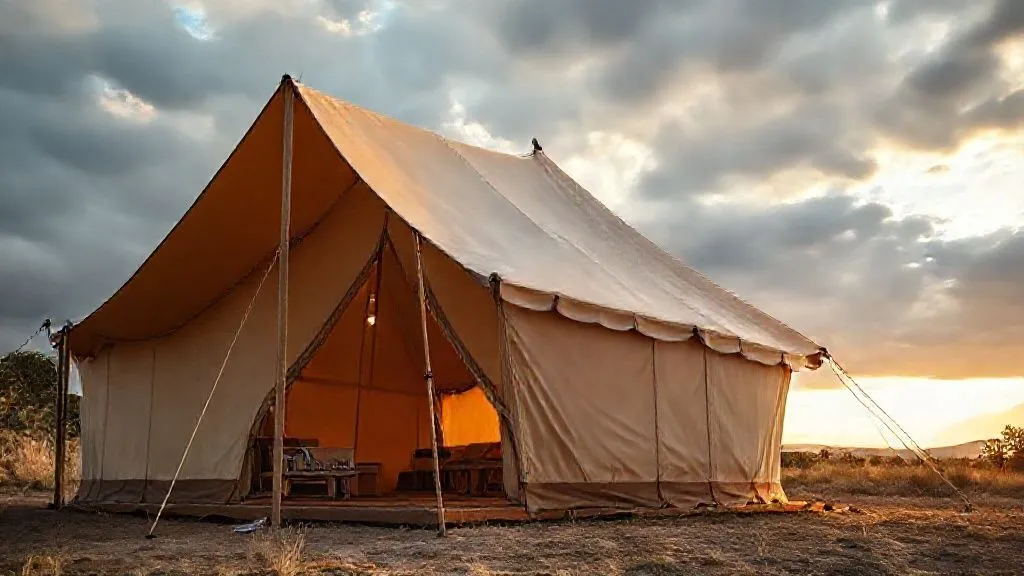
How to Prevent Luxury Glamping Tents from Degrading Quickly Outdoors?
For over 15 years in the luxury glamping industry, I've witnessed firsthand the incredible allure and significant investment that goes into creating those breathtaking outdoor retreats. I've also, regrettably, seen countless operators and private owners make a critical oversight: underestimating the relentless, often brutal, forces of nature. The dream of a pristine, enduring glamping experience can quickly turn into a costly nightmare if preventative measures aren't prioritized.
The problem is stark: luxury glamping tents, while designed for the elements, are not invincible. UV radiation, relentless moisture, abrasive winds, and even microscopic organisms are constantly working to break down expensive fabrics, compromise structural integrity, and diminish the very aesthetic appeal that defines 'luxury.' Without a strategic, proactive approach, that five-figure investment can degrade alarmingly fast, leading to premature replacement, costly repairs, and a significant blow to your brand's reputation or personal enjoyment.
But it doesn't have to be this way. In this definitive guide, I'll share my accumulated wisdom, providing you with actionable frameworks, real-world insights, and practical strategies to not just slow down, but significantly prevent luxury glamping tents from degrading quickly outdoors. We'll delve into everything from foundational site selection to advanced material science and essential maintenance protocols, ensuring your glamping haven stands strong, beautiful, and profitable for years to come.
Understanding the Enemy: Key Degradation Factors
Before we can fortify our defenses, we must intimately understand the adversaries. The outdoor environment is a complex system of forces, each capable of accelerating the degradation of your luxury glamping tent. Recognizing these factors is the first step in formulating an effective prevention strategy.
UV Radiation: The Silent Killer
Ultraviolet (UV) radiation from the sun is arguably the most pervasive and damaging element. It silently breaks down the molecular bonds in tent fabrics, particularly synthetic materials like PVC and even natural canvas over time. This leads to fading, embrittlement, loss of tensile strength, and ultimately, tearing. I've seen vibrant, robust tents turn brittle and faded within a couple of seasons in high-sun environments if not properly protected.
Moisture, Mold, and Mildew: The Damp Threat
Water in all its forms – rain, dew, humidity, and condensation – poses a significant threat. Persistent dampness creates the perfect breeding ground for mold, mildew, and other fungi. These organisms not only stain fabrics and produce unpleasant odors but also actively consume organic materials, weakening canvas and coatings. Beyond biological threats, water ingress can lead to rot in wooden components and corrosion in metal frames, compromising structural integrity.
Wind, Abrasion, and Structural Stress
Wind is a relentless force, causing constant flapping, rubbing, and stretching of tent fabrics and components. This abrasion can wear through materials, especially at stress points like seams, corners, and where fabric meets the frame. Strong gusts can place immense stress on guy ropes, poles, and anchor points, leading to structural failures if not properly engineered and maintained. A poorly tensioned tent is a tent destined for premature wear.
Pests and Wildlife: Unwanted Guests
From rodents gnawing through fabrics to insects nesting in crevices, wildlife can cause significant damage. Bird droppings are acidic and can stain or degrade certain materials if left uncleaned. While often overlooked, the presence of pests can compromise both the integrity and hygiene of a luxury glamping tent, impacting the guest experience and requiring costly remediation.
Strategic Site Selection and Preparation: Your First Line of Defense
In my years of consulting, I've often said that the battle against degradation is won or lost before the tent even goes up. The choice of location and how you prepare it are fundamental to how to prevent luxury glamping tents from degrading quickly outdoors.
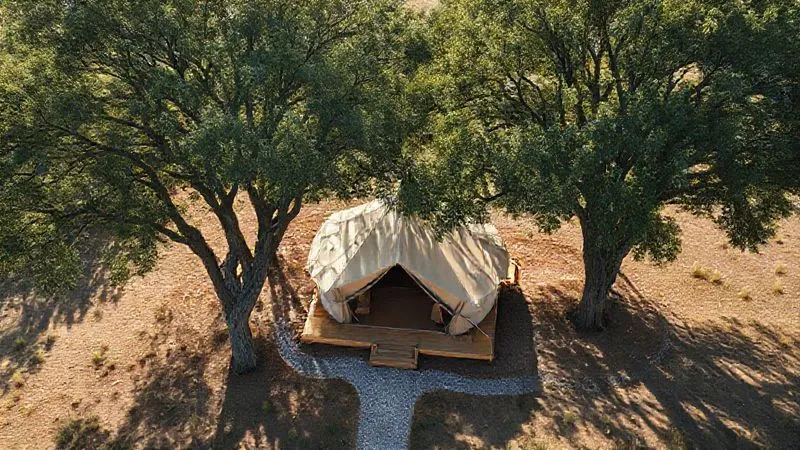
- Sun Exposure Analysis: Before pitching, observe the sun's path throughout the day and across seasons. Ideally, choose a spot that receives morning sun to dry dew and condensation, but offers some afternoon shade from mature trees (ensure they're stable and not shedding heavy limbs) or strategically placed shade structures. This significantly reduces UV exposure during peak intensity hours.
- Drainage and Elevation: Position your tent on slightly elevated ground to ensure proper water runoff. Avoid depressions where water can collect, leading to prolonged dampness under the tent floor and potential flooding. Consider installing French drains or grading the land if natural elevation isn't sufficient. A well-drained site is crucial for preventing mold and mildew.
- Windbreak Considerations: Identify prevailing wind directions. Natural windbreaks like hills, dense tree lines, or robust, purpose-built fences can dramatically reduce wind stress and abrasion on your tent. If natural buffers aren't available, consider planting fast-growing, hardy shrubs or constructing a decorative screen.
- Pest Deterrents and Ground Preparation: Clear the immediate area of dense vegetation, which can harbor rodents and insects. Use a durable ground tarp or an integrated tent floor that extends beyond the tent's footprint to create a barrier against ground moisture and crawling pests. Consider gravel or stone pathways around the tent to minimize mud splash-back during rain.
Choosing the Right Materials: Investing in Longevity
The foundation of a durable glamping tent lies in its materials. Not all luxury tents are created equal, and understanding the strengths and weaknesses of different fabrics and frame components is paramount for long-term resilience. Investing in high-quality, purpose-designed materials pays dividends in preventing degradation.
Fabric Innovations: Canvas, PVC, and Beyond
- Treated Canvas: Traditional and breathable, modern luxury canvas tents are typically made from heavy-duty, treated cotton or polycotton blends. These treatments enhance water repellency, UV resistance, and mold/mildew inhibition. While beautiful, canvas requires more diligent care than synthetics.
- Heavy-Duty PVC/Polyester: Often used for roof sections or entire tent structures, these synthetic fabrics offer superior waterproofing, UV resistance, and tear strength. They are easier to clean and less prone to biological growth. However, they can be less breathable than canvas, potentially leading to condensation if ventilation is poor.
- Specialized Coatings: Many luxury tent fabrics feature advanced coatings, such as acrylic or fluorocarbon finishes, that boost water resistance, stain repellency, and UV protection. Always inquire about these specifics when purchasing.
Frame Durability: Steel vs. Aluminum vs. Wood
- Galvanized Steel: Extremely strong and durable, often used for larger, semi-permanent structures. Galvanization prevents rust and corrosion, making it suitable for outdoor exposure.
- Anodized Aluminum: Lighter than steel, rust-resistant, and strong. Ideal for tents that may be seasonally dismantled or require less heavy-duty support. Anodizing enhances its natural corrosion resistance.
- Treated Wood: For specific architectural styles or internal frames, treated hardwoods (e.g., teak, cedar) offer natural resistance to rot and insects, and can be aesthetically pleasing. Regular sealing is essential.
| Component | Recommended Material | Key Benefit |
|---|---|---|
| Roof Fabric | Heavy-duty PVC or UV-treated Polyester | Superior waterproofing, UV resistance, easy to clean |
| Wall Fabric | Treated Polycotton Canvas | Breathability, aesthetic appeal, good insulation, mold-resistant treatment |
| Frame Structure | Galvanized Steel or Anodized Aluminum | High strength-to-weight ratio, corrosion resistance, longevity |
| Floor | Integrated Heavy-duty PVC Tarp | Waterproof barrier, pest deterrent, easy to clean |
| Guy Ropes/Straps | UV-stabilized Polyester or Nylon | High tensile strength, weather resistance, minimal stretch |
The Art of Regular Maintenance: A Proactive Approach
Even with the best materials and site selection, neglecting ongoing care is the fastest route to degradation. Regular, systematic maintenance is not a chore; it's an investment that significantly extends the lifespan of your luxury glamping tent. This is how you actively prevent luxury glamping tents from degrading quickly outdoors.
Cleaning Protocols: Gentle Yet Effective
Dirt, dust, sap, and bird droppings aren't just unsightly; they can harbor moisture and promote microbial growth. Establish a routine:
- Daily/Weekly Spot Cleaning: Address spills, dirt, and droppings immediately with a soft brush or damp cloth.
- Monthly Surface Cleaning: For synthetic tents, a gentle hose-down with plain water to remove accumulated dust and pollen. For canvas, use a soft brush to remove loose dirt.
- Bi-Annual Deep Cleaning: For a thorough clean, use a mild, non-detergent soap specifically designed for tent fabrics (e.g., Nikwax Tech Wash or a diluted white vinegar solution for mold spots). Avoid harsh chemicals, bleach, or pressure washers, which can strip protective coatings. Always rinse thoroughly and allow the tent to air dry completely before packing or re-applying treatments.
Seam Sealing and Waterproofing Reapplication
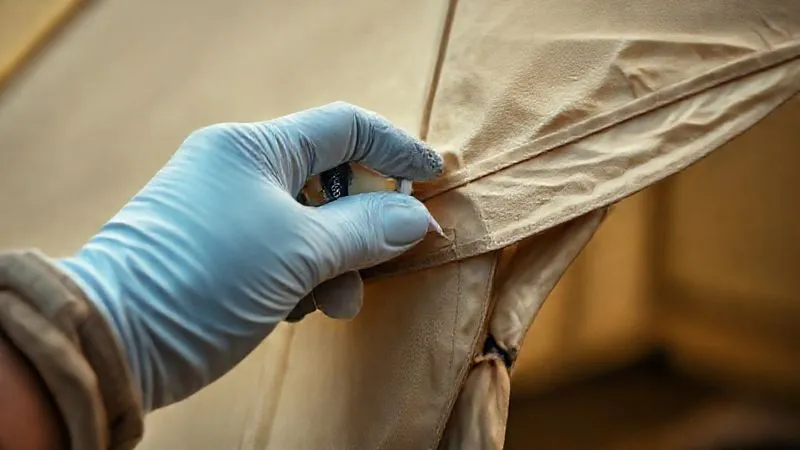
Over time, even the best factory-sealed seams can wear, and waterproof coatings can degrade. This is particularly true for tents exposed to heavy rain and UV. My advice: inspect seams annually for any signs of cracking or peeling. Reapply a high-quality seam sealer as needed. For the entire fabric, especially after a deep clean, consider reapplying a DWR (Durable Water Repellent) treatment. Brands like McNett's Tent Sure or Nikwax Tent & Gear SolarProof offer excellent options that also often include UV inhibitors.
Ventilation Strategies to Combat Condensation
Condensation buildup inside a tent, especially in cooler, humid conditions, can lead to dampness, mold, and mildew. Proper ventilation is key. Ensure all vents are open when possible. If your tent has windows, open them during the day to create airflow. Consider small, solar-powered exhaust fans for enclosed structures. Good airflow prevents stagnant, moist air from lingering and degrading internal fabrics and furnishings.
Case Study: How 'Serenity Glamp' Extended Tent Lifespan
Serenity Glamp, a boutique glamping resort in a humid coastal region, faced significant issues with mold and fabric degradation on their high-end canvas bell tents after just two seasons. Their initial strategy focused solely on reactive cleaning. After a consultation, we implemented a proactive maintenance regimen:
- Daily routine: Staff were trained to open all tent vents and windows for at least 4 hours each morning to air out condensation.
- Bi-weekly inspection: Supervisors conducted detailed checks for early signs of mold, loose guy ropes, or seam wear.
- Quarterly deep clean & DWR reapplication: All tents received a professional, gentle cleaning with mold-inhibiting tent wash, followed by a DWR and UV protectant treatment.
Within a year, Serenity Glamp reported a 70% reduction in mold issues and a noticeable improvement in fabric condition. They project an additional 3-4 years of lifespan for their tents, saving them tens of thousands in premature replacements. This demonstrated that a structured, proactive approach truly works to prevent luxury glamping tents from degrading quickly outdoors.
Seasonal Care and Winterization: Protecting Your Investment Year-Round
The changing seasons bring unique challenges and require specific preventative measures. Whether you operate year-round or seasonally, understanding how to prepare your luxury glamping tents for extreme conditions is vital.
When operating seasonally, proper off-season storage is just as critical as in-season maintenance. This is where many operators inadvertently cause significant damage, undoing all their hard work to prevent luxury glamping tents from degrading quickly outdoors.
- Thorough Deep Cleaning and Drying: Before any long-term storage or winterization, the tent must be impeccably clean and absolutely bone dry. Even a tiny patch of dampness can lead to catastrophic mold growth during storage. Allow several days in a dry, airy environment for complete drying.
- Dismantling vs. Securing: If your climate experiences heavy snow loads, extreme winds, or prolonged freezing temperatures, it's often best to dismantle the tent entirely. This removes it from the harsh elements. If dismantling isn't feasible, ensure all guy ropes are taut, anchor points are secure, and remove any non-essential components that could be damaged by wind or snow. Consider adding extra internal supports for snow load.
- Optimal Storage Solutions: Store dismantled tents in a cool, dry, well-ventilated space, away from direct sunlight and pests. Use breathable storage bags – never airtight plastic, which can trap residual moisture. Elevate the tent materials off concrete floors to prevent moisture wicking. According to outdoor gear specialist, Sarah Jenkins, "The biggest mistake I see with high-value outdoor textiles is improper storage. A clean, dry tent can last decades; a damp, poorly stored one will be ruined in months."
Advanced Protection Techniques and Innovations
Beyond routine maintenance, the glamping industry is continuously evolving with new technologies and strategies to enhance tent longevity. Incorporating these advanced techniques can provide an extra layer of defense.
UV-Resistant Coatings and Treatments
For tents in high-UV environments, consider professional-grade UV protection sprays or treatments. Some manufacturers offer fabrics with integrated UV inhibitors. While initial cost may be higher, the extended fabric life often justifies the expense. These treatments work by absorbing or reflecting harmful UV rays, preventing them from degrading the fabric polymers. Research from the Outdoor Industry Association consistently highlights UV protection as a top factor in gear longevity.
Pest and Rodent Control Systems
Beyond clearing vegetation, consider perimeter pest control solutions. This could range from natural deterrents like peppermint oil around the base to professional, eco-friendly pest management services. For rodents, ensuring no food sources are left in or near tents and sealing any potential entry points (even small ones) is critical. Some luxury tents now incorporate rodent-proof mesh at key openings.
Smart Monitoring for Environmental Conditions
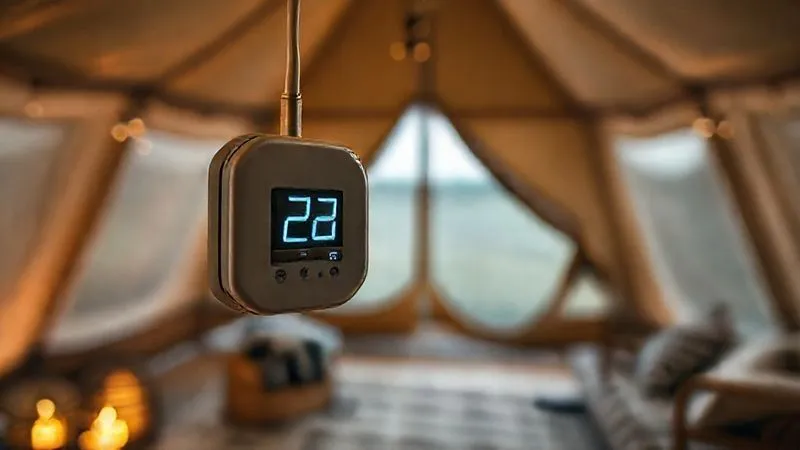
Technology can play a role in proactive maintenance. Install small, discreet humidity and temperature sensors inside tents. These can alert you to conditions conducive to mold growth, allowing you to increase ventilation or take other preventative actions before problems escalate. Some advanced systems can even monitor tension on guy ropes, alerting you to potential wind stress.
In my experience, the true mark of a successful glamping operation isn't just the initial 'wow' factor, but the enduring quality of its offerings. Investing in advanced protection and smart monitoring isn't an added cost; it's a strategic move to safeguard your brand and ensure your luxury glamping tents remain pristine for future guests.
Training Your Team: The Human Element of Preservation
Even the most robust tents and sophisticated systems are only as good as the people maintaining them. Your staff are your front-line defense against degradation. Comprehensive training and clear protocols are essential to ensure consistent, high-quality care, directly impacting how to prevent luxury glamping tents from degrading quickly outdoors.
I've observed that a well-trained team can extend tent lifespan by years, simply by consistently applying correct procedures and identifying issues early. Conversely, an untrained team can inadvertently accelerate degradation through neglect or incorrect cleaning methods.
- Standardized Operating Procedures (SOPs): Develop clear, step-by-step guides for daily, weekly, and seasonal tent maintenance. This should cover everything from spot cleaning and ventilation checks to deep cleaning and winterization.
- Product Knowledge: Train staff on which cleaning agents and protective treatments to use, and crucially, which to avoid. Emphasize the importance of using tent-specific, non-abrasive products.
- Early Detection Training: Empower your team to recognize early signs of degradation – a loose seam, a small patch of mold, a fraying guy rope, or a suspicious pest droppings. Encourage immediate reporting and provide a clear chain of command for addressing issues.
- Hands-On Workshops: Regular practical training sessions on tent pitching, tensioning, cleaning techniques, and minor repairs build confidence and competence.
- Sustainability Practices: Integrate sustainable cleaning and maintenance practices into your training, aligning with the eco-conscious ethos of glamping. External resources like EPA's Greener Products guide can be valuable.
| Task Category | Key Actions | Responsible Role |
|---|---|---|
| Daily Checks | Ventilation, spot clean, secure entrances | Housekeeping/Guest Services |
| Weekly Inspection | Check guy ropes, minor cleaning, pest signs | Maintenance Staff |
| Monthly Review | Fabric tension, frame stability, drainage status | Maintenance Supervisor |
| Seasonal Overhaul | Deep clean, DWR reapply, full inspection/dismantle | Dedicated Maintenance Team/Contractor |
| Training & Updates | Regular workshops, SOP review | Operations Manager |
Frequently Asked Questions (FAQ)
How often should I re-waterproof my luxury glamping tent? The frequency depends heavily on your climate and the tent's exposure. In my experience, for tents exposed to significant rain and UV, a quality DWR (Durable Water Repellent) treatment should be reapplied annually after a thorough cleaning. For tents in milder climates or with less direct exposure, every 18-24 months might suffice. Always test a small, inconspicuous area first, and ensure the tent fabric is completely clean and dry before application for optimal results.
What's the best way to clean mold from canvas without damaging it? For mold on canvas, the key is gentle but persistent action. First, gently brush off any dry, loose mold with a soft-bristled brush. Then, create a solution of one part white vinegar to three parts water, or use a specialized canvas tent mold remover (avoid bleach at all costs, as it degrades canvas). Apply the solution to the affected area, let it sit for 10-15 minutes, then gently scrub with a soft brush. Rinse thoroughly with clean water and ensure the tent dries completely in the sun. For stubborn mold, repeat the process.
Can I leave my luxury glamping tent up all year round, even in harsh winters? While many luxury glamping tents are designed for four-season use, 'leaving it up' indefinitely, especially in harsh winters with heavy snow loads or extreme winds, comes with significant risks. I generally advise against it without specific, manufacturer-approved winterization kits and continuous monitoring. Snow accumulation can collapse frames, and prolonged freezing/thawing cycles damage fabrics. If year-round use is essential, invest in a tent specifically engineered for extreme conditions, implement rigorous winter maintenance protocols, and consider additional structural supports. For many, seasonal dismantling and proper storage offer better long-term preservation.
What are the earliest signs of irreversible degradation that I should look for? The earliest signs often include significant fabric fading (especially on the sun-exposed side), a noticeable loss of water repellency even after treatment, a 'tacky' or sticky feel to synthetic fabrics, or a distinct chemical odor indicating plasticizer migration. For canvas, persistent mildew that cannot be cleaned, or a 'rotting' smell, are red flags. Fraying at seams or critical stress points, and small pinholes appearing in the fabric, also indicate advanced degradation. Once these signs are widespread, replacement is often more cost-effective than attempting extensive repairs.
Are eco-friendly cleaning products effective enough for luxury tent maintenance? Absolutely. In fact, I strongly recommend eco-friendly, biodegradable cleaning products designed for outdoor gear. Harsh chemical detergents, bleach, and strong solvents can strip away protective coatings, damage fabric fibers, and leave residues that attract dirt or promote mildew. Brands like Nikwax, Granger's, and even simple solutions like diluted white vinegar or mild, scent-free soap (like castile soap) are highly effective when used correctly and are far safer for your tent, the environment, and your guests. Always check the tent manufacturer's recommendations first.
Key Takeaways and Final Thoughts
- Proactive is always better than Reactive: Small, consistent efforts prevent major, costly problems.
- Site Selection is Foundational: A well-chosen and prepared location dramatically reduces environmental stress.
- Materials Matter: Invest in quality fabrics and frames, and understand their specific care requirements.
- Regular Maintenance is Non-Negotiable: Establish and adhere to strict cleaning, sealing, and inspection schedules.
- Embrace Innovation: Utilize advanced coatings, pest control, and smart monitoring to enhance longevity.
- Empower Your Team: Well-trained staff are your greatest asset in preserving your glamping investment.
The allure of luxury glamping lies in its ability to blend comfort with nature. By diligently applying these strategies on how to prevent luxury glamping tents from degrading quickly outdoors, you're not just protecting an asset; you're safeguarding an experience, a dream, and a sustainable business model. Your commitment to proactive care will ensure your glamping haven continues to inspire and delight for many seasons to come, standing resilient and beautiful against the test of time and elements.
Recommended Reading
- Unlock City Landmarks: Maximize Your Work Trip Sightseeing in 5 Steps
- Manage Last-Minute Accessible Medical Transport: Critical Patient Guide
- Fund Your Eco-Lodge's 100% Renewable Transition: 7 Proven Strategies
- 7 Proven Ways to Power Pro Gear in Remote Polar Regions
- Boost Agritourism Revenue: 7 Ways to Grow Without Farm Disruption

Your email address will not be published. Required fields are marked *