

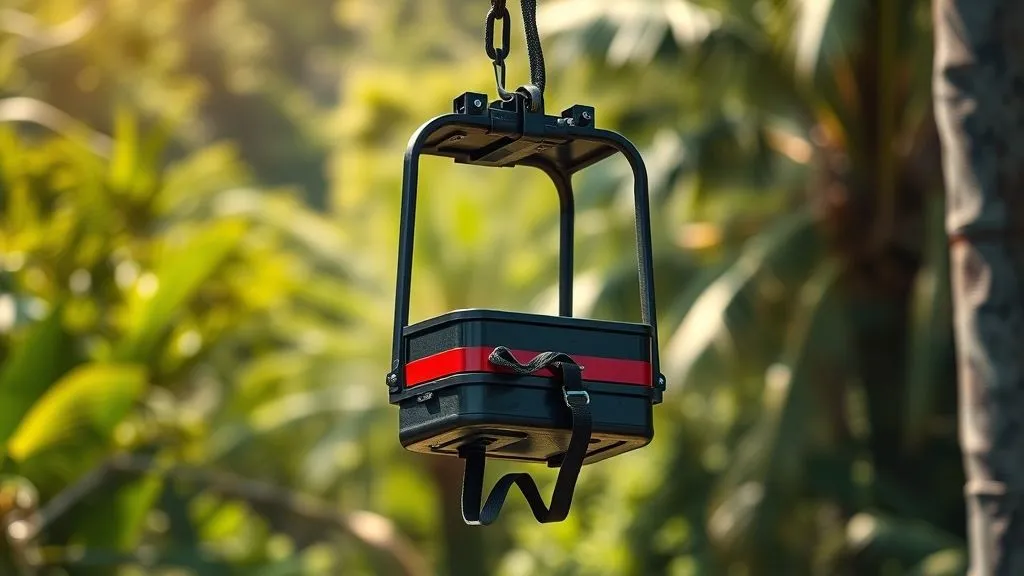
How to Verify Zip Line Safety for Luxury Adventure Clients?
For over 15 years in the adventure travel sector, I've had the privilege of curating extraordinary experiences for the most discerning clients. What I've consistently observed is that for luxury adventure travelers, the thrill is only truly enjoyed when underwritten by an absolute, unwavering assurance of safety. They seek not just adrenaline, but an impeccably executed experience where every detail, especially safety, is handled with the utmost professionalism.
The challenge, however, lies in distinguishing genuine, top-tier safety protocols from mere marketing claims. A single safety lapse, no matter how minor, can be catastrophic not only for the client but also for the reputation of the luxury travel provider. Your clients trust you implicitly to vet these experiences, and a superficial check simply won't suffice. The stakes are incredibly high, and the margin for error is non-existent.
This article will provide you with a comprehensive, expert-backed framework – a seven-step methodology – to meticulously assess and verify zip line safety. My aim is to equip you with actionable insights, detailed checklists, and the critical questions to ask, ensuring you can confidently recommend and deliver unparalleled, worry-free adventure to your luxury clientele.
Understanding the Luxury Adventure Client's Mindset
Before we dive into the technicalities of safety verification, it's crucial to understand the psychology of the luxury adventure client. They are not merely thrill-seekers; they are connoisseurs of experiences. They invest significantly in travel to escape the ordinary, to connect with nature, and to challenge themselves, but always within a meticulously managed environment.
Their expectation of safety is often unspoken because it's assumed to be a given. They expect the best equipment, highly trained and personable staff, and pristine operational standards. Any perceived compromise in these areas can diminish the entire experience, regardless of the adventure's excitement. Their decision-making is often influenced by perceived exclusivity, seamless execution, and, most importantly, impeccable risk mitigation.
In my experience, luxury clients pay for peace of mind and flawless execution, not just adrenaline. The thrill is enhanced, not overshadowed, by absolute confidence in their safety.
The Foundation: Accreditation and Industry Standards
The first and most fundamental step in verifying zip line safety is to scrutinize an operator's adherence to recognized industry accreditations and safety standards. This isn't just a badge; it's a testament to a foundational commitment to safety in design, installation, operation, and staff training. It's the first line of defense in your vetting process.
Key Accreditation Bodies to Look For:
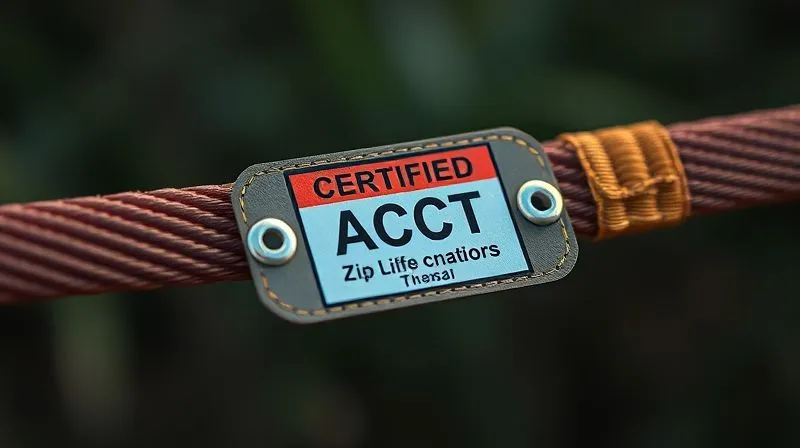
- ACCT (Association for Challenge Course Technology): Widely considered the global gold standard for ziplines and challenge courses. ACCT sets rigorous standards for design, installation, inspection, maintenance, and operational procedures. Any operator serious about safety for luxury clientele should ideally be ACCT-certified or, at minimum, built and operated to ACCT Professional Standards. Learn more about ACCT standards here.
- PRCA (Professional Ropes Course Association): Another reputable body that establishes standards for ropes course and zip line operations, often with a strong focus on training and practitioner certification.
- Local/National Governing Bodies: Beyond international standards, ensure the operator complies with all relevant local, regional, and national regulations. This could include specific tourism ministry guidelines, labor laws, and occupational health and safety regulations (e.g., OSHA in the US, similar bodies internationally).
These accreditations signify that the operator has undergone external review and met specific benchmarks. They provide a framework for consistent safety practices, from the engineering of the course to the daily operational checks. Always ask for proof of current certification and inquire about their last audit dates.
Scrutinizing Equipment: Beyond the Visual Inspection
For luxury clients, the expectation is not just functional equipment, but top-tier, meticulously maintained gear. This goes far beyond a quick visual check. I've often seen operators with seemingly 'new' equipment that, upon deeper inspection, revealed compromised integrity due to improper maintenance or storage. It's about understanding the life cycle and care of every component.
What to Ask About Equipment:
- Manufacturer Certifications: All critical components (harnesses, helmets, carabiners, trolleys) should be certified by recognized international bodies like UIAA (Union Internationale des Associations d'Alpinisme) or CE (Conformité Européenne). These ensure they meet specific safety and quality standards.
- Age and Service Life: Every piece of equipment has a limited service life, often specified by the manufacturer. Ask for documentation proving the purchase date of all critical components and their projected retirement dates. Cables, trolleys, and harnesses are particularly critical.
- Maintenance Logs and Inspection Schedules: Demand to see detailed records. This includes daily pre-use checks, weekly, monthly, and annual professional inspections. Are lubrication schedules adhered to for trolleys and cables? How are worn parts identified and replaced?
- Redundancy in Systems: A hallmark of top-tier zip line safety is redundancy. Are there dual cables? Are braking systems designed with backups? Are harnesses and lanyards engineered with secondary attachment points?
- Storage and Handling: Observe how equipment is stored. Is it protected from the elements (UV, moisture)? Is it organized to prevent damage or entanglement? Proper storage significantly extends equipment life and maintains integrity.
This level of detail might seem excessive, but it’s precisely what differentiates a truly safe, high-end operation from one that merely gets by. The devil, as they say, is in the details of the maintenance logs.
| Component | Inspection Frequency | Key Checkpoints |
|---|---|---|
| Main Cable | Daily, Weekly, Annually | Fraying, Corrosion, Tension, Anchor Points |
| Trolley/Pulley | Daily, Pre-use | Bearing function, Wheel wear, Housing integrity, Lubrication |
| Harness/Lanyard | Pre-use, Monthly | Stitching, Webbing integrity, Buckle function, UV damage |
| Braking System | Daily, Pre-use | Fluid levels (if hydraulic), Pad wear, Cable tension (if passive), Functionality |
| Platforms/Anchors | Daily, Annually | Structural integrity, Corrosion, Wear, Foundation stability |
Staff Expertise and Training: The Human Element of Safety
Even with the most advanced equipment and robust accreditations, a zip line operation is only as safe as its staff. In my experience, this is where many operators fall short, especially those catering to a broader market. For luxury clients, the staff must not only be technically proficient but also possess exceptional interpersonal skills, instilling confidence and enhancing the overall experience.
Critical Staff Qualifications:
- Certification: Insist on seeing current certifications for all guides. This typically includes ACCT Level 1 or 2 Practitioner certifications, which cover operational procedures, rescue techniques, and risk management.
- Experience: How long have the guides been working in the adventure industry, and specifically with zip lines? Experience breeds intuition and calm under pressure. Ask about their specific experience handling diverse client groups, including those who might be nervous or require extra attention.
- Emergency Protocols Training: All staff must be current in First Aid and CPR. For adventure travel, I strongly recommend certifications like Wilderness First Responder (WFR) or Wilderness Advanced First Aid (WAFA), especially for remote locations. These certifications go beyond basic first aid, equipping staff to manage medical emergencies in environments where professional medical help may be hours away. Explore NOLS Wilderness Medicine courses.
- Rescue Training: Beyond basic operations, guides must be proficient in various rescue techniques, including self-rescue, assisted rescue, and advanced high-angle rescue. How often do they conduct practice drills?
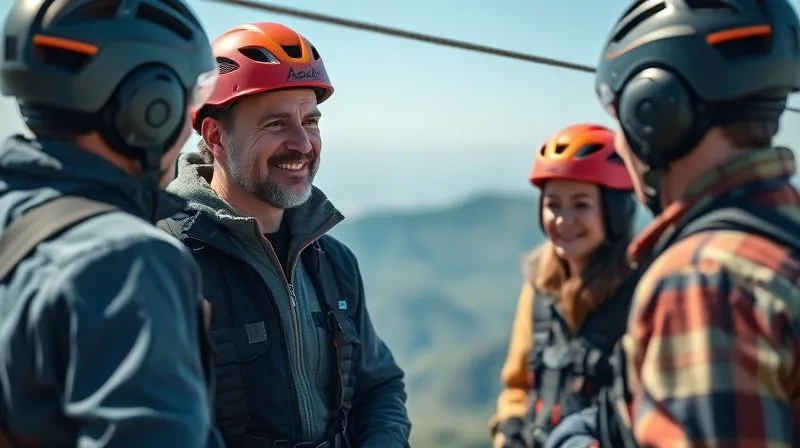
- Client Communication: Can guides clearly and confidently explain safety procedures? Do they use reassuring language? Do they effectively manage group dynamics and individual anxieties? This is paramount for the luxury experience.
I've witnessed firsthand how a confident, empathetic, and exceptionally well-trained guide can transform a potentially intimidating experience into an exhilarating, memorable one. They are the frontline ambassadors of safety and professionalism.
Operational Protocols and Emergency Preparedness
Beyond the tangible aspects of equipment and staff, the systems and protocols governing daily operations are critical. This is the invisible structure that ensures consistency and resilience. For luxury clients, these systems must be seamless, robust, and rigorously adhered to.
Key Operational Aspects to Review:
- Briefing Procedures: Is the safety briefing clear, concise, and comprehensive? Is it delivered in a manner that ensures understanding, perhaps with multilingual options? Does it cover all necessary safety rules, hand signals, and what to do in various scenarios?
- Weight/Height Restrictions: These are non-negotiable safety parameters. How are they enforced? Is there a discrete, professional way to manage clients who might exceed these limits, ensuring their dignity while upholding safety?
- Weather Protocols: What are the specific, documented procedures for adverse weather conditions (rain, wind, lightning, fog)? At what point do operations cease? How are clients informed and safely evacuated or rescheduled?
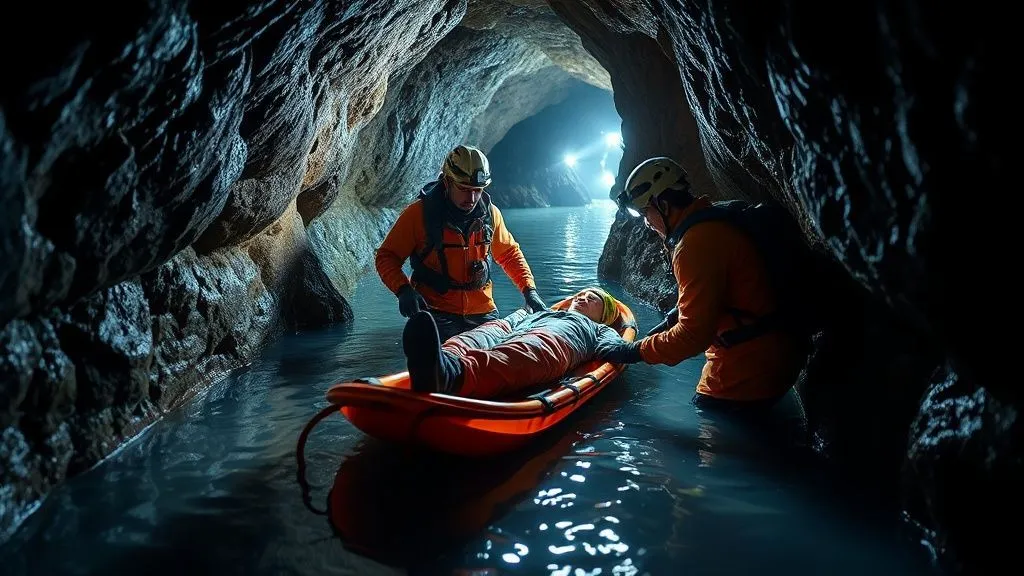
- Rescue Plans: Demand to see their detailed rescue plans. How quickly can they access and rescue a stranded client on any part of the course? What equipment do they use? How often are rescue drills practiced, and are records kept?
- Communication Systems: What communication tools are used between guides, base camp, and emergency services? Are there redundant systems (e.g., radios, satellite phones, cell phones)?
- Incident Reporting: Understand their process for reporting and learning from all incidents, no matter how minor. A mature safety culture learns from near misses.
A well-practiced emergency plan is often invisible until it's critically needed, but its presence provides an invaluable layer of assurance. For luxury clients, this preparedness is part of the premium experience.
The On-Site Audit: What to Look For During a Visit
No amount of paperwork or certifications can fully replace a direct, on-site inspection. This is your opportunity to see the safety culture in action, to feel the operational rhythm, and to verify claims with your own eyes and expertise. I always advocate for an unannounced visit, if possible, to get the most authentic picture.
Your On-Site Verification Checklist:
- Observe Staff Interactions: Are guides professional, attentive, and confident? Do they engage positively with clients? Do they consistently follow safety protocols without being prompted?
- Inspect Equipment Storage: Is the equipment clean, organized, and protected from environmental degradation? Are harnesses neatly hung, cables coiled, and helmets sanitized?
- Review Documentation On-Site: Ask to see current daily inspection logs, maintenance records, and staff training certifications. Look for consistency and thoroughness.
- Assess the Physical Course: Pay close attention to the structural integrity of platforms, anchors, and the zip line cables themselves. Look for signs of corrosion, fraying, loose bolts, or worn components. If it's a tree-based course, assess tree health and protection measures.
- Talk to Other Guests (Discreetly): If appropriate, engage with clients who have just completed the experience. Gauge their perception of safety, staff professionalism, and overall satisfaction.
- Participate Yourself: If you are comfortable and it aligns with your professional role, experience the zip line. Pay meticulous attention to the briefing, the fit of the gear, the launch procedures, the ride itself, and the braking system. This firsthand experience is invaluable.
Case Study: Verifying "Sky High Adventures"
I once consulted for a luxury travel agency vetting a new zip line operator, "Sky High Adventures," in Costa Rica. On paper, they looked exemplary – ACCT certified, seemingly new equipment, and glowing testimonials. However, during my unannounced on-site audit, I noticed subtle but critical inconsistencies. Guides seemed hurried during pre-flight briefings, occasionally skipping minor but important details. More concerning, I observed that a specific braking system, which was critical for their longest lines, looked slightly worn despite maintenance logs indicating recent servicing. A deeper dive, facilitated by asking specific questions about their maintenance schedule and preferred lubricants, revealed they were cutting corners on daily lubrication for that particular system, leading to premature wear on the brake pads and cables. My detailed report led to immediate corrective actions by Sky High Adventures, including retraining and revised maintenance protocols, and the travel agency implemented a more robust, multi-layered verification process for all their adventure partners. This intervention saved them potential reputational damage and, more importantly, ensured the safety of future luxury clients before any bookings were even made.
Legal and Insurance Due Diligence
Beyond the operational aspects, the legal and insurance framework is your final, critical layer of protection for both your clients and your business. For luxury clients, their expectations for professional handling of all legal and financial aspects are exceptionally high.
Key Questions for Legal & Insurance Teams:
- Operator Liability Insurance: Is the operator's liability insurance comprehensive? What are the coverage limits? Does it specifically cover zip line operations and include third-party liability? Request a Certificate of Insurance (COI) directly from their insurer.
- Waiver Forms: Are the waiver forms legally sound, comprehensive, and clearly explained to participants? Are they available in multiple languages if catering to an international clientele? Ensure they comply with local laws and accurately reflect the inherent risks, while also protecting the operator from negligence claims.
- Local Regulations: Has the operator obtained all necessary permits and licenses from local authorities? Does their operation fully comply with all regional and national laws pertaining to adventure tourism and commercial recreation?
- Emergency Medical Evacuation: What provisions are in place for emergency medical evacuation in case of a serious incident? Does their insurance cover this, or is it a separate policy? For luxury clients, consider advising them on robust personal travel insurance that includes emergency medical evacuation and repatriation.
Neglecting this due diligence is a significant oversight. A robust legal and insurance framework provides a safety net that is just as vital as the physical equipment.
Continuous Monitoring and Feedback Loops
Safety is not a one-time check; it's an ongoing commitment and a dynamic process. Even after your initial comprehensive verification, it's imperative to establish mechanisms for continuous monitoring and feedback. Luxury travel is about sustained excellence, and that extends to ongoing safety assurance.
Strategies for Ongoing Assurance:
- Regular Re-evaluation: I strongly recommend annual or bi-annual comprehensive audits of your zip line partners, especially for luxury clients. If there are significant changes in management, equipment, or local regulations, an immediate re-audit is prudent.
- Client Feedback: Implement robust post-experience surveys that specifically address client perceptions of safety, guide professionalism, and equipment quality. Pay close attention to any recurring concerns, no matter how minor.
- Incident Reporting: Maintain an open line of communication with the operator regarding any incidents or near misses. Understand their internal process for investigating, resolving, and learning from these events. A transparent operator is a trustworthy operator.
- Industry Updates: Stay current on new safety technologies, best practices, and regulatory changes within the adventure travel and zip line industry. Subscribe to newsletters from ACCT, PRCA, and other relevant bodies.

Frequently Asked Questions (FAQ)
Q1: How often should a zip line operation be re-audited for safety? I recommend an annual comprehensive audit, especially for luxury clients, to ensure sustained adherence to the highest standards. However, if there are significant changes in management, equipment, local regulations, or any reported incidents, an immediate re-audit is absolutely prudent and necessary.
Q2: Can I rely solely on ACCT certification for luxury clients? While ACCT certification is a crucial baseline and a strong indicator of safety, for luxury clients, I advise going beyond it. It signifies adherence to high industry standards, but your personal on-site verification, deeper dives into operational specifics, staff training nuances, and emergency preparedness provide the extra layer of bespoke assurance these discerning clients expect and deserve.
Q3: What's the single biggest red flag to look for during an inspection? In my experience, the biggest red flag is a lack of transparency or any reluctance to share detailed documentation such as maintenance logs, staff training records, or comprehensive insurance certificates. An operator truly confident in their safety protocols will openly and readily provide all requested information.
Q4: How important are client testimonials regarding safety? Client testimonials are valuable for gauging overall experience and satisfaction, but they should be viewed as supplementary to your expert verification process. While positive feedback on safety is reassuring, clients typically don't possess the technical expertise to assess the intricate, underlying safety mechanisms. Always prioritize professional, expert-led verification.
Q5: Should I require operators to have specific medical personnel on site? For luxury adventure clients, particularly those engaging in activities in remote areas, I strongly recommend that operators have staff with advanced first aid certifications (like Wilderness First Responder) on site. For larger operations, or those with higher perceived risk, a dedicated EMT or nurse on standby can be a significant differentiator and a superior safety enhancement, aligning with luxury service expectations.
Key Takeaways and Final Thoughts
- Prioritize operators with recognized industry accreditations like ACCT.
- Scrutinize equipment maintenance logs, service life, and manufacturer certifications.
- Verify staff certifications (ACCT practitioner, WFR), experience, and rescue training.
- Demand robust, clearly documented operational and emergency preparedness protocols.
- Conduct thorough, ideally unannounced, on-site audits to observe safety culture in action.
- Ensure comprehensive legal and liability insurance coverage is in place.
- Establish continuous monitoring through regular re-audits and client feedback loops.
Verifying zip line safety for luxury adventure clients is an intricate, multi-layered process that demands unwavering diligence and expertise. It requires a commitment to going beyond surface-level checks and delving into the granular details of operations, equipment, and human factors. By adopting this comprehensive, seven-step framework, you're not just ensuring the physical safety of your clients; you're building an unparalleled level of trust, solidifying your reputation, and delivering the truly worry-free, exhilarating experiences that your discerning clientele expect and richly deserve. Invest in this rigor, and you will undoubtedly distinguish yourself as a purveyor of exceptional, impeccably safe adventure.
Recommended Reading
- How to Minimize Visitor Ecological Impact in Sensitive Nature Reserves: 7 Key Steps
- The Ultimate Guide: How to Choose the Right Culinary Tour Operator for Your Dream Trip
- Beyond Burnout: 7 Luxury Spa Retreats for Executive Rejuvenation & Sharp Decisions
- 7 Proven Cruise Activities to Combat Executive Burnout Effectively
- The Truth About Carbon Offsetting for Eco Travel: Effective or Greenwashing?


Your email address will not be published. Required fields are marked *