

How to Guarantee Genuinely Accessible Hotel Rooms for Complex Client Needs?
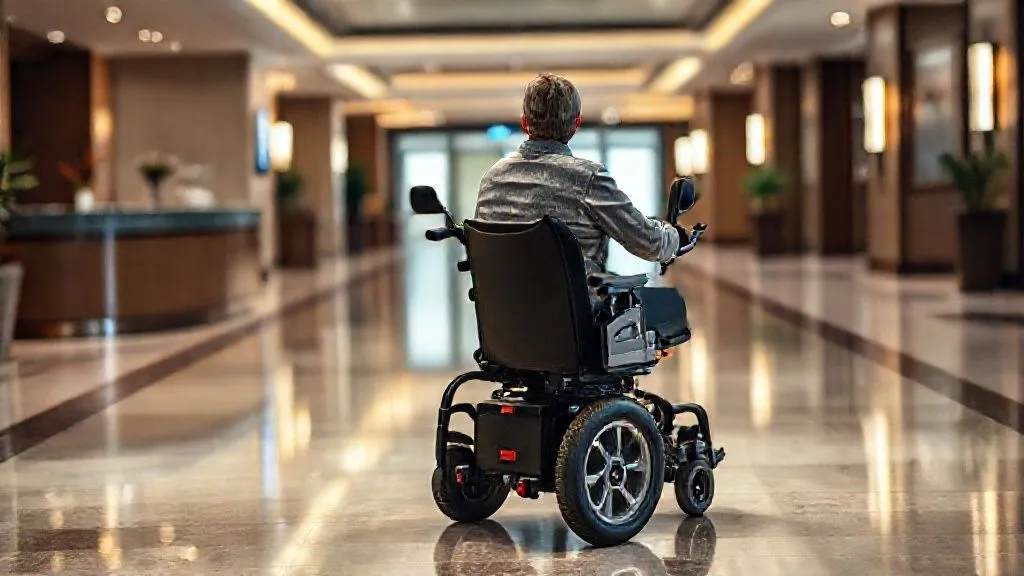
For over two decades in the accessible travel sector, I've witnessed firsthand the profound disappointment and sheer exhaustion that comes from arriving at a hotel room marketed as 'accessible' only to find it woefully inadequate for complex needs. It’s a recurring nightmare for many, where a promised accessible shower turns out to have a significant lip, or a designated accessible room is located at the furthest, most inconvenient end of a sprawling property.
The problem isn't just a lack of understanding; it's a systemic gap between generalized accessibility standards and the nuanced, highly individualized requirements of travelers with complex disabilities. This disconnect often leads to wasted time, lost money, and, most importantly, a devastating blow to the confidence and independence of the traveler.
This article isn't just another checklist. It's a definitive guide, born from years of experience and countless client interactions, offering a robust, multi-layered framework to move beyond superficial compliance. You'll learn actionable strategies, verification protocols, and expert insights that will empower you to guarantee truly accessible hotel rooms, ensuring peace of mind and genuine comfort for even the most complex client needs.
The Illusion of "ADA Compliant": Why You Can't Trust the Label Alone
In my experience, one of the biggest pitfalls in booking accessible travel is the blind reliance on labels like "ADA compliant." While the Americans with Disabilities Act (ADA) in the United States and similar legislation globally (like the UK's Equality Act or Canada's Accessible Canada Act) provide crucial baseline protections and standards, they are often insufficient for truly complex needs. These standards are typically minimum requirements, focusing on general access rather than nuanced functionality.
Think of it this way: an ADA-compliant bathroom might have grab bars and a wider door, but it doesn't guarantee a roll-in shower with a shower chair, ample turning space for a large power wheelchair, or specific height adjustments for a commode. The term "accessible" itself is incredibly broad and open to interpretation by hotel staff who may lack proper training or understanding of diverse disability requirements. This ambiguity is precisely where the frustration begins, as what one hotel considers "accessible" can be entirely unusable for another person.
Step 1: Deep Dive into Your Client's Specific Needs Profile
The first, and arguably most critical, step is to move beyond generic assumptions and thoroughly understand the intricate details of your client's accessibility requirements. "Complex needs" means understanding not just *if* they use a wheelchair, but *what kind* of wheelchair, its dimensions, and how they interact with their environment. This requires a comprehensive and empathetic intake process.
I've seen companies fail at this initial stage, leading to downstream booking errors. It's not enough to ask "do you need an accessible room?" You need to ask about every facet of their daily living that could be impacted by the built environment. This builds trust and ensures you're equipped with precise data.
Creating a Comprehensive Accessibility Profile Checklist
- Mobility & Equipment:
- Type of mobility aid (manual wheelchair, power wheelchair, scooter, walker, cane, crutches).
- Exact dimensions of mobility aid (width, length, height, turning radius).
- Weight of mobility aid (important for ramps, lifts).
- Transfer method (independent, assisted, specific transfer equipment like a Hoyer lift).
- Ability to stand/walk short distances.
- Bathroom & Personal Care:
- Roll-in shower required? (Specify if a lip is acceptable, what height).
- Shower chair/bench required? (Fixed, portable, dimensions).
- Grab bars (location, height, type).
- Toilet height and clearance (front, side).
- Sink height and knee clearance.
- Space for personal care assistant or equipment.
- Bedroom & Sleep:
- Bed height (critical for transfers).
- Clearance under bed (for Hoyer lift).
- Space around bed for mobility aid maneuvering.
- Adjustable bed features.
- Specific mattress needs (e.g., pressure relief).
- Sensory Needs:
- Visual impairments (braille, tactile signage, high-contrast visuals, guide dog relief areas).
- Auditory impairments (visual fire alarms, TTY/text phones, vibrating alarms).
- Light sensitivity (blackout curtains).
- Allergies/Environmental sensitivities (fragrance-free, hypoallergenic bedding).
- Medical Equipment:
- CPAP machine, oxygen concentrator, dialysis equipment (need for specific outlets, power, space).
- Medication refrigeration.
- Sharps disposal.
- Service Animals:
- Specific relief area needs.
- Any breed/size restrictions (should not apply to service animals, but good to confirm).
Having this detailed profile in hand is your bedrock. It transforms a vague request into a precise set of specifications you can use to interrogate hotel properties.
| Category | Specific Need | Details |
|---|---|---|
| Mobility Aid | Power Wheelchair | Width: 28in, Length: 45in, Turning Radius: 36in, Weight: 300lbs |
| Bathroom | Roll-in Shower | No lip, minimum 36x36in, fixed shower chair, grab bars on 3 walls |
| Bedroom | Bed Height | 18-20in from floor to top of mattress, clearance for Hoyer lift |
| Sensory | Light Sensitivity | Blackout curtains required |
| Medical | CPAP Machine | Power outlet near bed, small table |
Step 2: Mastering the Art of Direct Communication and Verification
Once you have a detailed client profile, the next step is direct, assertive communication with the hotel. Online booking forms, while convenient, rarely capture the granular detail required for complex needs. Relying solely on them is a recipe for disaster. My rule of thumb: if it's not explicitly confirmed with specific measurements, it's not confirmed.
Always call the hotel directly. Speak to someone in a position of authority – ideally, the Front Office Manager, Guest Services Manager, or even the General Manager. Avoid relying on reservation agents who might not have a deep understanding of physical room layouts. Be prepared to spend time on the phone, as this is where you gather critical intelligence.
Essential Questions to Ask Hotel Staff
- "Can you confirm the exact clear door width for the accessible room entrance and the bathroom door?" (Always ask for clear width, not just door size).
- "What are the dimensions of the accessible bathroom, particularly the turning radius for a wheelchair?"
- "Is the shower truly roll-in, meaning zero lip, or is there a small curb? If so, what is the height of the curb?"
- "Is a shower chair provided? Is it fixed or portable? What are its dimensions and weight capacity?"
- "What is the height from the floor to the top of the mattress on the accessible bed? Is there clearance underneath the bed for a mobile lift?"
- "Are there grab bars around the toilet and in the shower? Can you describe their exact placement and height?"
- "Are there visual and auditory fire alarms in the room? Is a TTY/text phone available upon request?"
- "Can you describe the path from the accessible parking/drop-off to the accessible room, including any ramps or elevators?"
- "Is there an accessible route to all public areas, including the restaurant, pool, and business center?"
- "Do you have a refrigerator in the room that can store medication?"
"Never assume; always verify with specific, measurable questions. The devil is truly in the details when it comes to guaranteeing genuine accessibility."
Document every conversation: the name of the staff member, the date and time, and every detail confirmed. Send a follow-up email summarizing the conversation, asking them to confirm receipt and agreement. This creates a paper trail.
Step 3: Leveraging Technology and Visual Proof
In today's digital age, relying solely on verbal descriptions is no longer sufficient. Visual proof is paramount. After your detailed phone conversation, request specific photos or even a short video of the exact accessible room you intend to book. This is where technology becomes your most powerful ally.
I've often found that once hotels understand the level of detail required, they are more willing to provide this. If they can't, it's a red flag. Ask for photos of the bathroom (specifically the shower entrance, grab bars, and toilet clearance), the bed height, and the clear path around the bed. A video walkthrough can be even more illuminating, showing turning radii and actual space.
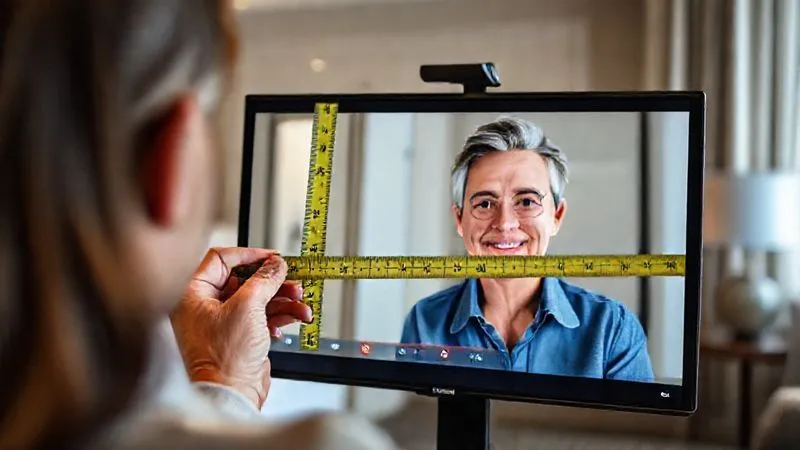
Furthermore, explore if the hotel offers virtual tours or detailed floor plans online. Some forward-thinking properties are now using 3D mapping technology or providing detailed accessibility information on their websites, including actual measurements. Websites like AccessibleGO or Wheelchair Accessible Travel Blog often feature user-submitted photos and reviews that can provide invaluable, unbiased insights.
Step 4: The Power of the Accessible Travel Specialist (ATS) and Advocacy Groups
For truly complex needs, or if you're feeling overwhelmed by the verification process, engaging an Accessible Travel Specialist (ATS) can be a game-changer. These professionals often have established relationships with hotels that genuinely prioritize accessibility, and they possess an intricate understanding of various disability requirements. They speak the language of accessibility, both with the traveler and with the hotel.
An ATS doesn't just book a room; they act as an advocate, leveraging their network and expertise to perform the detailed verification steps we've discussed. They know the right questions to ask, the common pitfalls to avoid, and can often anticipate issues before they arise. Think of them as your personal accessibility detective.
Additionally, disability advocacy groups and forums can be invaluable resources. Organizations like the United Spinal Association or local independent living centers often have members who travel frequently and can offer real-world reviews of hotel accessibility. These communities provide a level of honest, lived experience that no hotel website can replicate. Don't hesitate to tap into these networks for recommendations or warnings about specific properties.
Step 5: Pre-Arrival Confirmation and Contingency Planning
Even after meticulous planning and verification, the journey isn't over. A few days before arrival, make another call to the hotel to reconfirm all the specific accessible features you've arranged. Reiterate your client's most critical needs. This serves as a final check and ensures that the information hasn't been lost or misinterpreted by a shift change or new staff member.
It's also crucial to have a contingency plan. Despite all best efforts, mistakes can happen. What if the room isn't as promised upon arrival? Discuss this possibility with your client beforehand and outline steps:
Developing a Contingency Plan
- Document Immediately: As soon as an issue is identified, take photos or videos of the discrepancy. This is your evidence.
- Speak to Management: Calmly and clearly explain the issue to the front desk manager or general manager, referencing your prior conversations and confirmations.
- Propose Solutions: Ask what immediate solutions the hotel can offer (e.g., another accessible room, moving to a sister property, complimentary upgrades, compensation).
- Know Your Rights: Familiarize yourself with local disability rights legislation. In the US, the ADA mandates equal access. The official ADA website provides comprehensive resources.
- Have Backup Options: Research one or two other genuinely accessible hotels in the vicinity as a last resort, even if just for one night.
- Involve Your ATS: If you've used an Accessible Travel Specialist, they should be your first point of contact for intervention.
Step 6: Navigating International Accessibility Standards
When planning international travel, the complexity multiplies. Accessibility standards vary wildly from country to country, and often, what is considered "accessible" in one nation might be entirely inadequate in another. Unlike the relatively robust ADA in the US, many countries have less stringent or poorly enforced regulations.
My advice here is to assume nothing. Research the local laws and cultural attitudes towards disability. For example, in some European cities, older buildings may have limited structural capacity for extensive modifications. In parts of Asia, the concept of universal design is still emerging. Websites like Wheelchair Accessible Travel and local tourism boards often provide country-specific information.
You'll need to apply an even more rigorous version of Steps 1-5, often relying heavily on local accessible travel experts or disability organizations within the destination country. They can provide invaluable insights into truly accessible properties, transportation, and local cultural nuances that impact accessibility.
Step 7: Building a Trusted Network of Accessible Hotels
Over time, as you successfully book and verify genuinely accessible accommodations, you'll start to build your own personal "white list" of trusted properties and hotel chains. This network becomes an invaluable asset for future bookings, reducing the stress and time involved in the verification process.
Keep a detailed record of hotels that have consistently met complex needs. Note specific room numbers, staff members who were particularly helpful, and any unique features that made the stay seamless. Conversely, also keep a "blacklist" of properties that failed to deliver, along with the reasons why. Share these insights within accessible travel communities to help others.
| Hotel Name | Location | Room Type Confirmed | Key Features Met | Notes |
|---|---|---|---|---|
| Grand Hyatt Metropolis | Downtown City | King Accessible with Roll-in Shower (Rm 403) | Bed height 19in, 38in clear door width, shower chair provided | Front Desk Manager, Sarah, was excellent. Photos provided. |
| Boutique Inn Lakeside | Lakeside Village | Queen Accessible (Rm 101) | Good turning radius, grab bars | Shower had 2-inch lip, not truly roll-in. Avoid for complex needs. |
Case Study: Ensuring a Seamless Stay for a Client with Multiple Sclerosis
Client Profile: Maria's Complex Needs
Maria, a 58-year-old client with advanced Multiple Sclerosis, required a highly specific accessible hotel room for a family reunion. Her needs included:
- A power wheelchair with a 40-inch turning radius.
- A truly roll-in shower (zero lip) with a sturdy, wall-mounted shower chair and grab bars.
- Bed height of precisely 20 inches from the floor to the top of the mattress for independent transfer.
- Ample clear space (minimum 36 inches) on both sides of the bed for maneuvering and a personal care assistant.
- A mini-fridge for temperature-sensitive medication.
- Visual fire alarms due to hearing impairment.
The Verification Process in Action
I identified three potential hotels in the destination city. For each, I initiated a multi-step verification:
- Initial Call: Spoke with the Guest Services Manager, outlining Maria's exact requirements from her comprehensive profile.
- Specific Questions: Asked for precise measurements for door widths, bathroom dimensions, bed height, and shower lip. One hotel was immediately ruled out as their "roll-in shower" had a 1.5-inch lip.
- Photo Request: For the remaining two, I requested photos of the accessible room's bathroom and bedroom, specifically highlighting the shower entrance, bed, and clear floor space.
- Video Confirmation: One hotel went above and beyond, sending a short video walkthrough of the designated room, demonstrating the shower chair and the space around the bed.
- Final Reconfirmation: A week before arrival, I called the chosen hotel, spoke with the same Guest Services Manager, and re-confirmed every detail, ensuring the specific room number (Room 312) was blocked for Maria.
Outcome and Key Learnings
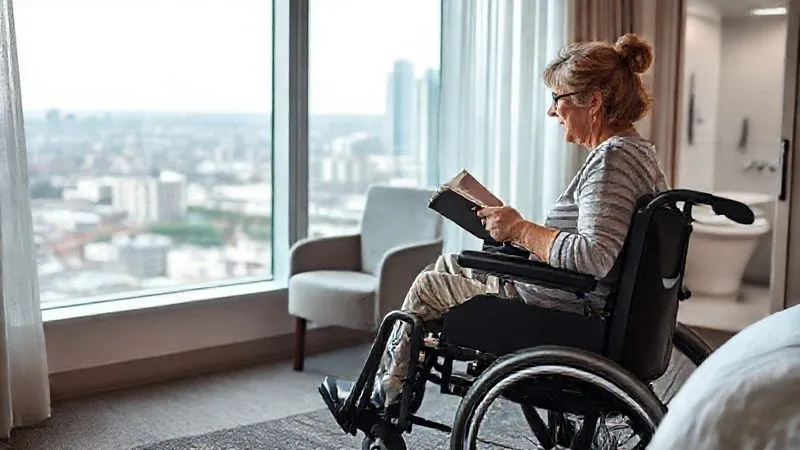
Maria arrived at the hotel to find a room that perfectly matched her needs. The roll-in shower was genuinely zero-entry, the bed was at the correct height, and there was ample space for her power wheelchair and assistant. Her medication was safely stored, and the visual fire alarm provided peace of mind. Her stay was comfortable, dignified, and stress-free.
"This proactive, detailed verification process transformed a potential disaster into a delightful experience, proving that genuine accessibility is not just possible, but achievable with the right approach."
This case study underscores the power of meticulous planning and unwavering advocacy. It's not about being difficult; it's about being diligent to ensure a fundamental right to accessible accommodation.
Frequently Asked Questions (FAQ)
Q: What if the hotel staff don't understand my specific needs or seem dismissive? A: If you encounter staff who are unhelpful or seem to lack understanding, politely ask to speak with a manager (Front Office Manager, Guest Services Manager, or General Manager). Frame your request not as a complaint, but as a need for precise information to ensure a comfortable stay. If all else fails, consider reaching out to an Accessible Travel Specialist or a local disability advocacy group for assistance. Document everything.
Q: Are there specific certifications or organizations I should look for that guarantee accessibility? A: While there isn't one universal certification that guarantees accessibility for all complex needs, some regions or organizations offer specific programs. For example, some hotel chains have their own internal accessibility audit programs. In Europe, the "Access-Able" scheme exists in some areas. Always treat any certification as a starting point, not an end-all, and still perform your detailed verification. User-generated review platforms focusing on accessibility (like Wheelchair Accessible Travel Blog) can also be very informative.
Q: What's the difference between "wheelchair accessible" and a "roll-in shower"? A: "Wheelchair accessible" is a broad term that generally means a room has wider doors, grab bars, and some space for a wheelchair. However, it does not automatically guarantee a roll-in shower. A "roll-in shower" specifically means there is no lip or curb at the shower entrance, allowing a wheelchair or shower chair to roll directly into the shower area. Many "accessible" rooms still have a small curb or step into the shower, making them unusable for many individuals. Always ask for clarification and confirmation of a "zero-entry" or "curbless" shower.
Q: How far in advance should I book an accessible room for complex needs? A: As far in advance as possible! Accessible rooms, especially those truly designed for complex needs, are often limited in number. Booking 6-12 months out for popular destinations or peak seasons is not uncommon. This also gives you ample time for the detailed verification process and to make alternative arrangements if a property cannot meet your specific requirements.
Q: What are my legal rights if an accessible room is not provided as promised upon arrival? A: In the United States, the ADA prohibits discrimination against individuals with disabilities in public accommodations, including hotels. If a hotel fails to provide an accessible room as confirmed and agreed upon, they may be in violation of the ADA. You have the right to request a suitable alternative, and if none is available, you may be entitled to compensation or a refund. Document everything, including the hotel's failure to provide the promised accommodation, and consider filing a complaint with the Department of Justice or consulting with an attorney specializing in disability rights. Similar protections exist in other countries, so research local laws before you travel.
Key Takeaways and Final Thoughts
Ensuring genuinely accessible hotel rooms for clients with complex needs is not a simple task; it's an art and a science, demanding diligence, empathy, and a systematic approach. Relying on vague labels or superficial descriptions is a gamble that rarely pays off, leading instead to frustration and diminished trust.
- Know Your Client's Needs Intimately: Create a detailed, granular profile of every accessibility requirement.
- Master Direct Verification: Engage hotel staff with specific, measurable questions and document every confirmation.
- Demand Visual Proof: Leverage photos and videos to eliminate ambiguity.
- Utilize Experts: Don't hesitate to engage Accessible Travel Specialists or advocacy groups.
- Plan for Contingencies: Always have a backup plan for unexpected challenges.
- Build Your Network: Curate a list of trusted properties and share your experiences.
As an industry specialist, I've seen the transformative power of a truly accessible travel experience. It's not just about a room; it's about dignity, independence, and the freedom to explore the world without unnecessary barriers. By adopting these strategies, you're not just booking a hotel; you're guaranteeing an experience, building trust, and empowering individuals to travel with confidence. The extra effort is not just worthwhile; it's essential for delivering truly exceptional service in accessible travel. Continue to advocate, educate, and empower, and together, we can make travel genuinely accessible for all. For further insights into accessible travel planning, explore resources from organizations like TravelAbility.
Recommended Reading
- VIP Ocean Cruises: 7 Steps to Bespoke Sourcing for Elite Clients
- Unlock Your Inner Power: The Ultimate Guide to Solo Travel for Confidence
- How to Prevent Igloo Melting: 5 Essential Tips for Warmer Spells
- Unlocking Authentic Cultural Festival Volunteer Roles: Your Ultimate Guide
- 7 Steps: Planning a Multi-Age National Park Trip Everyone Loves




Your email address will not be published. Required fields are marked *