

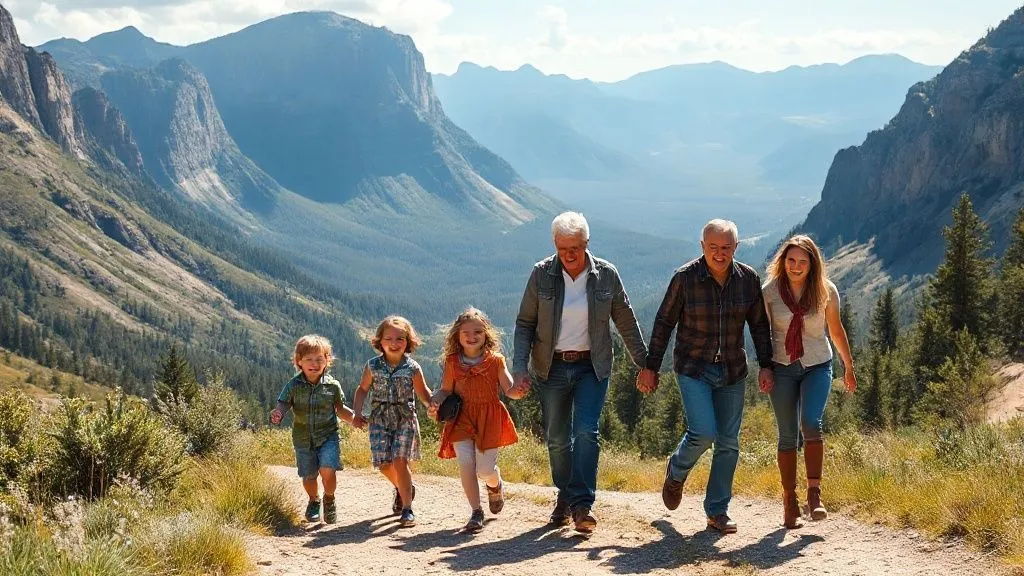
How to Plan a Multi-Age National Park Trip Satisfying Everyone?
For over 15 years navigating the intricate world of family travel, I've observed a common pitfall that often derails the most well-intentioned multi-generational adventures: the assumption that one size fits all. The dream of a harmonious national park trip, where grandparents, parents, and children all find joy and connection, often clashes with the reality of diverse interests, energy levels, and mobility needs.
It’s a unique challenge, isn't it? One person dreams of scaling peaks, another of leisurely scenic drives, and the youngest just wants to spot a squirrel. The pressure to please everyone can turn a potential vacation into a logistical nightmare, leaving everyone, including the planner, feeling exhausted and dissatisfied.
But I'm here to tell you it doesn't have to be that way. This guide is your blueprint, born from years of experience and countless family travel scenarios. I'll share my proven 7-step framework, complete with actionable strategies, real-world insights, and even a mini case study, to help you master how to plan a multi-age national park trip satisfying everyone and create truly unforgettable memories.
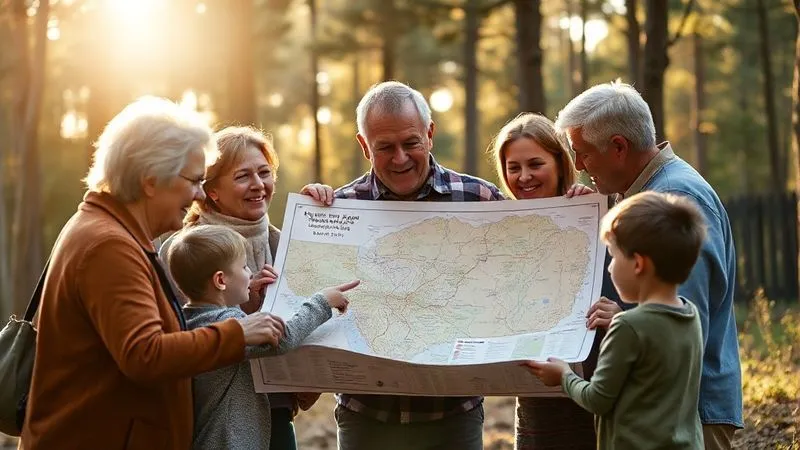
The Multi-Generational Travel Challenge: Bridging the Age Gap
The beauty of multi-generational travel lies in its potential for shared experiences and strengthening family bonds. However, its complexity stems from the vast differences in what each age group seeks from a vacation. Toddlers need frequent breaks and engaging, simple activities. School-aged children crave adventure and discovery. Teenagers often seek independence and unique photo opportunities. Adults might desire a mix of activity and relaxation, while seniors prioritize comfort, accessibility, and cultural enrichment.
In my experience, ignoring these inherent differences is the quickest route to disappointment. It's not about compromising everyone's desires, but rather about strategically weaving them together into a rich tapestry of experiences. The key is recognizing that 'satisfying everyone' doesn't mean doing everything together all the time; it means ensuring each person has moments tailored to their preferences, often within the larger group dynamic.
"A successful multi-generational trip isn't about eliminating differences, but celebrating them and designing experiences that cater to each unique traveler's spirit." - Industry Specialist Insight
Step 1: The Pre-Trip Huddle – Involving Every Voice
The foundation of a successful multi-age national park trip is built long before you pack your bags. It begins with an inclusive planning process. For years, I've advocated for what I call the 'Pre-Trip Huddle' – a dedicated time where everyone, from the youngest who can articulate a desire to the oldest, gets a voice. This isn't just about fairness; it's about fostering a sense of ownership and excitement for the journey ahead.
Activity Brainstorming for Diverse Interests
Start with a simple brainstorming session. Provide each family member with a notepad or a digital document and ask them to list 3-5 things they would absolutely love to do, see, or experience in a national park setting. Encourage them to think broadly: hiking, wildlife viewing, photography, stargazing, ranger programs, picnicking, relaxing by a lake, reading a book in a scenic spot, or even just enjoying a comfortable meal together. Collect these wish lists without judgment.
- Categorize Wishes: Group similar ideas (e.g., 'active', 'relaxing', 'educational', 'scenic').
- Identify Overlaps: Look for activities that naturally appeal to multiple age groups. A scenic drive, for instance, can be enjoyed by everyone, with stops for short walks for the more active.
- Prioritize Non-Negotiables: Ask each family member to identify their top one or two 'must-do' items. These become the anchors of your itinerary.
- List 'Nice-to-Haves': The remaining items form a flexible pool of options for spontaneous moments or alternative activities.
Setting Realistic Expectations for All Ages
Once you have a clearer picture of everyone's desires, it's crucial to have an open conversation about expectations. This is where you gently manage potential disappointments and highlight the realities of travel with a diverse group. Discuss the pace of the trip – it won't be a marathon of activities. Talk about the likelihood of needing breaks, adapting to weather, and sometimes doing separate activities.
For instance, I once worked with a family whose teenager was dead-set on a challenging backcountry hike, while the grandparents preferred paved, accessible trails. Through an open discussion, we agreed the teen could do a shorter, challenging hike with one parent, while the rest of the family enjoyed a nature walk and a picnic. Everyone got a version of what they wanted, without resentment. This transparency builds resilience and understanding, crucial elements for a harmonious trip.
Step 2: Destination Deep Dive – Parks for Every Pace
With a clear understanding of your family’s collective desires, the next step is to select a national park that can genuinely deliver. Not all national parks are created equal when it comes to multi-age appeal. Some are wilderness-focused, ideal for experienced hikers, while others offer a broader spectrum of activities and accessibility. This is where your expertise in researching the park's specific offerings becomes invaluable.
Evaluating Accessibility and Infrastructure
Before committing to a park, thoroughly investigate its accessibility features. The National Park Service (NPS) website is an invaluable resource, often providing detailed information on accessible trails, restrooms, lodging, and visitor centers. Look for parks with a mix of paved paths, boardwalks, and gentle dirt trails. Consider parks with shuttle systems (like Zion or Acadia) which can significantly reduce walking distances and provide easy access to viewpoints.
Think about more than just physical access. Are there shaded areas for rest? Are there family-friendly dining options, or is it primarily backcountry camping? A park with robust visitor services, including diverse ranger programs, multiple visitor centers, and a variety of lodging/dining, generally offers more flexibility for multi-age groups.
Choosing Activities Beyond the Hike
While hiking is synonymous with national parks, it's just one facet. For a multi-age group, it's essential to identify parks rich in diverse activities. Consider:
- Scenic Drives: Many parks offer stunning drives with pull-offs for photography and short walks (e.g., Going-to-the-Sun Road in Glacier, Rim Drive in Crater Lake).
- Wildlife Viewing: Parks like Yellowstone or Grand Teton offer incredible opportunities for spotting animals from the comfort of your vehicle or designated viewing areas.
- Water Activities: Lakes (Crater Lake, Lake McDonald) or gentle rivers (Colorado River in Grand Canyon) can offer boating, fishing, or swimming.
- Ranger Programs: Evening talks, junior ranger activities, and guided walks are often engaging for all ages.
- Cultural & Historical Sites: Many national parks also preserve significant historical or cultural sites, offering educational opportunities beyond nature.
- Stargazing: Parks with dark sky designations offer breathtaking night sky views, a magical experience for everyone.
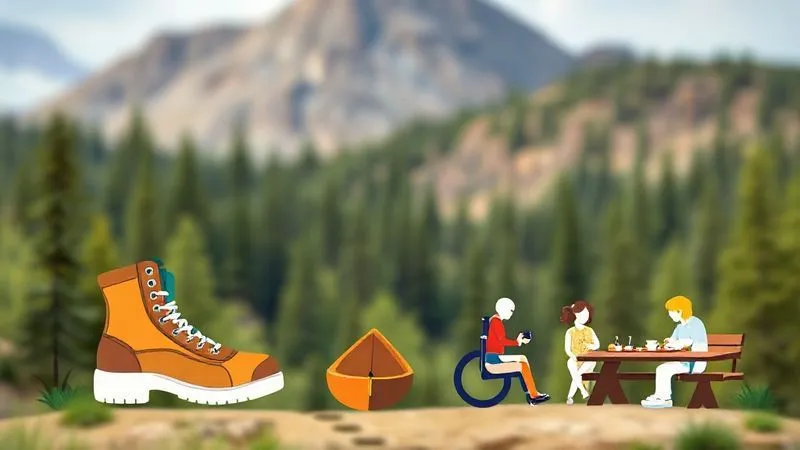
Step 3: Crafting the Flexible Itinerary – The Art of 'Choose Your Own Adventure'
This is arguably the most critical step in how to plan a multi-age national park trip satisfying everyone: building an itinerary that is both structured enough to provide direction and flexible enough to accommodate spontaneous desires and varying energy levels. Forget the rigid, hour-by-hour schedule. Embrace the 'choose your own adventure' philosophy.
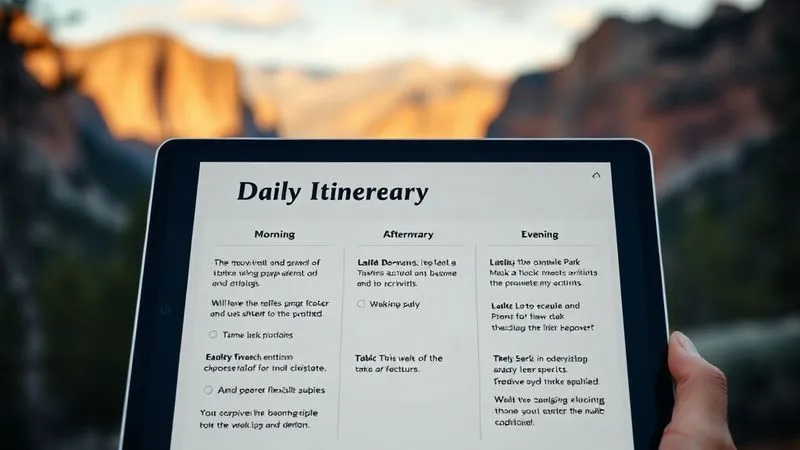
Morning vs. Afternoon: Pacing for Energy Levels
I've learned that most multi-generational groups thrive on a rhythm that respects natural energy fluctuations. Typically, mornings are for higher-energy activities. This is when younger kids are freshest and adults are ready for more strenuous hikes or longer drives. Afternoons, especially post-lunch, are ideal for lower-key activities:
- Morning: Longer hikes, active exploration, early wildlife viewing.
- Afternoon: Scenic drives, visitor center visits, short, accessible walks, swimming, napping, reading, or playing board games at your accommodation.
- Evening: Dinner together, stargazing, ranger talks, campfire stories.
Always build in a significant break in the middle of the day. This could be a return to your lodging for lunch and rest, or a leisurely picnic in a shaded spot. This downtime prevents burnout and allows everyone to recharge.
Building in Downtime and Solo Exploration
One of the biggest mistakes I see families make is over-scheduling. Downtime isn't wasted time; it's essential for group harmony. It allows individuals to pursue their own interests, process the day's experiences, or simply relax. This might mean:
- One parent takes the kids to a playground while the other reads a book.
- Grandparents enjoy a cup of coffee on the porch while the younger generation goes for a quick bike ride.
- Teenagers have an hour of screen time or listen to music while others play a card game.
Create a daily 'menu' of options rather than a strict schedule. For example, for a particular afternoon, you might offer: 'Option A: Short, paved trail walk to a waterfall (30 mins). Option B: Visitor Center film and gift shop. Option C: Relax at the cabin.' Let people opt in or out. This autonomy is incredibly empowering and reduces friction.
Step 4: Fueling the Adventure – Nutrition, Hydration, and Comfort
A well-fed, well-hydrated, and comfortable group is a happy group. This is where meticulous planning for practical needs pays off exponentially, particularly when catering to a wide range of ages and potential dietary requirements or comfort preferences. Ignoring these basics can quickly turn a pleasant day into a challenging one.
Snack Strategy for All Palates
National parks often have limited food options, and those available can be expensive. My advice: pack smart. A cooler filled with a variety of snacks and drinks is your best friend. Consider:
- Kid-Friendly: Fruit pouches, granola bars, crackers, cheese sticks, juice boxes.
- Adult-Friendly: Nuts, dried fruit, protein bars, coffee/tea, sparkling water.
- Senior-Friendly: Easily digestible options, soft fruits, hydration tablets.
- All-Ages: Apples, bananas, grapes, sandwiches, water bottles.
Always pack more water than you think you'll need, especially in warmer climates or during active days. Dehydration can quickly lead to fatigue and irritability for anyone, but especially children and seniors. According to the National Park Service's guidelines on hydration, it's crucial to drink water frequently, even if you don't feel thirsty, particularly when exerting yourself.
Essential Gear for Diverse Needs
Beyond food and water, the right gear makes all the difference. Think layers, sun protection, and comfort items:
- Clothing: Layers are key. Temperatures can fluctuate dramatically in national parks. Pack rain gear, even if the forecast looks clear.
- Footwear: Comfortable, broken-in walking shoes or hiking boots are a must for everyone. Consider slip-on shoes for easy changing at camp or lodging.
- Sun Protection: Hats, sunglasses, and high-SPF sunscreen are non-negotiable for all ages.
- First Aid Kit: A comprehensive kit with bandages, antiseptic wipes, pain relievers, blister treatment, and any personal medications.
- Comfort Items: Portable chairs or blankets for seniors, favorite small toys or books for children, binoculars for wildlife spotting, and cameras for capturing memories.
- Accessibility Aids: If traveling with individuals needing mobility assistance, ensure you have necessary equipment like walking poles, portable oxygen, or even a lightweight, foldable wheelchair for specific areas.
Step 5: Engaging the Youngest and Young-at-Heart
Ensuring everyone feels included and entertained requires specific strategies for different age groups. It's about finding common ground while also providing tailored experiences.
Junior Ranger Programs and Nature Scavenger Hunts
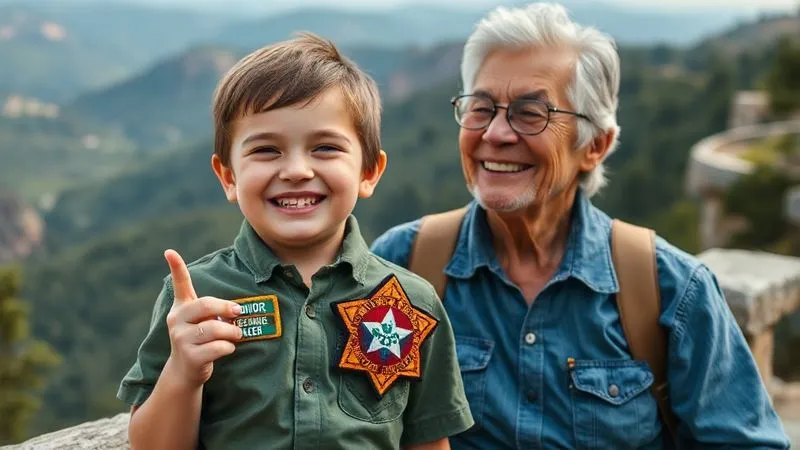
For children, the Junior Ranger program is a goldmine. Almost every national park offers it, providing activity booklets that guide kids through the park, teaching them about its nature, history, and conservation. Upon completion, they earn a badge, a moment of pride that can be incredibly motivating. I've seen even reluctant young travelers light up when they earn their badge.
- Make it a Game: Turn the activities into a scavenger hunt or a friendly competition.
- Involve Adults: Encourage older family members to help the kids with their booklets, fostering intergenerational interaction.
- Beyond Junior Ranger: Create your own simple nature scavenger hunts – 'Find something red,' 'Spot a bird,' 'Touch a smooth rock.'
For teenagers, consider giving them a 'mission' – perhaps they are the official trip photographer, or responsible for navigating using a map, or tasked with researching a specific animal or plant found in the park. This gives them a sense of purpose and independence.
Comfort and Accessibility for Seniors
Seniors often appreciate comfort, accessible amenities, and opportunities for gentle exploration and relaxation. Prioritize:
- Accessible Paths: Focus on paved or boardwalk trails, or those designated as easy/accessible.
- Frequent Breaks: Plan for more frequent stops, with opportunities to sit and rest in shaded areas.
- Transportation: Utilize park shuttle systems or your own vehicle for scenic drives, minimizing extensive walking.
- Comfortable Lodging: Opt for accommodations with easy access, comfortable beds, and perhaps a sitting area.
- Ranger Talks & Interpretive Centers: These offer engaging, low-exertion ways to learn about the park.
- Patience: Recognize that energy levels may vary day-to-day. Be prepared to adjust plans on the fly.
Step 6: Mastering the Logistics – Accommodation, Transport, and Safety
The practicalities of a multi-age national park trip can be daunting, but with careful planning, they become seamless. This stage is about solidifying your choices for where you'll sleep, how you'll get around, and ensuring everyone's safety.
Accommodation Options for Large Groups
Finding accommodation that suits everyone can be tricky. Here are some options I've found successful:
- Cabins/Vacation Rentals: Often the best choice for large, multi-generational groups. They offer common living areas for togetherness, but also separate bedrooms for privacy and quiet. Many have kitchens, allowing for cost-effective meal preparation and accommodating dietary needs.
- Adjoining Hotel Rooms: If cabins aren't available or suitable, booking adjoining rooms in a hotel near the park can provide a good balance of privacy and proximity. Look for hotels with amenities like pools for kids or comfortable lounges for adults.
- RVs/Campers: For adventurous families, RVs offer flexibility and a 'home on wheels.' This can be great for older kids and adults, but might be less comfortable for very young children or seniors who prefer more amenities.
- Park Lodges: Staying inside the park offers unparalleled access to trails and sights, but can be expensive and book up far in advance. Research which lodges offer family suites or accessible rooms.
Book well in advance, especially if traveling during peak season. Flexibility with dates can also open up more options.
Safety Protocols for Varying Abilities
Safety is paramount, especially when traveling with individuals of different physical capabilities. Develop a clear safety plan:
- Emergency Contacts: Share a list of emergency contacts, including local park ranger numbers, with all adults.
- Meeting Points: Establish clear meeting points in case the group gets separated, especially in crowded areas or on trails.
- Communication: Ensure everyone has a way to communicate. Cell service can be spotty in parks, so consider walkie-talkies for short-range communication.
- Pace Yourself: Never push anyone beyond their comfort or physical limits. It's better to turn back early or choose an easier route than risk injury.
- Wildlife Awareness: Educate everyone, particularly children, on how to behave around wildlife. Maintain safe distances and never feed animals.
- Medication Management: Ensure all necessary medications are easily accessible and that at least two adults know where they are and how to administer them.
| Park Feature | Benefit for Seniors | Benefit for Kids |
|---|---|---|
| Accessible Trails | Easy walking, gentle slopes | Safe exploration, stroller-friendly |
| Ranger Programs | Educational, low physical exertion | Engaging, interactive learning |
| Scenic Drives | Comfortable viewing, less walking | Wildlife spotting, car games |
| Visitor Centers | Rest areas, informative exhibits | Interactive displays, gift shop |
| Picnic Areas | Relaxing meal, shaded rest | Outdoor eating, space to play |
Step 7: The Post-Trip Reflection – Preserving Memories and Learning
The adventure doesn't truly end when you leave the park. The final step in my framework for how to plan a multi-age national park trip satisfying everyone involves cementing those memories and gathering insights for future journeys. This reflection process is vital for appreciating the shared experience and for refining your approach to multi-generational travel.
Creating a Shared Photo Album
In our digital age, creating a shared photo album is easier than ever. Encourage everyone to contribute their favorite photos and videos. This collective effort creates a richer, more diverse narrative of your trip. Services like Google Photos, Shutterfly, or even a private Facebook group can facilitate this.
- Designate a 'Curator': Someone can take the lead in organizing and potentially printing a physical album.
- Tell the Story: Encourage captions or short anecdotes for each photo, capturing the humor, challenges, and triumphs.
- Create a Slideshow: A family slideshow or video compilation can be a wonderful way to relive the memories together, perhaps during a holiday gathering.
These shared memories become tangible heirlooms, reminding everyone of the special time spent together in nature. As noted by travel expert Rick Steves, "Travel is intensified living, and you remember it." Preserving these memories allows that living to be relived.
Gathering Feedback for Future Adventures
Before the glow of the trip completely fades, gather feedback from everyone. This doesn't need to be a formal survey; a casual conversation over dinner or a quick email can suffice. Ask questions like:
- "What was your absolute favorite part of the trip?"
- "What was the biggest challenge or something you'd change?"
- "What's one thing you learned or experienced?"
- "Where should we go next?"
Pay particular attention to feedback from the younger and older generations, as their needs are often the most distinct. This honest feedback is invaluable for refining your approach to multi-age travel, ensuring that each subsequent trip is even more successful and satisfying for everyone involved. It's about continuous improvement, turning every trip into a learning opportunity.
Case Study: The Harmonious Hendersons' Yosemite Adventure
How the Hendersons Mastered Multi-Age Park Travel
The Henderson family – grandparents (70s), parents (40s), and two children (ages 8 and 14) – faced the classic multi-age dilemma for their Yosemite National Park trip. The grandparents desired scenic beauty and comfortable walks. The parents wanted a mix of moderate hikes and relaxation. The 8-year-old was obsessed with Junior Ranger badges, and the 14-year-old longed for adventure and Instagram-worthy photos.
Following my 7-step framework, they started with a 'Pre-Trip Huddle.' Everyone shared their top desires. They discovered a shared love for scenic viewpoints and wildlife, but clear differences in desired activity levels. This led them to a 'Destination Deep Dive' for Yosemite, where they noted its excellent shuttle system, diverse trails, and abundant ranger programs.
Their 'Flexible Itinerary' became a masterpiece. Mornings saw the parents and 14-year-old tackling sections of the Mist Trail, while the grandparents and 8-year-old enjoyed a leisurely, accessible stroll through Cook's Meadow, completing Junior Ranger activities. Afternoons were always 'choose your own adventure' – some relaxed at their cabin rental (chosen for its space and kitchen), others visited the Ansel Adams Gallery, or played board games. They always reconvened for dinner and evening ranger talks.
They implemented a robust 'Snack Strategy,' packing a cooler with everyone's favorites, from protein bars to fruit cups. The 14-year-old was tasked with documenting the trip, giving him a sense of purpose. For 'Logistics,' they booked a large cabin well in advance, and clearly communicated meeting points and emergency plans.
Upon returning, their 'Post-Trip Reflection' revealed that everyone felt heard and satisfied. The grandparents cherished the scenic drives and shared meals. The parents appreciated the balance of activity and relaxation. The 8-year-old proudly displayed his badge, and the 14-year-old had a stunning photo album. By embracing flexibility and communication, the Hendersons transformed potential conflict into a truly harmonious and memorable family adventure.
Frequently Asked Questions (FAQ)
Question? What if one family member absolutely refuses to participate in the planning or activities?
Answer: This is a common challenge. My advice is to gently encourage participation in the initial 'Pre-Trip Huddle' by emphasizing their unique perspective. If they still resist, respect their choice but ensure they understand the general plan and their options. Don't force them into activities they genuinely dislike; instead, focus on providing alternatives or allowing them downtime. Sometimes, seeing others enjoy themselves can be contagious. The key is open communication and avoiding guilt trips.
Question? How do we handle budget differences across generations, especially when some might want more luxurious options?
Answer: Budget discussions should be transparent and happen early. Clearly outline the total estimated costs for accommodation, activities, and food. Discuss what everyone is comfortable contributing. If some desire higher-end experiences, they might need to cover the additional cost for those specific items, or the group can agree on a 'base' budget with optional upgrades. A vacation rental with a kitchen, for example, can significantly reduce food costs, benefiting everyone.
Question? What are the best national parks for a multi-age trip, generally speaking?
Answer: Parks renowned for their diverse offerings and accessibility generally excel. Yosemite, Zion, Grand Canyon, Yellowstone, Acadia, and Olympic National Parks are often excellent choices. They typically feature extensive scenic drives, a variety of trail difficulties (including many accessible options), robust ranger programs, and good infrastructure for dining and lodging. Always research the specific park's offerings against your family's wish list.
Question? How can we ensure everyone feels heard and valued during the trip itself, beyond the planning stage?
Answer: Continue the spirit of the 'Pre-Trip Huddle' throughout the trip. Have brief daily check-ins, perhaps over breakfast or dinner, to discuss the next day's flexible options and gather feedback on the current day. Empower individuals to make choices for their own downtime. Celebrate small successes and acknowledge everyone's contributions. A simple 'What was your favorite moment today?' can go a long way in making everyone feel valued.
Question? What if unexpected weather or park closures disrupt our carefully laid plans?
Answer: This is where the 'flexible itinerary' truly shines. Always have backup plans or 'rainy day' options. Research nearby towns for indoor activities, museums, or local attractions. Embrace the unexpected! Sometimes, the most memorable moments come from adapting to unforeseen circumstances. A sudden downpour might lead to an impromptu board game tournament or a cozy movie night, which can be just as bonding as a hike. The NPS provides real-time updates on closures, so monitor their site regularly.
Key Takeaways and Final Thoughts
Planning a multi-age national park trip doesn't have to be a source of stress; it can be an incredible opportunity to create cherished family memories. The secret, as I've shared, lies not in rigid control, but in empathetic planning, clear communication, and a generous dose of flexibility.
- Involve Everyone Early: Give every family member a voice in the planning process to foster ownership.
- Choose Wisely: Select a national park that genuinely offers diverse activities and accessibility features.
- Embrace Flexibility: Create an itinerary with options and ample downtime, allowing individuals to choose their own adventure.
- Prioritize Comfort: Meticulously plan for food, hydration, and appropriate gear to keep everyone happy and healthy.
- Tailor Experiences: Design specific activities that cater to the unique needs and interests of both the youngest and oldest travelers.
- Master the Logistics: Book accommodation early and establish clear safety protocols.
- Reflect and Learn: Preserve memories and gather feedback to make future trips even better.
Remember, the goal isn't perfection, but connection. It's about witnessing the wonder in a grandchild's eyes as they spot a deer, sharing a laugh with your parents over a campfire, and creating a tapestry of shared experiences that will strengthen your family bonds for years to come. Go forth, plan wisely, and embark on an unforgettable national park adventure!
Recommended Reading
- Ultimate Guide: Best Winter Sports Photography Settings
- 5 Critical Steps: Safeguarding Against Zoonotic Risks in Wildlife Rescue
- 5 Proven Steps: Unplug From Work on Family Road Trips, Avoid Burnout
- The Ultimate Secret: How to Pack Snowboard Boots Efficiently for Travel
- 7 Ways to Protect Indigenous Cultural Heritage from Tourism Appropriation



Your email address will not be published. Required fields are marked *