


How to handle a roadside emergency on a tight business schedule?
For over two decades, I’ve navigated countless miles of open road, often with critical business deadlines looming. I’ve seen firsthand how a sudden flat tire or an unexpected engine light can unravel a meticulously planned itinerary, causing not just delays but significant professional stress.
The pain points are universal: missed meetings, lost productivity, a dent in your professional reputation, and the sheer anxiety of being stranded when time is of the essence. It’s a common scenario for the modern business traveler, where every minute counts, and unexpected interruptions can have cascading effects.
In this definitive guide, I’ll share the proven strategies and frameworks I’ve developed over years of experience. You’ll learn not just what to do, but how to think like a seasoned pro, transforming a potential crisis into a manageable bump in the road. We’ll cover everything from proactive preparation to leveraging technology and mastering the art of crisis communication.
The Proactive Professional's Pre-Trip Checklist
As an industry veteran, I've learned that the best defense against a roadside emergency is a robust offense. Preparation isn't just about packing your bags; it's about making your vehicle and your mindset resilient.
Vehicle Maintenance: Beyond the Basics
Before any business trip, especially one involving significant driving, a thorough vehicle check is non-negotiable. Don't just assume; inspect.
- Tire Health: Check tire pressure (including the spare!) and tread depth. Look for any bulges or cracks. A well-maintained tire is your first line of defense against flats.
- Fluid Levels: Ensure engine oil, coolant, brake fluid, and windshield washer fluid are at optimal levels. Low fluids can lead to overheating or brake issues.
- Battery Check: If your battery is more than three years old, consider having it tested. Cold weather or extended periods of inactivity can drain it.
- Lights and Wipers: Verify all lights (headlights, tail lights, turn signals) are functioning. Ensure wiper blades are not worn and can provide clear visibility.
- Basic Toolkit & Spares: Pack a basic toolkit including a lug wrench, jack, and jumper cables. Know where your spare tire is and how to access it.
Digital Preparedness: Your Mobile Command Center
Your smartphone is more than just a communication device; it's your mobile office and emergency hub. Maximize its potential.
- Portable Chargers & Power Bank: Always carry multiple charging cables and a fully charged power bank. A dead phone in an emergency is a nightmare.
- Mobile Hotspot: Ensure your phone can act as a hotspot, or carry a dedicated one. This is crucial for staying connected and productive.
- Essential Apps: Download apps for your roadside assistance provider, mapping (with offline map capabilities), weather, and your preferred communication and work platforms (Zoom, Slack, Microsoft Teams).
Emergency Kit Essentials: More Than Just First Aid
I've seen too many professionals caught off guard. A well-stocked emergency kit isn't optional; it's intelligent planning.
- Safety Gear: Reflective triangles or flares, a high-visibility vest, and a powerful flashlight with extra batteries. Visibility is paramount, especially at night.
- Basic First Aid: Bandages, antiseptic wipes, pain relievers. Minor cuts or headaches shouldn't derail your focus.
- Food & Water: Non-perishable snacks (granola bars, nuts) and bottled water. You never know how long you might be waiting.
- Warmth & Comfort: A blanket or an emergency foil blanket, especially in colder climates.
- Documentation: Keep copies of your driver's license, registration, insurance, and roadside assistance membership details in a waterproof bag, separate from your wallet.
Immediate Actions: When the Unexpected Strikes
Despite the best preparation, emergencies happen. The key is how you react in those crucial first moments. Panic is the enemy of efficiency.
Safety First: Securing Your Position
Your immediate priority is always personal safety and the safety of others.
- Pull Over Safely: If possible, steer your vehicle to the shoulder or a safe, well-lit area away from traffic. Use minimal braking to maintain control.
- Activate Hazards: Turn on your hazard lights immediately to warn other drivers.
- Exit Safely: If it's safe to do so, exit your vehicle on the side away from traffic. If not, stay inside with your seatbelt on.
- Set Up Warnings: Place reflective triangles or flares behind your vehicle at appropriate distances (e.g., 50-100 feet) to alert oncoming traffic. Wear your high-visibility vest.
Assessing the Situation: Quick Diagnosis, Not Repair
Your goal isn't to become a roadside mechanic, but to understand the nature of the problem enough to communicate it effectively.
- Identify the Issue: Is it a flat tire, an overheating engine, strange noises, or a warning light? A quick visual inspection can provide crucial information.
- Do NOT Attempt Risky Repairs: Unless you are a trained mechanic and it is absolutely safe, avoid attempting complex repairs. Your time is valuable, and safety is paramount.
- Gather Information: Note your exact location (mile marker, nearest exit, cross streets), the make and model of your vehicle, and a brief description of the problem.
Notifying Stakeholders: Transparency is Key
In a business context, silence is rarely golden. Proactive communication manages expectations and mitigates fallout.
- Contact Roadside Assistance: This should be your first call after ensuring safety. Provide them with all the details you gathered.
- Alert Your Immediate Team/Manager: Send a brief, factual message. State that you've encountered a roadside emergency, you are safe, and you are arranging assistance. Do not over-explain or apologize excessively.
- Notify Clients/Partners (if applicable): If your emergency directly impacts a client meeting or deadline, a concise, professional update is necessary. Offer alternative arrangements immediately if possible.
Leveraging Technology and Professional Assistance
In my career, I've seen technology evolve from a luxury to an indispensable tool for managing crises. Coupled with professional services, it's your strongest ally.
Roadside Assistance Services: Your Lifeline
Don't underestimate the value of a reliable roadside assistance plan. It’s an investment in peace of mind and productivity.
- Membership Services: Companies like AAA, AARP, or similar auto clubs offer comprehensive plans that include towing, tire changes, jump-starts, and fuel delivery. Know your coverage.
- Vehicle Manufacturer Programs: Many new vehicles come with complimentary roadside assistance for a certain period. Check your car's warranty or owner's manual.
- Insurance Add-ons: Your auto insurance policy might offer roadside assistance as an optional rider. This can be a cost-effective solution.
- On-Demand Apps: Services like Urgent.ly or Honk offer on-demand assistance via apps, often with transparent pricing and real-time tracking of help.
Case Study: How Sarah, a Marketing Executive, Turned a Flat Tire into a Remote Work Opportunity
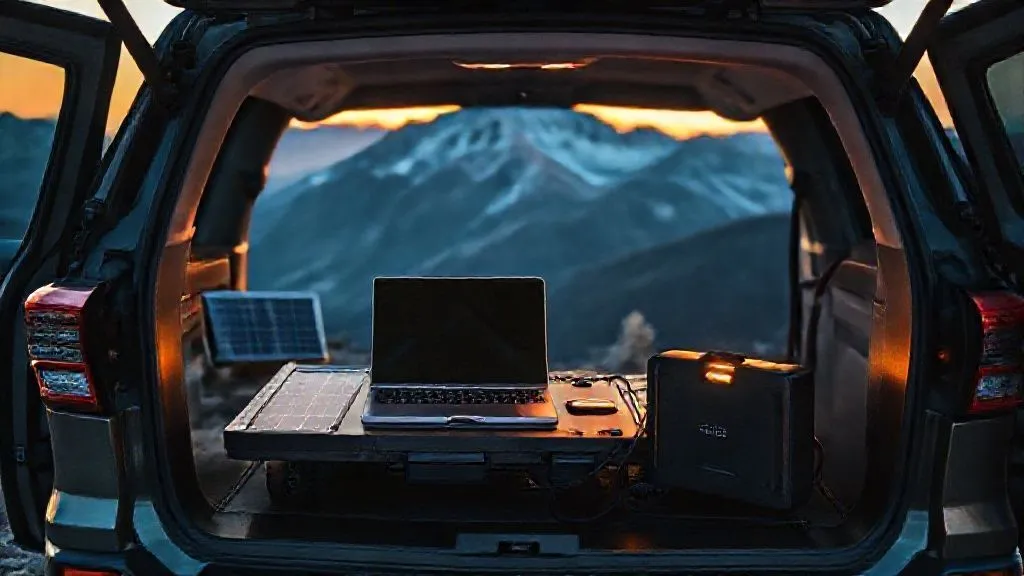
Sarah, a marketing executive with a critical client presentation in three hours, found herself with a flat tire on a rural highway. Instead of panicking, she immediately pulled over, activated her hazards, and called her premium roadside assistance. While waiting, she used her mobile hotspot to connect her laptop. She had already uploaded her presentation to a cloud drive. By leveraging a video conferencing app, she was able to conduct her presentation remotely from her car, managing to share her screen and engage with the client. Although she arrived late to her next physical meeting, her proactivity ensured the crucial client engagement was successful, turning a potential disaster into a demonstration of her adaptability and resourcefulness.
Navigation and Communication Tools
These tools are essential for staying informed and connected.
- Real-Time Traffic Apps: Use apps like Google Maps or Waze to check traffic conditions and estimate arrival times once your issue is resolved. This helps in managing expectations for your next stop.
- Messaging Apps: WhatsApp, Slack, or similar platforms allow for quick, non-disruptive communication with your team or clients, often with read receipts.
- Video Conferencing: As Sarah's case study showed, platforms like Zoom or Microsoft Teams can be invaluable for attending meetings remotely if you have connectivity.
Remote Work Solutions: The Mobile Office
Your car, or the roadside, can become a temporary workspace.
- Laptop & Tablet: Fully charged and ready to go. Ensure critical files are accessible via cloud storage.
- Mobile Hotspot: As mentioned, this is your internet lifeline.
- Noise-Cancelling Headphones: Essential for focused work or calls in potentially noisy environments.
- Portable Lap Desk: Can make working in a car or a waiting area much more comfortable.
Communication & Expectation Management During Delays
In my extensive experience, managing the perception of a delay is almost as important as resolving the delay itself. Professional communication is paramount.
Crafting the Professional Apology and Update
When you communicate, be clear, concise, and solution-oriented.
- Be Concise and Factual: State the problem briefly. Avoid emotional language or excessive detail.
- Acknowledge Impact: Briefly acknowledge the inconvenience or disruption your delay might cause.
- Propose Solutions/Next Steps: Immediately offer what you are doing to resolve the situation (e.g., 'I have roadside assistance en route,' 'I'm connecting remotely to the meeting').
- Set New Expectations: Provide an updated estimated time of arrival or suggest alternative arrangements (e.g., 'I will join the call in 30 minutes once I have a stable connection,' or 'Could we reschedule our meeting for later this afternoon?').
According to a survey by American Express Global Business Travel, business travelers cite unexpected delays as a top stressor. Proactive, clear communication can mitigate this significantly, transforming a negative into a demonstration of your professionalism.
Proactive Rescheduling and Delegation
Don't wait to be asked. Take the initiative.
- Rebook Meetings/Appointments: As soon as you have a new ETA, or if you know you'll miss a commitment, immediately reach out to reschedule. Offer specific alternative times.
- Delegate Tasks: If there are urgent tasks you cannot complete remotely, delegate them to a team member. Provide clear instructions and necessary access.
- Leverage Your Team: Your colleagues can often step in to cover for you. Ensure they have the information they need to do so effectively.
Financial and Logistical Contingency Planning
A roadside emergency often comes with unexpected costs. Being financially and logistically prepared can prevent further stress.
Understanding Your Insurance Coverage
Your auto insurance is more than just liability; it can be a safety net.
- Roadside Assistance: Confirm if this is included in your policy.
- Rental Car Coverage: If your car needs extensive repairs, does your policy cover a rental car? This is crucial for continuing your journey.
- Trip Interruption/Delay: Some premium policies offer coverage for unexpected overnight stays or alternative transport due to vehicle breakdown.
Emergency Funds and Payment Methods
Cash and multiple payment options are vital when you're on the road.
- Credit Cards: Carry at least two different credit cards. Sometimes one network might be down or a specific vendor only accepts certain cards.
- Cash: Have a small amount of cash on hand for unexpected tolls, small services, or places that don't accept cards.
- Digital Payment Apps: Ensure your Apple Pay, Google Pay, or other digital wallets are set up and linked to a valid card.
Alternative Transport Options
Having a Plan B for transport is essential for maintaining your schedule.
- Ride-Share Services: Apps like Uber or Lyft can be a quick way to get to your next meeting or a rental car agency.
- Taxi Services: Know local taxi numbers, especially in areas with limited ride-share availability.
- Train/Bus: For longer distances, research nearby train stations or bus terminals if your car is out of commission for an extended period.
- Rental Car: Have the contact information for major rental car companies readily available, and ideally, a pre-existing corporate account for faster service.
The Mental Game: Staying Calm Under Pressure
I've learned that one's mindset is as critical as any practical tool during a crisis. The ability to remain calm and focused will dictate your success.
Mindfulness and Stress Reduction Techniques
Even a few moments of calm can make a huge difference.
- Deep Breathing: Simple, controlled breathing exercises can lower your heart rate and clear your mind.
- Positive Self-Talk: Remind yourself that you are capable, prepared, and that this is a temporary setback.
- Short Breaks: If you're waiting for assistance, take a few minutes to step away from work, stretch, or listen to calming music.
Reframing the Challenge: An Opportunity to Demonstrate Resilience
In the high-stakes world of business, it's not the absence of problems, but our response to them, that defines our professional character. An unexpected roadside emergency is a prime opportunity to demonstrate your adaptability, resourcefulness, and unwavering professionalism to your clients and colleagues.
View this not as a failure, but as a test. Your ability to navigate unforeseen circumstances calmly and effectively will leave a lasting positive impression.
Post-Incident Review: Learning and Adapting
Every incident, large or small, is a learning opportunity. This is a crucial step I always take.
- What Went Well? Identify the actions you took that were effective.
- What Could Be Improved? Pinpoint areas where your preparation or response could be stronger.
- Update Your Plan: Based on your review, update your emergency kit, contacts, or pre-trip checklist.
Building a Robust Emergency Response Framework for Your Business
Beyond individual preparedness, I strongly advocate for a systemic approach within any business that relies on travel. This builds collective resilience.
Developing a Company-Wide Roadside Emergency Protocol
A clear, documented plan empowers your entire team.
- Clear Steps for Employees: Outline the exact procedures for reporting an emergency, whom to contact internally, and how to access company-provided assistance.
- Centralized Contact Lists: Maintain an accessible list of preferred roadside assistance providers, rental car agencies, and internal emergency contacts.
- Pre-approved Vendors: Establish relationships with trusted local repair shops or towing services in frequently traveled areas.
Investing in Fleet Management and Telematics
For businesses with a fleet of vehicles, technology offers powerful preventative measures.
- Predictive Maintenance: Telematics systems can monitor vehicle health and alert you to potential issues before they become emergencies.
- Real-time Tracking: Know the exact location of your vehicles, which is crucial for dispatching assistance quickly.
- Remote Diagnostics: Some systems allow for remote diagnosis of vehicle problems, speeding up repair times. According to a report by Deloitte, integrating telematics can significantly reduce operational costs and improve safety for fleets. Deloitte on Fleet Management & Telematics
Training and Awareness Programs
Educated employees are safer and more efficient.
- Basic Vehicle Care: Provide training on basic checks (tires, fluids) that employees can perform themselves.
- Emergency Procedures: Conduct regular refreshers on what to do in various roadside emergency scenarios.
- First Aid & Safety: Ensure employees are familiar with basic first aid and road safety protocols.
Frequently Asked Questions (FAQ)
Question? What's the single most important thing to have in my emergency kit for business travel?
Answer: While many items are crucial, I'd argue that a fully charged, high-capacity portable power bank, coupled with a reliable mobile hotspot, is the single most important. In today's business world, connectivity is paramount. It allows you to call for help, work remotely, communicate with your team, and access critical information. Without power and connection, even the best physical tools are limited. Your phone is your lifeline.
Question? Should I attempt to fix minor issues myself to save time?
Answer: My advice is to exercise extreme caution. Unless you are trained and experienced with vehicle mechanics, and the environment is absolutely safe (e.g., a well-lit, flat, secure parking lot, not a busy highway shoulder), do not attempt repairs. Your time is valuable, but your safety is priceless. A botched DIY repair can exacerbate the problem, cause injury, or lead to even longer delays. Focus on getting professional help; that's the most efficient route for a business traveler.
Question? How do I handle missing a critical meeting due to a roadside emergency?
Answer: Transparency and proactivity are key. As soon as you confirm you'll miss it, send a concise, professional message to the meeting organizer and relevant attendees. Briefly state you've encountered an unforeseen roadside emergency, that you are safe, and that you are working to resolve it. Immediately propose a solution: can you join remotely if connectivity allows? Can you send a delegate? Or, most commonly, propose specific alternative times to reschedule. Focus on minimizing the disruption, not on lengthy apologies.
Question? Is it worth investing in a premium roadside assistance membership?
Answer: Absolutely, especially for business travelers. The peace of mind, expedited service, and comprehensive coverage (which often includes towing distance, winching, and even trip interruption benefits) far outweigh the annual cost. Time is money in business, and a premium membership can significantly reduce the time you spend stranded and the stress associated with unexpected breakdowns. Consider it an essential part of your professional travel insurance.
Question? How can I ensure my team is prepared for similar situations?
Answer: This is a fantastic question and speaks to robust organizational resilience. First, develop and disseminate a clear, company-wide roadside emergency protocol. Second, provide a basic emergency kit for all company vehicles or offer a stipend for employees to assemble their own. Third, invest in basic training on vehicle safety and emergency communication. Finally, foster a culture where employees feel comfortable reporting issues early and are supported in seeking professional assistance, rather than risking their safety or further damage by attempting to 'tough it out.'
Recommended Reading
- Unlock the Secret: How to Maintain Healthy Eating on Your Wellness Trip
- Don't Let Rain Ruin It: Your Ultimate Guide to a Rainy City Break
- Unmasking the True Cost: What Are the Hidden Expenses of Luxury World Tours?
- The Ultimate Guide: What to Pack for an Outdoor Ice Skating Trip?
- 7 Proven Ways to Sidestep Critical Delays on Independent Cruise Tours
Key Takeaways and Final Thoughts
- Proactive Preparation is Non-Negotiable: Your pre-trip checklist for vehicle, digital tools, and emergency supplies is your first line of defense.
- Safety First, Always: Prioritize your well-being and secure your location before anything else.
- Leverage Technology & Professionals: Your smartphone, apps, and roadside assistance memberships are your most powerful tools for quick resolution and continued productivity.
- Master Crisis Communication: Clear, concise, and solution-oriented updates manage expectations and preserve your professional reputation.
- Cultivate a Resilient Mindset: View unexpected challenges as opportunities to demonstrate your adaptability and problem-solving skills.
In my long career on the road, I've seen firsthand that a roadside emergency doesn't have to derail your business schedule. With the right preparation, immediate actions, and a calm, professional demeanor, you can navigate these challenges with minimal disruption. It’s about being ready for the unexpected, and transforming a potential setback into a testament to your professionalism. Drive safely, and be prepared!



Your email address will not be published. Required fields are marked *