

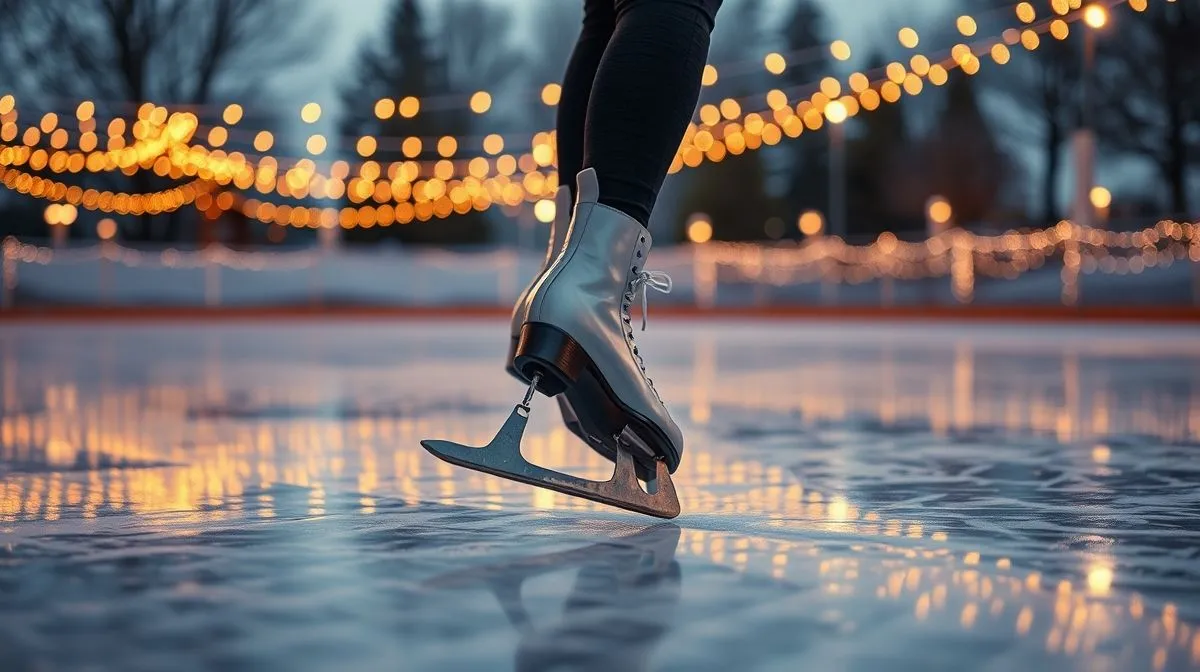
Unlocking the Perfect Outdoor Ice Skating Trip: What to Pack?
Imagine the crisp winter air on your face, the gentle scrape of blades on ice, and the laughter echoing across a frozen pond or a festive outdoor rink. There's a unique, almost nostalgic charm to outdoor ice skating that indoor rinks simply can't replicate. It's an experience that promises joy, exercise, and memorable moments under the open sky. Yet, this idyllic scene can quickly turn uncomfortable, or even unsafe, if you're not adequately prepared.
Many eager adventurers, swept up in the romantic notion of gliding effortlessly, overlook the practical challenges posed by Mother Nature. The biting cold, unexpected wind, or even a sudden sprinkle can transform a delightful outing into a shiver-inducing ordeal. The common question that arises, often too late, is: how do I stay warm, dry, and safe while maximizing my enjoyment in this beautiful, yet sometimes harsh, environment? It's about navigating the challenge of knowing exactly what to pack for an outdoor ice skating trip to ensure comfort and safety.
This comprehensive guide is your definitive answer. We'll delve deep into the art of layering, reveal the essential gear you might not have considered, and share expert tips to transform your outdoor ice skating trip from merely tolerable to absolutely unforgettable. By the end of this reading, you'll be equipped with the knowledge to conquer the cold and embrace the magic of outdoor ice skating with confidence and comfort.
Mastering the Art of Layering: Your First Line of Defense
The secret to staying warm and comfortable in fluctuating outdoor temperatures isn't about wearing one bulky coat; it's about strategic layering. This method allows you to trap warm air close to your body while also providing the flexibility to add or remove clothing as your activity level or the weather changes.
The Base Layer: Moisture-Wicking Wonders
Your base layer is the foundation of your cold-weather defense. Its primary job is to wick moisture (sweat) away from your skin. If sweat remains on your skin, it cools rapidly and can make you feel much colder, increasing the risk of hypothermia.
- Why it's crucial: Keeps you dry, which is paramount for staying warm.
- Materials: Look for synthetic fabrics like polyester or polypropylene, or natural fibers like merino wool. Merino wool is excellent as it wicks moisture and retains warmth even when damp.
- What to avoid: Absolutely steer clear of cotton. Cotton absorbs moisture and holds it against your skin, making you feel cold and clammy.
The Mid-Layer: Insulation for Warmth
The mid-layer is designed to provide insulation, trapping warm air close to your body. This is where the bulk of your warmth comes from.
- Purpose: To provide warmth by trapping air.
- Materials: Fleece (polyester fleece is lightweight, breathable, and warm), down (excellent warmth-to-weight ratio, but loses insulating properties when wet), or synthetic insulation (performs better than down when wet).
- Examples: A fleece jacket, a lightweight puffer jacket, or a wool sweater.
The Outer Layer: Protection from the Elements
Your outermost layer acts as a shield against wind, snow, and rain. It should be both waterproof and windproof, while ideally still being breathable to allow moisture vapor (sweat) to escape.
- Key features: Waterproofing, windproofing, and breathability.
- Materials: GORE-TEX, eVent, or similar proprietary waterproof/breathable membranes.
- Types: A good quality ski jacket or a winter parka with sealed seams. Look for features like adjustable cuffs, hoods, and powder skirts if available.
Essential Gear for Foot and Hand Protection
Your extremities are often the first to feel the cold. Proper protection for your feet and hands is vital for comfort and preventing frostbite.
Choosing the Right Ice Skates: Rental vs. Own
While most outdoor rinks offer rentals, having your own well-fitted skates can significantly enhance your experience. If renting, ensure they fit snugly but comfortably, providing ankle support without pinching.
- Fit: Skates should be snug around your foot and ankle, preventing your heel from lifting inside the boot. Your toes should lightly brush the end without being curled.
- Support: Ankle support is crucial, especially for beginners. Laced skates should be tied firmly all the way up.
- Condition: Check rental skates for dull blades or worn-out boots before heading onto the ice.
Socks: The Unsung Heroes of Warmth
The right socks can make all the difference in keeping your feet warm and blister-free inside your skates.
- Material: Choose wool (merino is ideal) or synthetic blend socks. These materials wick moisture and provide insulation.
- Thickness: A medium-thickness sock is usually best. Too thick, and it might bunch up or make your skates too tight, restricting circulation. Too thin, and you lose insulation.
- Avoid: Cotton socks. Like cotton base layers, they absorb sweat and will leave your feet cold and damp.
Gloves or Mittens: Non-Negotiable Warmth
Your hands are exposed to the cold, and also prone to getting wet from ice or snow. Waterproof, insulated gloves or mittens are a must.
- Waterproof and Insulated: Look for gloves or mittens specifically designed for winter sports. They should be waterproof to prevent moisture from seeping in and insulated to keep your hands warm.
- Mittens vs. Gloves: Mittens generally offer more warmth because your fingers share body heat. Gloves offer better dexterity. Consider your preference and the expected temperature.
- Durability: Choose a pair with durable palms, as you might use your hands to steady yourself or get up from a fall.
Headwear and Neck Protection: Shielding Against the Chill
A significant amount of body heat can be lost through your head and neck. Protecting these areas is crucial for overall warmth and comfort.
Hats and Headbands: Keeping Your Core Warm
A warm hat is one of the simplest yet most effective ways to stay warm. It helps retain body heat and protects your ears from the cold wind.
- Material: Wool, fleece, or insulated synthetic hats are excellent choices.
- Coverage: Ensure the hat covers your ears fully.
- Headbands: If you prefer less bulk or want to wear a helmet, a fleece or wool headband can offer good ear protection.
Scarves and Neck Gaiters: Versatile Warmth
Protecting your neck from the cold can make a huge difference in your perceived warmth and prevent chills.
- Scarves: Traditional scarves offer adjustable warmth and can be wrapped around your face for extra protection.
- Neck Gaiters: A neck gaiter (or buff) is a seamless tube of fabric that can be pulled up over your nose and mouth for comprehensive protection against wind and cold. They are less bulky than scarves and stay in place better.
Safety First: Protective Gear You Can't Forget
While ice skating is fun, falls are a common occurrence, especially on outdoor, often less-than-perfect, surfaces. Prioritizing safety gear is a smart decision for skaters of all skill levels.
Helmets: A Smart Choice for All Ages
Head injuries can be severe. Wearing a helmet is a simple way to protect yourself and set a good example, particularly for children.
- Types: A multi-sport helmet, a ski helmet, or even a bike helmet can provide adequate protection. Ensure it fits snugly and doesn't obstruct your vision.
- Importance: Especially critical for beginners, children, and anyone attempting tricks or skating on crowded rinks.
Knee and Elbow Pads: For the Occasional Tumble
Falls on ice can be hard. Knee and elbow pads can prevent painful scrapes, bruises, and even fractures.
- Recommendation: Highly recommended for beginners or anyone feeling less confident on the ice.
- Comfort: Look for pads that are comfortable to wear under your outer clothing layer and don't restrict movement.
Beyond Clothing: The Smart Skater's Bag for Your Outdoor Ice Skating Trip
Your packing list extends beyond just what you wear. A well-prepared bag can address various needs that arise during your outdoor adventure.
Hydration and Snacks: Fueling Your Fun
Even in cold weather, physical activity leads to dehydration. Staying fueled and hydrated is essential for maintaining energy levels and warmth.
- Water Bottle: Bring a reusable water bottle. Consider an insulated one to prevent water from freezing.
- Thermos: A thermos filled with hot tea, coffee, or hot chocolate is a welcome treat and a great way to warm up from the inside out.
- Snacks: Energy bars, nuts, dried fruit, or a sandwich can provide quick energy.
First-Aid Kit: Small Scrapes and Sprains
Minor injuries are common. A small, personal first-aid kit can address immediate needs.
- Contents: Band-aids, antiseptic wipes, pain relievers, blister treatment, and any personal medications.
Miscellaneous Must-Haves
These items might seem small, but they can significantly improve your experience.
- Sunscreen and Lip Balm: Even on cloudy days, UV rays reflect off the ice and snow. Protect your skin and lips.
- Portable Charger: Cold weather can drain phone batteries quickly. A power bank ensures you can take photos or call for help if needed.
- Small Towel: Useful for wiping off skates or drying hands.
- Skate Guards: If you own your skates, guards protect the blades when walking off the ice.
- A Bag for Wet Gear: A plastic bag or a small dry bag for wet clothes or soggy socks after your session.
- Hand Warmers/Toe Warmers: Small, disposable packets that provide hours of warmth, perfect for gloves or boots on particularly cold days.
Pre-Trip Preparations and On-Ice Tips
Beyond packing, a few preparatory steps and on-ice habits can further enhance your outdoor ice skating experience.
Checking Conditions and Rink Rules
Always check the weather forecast and the specific rink's operating conditions before you leave. Outdoor rinks are highly dependent on weather and may close due to warm temperatures, heavy snow, or other factors. Familiarize yourself with any specific rules or guidelines of the venue.
Warm-Up and Cool-Down
Before stepping onto the ice, do a light warm-up to get your blood flowing and muscles ready. Simple stretches for your legs, ankles, and core can help prevent strains. After your session, a gentle cool-down will aid recovery.
Staying Hydrated and Taking Breaks
Regularly sip water or your hot beverage. Don't wait until you're thirsty. Take short breaks to rest, warm up indoors if possible, and refuel. This prevents fatigue and helps maintain your body temperature.
Common Mistakes to Avoid on Your Outdoor Ice Skating Trip
Even with a comprehensive packing list, some common pitfalls can detract from your experience. Being aware of these can help you avoid them.
Wearing Cotton: The Moisture Trap
This cannot be stressed enough. Cotton absorbs moisture and holds it against your skin, rapidly drawing heat away from your body. This can lead to discomfort, chills, and in extreme cases, hypothermia. Always opt for moisture-wicking synthetics or wool for your base layers and socks.
Overpacking or Underpacking
Bringing too much can be cumbersome, while bringing too little leaves you vulnerable to the elements. The key is strategic packing based on the layering principle and anticipating your needs. Refer to your list and pack only what is essential for warmth, safety, and enjoyment.
Ignoring Safety Gear
The 'it won't happen to me' mentality can be dangerous. Falls are common, even for experienced skaters. A helmet, knee pads, and elbow pads are small investments that can prevent significant injuries and provide peace of mind, allowing you to skate more confidently.
Forgetting Hydration
The cold can mask your body's need for hydration, but physical exertion still leads to fluid loss. Dehydration can impair performance and make you more susceptible to cold. Always bring water or a warm beverage and make a conscious effort to drink regularly.
Frequently Asked Questions (FAQ)
Can I just wear regular jeans for outdoor ice skating? No, it's highly advised against. Jeans are made of cotton, which absorbs moisture and becomes very cold and stiff when wet. They will quickly make you uncomfortable and increase the risk of hypothermia. Opt for waterproof or water-resistant snow pants or insulated athletic pants.
How tight should my ice skates be? Ice skates should fit snugly around your foot and ankle, but not be painfully tight. Your heel should not lift significantly when you bend your knees, and your toes should lightly brush the front of the boot without being curled. Proper fit is crucial for control and preventing blisters.
Is it necessary to wear a helmet for casual outdoor ice skating? While not always mandatory for adults, it's strongly recommended for everyone, especially children and beginners. Outdoor ice surfaces can be unpredictable, and falls are common. A helmet provides vital protection against head injuries.
What's the best way to keep my hands warm while skating? Wear waterproof, insulated gloves or mittens. Mittens generally offer more warmth as your fingers share heat, while gloves offer more dexterity. Hand warmers can be added to your gloves for extra warmth on very cold days.
Should I bring a backpack or a duffel bag? A backpack is often more convenient for an outdoor ice skating trip as it allows you to keep your hands free. Choose one that is comfortable to wear and has enough capacity for your layers, hydration, snacks, and other essentials.
Recommended Reading
- Wellness Travel for Stress: Your Ultimate Unwinding Guide
- Ready for Orbit? Essential Physical Training for Space Tourism Revealed
- Villa Concierge: Which Services Are Actually Worth Paying For?
- The Ultimate Guide: How to Avoid Scams When Booking Beachfront Villas?
- Unlocking Unique Family Adventures: How to Find Child-Friendly Gems Abroad
Conclusion
An outdoor ice skating trip offers a truly magical winter experience, a chance to connect with nature and enjoy a timeless activity. However, the key to transforming this potential adventure into an actual delight lies in meticulous preparation. By understanding the principles of layering, prioritizing essential gear for warmth and safety, and remembering those crucial miscellaneous items, you can confidently face the elements. By following this comprehensive guide on what to pack for an outdoor ice skating trip, you're not just preparing for an activity; you're setting the stage for an unforgettable winter adventure, ensuring every moment on the ice is filled with joy, comfort, and safety.

Your email address will not be published. Required fields are marked *