


How to Handle Mobility Aid Repairs While Traveling Abroad
For over 20 years, I've been helping travelers with disabilities navigate the world. One of the biggest anxieties I hear is: what happens if my mobility aid breaks down far from home? I've seen firsthand the stress and disruption a malfunctioning wheelchair or scooter can cause, turning a dream vacation into a nightmare.
Traveling with a mobility aid requires careful planning, and that includes preparing for potential repairs. The fear of a breakdown in a foreign country is valid, but it shouldn't keep you from exploring the world. The lack of preparation is what makes the problem feel overwhelming.
In this guide, I'll share my expert strategies for how to handle mobility aid repairs while traveling abroad. You’ll learn how to prepare your equipment before you leave, locate repair services in advance, understand your insurance coverage, and troubleshoot common issues on the go. Let's turn that anxiety into confidence and empower you to travel with peace of mind.
Pre-Trip Mobility Aid Inspection and Maintenance
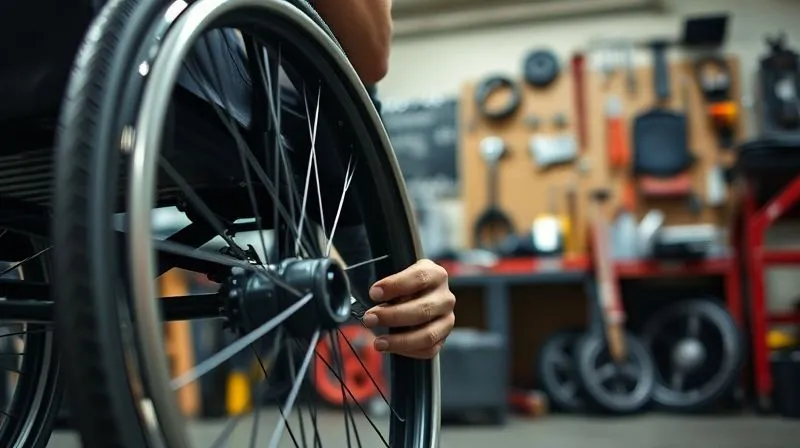
Prevention is always better than cure. A thorough inspection and maintenance check before you leave can significantly reduce the risk of breakdowns during your travels. I always advise my clients to think of it like preparing a car for a long road trip.
- Clean and Lubricate: Remove dirt and debris, and lubricate moving parts like axles, hinges, and joints. Use appropriate lubricants for your specific aid.
- Check Tires and Batteries: Ensure tires are properly inflated or in good condition (for solid tires). Test battery life and consider bringing a spare, if possible and allowed by airline regulations.
- Inspect Cables and Wiring: Look for frayed or damaged cables, and replace them if necessary. Secure loose wiring with cable ties.
- Tighten Fasteners: Check all nuts, bolts, and screws, and tighten any that are loose.
- Test All Functions: Verify that brakes, lights, controls, and other features are working correctly.
Don't just assume everything is fine. Take the time to perform a detailed check. It could save you a lot of trouble later.
Creating a Mobility Aid Repair Travel Kit
Having a basic repair kit with you can help you address minor issues quickly and independently. Think of it as your first line of defense against travel disruptions. In my experience, even simple tools can make a huge difference.
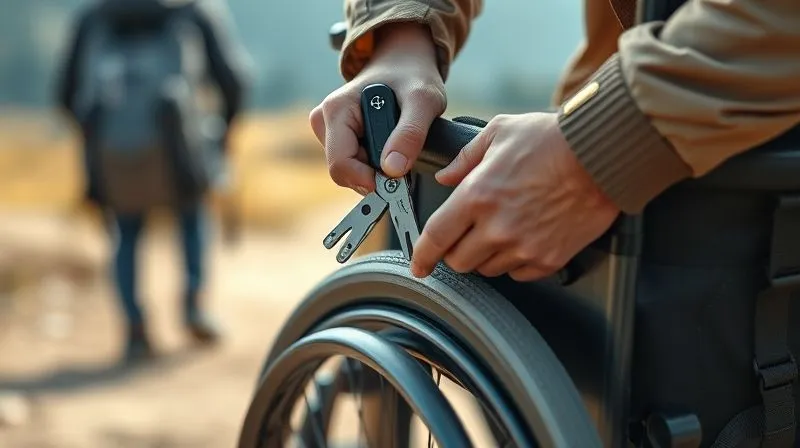
- Multi-tool: A versatile tool with screwdrivers, pliers, and other essential functions.
- Allen Wrenches: A set of Allen wrenches in various sizes to tighten or loosen bolts.
- Spare Parts: Carry essential spare parts like fuses, inner tubes (if applicable), and small replacement components specific to your aid.
- Duct Tape and Zip Ties: These can be used for temporary fixes and securing loose parts.
- Lubricant: A small can of lubricant to keep moving parts functioning smoothly.
- Tire Repair Kit (if applicable): For pneumatic tires, a patch kit and small pump can be invaluable.
Important: Check airline regulations regarding carrying tools and spare parts in your carry-on or checked luggage. Some items may be restricted.
Researching Repair Services Before You Go
Before you embark on your trip, take the time to research mobility aid repair services in the areas you'll be visiting. This proactive approach can save you valuable time and stress if you encounter a problem. I've helped many travelers create a list of potential repair shops, and it always provides peace of mind.
- Online Search: Use search engines like Google to find local mobility aid repair shops. Use specific keywords like "wheelchair repair [city name]" or "scooter service [city name]".
- Disability Organizations: Contact disability organizations or advocacy groups in your destination country for recommendations. They often have local resources and contacts.
- Hotel Concierge: Ask your hotel concierge for assistance in locating repair services. They may have established relationships with local providers.
- Mobility Aid Manufacturers: Check the manufacturer's website for authorized service centers or dealers in your destination country.
Compile a list of potential repair shops, including their contact information, address, and hours of operation. Keep this list readily accessible, both in printed form and on your phone or tablet. Consider creating a simple spreadsheet to keep the information organized.
| City | Repair Shop | Phone | Address | Notes |
|---|---|---|---|---|
| Paris | ABC Mobility | +33 1 23 45 67 89 | 10 Rue de Rivoli, 75001 Paris | Specializes in wheelchair repairs |
| Rome | Roma Scooters | +39 06 98 76 54 32 | Via del Corso, 123, 00187 Rome | Offers scooter rental and repair services |
Understanding Your Travel Insurance Coverage
Comprehensive travel insurance is essential for any trip, but it's especially important for travelers with disabilities. Make sure your policy covers mobility aid repairs or replacement in case of damage or theft. I've seen too many travelers caught off guard by unexpected costs because they didn't understand their insurance coverage.
- Read the Fine Print: Carefully review your policy to understand what is covered and what is excluded. Pay attention to any limitations or deductibles.
- Confirm Coverage: Contact your insurance provider to confirm that your mobility aid is specifically covered. Ask about the process for filing a claim and what documentation is required.
- Consider Supplemental Insurance: If your existing policy doesn't provide adequate coverage, consider purchasing supplemental insurance specifically for mobility aids.
Important: Keep a copy of your insurance policy and contact information with you at all times. In the event of a breakdown, you'll need to be able to quickly access this information.
Communicating Your Needs Effectively
When seeking assistance with mobility aid repairs in a foreign country, clear and effective communication is crucial. Language barriers can sometimes make it challenging to explain the problem and understand the proposed solutions. I always advise my clients to prepare some basic phrases in the local language.
- Learn Basic Phrases: Learn essential phrases related to mobility aid repairs, such as "My wheelchair is broken," "I need a repair shop," and "Can you help me?"
- Use Visual Aids: Prepare diagrams or photos of your mobility aid to help explain the problem to repair technicians.
- Enlist a Translator: If possible, enlist the help of a translator to facilitate communication. Many hotels and tourist information centers offer translation services.
- Be Patient and Polite: Remember that cultural differences may affect communication styles. Be patient, polite, and respectful, even if you're feeling frustrated.
Case Study: Sarah, a wheelchair user traveling in Italy, experienced a flat tire on her wheelchair. She had learned a few basic Italian phrases and used a picture of her wheelchair to explain the problem to a local shop owner. The shop owner, although not a mobility aid specialist, was able to help her find a nearby bicycle repair shop that could fix the tire. Sarah's proactive communication skills saved her a lot of time and hassle.
Temporary Solutions and DIY Repairs
Sometimes, a professional repair may not be immediately available. In such cases, it's helpful to know some temporary solutions and DIY repair techniques to keep your mobility aid functioning until you can get it properly fixed. But remember, safety first! Do not attempt repairs beyond your skill level.
- Tire Repair: For flat tires, use a patch kit or tire sealant to temporarily fix the leak.
- Loose Screws: Tighten loose screws with a screwdriver or Allen wrench.
- Broken Cables: Secure broken cables with duct tape or zip ties.
- Bent Frames: If a frame is bent, try to gently straighten it using pliers or a similar tool. Be careful not to cause further damage.
Important: These are only temporary solutions. Seek professional repair as soon as possible to ensure the long-term safety and reliability of your mobility aid.
Leveraging Local Resources and Support Networks
Don't be afraid to ask for help from local resources and support networks. Many countries have organizations and services dedicated to assisting travelers with disabilities. These resources can provide valuable information, assistance, and support.
- Disability Organizations: Contact disability organizations in your destination country for information on local repair services, accessible transportation, and other resources. The US Department of Health and Human Services is a good place to start for resources.
- Tourist Information Centers: Visit tourist information centers for assistance in locating repair shops and other services.
- Online Forums and Communities: Join online forums and communities for travelers with disabilities. These platforms can provide valuable tips, advice, and support from fellow travelers. Forbes often publishes articles on accessible travel.
Remember, you're not alone. There are many people and organizations willing to help you navigate your travels with a mobility aid.

Documenting and Reporting Damage for Insurance Claims
If your mobility aid is damaged or stolen, it's important to document the incident thoroughly and report it to your insurance provider as soon as possible. Proper documentation will streamline the claims process and increase your chances of a successful claim.
- Take Photos: Take detailed photos of the damage to your mobility aid.
- Obtain a Police Report: If your mobility aid was stolen or damaged due to a crime, file a police report.
- Gather Repair Estimates: Obtain written estimates from qualified repair shops for the cost of repairs.
- Keep Receipts: Keep all receipts for repair costs, replacement parts, and other expenses related to the incident.
Submit all documentation to your insurance provider along with your claim form. Follow up regularly to check on the status of your claim. According to a study by Travelers Insurance, proper documentation can speed up the claims process by up to 50%.
Frequently Asked Questions (FAQ)
What if I can't find a specialized mobility aid repair shop in a remote area? In remote areas, consider contacting general mechanics or bicycle repair shops. They may be able to assist with basic repairs or modifications. Also, reach out to local community centers or disability organizations for assistance.
How can I transport my mobility aid safely on public transportation? When using public transportation, ensure your mobility aid is properly secured and doesn't obstruct pathways. Inform transportation staff of your needs and ask for assistance if required. Research accessible transportation options in advance.
What are the airline regulations regarding mobility aid batteries? Airline regulations regarding mobility aid batteries can vary. Contact your airline in advance to confirm their specific requirements for battery type, packaging, and transportation. Some batteries may need to be removed and carried in the cabin.
Can I rent a mobility aid at my destination if mine is irreparable? Yes, renting a mobility aid at your destination is often a viable option. Research rental companies in advance and book your rental equipment before you travel. Ensure the rental equipment meets your specific needs and requirements.
What if my mobility aid is damaged during air travel? If your mobility aid is damaged during air travel, report the damage to the airline immediately. File a claim with the airline and your travel insurance provider. Obtain written documentation of the damage and the airline's acknowledgement of the claim.
Recommended Reading
- Boost Resort Child Program Profits: 7 Proven Strategies for Success
- 7 Proven Steps: How to Reliably Vet Truly Barrier-Free Accessible Travel?
- Deep Dive Abroad: How Busy Professionals Master Cultural Immersion
- 7 Ways to Find Unique, High-Value Client Gifts on City Breaks?
- Unlock Your Dream: How to Afford Long-Term Volunteer Travel Abroad
Main Points and Final Considerations
- Plan Ahead: Inspect your mobility aid, create a repair kit, and research repair services before you travel.
- Understand Your Insurance: Ensure your travel insurance covers mobility aid repairs or replacement.
- Communicate Effectively: Learn basic phrases, use visual aids, and enlist a translator if needed.
- Leverage Local Resources: Contact disability organizations, tourist information centers, and online communities for assistance.
- Document Everything: Take photos, obtain police reports, and keep receipts for insurance claims.
Traveling with a mobility aid requires careful preparation, but it's absolutely achievable. By following these expert strategies, you can minimize the risk of breakdowns and handle any unexpected repairs with confidence. Don't let the fear of the unknown hold you back from exploring the world. Embrace the adventure, knowing that you're well-prepared to overcome any challenges that may arise. Remember, accessible travel is possible, and with a little planning, you can enjoy a worry-free and unforgettable experience.





Your email address will not be published. Required fields are marked *