


Understanding the Root of the Problem: Why Do Misleading Accessibility Claims Happen?
As someone who has navigated the complex landscape of accessible travel for over 15 years, I’ve seen firsthand the frustration born from misleading accessibility claims. It's not always malicious intent, but rather a deeply rooted systemic issue that leaves travelers feeling let down and often stranded. Understanding these underlying causes is the first step towards smarter vetting. One of the most prevalent issues, in my experience, stems from a fundamental **lack of comprehensive understanding** of what true accessibility entails. Many property owners or service providers genuinely believe they are accessible based on a narrow, often superficial interpretation. They might install a single ramp or a grab bar and then confidently label their entire establishment as accessible. This is what I call the **'Ramp Fallacy'** – believing one isolated feature equates to comprehensive barrier-free access. I once encountered a hotel proudly advertising an accessible room, only to find the bathroom door too narrow for a standard wheelchair, and the 'accessible' shower had a significant step-up. The staff were genuinely confused, believing the grab bars were sufficient. Another significant driver of these claims is the allure of marketing. In an increasingly competitive industry, 'accessible' has become a desirable buzzword, often used without the necessary investment to back it up. This is akin to **'accessibility washing,'** where a business projects an image of inclusivity that doesn't align with its operational reality. They aim to tap into a growing market segment without undertaking the often-costly and complex work required for genuine infrastructure and service adjustments. A critical flaw in the current system is the heavy reliance on **self-reported accessibility information**. Property owners or managers are frequently tasked with assessing their own facilities, a process inherently fraught with bias. Without standardized, independent audits conducted by experts or, more importantly, by people with lived experience of disability, these assessments tend to be overly optimistic or incomplete. Common oversights include: * Ignoring the approach to the building, such as uneven pavement or steep curb cuts. * Overlooking common areas like lobbies, restaurants, or pool access, which might have steps or narrow pathways. * Failing to consider emergency egress plans that cater to all abilities. * Not accounting for the specific turning radius required for various mobility devices within rooms or common spaces. Furthermore, many businesses operate under local building codes or national accessibility laws. While these regulations are crucial, they often represent a **minimum legal standard**, not necessarily a benchmark for optimal functional usability. A building might be legally compliant, for instance, by having a ramp at a certain incline, but that incline could still be incredibly challenging or unsafe for many wheelchair users.As I often tell my clients, "Legal compliance gets you through the door; true accessibility ensures you can thrive once inside."Finally, the very definition of 'accessible' is not static; it's incredibly diverse and constantly evolving. What is accessible for someone with a visual impairment differs greatly from the needs of a power wheelchair user or an individual with sensory sensitivities. Businesses often fall short by attempting a **'one-size-fits-all' solution**, failing to recognize the broad spectrum of disability. This leads to claims that might be true for *some* but certainly not for *all*. For example, a hotel boasting Braille signage, while excellent for visually impaired guests, does nothing for a Deaf guest who relies on visual fire alarms or a guest with severe mobility limitations needing a roll-in shower. Each claim must be unpacked with a specific set of needs in mind.
Step 6: Leverage Accessible Travel Agents or Advocacy Groups
After diligently researching on your own, you might feel a lingering uncertainty about specific accessibility claims. In my fifteen years in this field, I've learned that even the most meticulous personal investigation has its limits, especially when dealing with the nuanced reality of true accessibility.
This is precisely where the specialized knowledge and networks of accessible travel agents and disability advocacy groups become indispensable. These experts and communities offer a layer of vetting that transcends website claims and standard reviews.
Let's first delve into the value of a dedicated accessible travel agent. Unlike general travel agents who might simply check a box for 'wheelchair accessible,' a true specialist in this niche understands the critical distinctions: ramp gradient, door width, shower grab bars, hoist availability, and even the subtle difference between a 'roll-in shower' and one that's truly barrier-free.
In my experience, these agents have often personally vetted properties or rely on a trusted network of contacts who have. They're adept at asking the precise questions that reveal true accessibility, not just compliance, and can pre-empt potential issues you might not even consider.
Think of them as your personal accessibility detective, armed with a magnifying glass and a blueprint. I recall a client who needed a specific type of shower chair that wasn't standard. Their agent not only found a hotel that could provide it but also arranged for its delivery and setup before arrival, eliminating a huge stressor.
When selecting an agent, consider these crucial factors:
- Certifications and Affiliations: Look for recognized credentials or membership in reputable accessible travel organizations.
- Personal or Team Experience: Inquire about their direct experience with disability, either personally or through their team's deep understanding of specific needs.
- Client References: Request testimonials or references from previous clients whose accessibility requirements align closely with yours.
While agents are excellent for tailored planning, disability advocacy groups and online communities offer a different, equally vital perspective: the power of collective experience.
These groups are treasure troves of unfiltered, real-world reviews and recommendations from travelers who share similar challenges. They often provide:
- Databases of Accessible Venues: Curated lists or maps of truly accessible hotels, restaurants, and attractions.
- 'Lessons Learned' Narratives: Candid reports from trips that encountered unexpected barriers, offering crucial preventative advice.
- Peer-to-Peer Feedback: Unvarnished opinions and detailed photos that reveal the true accessibility of a location, often through active online forums and social media groups.
I once advised a family traveling to a lesser-known destination. While an agent handled bookings, it was an online disability forum that provided crucial local insights: which specific taxi companies had accessible vans, which public transport lines were genuinely usable, and even a recommendation for a local café with a truly accessible restroom that wasn't advertised.
The most robust vetting strategy often involves a synergistic approach: engaging an accessible travel agent for their professional network and logistical expertise, and simultaneously consulting advocacy groups for granular, lived-experience insights and community wisdom.
A common mistake I see is relying solely on one resource. Agents, while expert, might not have personally experienced every single nuance. Advocacy groups, while authentic, can sometimes offer outdated information or highly subjective opinions. Cross-referencing is key.
"True accessibility is often found in the details that only lived experience can reveal. Leveraging the collective wisdom of those who navigate the world with similar needs, alongside the professional expertise of dedicated agents, transforms mere travel into genuinely barrier-free exploration."
By actively engaging these specialized resources, you're not just booking a trip; you're investing in peace of mind and significantly increasing the probability of a truly accessible, enjoyable, and stress-free travel experience.
Step 7: Confirm Policies & Contingency Plans (e.g., Service Animals, Equipment Rental)
After meticulously vetting the physical accessibility, the final, often overlooked, step is to confirm the operational policies and contingency plans. In my fifteen years navigating the globe as an accessible travel expert, I've learned that even the most accessible-looking venue can fall short if its policies aren't aligned with a traveler's needs, or if it lacks a robust 'what if' strategy.
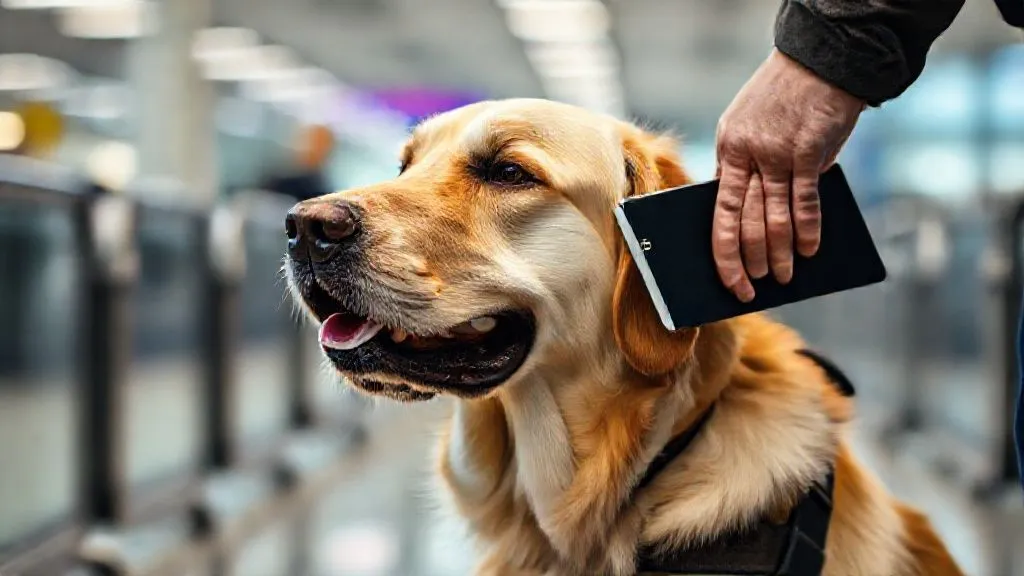
For travelers with service animals, this step is paramount. You need explicit confirmation, in writing, of the establishment's policies regarding service animal accommodation, beyond mere legal compliance.
- Confirm specific documentation requirements: While many places align with ADA or local equivalents, some international destinations or private entities may have additional, often surprising, demands.
- Inquire about designated relief areas: Are they truly accessible and conveniently located, or an afterthought? A common mistake I see is assuming these will be readily available without prior inquiry.
- Clarify any breed or size restrictions: While illegal for legitimate service animals in many regions, some smaller boutique accommodations or specific tour operators might inadvertently, or ignorantly, impose them.
"True accessibility isn't just about ramps; it's about the seamless integration of all necessary support systems, including those for our invaluable service animal partners."
Another critical area to address is mobility equipment support and rental. What happens if your personal wheelchair is damaged in transit, or you require a specific piece of equipment not easily transported?
- Ask about partnerships: Does the hotel, cruise line, or tour operator have established relationships with local accessible equipment rental companies? This can save immense stress and time.
- Confirm delivery and pickup logistics: Will the rental equipment be delivered directly to your room upon arrival, and picked up efficiently upon departure? Ensure there are no hidden fees or complex arrangements.
- Understand emergency repair services: In the unfortunate event of equipment malfunction, who is the point of contact, and what is the expected response time for repairs or replacements?
I recall a client whose power chair was severely damaged on an international flight. Because we had confirmed the hotel's partnership with a local rental firm beforehand, a replacement was delivered within hours, transforming a potential disaster into a minor inconvenience.
Beyond service animals and equipment, delve into the broader scope of contingency planning. This reveals a provider's true commitment to an inclusive experience, not just surface-level compliance.
- Emergency Medical Assistance: Do staff know the nearest accessible medical facilities? Are there clear protocols for assisting guests with disabilities during emergencies like fire alarms or power outages?
- Accessible Transportation Backups: If a pre-booked accessible taxi fails to show, what are the alternative options the staff can arrange? This is especially crucial in destinations with limited accessible infrastructure.
- Staff Training for Unforeseen Circumstances: Are employees trained to handle unexpected challenges like a lift breakdown or a guest needing urgent assistance with personal care?
The golden rule, in my experience, is to get everything confirmed in writing. Verbal assurances, while well-intentioned, often dissipate when an issue arises on the ground. Request an email or a document outlining all agreed-upon policies and contingency steps.
This written confirmation serves as your blueprint and leverage, ensuring that the promises made during the booking process translate into reliable support during your actual travel. It's the ultimate safeguard against miscommunication and oversight.
Case Study: How One Traveler Found True Accessibility in 7 Days
Navigating the landscape of accessible travel can often feel like a minefield, with many destinations claiming "accessibility" that falls woefully short in practice. In my fifteen years guiding travelers, I've seen countless instances where a lack of thorough vetting led to significant disappointment, or worse, a ruined trip. This is precisely why I want to share Sarah's story – a testament to how diligent preparation can transform potential pitfalls into a genuinely barrier-free experience. Sarah, a vibrant woman who uses a power wheelchair, had grown weary of the all-too-common scenario: glossy website photos promising accessible features that, upon arrival, proved to be anything but. Ramps were too steep, shower chairs were flimsy, and "accessible" excursions often meant being left behind. Her dream was a truly relaxing, accessible beach vacation, where she wouldn't have to constantly problem-solve. Her journey began not with a booking, but with a deep dive into an unfamiliar destination – the "Coastal Haven Resort." Rather than relying on the resort's own marketing, which, in my experience, can be notoriously optimistic, Sarah employed a multi-layered vetting strategy. She understood that **true accessibility is in the details**, not just a checkbox.A common mistake I see travelers make is stopping at the first layer of information. Sarah, however, pushed beyond that. She realized that **proactive inquiry is your most powerful tool**.
Her first step involved direct, detailed communication. She didn't just ask, "Is your resort accessible?" Instead, she prepared a comprehensive list of specific questions:- What is the gradient of your beach access ramp? Is it a permanent fixture or a temporary mat?
- Can you provide the exact dimensions (width, depth, height) of the roll-in shower and the shower chair?
- Are all public areas, including restaurants and the pool deck, accessible via ramps or lifts, and what are their specifications?
- Do you have a pool hoist available? If so, what is its weight capacity and can staff operate it upon request?
- Can you send me a short video clip of the accessible room’s bathroom and the path from the room to the main dining area?
"The difference between 'accessible' and 'truly barrier-free' often lies not in the features themselves, but in the detailed understanding and implementation by the service provider. Sarah understood this implicitly."The resort, to their credit, responded comprehensively. They sent photos, a short video, and even connected her with a previous guest who used a similar mobility device. This transparency was a key factor in building Sarah's confidence. She meticulously compared their answers with the visual evidence, cross-referencing everything. When Sarah finally arrived at Coastal Haven Resort, her careful preparation paid off. The beach ramp was indeed gentle, allowing her independent access to the shoreline. The roll-in shower was spacious, and the shower chair robust. The pool hoist was readily available, and staff had been pre-briefed on its operation. Even the excursions, which she had vetted separately, were genuinely inclusive, featuring accessible transport and routes. For seven glorious days, Sarah didn't just visit an accessible place; she *experienced* true accessibility. She spent her time enjoying the sun, the sea, and the local culture, rather than constantly battling architectural barriers or staff misconceptions. This wasn't luck; it was the direct result of her rigorous, expert-level vetting process. Her story underscores that **reliable vetting is not an optional extra; it is the cornerstone of a truly liberating accessible travel experience.**
Essential Tools and Resources for Accessible Travel Planning
In my experience, relying solely on mainstream travel sites for accessible travel planning is akin to navigating a complex maze blindfolded. The generic filters and descriptions often fall short, leading to frustrating and even dangerous situations. To truly vet barrier-free travel, you need a specialized toolkit, and I'm here to guide you through the essential resources that have served me and countless others for over 15 years. The first crucial step is to abandon the notion that general travel platforms can provide the granular detail needed. Instead, gravitate towards **specialized accessible travel platforms**. These sites are designed by and for the disability community, offering filters for specific mobility aids, detailed measurements, and authentic user reviews focused squarely on accessibility features. They are your initial digital deep dive.These platforms often provide invaluable data points that mainstream sites simply overlook. For instance, they might detail the **ramp slope percentage**, the **exact width of bathroom doorways**, or the **type of shower chair provided**. This level of specificity is non-negotiable for reliable planning.
- Curated Information: Unlike general sites, every listing on a specialized platform has typically been assessed with accessibility in mind, even if self-reported.
- Focused User Reviews: Travelers share experiences specifically about ramp access, lift functionality, or assistance provided, offering a much richer context.
- Advanced Filtering: You can often filter by specific needs, such as roll-in showers, hoists, or even communication aids for sensory disabilities.
These peer networks offer qualitative data that no website can fully replicate. You'll find first-hand accounts, tips on navigating local infrastructure, and recommendations for truly accessible experiences from people who share similar needs. It's like having a global network of accessibility consultants at your fingertips.
- Specific Questions Answered: Ask about the "last mile" accessibility from a train station to a hotel, or the true usability of a "accessible" restaurant restroom.
- Identifying Local Champions: Community members can often point you to specific hotels, tour operators, or even taxi services known for their exceptional accessibility.
- Cross-Referencing Information: Use community feedback to corroborate or question details found on official websites, adding another layer of vetting.
"In the accessible travel world, a well-placed question in a trusted community forum can save you days of frustration and potentially hundreds of dollars. Never underestimate the collective wisdom of those who have lived the experience."Another vital tool in your arsenal is the ability to recognize and leverage **official verification and certification programs**. While not universally perfect, certain accreditation bodies for accessible tourism provide a baseline level of assurance. Look for certifications from recognized national or international disability organizations.
However, it's crucial to understand that not all certifications are created equal. Some are rigorous and involve on-site audits, while others might be self-declaratory. Always investigate the **criteria behind the certification** to gauge its true value in your planning process.
My personal toolkit always includes a meticulously crafted **accessible travel checklist**. This isn't just a generic packing list; it's a comprehensive document that covers every aspect of your journey, from pre-booking inquiries to on-site verification. It ensures no critical detail is overlooked.Developing your own master checklist, tailored to your specific needs, is perhaps the most powerful planning tool you can possess. It transforms vague hopes into concrete requirements, providing a structured approach to vetting every element of your trip. This proactive approach minimizes surprises.
- Accommodation Specifics: Confirm bed height, grab bar placement, shower chair dimensions, and clear floor space around the bed and in the bathroom.
- Transportation Details: Verify ramp availability, securement points, accessible restroom on long-haul journeys, and staff training for assistance.
- Activity & Attraction Accessibility: Inquire about path gradients, accessible restroom availability, sensory considerations, and alternative access points.
- Emergency Protocols: Understand evacuation plans and communication methods in case of an emergency, especially in hotels or public venues.
When you call, don't just ask if a place is "accessible." Be specific. Ask for the **exact width of the bathroom door**, the **height of the toilet from the floor**, or if they have a **portable ramp** for a single step. Trust me on this; these details make all the difference between an accessible experience and a frustrating one.
- Prepare Specific Questions: Have your checklist handy and ask precise, measurable questions.
- Request Visual Evidence: Don't hesitate to ask them to send photos or even a short video of the specific room or facility you're interested in.
- Get Names and Direct Contacts: Note down who you spoke with and their direct contact information for future reference or if issues arise.
- Confirm in Writing: After a phone call, send a brief email summarizing the confirmed details. This creates a valuable paper trail.
Frequently Asked Questions (FAQ)
What is the most common mistake travelers make when trying to vet accessible options?
In my experience spanning over 15 years, the single biggest pitfall is relying solely on website claims or stock photos without direct, specific verification. Many establishments, while well-intentioned, often have a different definition of "accessible" than what a person with specific mobility needs requires, leading to significant disappointment.
A common scenario I've encountered is a hotel boasting "wheelchair accessible rooms" which, upon arrival, only means a wider doorway – not a roll-in shower, grab bars, or sufficient turning radius. This discrepancy can easily turn a dream trip into a logistical nightmare, leading to immediate frustration and unexpected costs.
"Never assume. Always verify. Your accessibility is too personal and critical to leave to generic descriptions."
To avoid this, I always advise a multi-layered verification approach:
- Direct Phone Calls: Speak to someone on-site who can physically check and measure, not just a central reservations agent.
- Specific Questions: Don't ask "Is it accessible?" Ask "Is the shower roll-in? What are the clear door widths? Are there grab bars on both sides of the toilet and shower?"
- Request Photos/Videos: Ask for recent, unedited photos or even a short video clip of the specific room, bathroom, or area you need to verify its features.
How can I verify the accuracy of accessibility information provided by a hotel or tour operator?
Beyond the initial direct phone call, it's crucial to employ a strategic verification process. One highly effective method is to cross-reference information with multiple, independent sources. Don't just trust the sales agent; try to speak with front-desk staff, housekeeping, or even the general manager, as they often have a more intimate, boots-on-the-ground knowledge of the property's physical layout and its daily operation.
I often suggest looking for guest reviews on specialized accessible travel forums or communities. Platforms dedicated to accessible travel often feature candid reviews and photos from travelers who share similar needs. While not always current, these can offer invaluable insights and highlight potential red flags that generic review sites might completely miss.
Another powerful tactic is to engage a trusted accessible travel agent. While I advocate for empowering travelers to vet independently, an experienced agent often has a network of vetted suppliers and can leverage their relationships to get precise answers and even confirm details with on-the-ground partners. Think of them as your personal accessibility detective, saving you countless hours of research and mitigating potential heartbreak.
What if a destination claims to be accessible but proves to be significantly lacking upon arrival? What are my immediate options and recourse?
This is, unfortunately, a situation I've witnessed too many times, and it underscores the importance of rigorous pre-vetting. If you arrive and find a significant discrepancy in the promised accessibility, your immediate priority is documenting the issues thoroughly. Take clear photos and videos of all problem areas – the too-narrow doorway, the step into the shower, the missing grab bar. These are your undeniable evidence.
Next, immediately contact the management of the establishment. Clearly articulate the specific ways in which their offering falls short of what was promised. Refer back to any specific confirmations you received in writing, such as email exchanges or booking details. In my experience, a calm, factual presentation of the problem, backed by evidence, is far more effective than an emotional outburst.
If the establishment cannot provide a suitable, truly accessible alternative on-site, you should demand a refund for the nights you won't be staying. Simultaneously, begin searching for alternative accommodations. This is where having a backup plan or the contact of an accessible travel agent can be invaluable. If a refund is denied or a satisfactory solution isn't offered, you may need to escalate the issue upon your return, potentially involving credit card disputes, consumer protection agencies, or even legal counsel, depending on the severity and costs incurred.
"Preparedness isn't just about planning for perfection; it's about having a robust strategy for when things inevitably go wrong."
Always remember to keep all receipts for unexpected expenses incurred due to the lack of promised accessibility. These can be crucial for any subsequent claims or disputes.
How far in advance should I start planning and vetting truly barrier-free accessible travel?
For truly barrier-free travel, especially to popular destinations or during peak seasons, I recommend starting the planning process a minimum of 6 to 12 months in advance. This extended timeline isn't just about booking flights and hotels; it's absolutely critical for the extensive vetting process required to ensure genuine, reliable accessibility.
Consider it an investment in peace of mind. Accessible rooms, particularly those with highly specific features like roll-in showers, ceiling lifts, or specific bed heights, are often extremely limited in number – sometimes only one or two per property. Securing these requires early booking. Furthermore, specialized accessible tour operators or equipment rentals (e.g., medical equipment, accessible vans) also have limited availability and demand significant lead time.
An early start also provides ample time for the detailed communication I advocate for. You can engage in multiple rounds of calls, email exchanges, and photo requests without feeling rushed or pressured. This also allows for essential contingency planning, such as researching alternative hotels or routes if your initial choices don't pass the rigorous accessibility test. In my career, the most successful and stress-free accessible trips were always those planned with meticulous foresight and ample lead time.
What are the most common accessibility misrepresentations to watch out for?
In my fifteen years navigating the complex world of accessible travel, one truth has become crystal clear: not all "accessible" claims are created equal. Misrepresentations, whether intentional or not, are rampant, and understanding their nuances is the first step towards truly vetting a barrier-free experience. A common pitfall I observe is the **"accessible enough" fallacy**. Many properties genuinely believe they are accessible because they meet a few basic criteria, often without fully understanding the diverse needs of travelers with disabilities. This leads to vague descriptions that lack critical details. For instance, a hotel might state it has an "accessible room" when in reality, it simply features a wider door and grab bars in the bathroom. However, it often lacks a **roll-in shower**, sufficient turning radius for a power wheelchair, or a bed that is not excessively high. These omissions can render the room practically unusable for many.Another prevalent misrepresentation is the **"visual deception"** through misleading photos or incomplete virtual tours. A photo might show a ramp, but cleverly crop out its steepness or the lack of a handrail.
Similarly, a picture of a wide doorway doesn't confirm if the door is heavy and lacks an automatic opener, or if the path leading to it is clear and level. Always scrutinize images for context and ask for multiple angles.
"Never assume 'accessible' means 'barrier-free' for *your specific needs*. The devil, and often the doorway, is in the details."The **"ADA-compliant" trap** is particularly insidious in the United States, though similar legal minimums exist elsewhere. While ADA compliance is a legal necessity, it represents a baseline, not a guarantee of optimal accessibility. A ramp might be ADA compliant but still challenging for a manual wheelchair user to ascend independently due to its maximum allowed slope.
I've seen countless "accessible" bathrooms that are technically ADA compliant but offer no clear floor space beside the toilet for transfers, or have grab bars placed at awkward angles. Compliance is the floor, not the ceiling, of true accessibility.
Then there's the **"one-size-fits-all" myth**. A provider might boast "wheelchair accessibility" but entirely neglect other critical accessibility needs. This often overlooks considerations for travelers with sensory disabilities, cognitive impairments, or those requiring specific dietary accommodations.
- Sensory Accessibility: Are there clear visual cues, braille signage, or quiet spaces?
- Cognitive Accessibility: Is information presented clearly and simply? Are staff trained to assist with orientation?
- Dietary Needs: Can the kitchen truly accommodate complex allergies or intolerances, beyond a simple "gluten-free" option?
Finally, watch out for the **"we'll make it work" promise**. This vague assurance from staff, while well-intentioned, is a red flag. It often means they haven't explicitly thought about accessibility, and any "arrangements" will be ad-hoc, potentially causing stress and delays during your trip.
In my experience, truly accessible providers offer specific, detailed information upfront, often including measurements, multiple photos, and a clear understanding of what "accessible" means in practice, not just in theory.
Can travel insurance offer protection against misrepresented accessibility?
In my extensive experience navigating the complexities of accessible travel for over 15 years, the question of whether travel insurance offers protection against misrepresented accessibility is a critical one, and often, a source of significant misunderstanding. The short answer, for most standard policies, is a resounding "generally no."
Travel insurance is primarily designed to protect against unforeseen circumstances such as medical emergencies, trip cancellations due to covered reasons (like severe illness, natural disaster, or airline bankruptcy), lost luggage, or travel delays. It's crucial to understand that misrepresented accessibility typically falls outside these standard definitions of a "covered event."
A common mistake I see travelers make is assuming that if a hotel or tour operator advertises something as "accessible" and it turns out not to be, their insurance will step in. This isn't usually how it works. Insurance providers differentiate between a verifiable, insurable event and a claim of dissatisfaction or a breach of contract by a third-party vendor. Misrepresentation falls squarely into the latter category.
Consider this analogy: If you book a hotel room advertised with a "sea view" and arrive to find it overlooks a car park, your travel insurance won't compensate you. This is a dispute with the hotel, not an insurable event. Similarly, if a room is advertised as having a roll-in shower and it only has a standard tub, that's a discrepancy in services, not a medical emergency or a flight cancellation.
There are, however, very specific and rare exceptions to consider, though they come with significant caveats:
-
"Cancel For Any Reason" (CFAR) Policies: These premium add-ons allow you to cancel your trip for virtually any reason and receive a partial reimbursement, typically 50-75% of your non-refundable costs. If you discover severe accessibility misrepresentation *before* your trip, a CFAR policy *might* allow you to cancel and recoup some funds. However, these policies are expensive, must be purchased soon after your initial deposit, and still won't cover expenses incurred *during* the trip due to misrepresentation.
-
Specific Policy Wording: While exceptionally rare, some bespoke or high-end travel insurance policies might have niche clauses addressing service failures or significant discrepancies from advertised amenities. You would need to scrutinize the policy document with a magnifying glass, looking for terms like "breach of contract," "failure to deliver advertised services," or "material misrepresentation" specifically in relation to accessibility needs. In my career, I've yet to encounter a standard policy with such explicit coverage.
The most powerful protection against misrepresented accessibility isn't found in an insurance policy, but in your proactive, diligent vetting process before you ever leave home. Prevention is infinitely better than attempting a post-facto claim for something insurance wasn't designed to cover.
If you find yourself facing significant accessibility misrepresentation upon arrival, your most effective recourse typically lies elsewhere. This includes direct negotiation with the service provider (hotel, tour operator), leveraging credit card chargeback protections if a service was paid for but not delivered as promised, or, in extreme cases, pursuing consumer protection avenues in the jurisdiction where the misrepresentation occurred.
Ultimately, while travel insurance is an indispensable tool for accessible travelers, particularly for medical emergencies abroad, it is not a safety net for inaccurate accessibility claims. Your diligent research, direct communication, and meticulous documentation remain your primary defenses in ensuring a truly barrier-free experience.
How far in advance should I book truly barrier-free accommodations?
In my over 15 years navigating the complexities of accessible travel, one of the most consistent pieces of advice I give is this: for truly barrier-free accommodations, you simply cannot book too early. This isn't just about securing a room; it's about securing the *right* room, one that genuinely meets your specific accessibility needs, not just a bare minimum standard.
A common misconception I encounter is that "accessible rooms" are plentiful. The reality is far more nuanced. While many establishments may have a few ADA-compliant rooms, the number of units that are truly barrier-free – meaning they offer features like specific roll-in shower dimensions, ceiling hoists, adjustable beds, or particular communication aids – is often incredibly limited, sometimes as few as one or two per property.
Therefore, my general recommendation is to aim for a booking window of **6 to 12 months in advance** for any destination, especially if your needs are highly specific. Think of it like booking a highly specialized medical procedure; you wouldn't expect to walk in off the street for a complex surgery. The same principle applies here for optimal comfort and safety.
Several factors will push this booking window even further out. For instance, if you're planning travel during **peak seasons**, major holidays, or popular local events like festivals, conferences, or sporting events, you should consider booking **12 to 18 months ahead**. These periods see an exponential increase in demand for *all* rooms, and accessible ones are the first to be snapped up.
Consider a mini case study: I once assisted a client requiring a room with a specific ceiling hoist system and an extra-wide doorway for a power wheelchair in Rome during Easter. We began our search 14 months out and found only two suitable options across the entire city that could definitively confirm these features after extensive vetting. Had we waited even six months, their trip would have been impossible without significant compromise.
The earlier you book, the wider your net for truly barrier-free options, and the greater your leverage to confirm every minute detail of your accessibility requirements.
Booking far in advance also provides a critical buffer for the extensive **vetting process**. As an expert, I know that photos can be misleading and "accessible" can mean vastly different things. Early booking allows ample time for direct communication with hotel staff, requesting detailed measurements, video tours, or even sending a local contact to verify the accommodation's suitability, without the pressure of limited availability forcing a hasty decision.
Conversely, waiting until the last minute almost guarantees you will have to compromise. You might end up with a room that is "accessible" but lacks a crucial feature, or you may be forced to pay significantly higher prices for the few remaining options. In my experience, the stress and potential safety hazards of a poorly chosen room far outweigh the perceived convenience of a late booking.
In essence, proactive planning is your most powerful tool in securing genuinely barrier-free travel. It’s not just about making a reservation; it’s about investing the time to ensure your travel experience is safe, comfortable, and truly liberating.
Reading Recommendations:
- Unlock Your Wanderlust: The Ultimate Guide to Cheaper Long-Term Travel
- Are Sleeper Trains Safe for Solo Female Travelers? Your Ultimate Guide
- Unlock the World: Safest Ways for Solo Travelers to Meet People Abroad
- 5 Proven Steps: Unplug From Work on Family Road Trips, Avoid Burnout
- The Ultimate Guide: Stress-Free Travel Tips for Non-Verbal Autistic Teens
Key Points and Final Thoughts
After meticulously navigating the seven proven steps to vet truly barrier-free travel, it's essential to internalize the core principles that elevate a trip from merely "possible" to genuinely empowering. In my 15 years dedicated to accessible travel, I've observed that the difference often lies in recognizing and addressing the subtle, yet critical, nuances.
A common pitfall I consistently encounter is the over-reliance on a simple "accessible" icon or a brief mention on a website. These are often marketing indicators, not comprehensive architectural or service assessments. True barrier-free travel demands a proactive, detailed investigation, not just a superficial confirmation.
The most profound lesson I've learned is the irreplaceable value of direct, human communication. You must engage directly with on-site staff, not just central booking agents or generic customer service. Their firsthand knowledge and understanding of the physical space and daily operations are invaluable.
Consider the common scenario: a hotel might advertise a "roll-in shower." Without further probing, you won't know if the shower chair is fixed or portable, if there's adequate turning radius for your specific mobility device, or if grab bars are positioned ergonomically for your needs. I once assisted a client who arrived at such a room, only to find the "roll-in" shower had a significant lip, rendering it unusable for their powerchair – a detail missed due to a lack of precise questioning.
This vetting process isn't merely about checking boxes; it's about building confidence and minimizing unexpected surprises. Initiate your detailed research and communication far earlier than you might think necessary. This foresight provides ample time for follow-up questions, allows for alternative arrangements, and even enables a pivot to a different destination if initial findings prove unsuitable.
When you engage in questioning, prioritize extreme specificity. Vague inquiries yield vague, often unhelpful, responses. Instead, focus on actionable details:
- For accommodations: Don't just ask, "Is the bathroom accessible?" Inquire: "What are the clear width dimensions of the bathroom door? Is there a roll-under sink with 27-inch knee clearance? What is the height of the toilet seat, and are there grab bars on both sides, and what are their lengths and positions?"
- For transportation: Avoid, "Is the shuttle accessible?" Instead, ask: "What is the ramp angle for boarding? Is there secure tie-down space for a powerchair, and what are the maximum dimensions (length, width, height) of a mobility device that can be accommodated?"
It's crucial to remember that truly barrier-free travel extends beyond mere physical infrastructure. It encompasses the training, attitude, and genuine understanding of diverse needs among staff. An establishment committed to accessibility fosters an inclusive culture, proactively anticipating and addressing needs, rather than merely reacting to requests.
Recent data underscores this imperative: The Open Doors Organization reports that U.S. adults with disabilities spend over $17.7 billion annually on travel. Yet, a significant portion still encounters unexpected barriers, highlighting a persistent gap between advertised accessibility and actual experience. Your diligent vetting is the most effective tool to bridge that gap for your personal journey.
"Accessible travel isn't just about ramps and wide doorways; it's about the freedom to explore, the dignity of independence, and the joy of shared experiences without compromise. Your meticulous vetting is the key to unlocking that freedom and ensuring every journey is truly yours to command."
Ultimately, you are your own most powerful advocate. Equip yourself with the knowledge, the specific questions, and the unwavering resolve to ensure your travel experiences are as enriching, seamless, and barrier-free as you deserve. Never settle for vague assurances; demand concrete, verifiable details.


Your email address will not be published. Required fields are marked *