

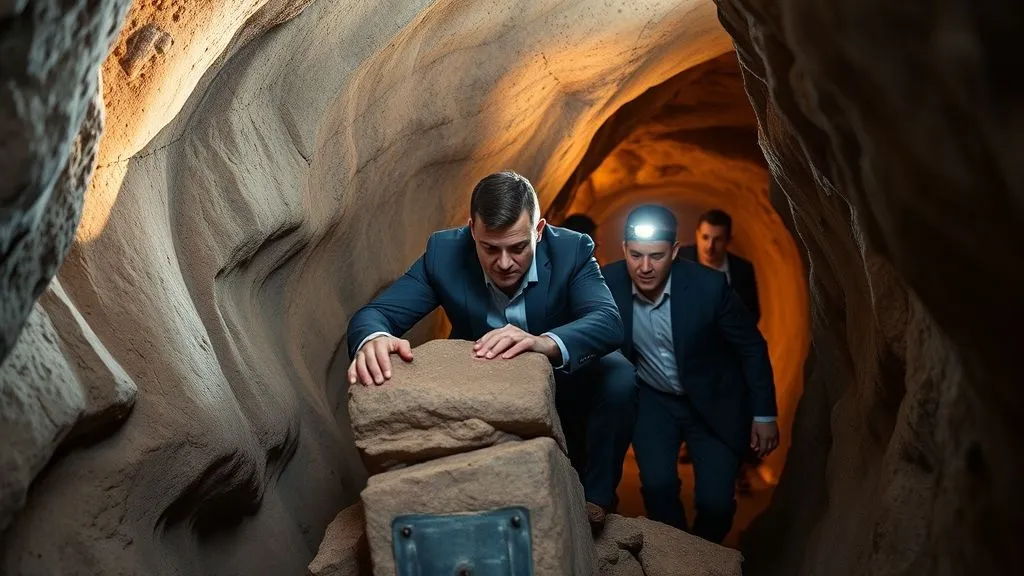
How to Justify ROI for Executive Team Building in Caving?
For over two decades in the adventure travel industry, I've had the privilege of witnessing extraordinary transformations. I've guided countless executive teams through challenging environments, from scaling mountain peaks to navigating dense jungles. But one of the most profound and often misunderstood arenas for leadership development is the subterranean world of caving. I've seen companies pour resources into generic team-building exercises, only to be met with skepticism when the inevitable question arises: "What was the return on this investment?"
This skepticism is valid. In today's lean, results-driven corporate landscape, every expenditure, especially those involving executive time and resources, must demonstrate tangible value. The unique, high-stakes nature of caving makes it an incredibly powerful crucible for forging stronger leadership, but it also presents a significant challenge: how to justify ROI for executive team building in caving? This isn't just about showing up; it's about proving that the investment wasn't just a 'perk' but a strategic imperative that directly impacts the bottom line.
In this definitive guide, I'll draw upon my extensive experience to provide you with a robust framework. We'll explore actionable strategies, define key metrics, and delve into real-world applications to help you confidently articulate and quantify the immense value that a well-executed caving expedition delivers for your executive team. You'll learn not just what to measure, but how to measure it, and crucially, how to present that data to secure future buy-in and demonstrate a clear return on investment.
Beyond the Buzz: Why Caving Transforms Executive Teams
Before we dive into the 'how to justify ROI for executive team building in caving?', let's first cement our understanding of why caving is such a potent tool. This isn't a walk in the park; it's an immersive, multi-sensory challenge that strips away corporate titles and forces genuine human interaction under pressure.
The Unique Demands of Executive Leadership
Executives operate in a world of constant change, ambiguity, and high stakes. They need to make critical decisions with incomplete information, lead diverse teams through uncertainty, and maintain composure when the pressure is immense. Traditional boardrooms often fail to replicate these conditions, leading to a disconnect between theoretical knowledge and practical application. Caving, however, does precisely that.
Here's how caving uniquely addresses executive development needs:
- Unparalleled Problem-Solving: Navigating complex passages, overcoming physical obstacles, and managing limited resources in a dark, unfamiliar environment demands creative and collaborative problem-solving.
- Enhanced Communication Under Pressure: Clear, concise, and empathetic communication becomes paramount when visibility is low and safety is a shared responsibility. Misunderstandings can have immediate consequences, forcing teams to refine their communication styles.
- Building Trust and Psychological Safety: Relying on teammates for physical safety and guidance in a challenging environment fosters deep trust. This translates directly to psychological safety back in the office, encouraging open dialogue and risk-taking.
- Leadership Agility and Adaptability: Plans often change underground. Executives must adapt quickly to new conditions, re-evaluate strategies, and lead their teams through unexpected challenges, honing their leadership agility.
- Resilience and Stress Management: Confronting claustrophobia, navigating confined spaces, and enduring physical exertion builds mental toughness and resilience, crucial traits for high-pressure corporate roles.
"The cave doesn't care about your job title. It cares about your ability to collaborate, communicate, and stay calm under pressure. That's where true leadership emerges." - My own observation from years of guiding.
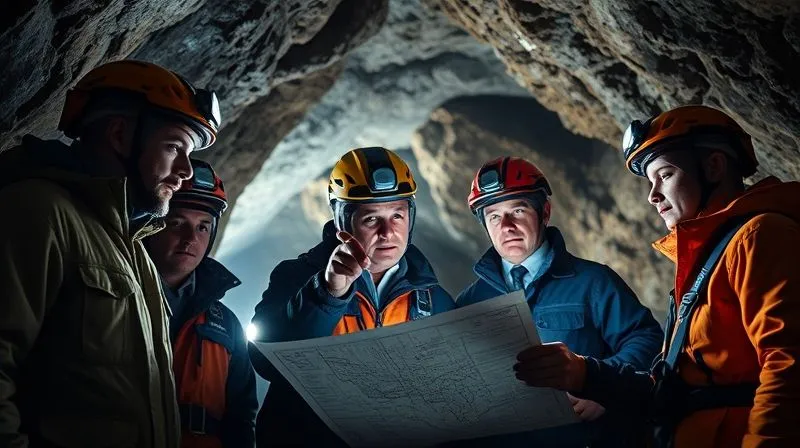
The ROI Challenge: Shifting Perception from Cost to Investment
The primary hurdle in justifying any non-traditional team-building initiative is often the perception of it as an expense rather than a strategic investment. This is particularly true for something as 'out-of-the-box' as caving. Your task isn't just to report numbers; it's to reframe the narrative.
Understanding the "Soft Skills" Dilemma
Many of the profound benefits of caving fall under the umbrella of 'soft skills' – communication, trust, resilience, leadership. These are notoriously difficult to quantify, yet they are increasingly recognized as the bedrock of high-performing teams and sustainable business growth. According to a Harvard Business Review article, companies are increasingly valuing soft skills, but often struggle to measure their impact directly.
My experience tells me that while the immediate outcomes of a caving trip might seem intangible, their long-term effects on team dynamics, decision-making efficiency, and overall executive effectiveness are profoundly real and ultimately measurable. The key is to connect these 'soft' outcomes to 'hard' business results.
"If you can't measure it, you can't improve it. But if you only measure what's easy, you'll miss what's truly valuable." - A principle I've lived by. Your job is to make the valuable measurable.
Phase 1: Pre-Caving Assessment – Laying the Foundation for Measurement
Justifying ROI begins long before you even pack your headlamp. The pre-caving assessment phase is absolutely critical. Without a clear understanding of your starting point and what you aim to achieve, demonstrating progress becomes impossible. This is where you establish your baseline and define success.
Defining Clear Objectives and KPIs
Before a single executive steps into a cave, you must clearly define the specific objectives for the team-building exercise. These objectives should be SMART: Specific, Measurable, Achievable, Relevant, and Time-bound. Avoid vague goals like "improve teamwork." Instead, focus on tangible outcomes.
Here's how to set effective objectives for a caving expedition:
- Identify Core Challenges: What specific pain points or areas for improvement currently exist within the executive team? (e.g., "Siloed communication between departments," "Slow decision-making on cross-functional projects," "Lack of trust in delegated tasks").
- Translate Challenges into Caving Opportunities: How can the caving experience directly address these challenges? (e.g., Navigating tight passages requires inter-departmental communication; group decision-making under pressure addresses slow decision-making; reliance on ropes and guides builds trust).
- Set Measurable KPIs: For each objective, establish one or two Key Performance Indicators (KPIs) that can be quantitatively or qualitatively tracked.
- Example Objective: Improve cross-departmental communication efficiency.
- KPIs: Reduction in email chains for cross-functional issues by 15%; 20% increase in positive peer feedback on collaborative projects.
- Example Objective: Enhance executive decision-making under pressure.
- KPIs: 10% reduction in project delays attributed to executive indecision; 25% increase in perceived confidence in decision-making among team members (survey data).
- Establish a Timeline: When will these KPIs be measured? Immediately post-caving, 3 months, 6 months?
Baseline Data Collection: Before the Adventure Begins
To demonstrate improvement, you need to know where you started. This involves collecting baseline data for your chosen KPIs before the caving trip. This can include:
- Employee Engagement Surveys: Specific questions related to trust, communication, leadership effectiveness, and psychological safety within the executive team.
- 360-Degree Feedback: Peer, subordinate, and superior assessments of leadership behaviors, decision-making, and collaboration.
- Performance Metrics: Existing business data related to project completion rates, cross-functional project success, innovation metrics, or even employee churn rates if leadership impact is a factor.
- Qualitative Interviews: One-on-one discussions with executives to understand their perceptions of team dynamics and challenges.
| Metric Category | Baseline Value (Pre-Caving) | Target Value (Post-Caving) |
|---|---|---|
| Communication | 6.2/10 (Average survey score) | 7.5/10 |
| Decision-Making Efficiency | 2.5 days (Avg. cross-functional decision time) | 1.8 days |
| Trust & Psychological Safety | 5.8/10 (Average survey score) | 7.0/10 |
| Leadership Agility | 3.5/5 (360-degree feedback avg.) | 4.2/5 |
Remember, this baseline data isn't just for reporting; it helps tailor the caving experience itself. Knowing specific weaknesses allows your caving guides and facilitators to emphasize particular challenges or debriefing points that directly address those areas.
Phase 2: During the Caving Experience – Capturing Live Insights
While the executives are immersed in the adventure, opportunities arise to gather critical real-time data. This phase focuses on qualitative observations and immediate feedback that will enrich your post-event analysis and help you how to justify ROI for executive team building in caving? with rich anecdotal evidence.
Observational Metrics: Leadership in the Dark
An experienced facilitator or even the caving guide (briefed beforehand on your objectives) can play a crucial role here. Their observations of how individuals and the team interact under pressure are invaluable. They can document specific instances of:
- Emergent Leadership: Who naturally steps up? How do they delegate?
- Communication Breakdowns and Recoveries: When did communication fail, and how was it rectified?
- Conflict Resolution: How were disagreements handled in a high-stakes environment?
- Support and Empathy: Who offered help? How was encouragement provided?
- Decision-Making Processes: Was it collaborative? Was it autocratic? How effective were the decisions?
- Adaptability: How did the team react to unexpected changes in the cave environment?
These observations provide concrete examples that illustrate the 'soft skill' development. For instance, an observation like "Sarah, typically reserved in meetings, took charge when navigating the tight squeeze, clearly communicating instructions and ensuring everyone felt safe" provides powerful evidence of leadership growth.
Immediate Feedback Loops: Post-Activity Reflections
Don't wait until you're back in the office. Structured debriefing sessions immediately after key caving challenges or at the end of the expedition are essential. These can involve:
- Guided Discussions: Facilitated conversations about specific challenges faced, individual and team responses, and lessons learned. What went well? What could have been better? How did roles shift?
- Anonymous Quick Surveys: Short, targeted questionnaires focusing on immediate perceptions of trust, communication effectiveness, and personal growth during the activity.
- Personal Journals: Encouraging executives to jot down their thoughts, feelings, and key takeaways immediately after the experience. This captures raw, unfiltered insights.
As noted by a study on experiential learning from Psychology Today, reflection is a critical component for cementing learning from experiences. These immediate feedback loops help bridge the gap between the adventure and its application back in the corporate world.
Phase 3: Post-Caving Evaluation – Quantifying the Impact
This is where the rubber meets the road. After the mud is washed off and the memories have settled, it's time to systematically measure the impact against your baseline data and objectives. This phase is crucial for demonstrating how to justify ROI for executive team building in caving? to stakeholders.
Short-Term Gains: Surveying Immediate Shifts
Within one to two weeks post-caving, conduct follow-up surveys and interviews. The goal is to capture immediate changes in perception and behavior. Compare these results directly to your baseline data.
When designing your post-caving surveys:
- Replicate Baseline Questions: Use the exact same questions from your pre-caving surveys to allow for direct comparison.
- Add Caving-Specific Questions: Ask about specific instances where lessons from the cave were applied in the office, or how the experience changed their perception of a colleague.
- Measure Perceived Value: Ask executives to rate the value of the experience in terms of personal growth, team cohesion, and applicability to their roles.
- Focus on Behavioral Intent: Inquire about specific behaviors they intend to change or adopt as a result of the caving experience.
Look for statistically significant increases in scores related to communication, trust, decision-making confidence, and leadership effectiveness. Even perceived improvements are valuable data points.
Long-Term Metrics: Tracking Sustained Behavioral Change
The true ROI of executive team building isn't just about immediate post-event euphoria; it's about sustained behavioral change and its impact on business outcomes. This requires tracking your KPIs over several months (e.g., 3, 6, and 12 months post-caving).
- Re-administer 360-Degree Feedback: Assess if there are measurable improvements in leadership behaviors, collaboration, and communication as perceived by peers, subordinates, and superiors.
- Monitor Business Performance Metrics: Track the specific business KPIs identified in Phase 1. Are project completion times improving? Is innovation increasing? Are cross-functional project success rates higher?
- Observe Team Dynamics: Look for tangible evidence in meetings and daily interactions: Are executives more open to diverse opinions? Are conflicts handled more constructively? Is there less blame and more collective problem-solving?
- Qualitative Follow-ups: Conduct follow-up interviews with executives and their direct reports to gather anecdotal evidence of how the caving experience has influenced their day-to-day work.
Case Study: Pinnacle Solutions' Leadership Transformation
Pinnacle Solutions, a mid-sized engineering firm, faced significant challenges with inter-departmental silos and slow, risk-averse executive decision-making. Their pre-caving assessment revealed low scores in cross-functional communication and leadership agility. They invested in a tailored 3-day caving expedition focused on collaborative navigation and high-pressure decision-making.
Results:
- Within 3 months, their internal communication survey scores for executive collaboration increased by 22%.
- Project review data showed a 15% reduction in decision-making bottlenecks for complex engineering projects.
- A 6-month 360-degree feedback round revealed a 10% improvement in perceived leadership agility and adaptability across the executive team.
- One executive reported, "The trust built in the cave, relying on each other in the dark, translated directly to a willingness to trust colleagues with critical project components. It sped up everything."
This resulted in an estimated annual saving of $150,000 in project delays and increased project success rates, clearly demonstrating how to justify ROI for executive team building in caving?.
This approach aligns with research from institutions like the Forbes Coaches Council, which emphasizes the need for both quantitative and qualitative data to assess leadership development programs effectively.

Translating Qualitative Insights into Quantifiable Value
The biggest challenge in how to justify ROI for executive team building in caving? often lies in monetizing the 'soft' benefits. While direct financial gains are ideal, you can also assign proxy values to qualitative improvements.
The Power of Anecdotal Evidence & Storytelling
Don't underestimate the power of compelling stories. While numbers are crucial, human narratives resonate deeply. Collect powerful quotes and specific examples of how the caving experience led to a breakthrough in communication, a faster decision, or a new level of trust that impacted a project.
"Metrics tell what happened; stories tell why it mattered. You need both to truly justify your investment." - My personal belief in communicating value.
These stories, backed by data, create a much more persuasive argument for your executive board. They demonstrate the real, human impact of the investment.
Assigning Monetary Value to "Soft" Outcomes
This requires a bit of creativity and careful estimation, but it's essential for a comprehensive ROI justification.
- Improved Decision-Making: Faster decisions can lead to quicker market entry, reduced project costs, or seizing opportunities before competitors. Estimate the financial impact of a 10% faster decision cycle on a typical project.
- Reduced Conflict & Improved Collaboration: Less time spent on internal disputes and more efficient teamwork means higher productivity. Calculate the cost of executive time lost to unresolved conflicts and estimate savings.
- Increased Employee Retention (Leadership Impact): Stronger, more empathetic leadership often leads to lower employee churn, especially among high-performers. Estimate the cost of turnover (recruitment, training, lost productivity) and calculate savings from even a small reduction in churn attributable to improved leadership.
- Enhanced Innovation: A more trusting and psychologically safe environment encourages new ideas and risk-taking. Estimate the value of one successful new product or process innovation that might stem from improved executive collaboration.
| Benefit Area | Impact Description | Estimated Annual Value |
|---|---|---|
| Decision-Making Efficiency | 15% faster decision-making on critical projects | $80,000 - $120,000 (Reduced delays, faster market entry) |
| Cross-functional Collaboration | 20% reduction in inter-departmental communication overhead | $50,000 - $75,000 (Increased productivity, less rework) |
| Leadership Retention | 5% reduction in executive-level voluntary turnover | $100,000 - $150,000 (Avoided recruitment/onboarding costs) |
| Innovation & Problem Solving | Increased proactive problem-solving & new initiatives | $70,000 - $100,000 (New revenue streams, cost savings) |
These are estimates, but they provide a powerful argument. Be transparent about your assumptions and methodologies. The goal isn't perfect precision, but a credible demonstration of potential financial uplift.
Presenting Your ROI Justification to the Executive Board
Even with impeccable data, your presentation matters. You need to tell a compelling story that resonates with financially-minded decision-makers. This is your moment to confidently explain how to justify ROI for executive team building in caving?.
Crafting a Compelling Narrative
Your presentation should be structured logically and persuasively:
- Start with the 'Why': Reiterate the initial business challenges and objectives that led to the caving initiative.
- Present the Baseline: Show where the team stood before the experience.
- Detail the Experience (Briefly): Explain what the caving involved and how it addressed the objectives. Use powerful anecdotes from the trip.
- Show the Impact (Data-Driven): Present your quantitative results clearly – before-and-after comparisons of KPIs, survey scores, and business metrics. Use graphs and charts for visual impact.
- Translate to Value: Connect the 'soft' gains to estimated monetary value using your proxy calculations.
- Conclude with Future Vision: Discuss how these improved executive capabilities will continue to drive business success and recommend future development initiatives.
Focus on clarity, conciseness, and confidence. Be prepared to answer tough questions and stand by your data and assumptions. Your conviction in the value of the experience will be palpable.
Frequently Asked Questions (FAQ)
Q: Is caving inherently too risky for executive team building, and how do I address safety concerns when justifying ROI? A: While caving carries perceived risks, a professionally organized executive caving program prioritizes safety above all else. This involves certified guides, proper equipment, thorough safety briefings, and routes chosen specifically for skill level. When justifying ROI, emphasize that managing perceived risk and actual risk is part of the leadership development. Executives learn to assess situations, trust expert guidance, and make decisions under pressure – skills directly transferable to business. The controlled challenge builds resilience, which is a significant ROI in itself.
Q: How do I ensure the lessons from the cave translate back to the boardroom and aren't just a 'one-off' adventure? A: This is where a robust post-caving integration strategy is crucial. It's not enough to just go caving. Implement structured debriefings immediately after the experience, facilitated discussions on application back at work, and follow-up coaching sessions. Encourage executives to set personal and team-based goals based on their caving insights. Regular check-ins and 'accountability buddies' can help reinforce learned behaviors. The ROI is maximized when the lessons are actively 'pulled' back into the daily work environment.
Q: What if some executives are physically unable or unwilling to participate in caving? Are there alternatives? A: It's vital to ensure inclusivity. While caving offers unique benefits, not everyone may be able or willing to participate. For such cases, consider adaptive caving experiences (less strenuous routes, larger passages) or offer alternative, equally challenging, but different adventure-based programs (e.g., wilderness navigation, white-water rafting) that align with similar leadership development objectives. The key is to select an activity that provides a 'controlled discomfort' zone for most participants to foster growth, while offering viable alternatives that don't exclude key team members from the overall development initiative.
Q: How long after the caving event should I expect to see measurable ROI? A: You can expect to see immediate, short-term shifts in perceptions of communication, trust, and team cohesion within 1-2 weeks post-event through surveys and anecdotal feedback. However, the true, sustained behavioral changes and their measurable impact on business KPIs (e.g., project efficiency, decision-making speed, employee retention) typically manifest over 3 to 6 months. It's crucial to plan for long-term tracking and follow-up to capture the full scope of the ROI. Think of it as cultivating a garden; the seeds are planted in the cave, but the harvest takes time.
Q: How much budget should I allocate for measuring ROI, and is it worth the additional cost? A: Allocating 10-15% of your total team-building budget specifically for pre-assessment, data collection, analysis, and reporting is a wise investment. This cost is minimal compared to the overall investment in the executive program itself, and it's absolutely worth it. Without robust measurement, your executive team building initiative, no matter how impactful, will always be vulnerable to skepticism and seen as an unquantifiable expense. The measurement budget is what transforms an 'experience' into a 'strategic investment' and provides the evidence needed to secure future buy-in and funding.
Recommended Reading
- 7 Proven Strategies: Beat City Break Overwhelm for Maximum Productivity
- The Ultimate Guide: How to Plan a National Park Trip with Toddlers Successfully
- 7 Advanced Protocols: How to Prevent Diver Panic on Reef Excursions?
- Wild Camping Checklist for Beginners UK: Your Essential Guide
- Modern Marvels: Your Guide to the Best Architecture City Breaks Europe
Main Points and Final Considerations
Justifying the ROI for executive team building in caving is more than a reporting exercise; it's a strategic imperative. It demonstrates your commitment to data-driven decision-making and ensures that valuable leadership development initiatives receive the recognition and continued support they deserve. As an industry veteran, I've seen firsthand the profound and lasting impact these experiences can have on an executive team.
To recap the critical steps:
- Define Clear Objectives: Establish SMART goals and specific KPIs before the adventure begins.
- Baseline Data is Key: Measure your starting point to demonstrate tangible progress.
- Capture In-Situ Insights: Utilize facilitators and immediate feedback for rich qualitative data.
- Measure Short- and Long-Term Impact: Track changes in behavior and business metrics over time.
- Translate to Financial Value: Assign proxy monetary values to 'soft' benefits for a comprehensive ROI picture.
- Craft a Compelling Narrative: Combine data with powerful stories for a persuasive presentation.
The subterranean world offers a unique canvas for leadership growth, pushing executives beyond their comfort zones to discover new strengths and forge unbreakable bonds. By meticulously planning, measuring, and reporting, you can confidently demonstrate not just the value, but the undeniable return on investment of executive team building in caving. This isn't just about a memorable trip; it's about building a more resilient, collaborative, and effective leadership team that will drive your organization forward for years to come. Go forth, measure, and inspire!




Your email address will not be published. Required fields are marked *