

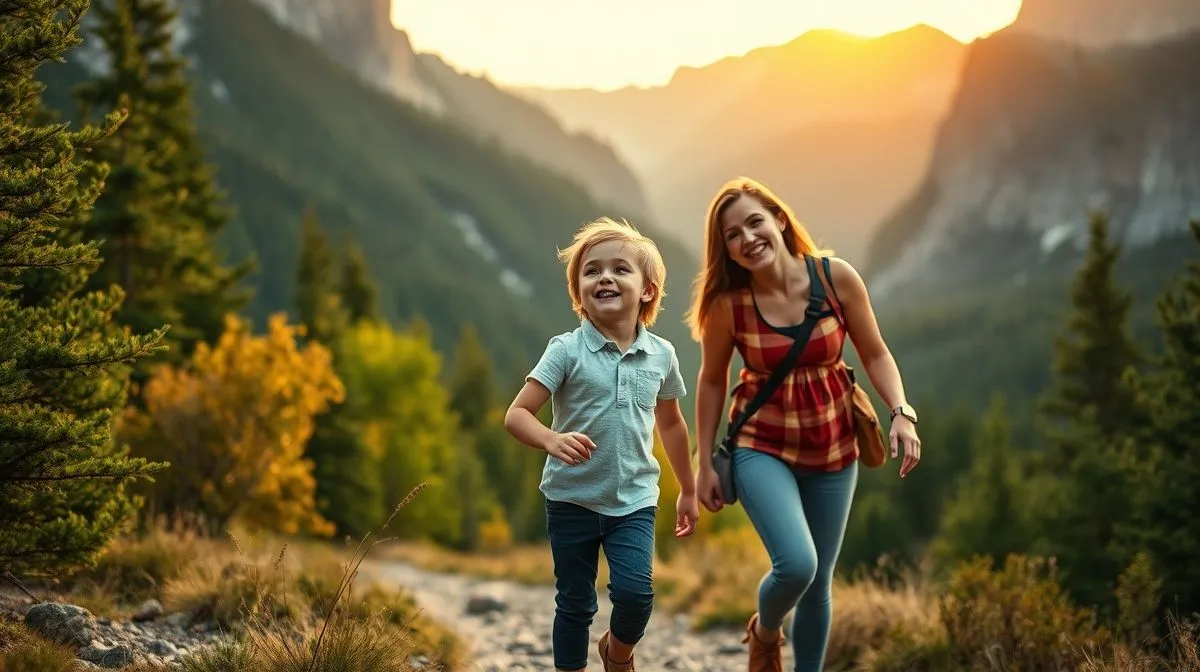
How to Plan a National Park Trip with Toddlers: Your Ultimate Guide to Family Adventure
Imagine standing before the breathtaking majesty of Yosemite's El Capitan, gazing into the vastness of the Grand Canyon, or wandering through the ancient giants of Sequoia National Park. Now, imagine doing it all with a curious, energetic toddler in tow. For many parents, the dream of exploring America's national treasures with their little ones can quickly turn into a logistical nightmare in their minds. Concerns about safety, meltdowns, limited activities, and the sheer effort involved often deter families from embarking on these incredible journeys.
The challenge is real: how do you blend the awe-inspiring grandeur of nature with the unpredictable needs of a toddler? How do you ensure a trip that is not only enriching for the adults but also safe, engaging, and enjoyable for the youngest adventurers? These are the questions that often leave parents feeling overwhelmed before they even begin.
This comprehensive guide is your definitive solution. We will equip you with practical strategies, expert insights, and actionable tips on how to plan a national park trip with toddlers that transforms potential chaos into cherished memories. By the end of this reading, you’ll be confident in crafting an itinerary that caters to every family member, ensuring an unforgettable outdoor experience.
Why National Parks are Perfect (Even with Little Ones)
Despite the perceived challenges, national parks offer an unparalleled environment for family bonding and early childhood development. They are living classrooms, vast playgrounds, and sanctuaries of peace, even for the smallest visitors.
Unplugging and Connecting
In an increasingly digital world, national parks provide a vital opportunity to disconnect from screens and reconnect with each other. Away from daily distractions, families can truly engage, observe, and share moments of discovery together. This shared experience strengthens familial bonds in unique ways.
Early Exposure to Nature
Introducing toddlers to the wonders of nature early on fosters a lifelong appreciation for the environment. Exposure to diverse landscapes, wildlife, and natural phenomena stimulates their senses, encourages curiosity, and supports cognitive and physical development. Simple activities like collecting leaves or spotting a squirrel become profound learning experiences.
Adaptable Experiences
National parks are surprisingly adaptable. While some trails might be too rugged, many parks offer paved paths, accessible boardwalks, and gentle loops perfect for little legs or strollers. Visitor centers provide indoor activities, and scenic drives offer a chance to absorb views without extensive hiking. The key is knowing how to tailor the experience to your toddler's pace and capabilities.
The Pre-Trip Planning Essentials: Laying the Groundwork
The success of your national park adventure with toddlers hinges significantly on meticulous pre-trip planning. This foundational stage minimizes surprises and maximizes enjoyment.
Choosing the Right Park
Not all national parks are created equal when it comes to toddler-friendliness. Consider parks with:
- Accessibility: Look for paved trails, boardwalks, and shuttle systems that reduce walking distances.
- Climate: Avoid extreme heat or cold. Mild temperatures are ideal for young children.
- Toddler-Friendly Trails: Seek out shorter, less strenuous hikes with interesting features like streams or small waterfalls.
- Amenities: Easy access to restrooms, water stations, and visitor centers is crucial.
Parks like Acadia National Park in Maine, Zion National Park (specifically the Pa'rus Trail), or the South Rim of the Grand Canyon often feature accessible paths and shuttle services that make navigation easier with little ones. Researching specific park offerings on the National Park Service website is highly recommended.
Timing Your Visit
When you go can be as important as where you go. Aim for shoulder seasons (late spring or early fall) to avoid peak crowds and extreme weather. Weekdays are generally less crowded than weekends. If you must visit during peak season, try to start your days early to beat the crowds and the midday heat.
Accommodation and Logistics
Decide whether camping or lodging suits your family best. Camping offers a deeper immersion in nature but requires more gear and preparation. Lodging, whether inside or just outside the park, provides more comfort and predictable amenities. Consider proximity to park entrances to minimize travel time, especially during peak hours.
Mastering the Art of Packing for Toddler Adventures
Packing for a national park trip with toddlers is akin to packing for a small expedition. Over-preparing is often better than under-preparing when it comes to keeping little ones comfortable and happy.
The Essentials Checklist
Your packing list should prioritize comfort, safety, and sustenance:
- Diapers and Wipes: Pack more than you think you’ll need.
- Change of Clothes: Multiple sets for spills, dirt, or weather changes.
- Snacks and Water: Abundant, easy-to-eat snacks (fruit pouches, crackers, trail mix for older toddlers) and plenty of water are non-negotiable.
- First-Aid Kit: Band-aids, antiseptic wipes, pain reliever, anti-itch cream, tweezers for splinters.
- Sun Protection: Wide-brimmed hats, sunglasses, and a reef-safe, high-SPF sunscreen.
- Bug Spray: Especially important for areas with mosquitoes or ticks.
- Comfort Items: Favorite blanket, stuffed animal, or pacifier for comfort and sleep.
Comfort and Safety Gear
Beyond the basics, consider specialized gear to enhance your experience:
- Toddler Hiking Carrier: An absolute game-changer for longer trails, allowing your child to nap or enjoy the view from a comfortable perch.
- Comfortable Shoes: For both parents and toddlers. Ensure toddler shoes have good grip and support.
- Small Backpack for Them: Let your toddler carry their own small water bottle or a favorite toy to foster a sense of independence.
Entertainment on the Go
While nature provides ample entertainment, having a few backup options can avert meltdowns during drives or downtime:
- Small, quiet toys or figurines.
- Picture books about nature or animals.
- Printable nature scavenger hunts or 'I Spy' games.
Navigating the Park: Strategies for Success
Once you’re in the park, managing expectations and adapting to your toddler’s rhythm are paramount. This is where the practical application of how to plan a national park trip with toddlers truly comes into play.
Pace Yourselves: The Toddler Tempo
Toddlers operate on their own unique timeline. Forget covering vast distances or ticking off every viewpoint. Focus on quality over quantity. Plan for short bursts of activity followed by ample rest and play. Allow them to stop and examine a rock, chase a butterfly, or splash in a shallow stream. These small moments are often the most memorable for them.
Embrace the Stroller/Carrier Debate
Many trails are stroller-friendly, while others demand a hiking carrier. For mixed terrain, bringing both might be ideal. A sturdy jogging stroller can handle gravel paths, while a carrier is essential for more rugged trails or when you need to cover ground quickly. Always check trail conditions in advance.
Snacking and Hydration Stations
Hunger and thirst are primary drivers of toddler meltdowns. Have easily accessible snacks and water at all times. Frequent snack breaks double as rest stops and opportunities for rehydration. Consider a small cooler for perishable items.
Potty Breaks and Diaper Changes
Know where restrooms are located along your planned routes. For remote areas, pack portable potty solutions or be prepared for discreet outdoor changes. Always pack out all waste, including diapers.
Dealing with Meltdowns
They will happen. The key is prevention through routine (naps, meals) and a calm response. When a meltdown occurs, find a quiet spot, offer comfort, and address the underlying need (hunger, tiredness, overstimulation). Sometimes, a simple change of scenery or a brief break is all that's needed to reset.
Safety First: Protecting Your Little Explorers
National parks are wild places, and safety is paramount, especially when visiting national parks with toddlers. Education and vigilance are your best tools.
Wildlife Awareness
Teach your toddler to observe wildlife from a distance. Never approach or feed animals. Store all food securely to avoid attracting critters. Be aware of local wildlife (bears, snakes, insects) and know what to do if an encounter occurs. The National Park Service provides excellent guidelines on wildlife safety for each park.
Trail Safety
Always stay on marked trails. Hold hands or keep your toddler within arm's reach, especially near cliffs, water, or steep inclines. Educate them about not touching unfamiliar plants or objects. Consider bright clothing for easy visibility.
Weather Preparedness
Mountain weather can change rapidly. Dress in layers, even on seemingly warm days. Pack rain gear. Check the forecast frequently and be prepared to alter plans if conditions become unsafe (e.g., thunderstorms, extreme heat warnings). Sun protection is crucial, as toddlers are highly susceptible to sunburn and heatstroke.
Emergency Planning
Before you enter the park, share your itinerary with someone outside your group. Know where visitor centers and ranger stations are. Carry a fully charged phone, but be aware that cell service can be spotty. A basic first-aid kit is essential. In case of emergency, know how to contact park rangers or emergency services.
Making Memories: Activities Beyond the Trail
A national park trip with toddlers isn't just about hiking. There are numerous ways to engage their young minds and create lasting memories.
Junior Ranger Programs
Many national parks offer fantastic Junior Ranger programs. These typically involve completing an activity booklet appropriate for various age groups, earning a badge or patch upon completion. It's a fun, educational way to learn about the park and keep toddlers engaged. Visit the NPS Junior Ranger page for more details.
Visitor Center Exploration
Visitor centers are treasure troves of information and often feature interactive exhibits, ranger talks, and gift shops. They offer a great opportunity for a break from the elements and a chance for toddlers to explore in a controlled environment.
Simple Nature Play
Sometimes, the simplest activities are the most profound. Let your toddler collect interesting rocks or leaves (where permitted), skip stones in a stream, or simply sit and observe the clouds. These unstructured moments foster creativity and a deeper connection to their surroundings.
Photography Tips
Capture the magic! Don't just take posed photos. Snap candid shots of your toddler's reactions to new sights and sounds. Get down to their level for a unique perspective. These photos will be cherished reminders of your family's incredible adventure.
Common Pitfalls to Avoid When Planning a National Park Trip with Toddlers
Even with the best intentions, certain mistakes can derail your family's national park experience. Being aware of these can help you avoid them.
Over-scheduling
The biggest mistake is trying to do too much. Toddlers have limited stamina and attention spans. Jamming too many activities or long hikes into a single day will lead to exhaustion and meltdowns. Prioritize a few key experiences and allow for plenty of downtime.
Underestimating Supplies
Running out of snacks, water, or diapers in a remote area is a quick way to turn a fun outing into a stressful one. Always pack more than you anticipate needing, especially for essentials.
Ignoring Nap Times
Disrupting a toddler's sleep schedule can have significant consequences for their mood and behavior. Build naps into your daily itinerary, whether that means returning to your accommodation or utilizing a comfortable carrier for on-the-go naps.
Expecting Perfection
National park trips with toddlers won't be perfect. There will be unexpected challenges, grumbles, and perhaps even a few tears. Embrace the imperfections as part of the adventure. Focus on the joy of being together in nature, and celebrate the small victories.
Frequently Asked Questions (FAQ)
What are the best national parks for toddlers? Parks known for accessibility, mild climates, and diverse activities like Acadia, Zion (Pa'rus Trail), Yosemite Valley, Olympic, and Great Smoky Mountains are often recommended. Research specific trails and visitor center offerings for each park.
How do I manage long drives with a toddler to a national park? Break up long drives with frequent stops at playgrounds or rest areas. Pack plenty of engaging toys, books, and snacks. Consider driving during nap times or early mornings to utilize their sleep cycles.
What if my toddler doesn't like hiking? Don't force it. Focus on short, engaging walks rather than long hikes. Utilize a hiking carrier. Explore visitor centers, scenic drives, and designated play areas. Sometimes, just sitting by a stream or observing wildlife is enough of an 'adventure'.
Are national park facilities toddler-friendly? Many national parks strive for accessibility. Visitor centers often have family restrooms and changing tables. However, facilities can be limited in remote areas. Always check park-specific information regarding restrooms and amenities before heading out.
Can I bring a car seat on park shuttles? Policies vary by park and shuttle system. Some shuttle buses may require car seats, while others, particularly those designed for mass transit within the park, may not. It's crucial to check the specific park's transportation guidelines in advance.
Recommended Reading
- Unveiling the Health Effects of Lunar Tourism: Are You Ready for Space?
- Unlock Your Wanderlust: The Ultimate Guide to Cheaper Long-Term Travel
- Cross Country Skiing for Beginners? Essential Tips You Need Now!
- The Ultimate Guide: How to Find Authentic Foodie Destinations Abroad
- Unlock the Secret: How to Pick Teen Friendly Family Trip Destinations
Conclusion
Embarking on a national park trip with toddlers is an investment – an investment in family memories, a love for nature, and the invaluable experience of exploring the world together. While it requires thoughtful planning and a flexible mindset, the rewards far outweigh the challenges. By choosing the right park, packing smart, pacing yourselves, and prioritizing safety, you can transform a daunting prospect into a joyful reality.
These majestic landscapes are waiting to be discovered by your little explorers. Don't let the 'what ifs' hold you back. Instead, equip yourself with the knowledge of how to plan a national park trip with toddlers, embrace the adventure, and create a legacy of outdoor exploration for your family that will be cherished for years to come.



Your email address will not be published. Required fields are marked *