

How to Leverage Professional Skills in a 10-Day Volunteer Project?
For over 15 years in the volunteer travel sector, I've observed a common dilemma: countless professionals yearn to contribute their expertise to meaningful causes, but the constraints of modern life often limit their availability to short windows—sometimes as brief as 10 days. They arrive with immense goodwill and invaluable skills, yet often depart feeling they could have achieved more, or worse, that their professional capabilities weren't fully utilized.
The prevailing myth is that significant, skill-based impact requires months, if not years, on the ground. This misconception often leads to well-intentioned volunteers falling into general labor roles, rather than applying the specialized knowledge they've honed over years in their careers. It’s a missed opportunity for both the volunteer and the host community, leaving both parties with a sense of unfulfilled potential.
But I'm here to tell you that a 10-day volunteer project can be profoundly impactful, transformative, and professionally enriching, provided you approach it with strategic intent. This article will provide you with a definitive framework, actionable steps, and expert insights on how to leverage professional skills in a 10-day volunteer project, ensuring your brief journey leaves a lasting legacy.
The Untapped Potential of Short-Term Skill-Based Volunteering
The landscape of global volunteering is evolving. Gone are the days when 'volunteering abroad' solely conjured images of building houses or teaching English for months on end. Today, there's a growing recognition of the immense value that targeted, skill-based contributions can bring, even within condensed timelines. This shift is particularly relevant for professionals who possess highly specialized skills but lack the luxury of extended leave.
Think of it not as a limitation, but as a focused sprint. A 10-day project, when meticulously planned and executed, can deliver specific, measurable outcomes that might otherwise take local organizations months or even years to achieve. According to a Harvard Business Review article on skill-based volunteering, companies that engage in such programs report higher employee engagement and skill development, while non-profits gain access to expertise they couldn't otherwise afford.
"True impact in short-term volunteering isn't about the duration, but the intensity and precision of your contribution. It's about delivering a surgical strike of expertise where it's most needed."
This isn't just about feeling good; it's about doing good, effectively. Short-term, skill-based volunteering allows you to apply your professional acumen—be it in project management, IT, marketing, engineering, healthcare, or education—to address specific, critical challenges faced by communities or non-profits. The key is understanding that your 10 days are a precious resource, demanding strategic allocation and a commitment to measurable outcomes.
Phase 1: Pre-Departure - Strategic Planning for Maximum Impact
The success of any short-term volunteer project, especially one where you aim to leverage professional skills, hinges almost entirely on the preparation you undertake before you even step on the plane. This isn't a vacation with a side of good deeds; it's a mission requiring strategic foresight.
Identifying Your Niche: Where Your Skills Meet Needs
Before you even look for a project, conduct an honest self-assessment of your professional skills. Don't just list your job title; break down the specific competencies you excel at. Are you a data analyst, a software developer, a marketing strategist, a civil engineer, a nurse, or a teacher? Then, consider what types of challenges these skills could directly address in a developing community or under-resourced organization. This isn't about finding *any* volunteer role; it's about finding the *right* role where your unique abilities can create the most value.
- Ask yourself: What specific, tangible problems could my core professional skills help solve?
- Consider: Are there particular tools, methodologies, or processes I can introduce or optimize?
- Reflect: What knowledge can I impart that would empower local individuals or organizations long-term?
Researching the Right Project: Beyond the Brochure
Once you've identified your skill niche, the next step is to find a project that genuinely needs your specific expertise within a 10-day timeframe. This means looking beyond general volunteer descriptions. Seek out organizations that explicitly mention skill-based needs or specific project goals that align with your capabilities. Platforms like UN Volunteers or reputable skill-based volunteering organizations often have detailed project briefs.
Engage in direct communication with the host organization. Ask pointed questions about the project's objectives, the specific tasks you'd be undertaking, the resources available, and the expected deliverables within your 10-day window. Don't be afraid to propose how your skills could fit into an existing need, even if it's not explicitly listed. This proactive approach ensures alignment and avoids disappointment.
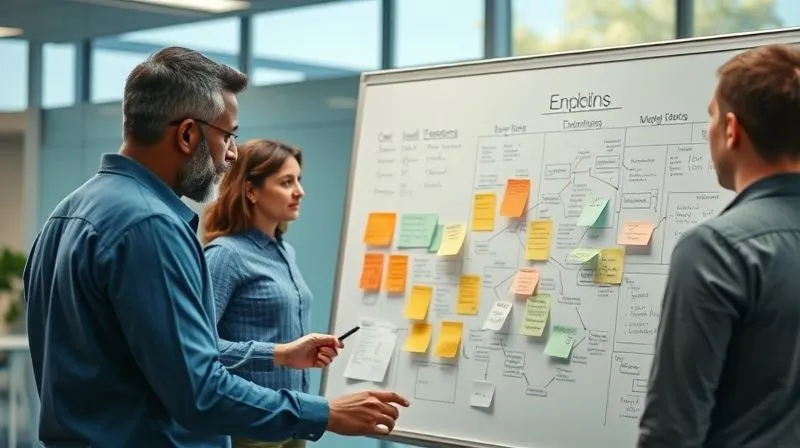
Crafting a "Micro-Project Plan": Your 10-Day Blueprint
This is perhaps the most critical step for how to leverage professional skills in a 10-day volunteer project. Your 10 days are a finite resource, so treat them like a professional project. Develop a "Micro-Project Plan" outlining clear, achievable goals and deliverables for your brief stay. This isn't just a mental exercise; it's a written document you can share with your host.
- Define Scope: What specific problem will you address? What are the boundaries of your contribution?
- Set SMART Goals: Ensure your goals are Specific, Measurable, Achievable, Relevant, and Time-bound within 10 days.
- Outline Deliverables: What tangible outputs will you produce? (e.g., a training module, a basic database, a marketing strategy outline, a water filtration prototype).
- Create a Timeline: Break down your 10 days into daily or even half-daily tasks.
- Identify Resources: What tools, software, or local support will you need? Communicate this in advance.
| Day | Focus Area | Deliverable |
|---|---|---|
| 1 | Needs Assessment & Stakeholder Meetings | Initial Project Brief & Stakeholder Map |
| 2-3 | Data Collection & Analysis | Key Findings Report |
| 4-6 | Solution Development & Prototyping | Draft Solution/Training Module |
| 7-8 | Implementation & Training | Pilot Program/Local Team Training |
| 9 | Documentation & Handover | User Manual/Continuity Plan |
| 10 | Feedback & Final Wrap-up | Post-Project Summary |

Phase 2: On-Site - Executing with Precision and Adaptability
With your robust micro-project plan in hand, you're ready to deploy your skills. However, even the best plan needs agile execution, especially in dynamic volunteer environments. Your ability to adapt while staying focused will be paramount.
Bridging the Gap: Effective Communication and Cultural Competence
Your professional skills are only as valuable as your ability to communicate them effectively across cultural divides. Before you dive into problem-solving, invest time in understanding the local context, customs, and communication styles. Active listening is crucial. Don't assume your professional norms will translate directly; be open to learning and adapting.
As experts like Erin Meyer emphasize in 'The Culture Map', understanding cultural dimensions—like direct vs. indirect communication or hierarchical vs. egalitarian leadership—can prevent misunderstandings and build trust. This is the foundation upon which your technical expertise can truly shine. Seek to build relationships first, then apply your skills. Read more on developing cultural intelligence from HBR.
Structured Delivery: Implementing Your Micro-Project Plan
During your 10 days, stick closely to your micro-project plan, but be prepared for unforeseen challenges. Daily check-ins with local counterparts are essential to track progress, address roadblocks, and make minor adjustments. Your professional discipline in project management will be a significant asset here.
- Maintain Focus: Resist the temptation to get sidetracked by new, intriguing problems outside your defined scope.
- Prioritize: If time becomes tight, prioritize the most critical deliverables that provide the most value.
- Document Progress: Keep a daily log of activities, decisions, and any data collected. This aids in transparency and handover.
Mentorship and Training: Empowering Local Capacity
One of the most profound ways to leverage professional skills in a 10-day volunteer project is not just to solve a problem, but to empower local individuals to sustain the solution. Integrate mentorship and training into your daily activities. This could involve:
- Shadowing Opportunities: Have local staff observe your process and explain your methodology.
- Hands-on Workshops: Conduct short, practical training sessions on specific tools or techniques.
- Creating Simple Guides: Develop easy-to-understand manuals or checklists for ongoing use.
Your goal isn't just to complete a task, but to transfer knowledge, building local capacity that far outlives your 10-day stay.
Phase 3: Post-Project - Sustaining Impact and Professional Growth
Your contribution doesn't end when you leave the project site. The post-project phase is crucial for ensuring the longevity of your impact and for extracting maximum professional value from your experience.
Documentation and Handover: Ensuring Continuity
Before your departure, ensure all deliverables are thoroughly documented and formally handed over to the relevant local team members. This includes any systems you've set up, training materials you've created, or strategies you've developed. A clear handover prevents your work from becoming a temporary fix and ensures continuity.
- Comprehensive Reports: Summarize your activities, findings, recommendations, and next steps.
- User Manuals/Guides: Provide simple, actionable instructions for any new processes or tools.
- Contact Information: Offer to be available for follow-up questions via email or video call, if feasible and appropriate.

Reflecting and Reporting: Measuring Your True Impact
Upon returning home, take time to reflect on your experience. What did you achieve? What challenges did you overcome? What lessons did you learn? This reflection is not just for personal growth but also for professional development. Consider writing a brief impact report for yourself and, if appropriate, for your employer or the volunteer organization.
This report should quantify your achievements where possible (e.g., "implemented an inventory system reducing stock discrepancies by 20%" or "trained 5 local staff on basic accounting software"). Such reports are powerful tools for demonstrating the tangible value of your skill-based contribution. For more on the power of reflection, see this HBR article on self-reflection.
Leveraging Your Experience for Future Opportunities
A 10-day volunteer project where you effectively leverage professional skills is a powerful addition to your resume and professional narrative. It demonstrates initiative, adaptability, cross-cultural communication, problem-solving under constraints, and a commitment to social responsibility.
- Update Your CV/LinkedIn: Detail the specific skills applied, challenges addressed, and measurable outcomes.
- Share Your Story: Present your experience at work, to professional groups, or through a blog.
- Network: Connect with other professionals in skill-based volunteering or international development.
This experience can open doors to new career paths, leadership roles, or simply enrich your existing professional journey.
Common Pitfalls and How to Avoid Them
Even with the best intentions and meticulous planning, short-term volunteer projects can stumble. Recognizing common pitfalls allows you to proactively mitigate risks and ensure your 10 days are truly effective.
- Over-Promising and Under-Delivering: Trying to solve too many problems in too short a time.
Solution: Stick to your micro-project plan with realistic, achievable goals. Focus on one or two high-impact deliverables. - Lack of Cultural Sensitivity: Imposing Western solutions without understanding local context.
Solution: Invest in pre-departure cultural training. Listen more than you speak. Co-create solutions with local partners. - Poor Communication: Misunderstandings due to language barriers or differing communication styles.
Solution: Use clear, simple language. Utilize local translators if needed. Confirm understanding frequently. - Failure to Document or Handover: Leaving without creating lasting resources or training.
Solution: Prioritize documentation and training throughout your stay. Make handover a formal part of your departure. - Expecting Instant Gratification: Anticipating immediate, dramatic changes from your brief contribution.
Solution: Understand that your role is often to plant seeds or provide catalytic support. Celebrate small wins and focus on sustainable impact. - Bringing the Wrong Tools: Assuming specific software or equipment will be available or usable.
Solution: Confirm resource availability in advance. Be prepared to work with limited technology or adapt your methods.
Real-World Impact: A Case Study in Skill-Based Voluntourism
Case Study: Project "Digital Bridge" in Rural Ghana
Sarah, a senior software engineer from Seattle, had 10 days of vacation and a burning desire to use her coding skills for good. She found a small NGO in rural Ghana struggling with manual record-keeping for their community health initiatives. Their data on patient visits, medication inventory, and community outreach was scattered across notebooks, making impact assessment and resource allocation incredibly inefficient.
Sarah's micro-project plan was clear: develop a basic, user-friendly, offline-capable database system for patient and inventory management, and train two local staff members to use and maintain it. She spent her first day assessing the existing paper-based system and understanding the local team's needs and technical literacy. Days 2-7 were dedicated to building a simplified database application using readily available open-source tools, focusing on intuitive design and essential functionalities. Days 8-9 were intensive training sessions, where she patiently guided the local staff through data entry, querying, and basic troubleshooting, creating a simple visual manual.
On day 10, Sarah formally handed over the system and the manual. Her contribution didn't revolutionize healthcare in Ghana overnight, but it provided the NGO with a foundational tool that immediately streamlined their operations. Within a month, the NGO reported a 30% reduction in time spent on record-keeping and a significant improvement in their ability to track medication stock and identify community health trends. Sarah's 10-day sprint didn't just build a database; it built capacity and efficiency, demonstrating precisely how to leverage professional skills in a 10-day volunteer project for profound, lasting change.
Measuring Success: Beyond the Feel-Good Factor
While the personal satisfaction of volunteering is invaluable, true professional impact requires a more objective measure of success. For a 10-day project, focus on tangible outcomes and knowledge transfer, rather than broad, long-term societal shifts.
Ask yourself: What specific problem did I solve? What new skill did I impart? What process did I optimize? What resource did I create? Measuring success means moving beyond anecdotal evidence to concrete data, even if it's qualitative. This approach aligns with principles of effective altruism, which advocates for doing the most good possible.
| Metric Category | Examples of Success Indicators |
|---|---|
| Process Improvement | Reduced manual data entry time by X%; Implemented new scheduling system; Optimized workflow by Y% |
| Capacity Building | Number of local staff trained; Creation of training manuals/guides; Local adoption rate of new tools/techniques |
| Tangible Deliverables | Completed functional prototype; Developed marketing strategy document; Installed water filtration unit |
| Knowledge Transfer | Local team demonstrates understanding of new software; Post-training assessment scores; Sustained use of new methods after departure |
By focusing on these types of indicators, you can clearly articulate the value of your contribution, transforming your volunteer experience into a powerful testament to your professional capabilities. For further reading on measuring impact in non-profit settings, consider resources from organizations like Stanford Social Innovation Review.
Frequently Asked Questions (FAQ)
Q: Is 10 days truly enough to make a significant difference? A: Absolutely, but it requires meticulous planning and a highly focused approach. Instead of aiming for broad, sweeping changes, focus on one or two specific, achievable problems where your professional skills can provide a targeted solution. The key is quality over quantity, and ensuring your contribution empowers local capacity for sustainability.
Q: How do I choose the right project that matches my specific skills? A: Start with a detailed self-assessment of your professional competencies. Then, research organizations that explicitly seek skill-based volunteers or have specific project needs that align with your expertise. Don't be afraid to reach out directly to discuss how your unique skills could address their challenges, even if the role isn't perfectly advertised.
Q: What if the project needs change once I arrive? A: Flexibility and adaptability are crucial. While a micro-project plan is essential, be prepared for unexpected circumstances. Communicate openly with your hosts, re-evaluate priorities, and adjust your plan as needed. The ability to pivot while maintaining focus is a valuable professional skill in itself.
Q: How can I ensure my contribution is sustainable after I leave? A: Sustainability is paramount. Focus on building local capacity through training, mentorship, and creating clear documentation (manuals, guides, reports). Your goal should be to empower local individuals to continue and expand upon your work, rather than creating a dependency on your presence. Offer remote support if feasible.
Q: Will this experience truly benefit my professional career? A: Yes, unequivocally. Successfully leveraging professional skills in a short-term volunteer project demonstrates a unique blend of technical expertise, cross-cultural communication, problem-solving under constraints, leadership, and social responsibility. These are highly valued attributes in today's globalized job market and can significantly enhance your resume and professional narrative.
Key Takeaways and Final Thoughts
Harnessing your professional skills for a 10-day volunteer project is not just a noble endeavor; it's a powerful opportunity for focused impact and profound personal and professional growth. It challenges the notion that significant contributions require lengthy commitments, proving that strategic planning, precise execution, and a commitment to local empowerment can yield remarkable results.
- Plan Meticulously: Your micro-project plan is your compass.
- Communicate & Adapt: Cultural intelligence is as vital as technical skill.
- Empower Locally: Focus on knowledge transfer and capacity building.
- Document & Reflect: Ensure continuity and capture your learning.
- Measure Impact: Quantify your achievements to demonstrate value.
I've seen firsthand how professionals, armed with a clear vision and a dedicated approach, can transform communities and themselves in just 10 days. Don't let perceived time constraints deter you from making a difference. Embrace the challenge, apply your expertise strategically, and embark on a volunteer journey that will leave a lasting mark, both globally and on your own professional trajectory. The world needs your skills, and you have the power to deliver them, even in a short sprint.
Recommended Reading
- Unlocking the Style Secrets: What to Wear to a Fancy Rooftop Bar in a City Break?
- 7 Proven Strategies: How to Consistently Secure Last-Minute Premium Flight Upgrades?
- Craving Authentic Flavors? Where to Find Unique Farm Stay Food Experiences
- 7 Steps: Carbon Neutral Business Travel Without Huge Costs?
- Ultimate Guide: Navigating International Air Travel with Your Service Dog



Your email address will not be published. Required fields are marked *