

How to Fly Internationally with a Service Dog: Your Definitive Guide
Imagine the sheer joy of exploring ancient ruins in Rome or hiking the breathtaking trails of Patagonia, not just for yourself, but with your loyal, life-saving service dog by your side. For individuals who rely on these incredible animals, the world should be as accessible as their own backyard.
While domestic travel with a service dog has become more streamlined, the complexities of international air travel can seem like an impenetrable maze of regulations, paperwork, and varying country-specific laws. The thought of navigating customs, health certificates, and airline policies across borders can be daunting, leaving many wondering: How to fly internationally with a service dog without undue stress or risk?
This definitive guide is designed to demystify the process, providing you with a comprehensive roadmap for a smooth and successful international journey with your invaluable companion. By the end of this article, you will possess the knowledge and confidence to meticulously plan every step, ensuring both your and your service dog's comfort, safety, and legal compliance from departure to arrival.
Understanding the Legal Landscape: ADA vs. International Laws
The first critical step in planning your international journey with a service dog is to grasp the fundamental differences between domestic and international legal frameworks. What applies within your home country may not apply once you cross its borders.
The Americans with Disabilities Act (ADA) and Its Limits
In the United States, the Americans with Disabilities Act (ADA) provides clear guidelines for public access for service animals. It defines a service animal as a dog (or miniature horse) individually trained to do work or perform tasks for the benefit of an individual with a disability. This legislation ensures that service animals can accompany their handlers in most public places, including on domestic flights.
However, the ADA is a U.S. federal law. Its jurisdiction does not extend beyond U.S. borders. This means that while U.S. airlines must accommodate service dogs on flights originating or terminating in the U.S., they are not bound by the ADA for international segments of travel under foreign law, nor are foreign countries or their airlines.
Navigating the Patchwork of International Regulations
International air travel with a service dog is governed by a complex interplay of international conventions, individual country laws, and airline-specific policies. There is no single, universally accepted international law that dictates the entry requirements or public access rights for service animals.
Key considerations include:
- Country-Specific Import Laws: Each destination country has its own set of rules regarding the import of animals, including service dogs. These can vary wildly, from requiring extensive health certifications and import permits to mandatory quarantine periods.
- Airline Policies: While airlines generally adhere to IATA (International Air Transport Association) guidelines, their specific policies for service animals can differ. Some may require specific forms, veterinary attestations, or advance notice.
- Transit Country Rules: If your flight involves a layover in a third country, you must also comply with that country's transit regulations for animals, even if you don't plan to leave the airport.
- EU Aviation Rules: Within the European Union, specific regulations (e.g., EU Regulation 1107/2006 concerning the rights of disabled persons and persons with reduced mobility when travelling by air) offer some protections, but these still often defer to national animal health requirements.
Understanding this multifaceted legal landscape is paramount. Ignorance of a specific country's requirements can lead to your service dog being denied entry, subjected to quarantine, or even returned to your origin country, creating immense distress and disrupting your travel plans.
Essential Pre-Flight Preparations for Your Service Dog
Preparation is the cornerstone of successful international travel with your service dog. Begin this process as early as possible, ideally 6 to 12 months before your planned departure date, as some procedures require significant lead time.
Health and Vaccinations: More Than Just Rabies
While rabies vaccination is almost universally required, many countries demand additional health measures. Consult with your veterinarian, who should be familiar with international travel requirements, or be willing to research them thoroughly.
- Rabies Vaccination: Ensure your service dog's rabies vaccination is current and administered according to the destination country's specific timeline (e.g., valid for at least 21 days before travel, not expired, specific type of vaccine).
- Other Core Vaccinations: Distemper, parvovirus, adenovirus, and leptospirosis vaccinations are often required or highly recommended. Discuss these with your vet.
- Parasite Treatments: Many countries, particularly those in the EU, require specific treatments for tapeworms (e.g., Echinococcus multilocularis) administered by a vet within a defined window before entry. Tick and flea treatments are also often recommended.
- Health Check-ups: Your service dog must be deemed fit to fly by a licensed veterinarian. This often involves a comprehensive examination to ensure they are healthy enough for the rigors of air travel.
Microchipping and Identification
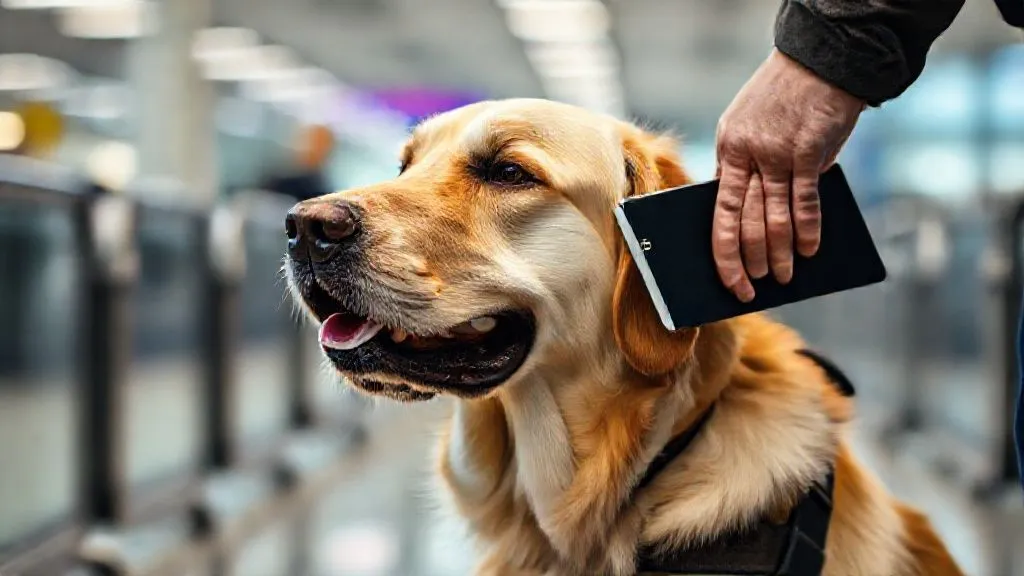
A compliant microchip is non-negotiable for international service dog travel. Most countries, especially within the EU, require an ISO-compliant (International Organization for Standardization) 11784 and 11785 microchip. This ensures the chip can be read by scanners worldwide.
- ISO Compliance: Confirm your dog's microchip meets this standard. If not, your vet can implant a new, compliant one.
- Before Rabies: The microchip must be implanted before or at the time of the rabies vaccination that will be used for travel. If the microchip is implanted after the rabies shot, the rabies vaccination will need to be re-administered after the microchip is in place.
- Registration: Ensure your microchip is registered with up-to-date contact information.
The Crucial Role of Health Certificates
A government-endorsed health certificate is one of the most vital documents. This certificate attests to your service dog's health, vaccinations, and microchip information, confirming they meet the destination country's import requirements.
- USDA APHIS (for U.S. departures): If departing from the U.S., your veterinarian must complete a USDA APHIS (Animal and Plant Health Inspection Service) health certificate. This certificate then needs to be endorsed by a USDA APHIS veterinary services office. This endorsement typically has a limited validity period (e.g., 10 days) before travel, so timing is crucial. Find more information on the USDA APHIS Pet Travel website.
- Country-Specific Forms: Some countries have their own specific health certificate forms that your vet must complete instead of or in addition to the standard APHIS form. Always verify this.
Documentation Demystified: What You Absolutely Need
The sheer volume of paperwork can be overwhelming, but meticulous organization is key to a seamless journey. Create a dedicated folder for all your service dog's travel documents, both physical and digital copies.
Service Dog Identification and Training Verification
While no single international standard exists for service dog identification, having documentation proving your dog's status can be helpful, though not legally required in all places.
- Training Organization Documentation: Letters or certificates from a recognized service dog training organization can serve as proof of your dog's training and purpose.
- Veterinary Attestation: A letter from your veterinarian stating your need for a service dog and confirming its training can also be useful.
- Vest/Harness: While not legal proof, a vest or harness clearly identifying your dog as a 'Service Dog' can help communicate its working status to airline staff and airport personnel.
Airline-Specific Forms and Policies
Most airlines require specific forms to be completed for service dog travel. These often include:
- Service Animal Air Transportation Form: Attesting that your dog is a service animal, is trained, and will behave appropriately.
- Veterinary Health Form: Some airlines have their own forms that your vet must fill out, in addition to government-issued health certificates.
- Behavioral Attestation: A form where you confirm your service dog's good behavior and ability to perform its tasks.
Always check your specific airline's website under their 'Special Assistance' or 'Traveling with Pets' section well in advance. Some airlines require these forms to be submitted 48 to 72 hours before departure.
Import Permits and Quarantines: Country-Specific Rules
This is where the most significant variations occur. Many countries, particularly island nations or those with strict biosecurity, require an import permit to be obtained well in advance of travel. Failure to secure this permit can result in immediate denial of entry or mandatory quarantine.
- Pre-Application: Research if your destination country requires an import permit. If so, apply for it months in advance, as processing times can be lengthy.
- Quarantine Countries: Countries like Australia, New Zealand, and Hawaii (USA) have very strict quarantine laws for animals entering their borders, even service dogs. While exemptions exist for service dogs in some cases (e.g., Australia and New Zealand have specific, highly rigorous pre-export preparation programs that avoid quarantine), these are complex and require extensive planning and adherence to strict protocols. Never assume an exemption applies without explicit confirmation from the destination country's animal health authority.
The IATA Travel Centre is an excellent resource for checking country-specific requirements, though it's always best to cross-reference with the official government website of your destination country's animal health department.
Choosing the Right Airline and Booking Your Flight
Not all airlines are created equal when it comes to accommodating service dogs. Researching and choosing the right carrier is paramount to a comfortable and compliant journey.
Airline Policies and Restrictions for Service Dogs
While most major airlines accommodate legitimate service dogs in the cabin, their specific rules can vary regarding:
- Size and Weight Limits: While service dogs are generally exempt from typical pet size/weight restrictions, some airlines may have limits on the size of the dog that can safely fit at your feet without obstructing aisles or other passengers. Larger dogs might require specific seating arrangements.
- Number of Service Dogs: Some airlines might limit the number of service dogs per flight.
- Breed Restrictions: While rare for service dogs, some countries or airlines may have specific breed bans or restrictions, though these typically apply more to cargo animals. Always double-check.
- Notice Period: How far in advance do they require notification of your service dog traveling with you?
Booking Strategies for a Smooth Journey
Once you've chosen an airline, follow these booking tips:
- Direct Flights Preferred: Minimize layovers to reduce stress for your service dog and simplify customs/transit regulations.
- Contact Airline Directly: After booking your ticket, call the airline's special assistance desk. Inform them you'll be traveling with a service dog and confirm all required documentation and procedures. Do not rely solely on online booking.
- Confirm Service Dog Booking: Get written confirmation (email) that your service dog is confirmed for the flight.
- Seat Assignments: Request a bulkhead seat or a seat with extra legroom. This provides more space for your service dog to lie down comfortably without encroaching on other passengers' space.
Seat Assignments and Onboard Comfort
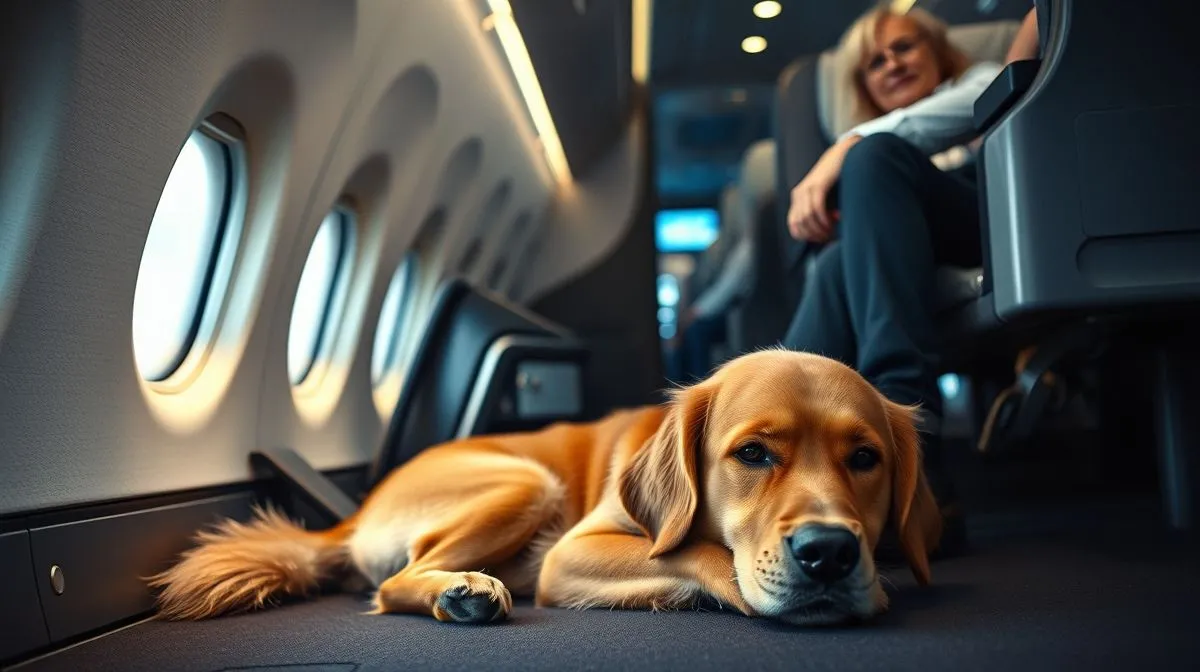
Onboard, your service dog must remain at your feet, in your lap (if small enough), or under the seat in front of you. They cannot occupy a seat, block aisles, or protrude into other passengers' space.
- Space Considerations: Ensure your service dog can lie down comfortably without blocking emergency exits or aisles.
- Relief Areas: Inquire about airport service animal relief areas at your departure, transit, and arrival airports. Plan your layovers to allow sufficient time for your dog to relieve itself.
Preparing Your Service Dog for the Journey Itself
Beyond the paperwork, preparing your service dog mentally and physically for the journey is crucial. A well-prepared dog is a calm and compliant traveler, ensuring a better experience for everyone.
Pre-Flight Potty Breaks and Hydration
A long flight means extended periods without a potty break. Plan accordingly:
- Last-Minute Relief: Ensure your service dog has ample opportunities to relieve itself immediately before entering the airport and just before boarding the plane. Utilize airport relief areas.
- Limited Food/Water: Limit food intake 6-8 hours before the flight to reduce the need for elimination during the journey. Offer small amounts of water to prevent dehydration, but avoid excessive drinking right before boarding.
- In-Flight Hydration: Carry a collapsible water bowl and a small bottle of water. Offer sips of water during the flight, especially on longer journeys, but again, sparingly.
Managing Stress and Anxiety During Travel
Air travel can be stressful for animals. While service dogs are trained to handle various environments, the novel sounds, smells, and confined spaces of an airplane can still be challenging.
- Familiar Items: Bring a familiar blanket or toy (if appropriate for a working dog) that carries your scent and can provide comfort.
- Calming Techniques: Use any training-based calming cues or techniques you've established with your dog.
- Medication (Vet Consult): If your dog is prone to severe anxiety, discuss with your veterinarian whether mild, non-sedating anti-anxiety medication is appropriate. Sedatives are generally not recommended for flying animals due to potential respiratory and cardiovascular issues at altitude.
In-Flight Etiquette and Responsibilities
During the flight, your service dog must remain under your control at all times. They should not wander, bark excessively, growl, or relieve themselves in the cabin.
- Behavioral Control: Ensure your service dog is calm and unobtrusive. If your dog exhibits disruptive behavior, the airline may require it to be crated (if space allows) or removed from the flight.
- Communicate Needs: If your dog needs to stretch or adjust, do so discreetly and without disturbing other passengers.
- No Public Relief: Absolutely no relieving in the cabin. If an emergency arises, alert flight attendants immediately.
Arrival and Customs: What to Expect Upon Landing
You've successfully completed the flight, but the journey isn't over yet. Arrival procedures, customs, and biosecurity checks are the final hurdles to clear.
Navigating Airport Protocols
Upon landing, remain seated until the plane is clear and you're instructed to deplane. This allows you to manage your service dog more easily.
- Relief Areas: Your first priority after deplaning should be to locate the nearest service animal relief area. Most international airports are now equipped with these facilities.
- Follow Airport Staff: Pay attention to instructions from airport staff, especially regarding specific lanes or procedures for travelers with service animals.
Customs and Biosecurity Checks
This is the critical point where your meticulous documentation will be reviewed. Be prepared to present all required paperwork.
- Document Presentation: Have your service dog's health certificate, import permit, vaccination records, and microchip information readily accessible for customs and animal health officials.
- Veterinary Inspection: In some countries, a veterinary official may conduct a brief inspection of your service dog to verify its identity and health status.
- Honesty is Key: Be truthful about your dog's health and travel history. Any discrepancies can lead to significant delays or complications.
Post-Arrival Adjustments
Once you've cleared customs, allow your service dog time to adjust to the new environment, time zone, and climate.
- Rest and Recovery: Plan for a quiet period of rest for your dog after a long journey.
- Hydration and Food: Offer water and food, gradually reintroducing their normal feeding schedule.
- Observation: Monitor your service dog for any signs of stress, illness, or changes in behavior. If concerns arise, seek local veterinary care.
Common Pitfalls and How to Avoid Them
Even with careful planning, certain common mistakes can derail your international travel plans with a service dog. Being aware of these can help you avoid them.
Misunderstanding Emotional Support Animal Rules
A significant pitfall is confusing emotional support animals (ESAs) with service dogs. Following changes in U.S. Department of Transportation regulations, airlines are no longer required to recognize ESAs as service animals. This means ESAs are typically treated as pets, subject to breed, size, and crate restrictions, and often incur fees.
- Distinction: Understand that only dogs individually trained to perform specific tasks for a person with a disability are considered service dogs for air travel purposes.
- No ESA Travel Abroad: Do not expect an ESA to be granted service animal status for international flights or in foreign countries.
Incomplete or Incorrect Documentation
The single biggest reason for denied entry or forced quarantine is incorrect or missing paperwork. Even a small error can have significant consequences.
- Triple-Check: Verify every detail on every document. Dates, microchip numbers, vaccination batch numbers – everything must be accurate.
- Timeliness: Ensure all documents are obtained within the required validity periods (e.g., health certificates issued within 10 days of travel, parasite treatments within 5 days).
- Multiple Copies: Carry multiple physical copies of all documents, and have digital backups on your phone and cloud storage.
Underestimating Preparation Time
Rushing the process is a recipe for disaster. Some procedures, like blood tests for rabies titers (required by many rabies-free countries), can take months to process and have waiting periods after the test. For example, the EU's '3-month rule' requires a waiting period after a successful rabies antibody test.
- Start Early: Begin your research and preparations at least 6 months, and ideally 12 months, before your planned departure.
- Professional Help: Consider engaging a specialized pet travel agency or a veterinarian with extensive international travel experience if the process seems too complex.
Frequently Asked Questions (FAQ)
Can any dog be a service dog for international travel? No, for international travel, a service dog must be specifically trained to perform tasks for a person with a disability. Emotional support animals are generally not recognized as service dogs by international airlines or foreign countries.
How far in advance should I start preparing to fly internationally with a service dog? It is highly recommended to start preparations at least 6 months to a year in advance, especially if your destination requires a rabies titer test or has a quarantine period. Some processes, like obtaining import permits, can take months.
What if my service dog needs to relieve itself on a long flight? Airlines generally do not permit service dogs to relieve themselves in the cabin. You must ensure your dog has ample opportunities to relieve itself before boarding and during layovers at designated airport relief areas. For very long flights, discreet absorbent pads might be used in an emergency, but this should be avoided as much as possible.
Are there specific breeds of service dogs not allowed to fly internationally? While rare for legitimate service dogs, some countries have breed-specific import bans or restrictions that could potentially affect any dog, regardless of its service status. Always check your destination country's specific animal import laws for any such restrictions.
Will my service dog need a crate for international travel? Legitimate service dogs are generally permitted to travel in the cabin at their handler's feet and do not require a crate, provided they can fit safely without obstructing aisles or emergency exits. However, specific airline policies or destination country rules for transit/arrival might have specific requirements, so always confirm with the airline and destination country's authorities.
Recommended Reading
- Unlocking Serenity: How to Find the World's Whitest Sand Beaches
- The Ultimate Secret: How to Pack Snowboard Boots Efficiently for Travel
- Best Age for Disney World with Toddlers: Maximize the Magic!
- Decoding Space Tourism: Commercial Spaceflight Safety Regulations Explained
- Amalfi Coast's Best Michelin Restaurants: Your Exclusive Culinary Guide
Conclusion
Navigating the intricacies of how to fly internationally with a service dog is undoubtedly a complex undertaking, but with meticulous planning, thorough research, and proactive communication, it is an entirely achievable goal. From understanding diverse international laws and securing vital health certificates to preparing your loyal companion for the journey, every step contributes to a successful and stress-free experience. Remember that your service dog is not just a pet; they are a vital extension of your independence, and with the right preparation, the world truly can open up for both of you. Embrace the journey, and enjoy the freedom and companionship your service dog brings, wherever your adventures may lead.



Your email address will not be published. Required fields are marked *