

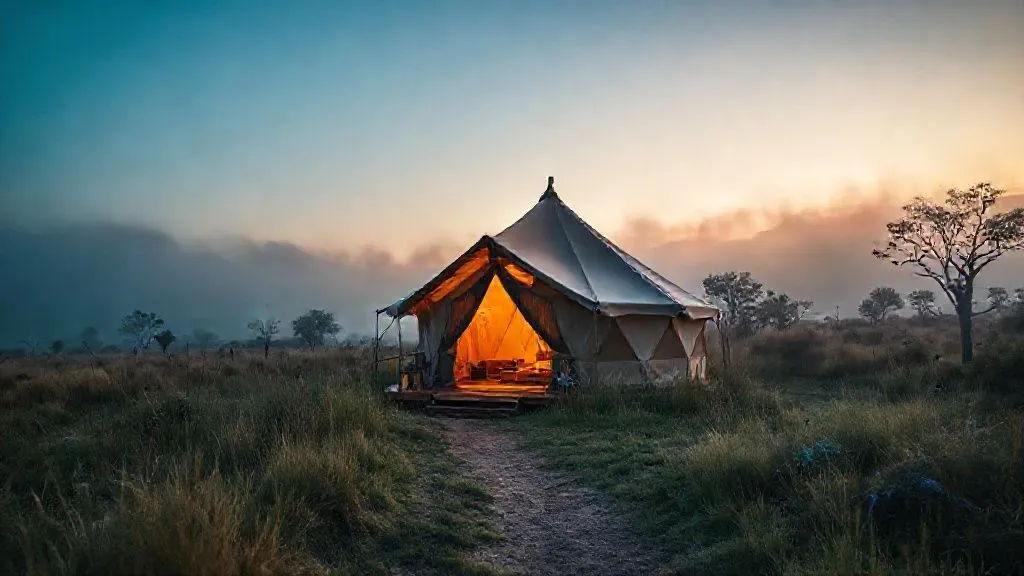
How to Manage Luxury Glamping Guest Expectations for Wilderness Comfort?
For over 15 years, navigating the intricate landscape of high-end travel and unique accommodations, I've witnessed a recurring challenge that can make or break a luxury glamping operation: the delicate art of managing guest expectations. It’s a tightrope walk between promising an unparalleled experience and ensuring the reality of wilderness immersion meets, or even exceeds, those lofty anticipations.
Many operators fall into the trap of over-promising the 'glamour' and under-delivering on the 'camping,' leaving guests feeling disconnected or, worse, disappointed by the very nature they came to embrace. The pain point is palpable: guests arrive expecting five-star hotel amenities seamlessly integrated into raw nature, only to find that even the most luxurious tent still exists within an ecosystem that has its own rules.
In this definitive guide, I will share my battle-tested frameworks and expert insights on how to manage luxury glamping guest expectations for wilderness comfort, ensuring both satisfaction and authentic connection. You'll discover actionable strategies, real-world case studies, and practical tools to bridge the gap between perceived luxury and the genuine joy of the wild, transforming potential pitfalls into memorable triumphs.
The Delicate Balance: Understanding the Modern Glamping Guest
Before we can effectively manage expectations, we must first deeply understand who our luxury glamping guest truly is. They aren't just seeking a bed in the woods; they're pursuing a curated experience that offers both escape and sophisticated comfort, a unique blend of adventure and indulgence.
Who is the Luxury Glamping Guest?
In my experience, the modern glamping guest is often discerning, well-traveled, and values authenticity as much as luxury. They are looking for:
- Unique Immersion: A desire to connect with nature without sacrificing the comforts they're accustomed to.
- Curated Experiences: Beyond just accommodation, they seek bespoke activities, local insights, and personalized service.
- Photogenic Moments: Driven by social media, they want experiences that are beautiful, shareable, and reflect their lifestyle.
- Effortless Adventure: The thrill of the outdoors, but with all the logistics and potential discomfort expertly handled.
- Sustainability & Ethics: Increasingly, they care about the environmental footprint and ethical practices of their chosen retreat.
"The luxury glamping guest isn't just buying a stay; they're investing in a story, an escape, and a curated memory. Our role is to ensure that story unfolds authentically and comfortably, even in the heart of the wild."
Understanding these underlying motivations is the bedrock upon which all successful expectation management is built. It's about recognizing that 'comfort' in the wilderness context is a nuanced concept, extending beyond plush bedding to encompass peace of mind, seamless logistics, and a sense of genuine connection.
Pre-Arrival Perfection: Setting Expectations from the First Click
The journey of managing guest expectations begins long before they even set foot on your property. It starts with your marketing, your booking platform, and every piece of communication they receive. This pre-arrival phase is your most crucial opportunity to paint an accurate, yet enticing, picture.
Crafting Immersive Digital Narratives
Your website and booking channels are your primary tools for expectation setting. I always advise clients to be meticulously honest and visually descriptive. Don’t just show the glamorous tent; show its context within the natural environment. Highlight both the luxury and the wilderness elements in equal measure.
- High-Quality, Contextual Photography: Use images that show the scale and surroundings. If the tent is accessible by a short hike, show that path. If there's wildlife, hint at it responsibly.
- Detailed Descriptions: Go beyond amenity lists. Describe the sounds of the forest, the stargazing opportunities, and the feeling of waking up amidst nature. Clearly state what is included and, crucially, what is *not*.
- Virtual Tours/Videos: A short video walkthrough can provide an invaluable sense of place, allowing guests to visually prepare for their experience, including any rustic elements.
- "Know Before You Go" Sections: Dedicate a prominent section to practical information. This should cover everything from weather preparedness to connectivity (or lack thereof), appropriate footwear, and what to pack.
This transparency builds trust and helps filter out guests whose expectations might be fundamentally misaligned. It's about attracting the *right* guests who will appreciate your unique offering.
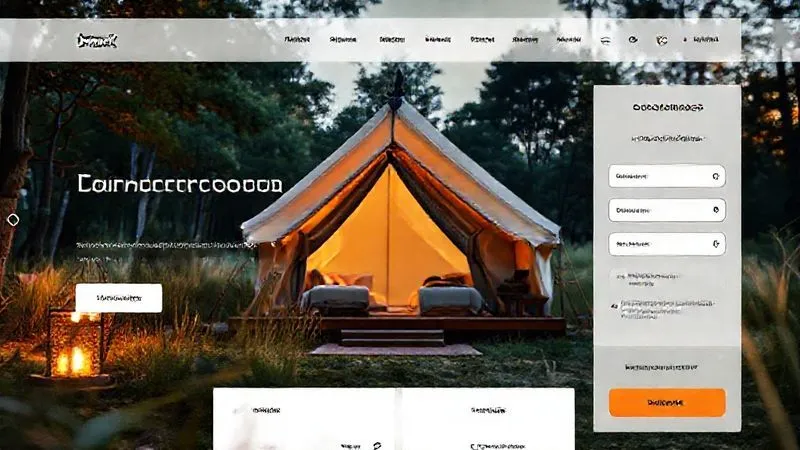
Transparent Communication & Pre-Stay Briefings
Once a booking is confirmed, your communication strategy becomes paramount. Automated emails and personalized messages should continue to reinforce realistic expectations while building excitement. I’ve found great success in a structured pre-stay briefing process.
- Welcome Email: Reiterate unique aspects of your glamping site and gently remind guests of its wilderness location.
- Preparation Guide: Send a comprehensive guide covering packing essentials (layers, sturdy shoes, insect repellent), weather expectations, and any specific site rules regarding wildlife or environmental preservation.
- Connectivity & Utilities: Be explicit about Wi-Fi availability (or lack thereof), charging stations, water sources, and any eco-conscious utility limitations.
- Arrival Instructions: Provide clear, visual directions, especially if the site is remote. Include details about parking, check-in procedures, and any initial walk or transfer required.
This proactive approach prevents surprises and allows guests to prepare mentally and physically for an authentic wilderness experience, albeit one wrapped in luxury.
| Phase | Key Information | Action |
|---|---|---|
| Booking Confirmation | Welcome message, re-emphasize wilderness context. | Send automated welcome email with link to 'About Us' and 'Location' pages. |
| 30 Days Pre-Arrival | Detailed packing list, local weather trends, activity options. | Email 'Your Adventure Prep Guide' with interactive links. |
| 7 Days Pre-Arrival | Final directions, check-in instructions, emergency contacts, dining options. | Personalized email/SMS with essential last-minute details. |
| 24 Hours Pre-Arrival | Weather update, welcome message, contact details for on-site host. | Final confirmation message via preferred guest communication channel. |
Arrival & Immersion: Bridging the Gap Between Expectation and Reality
The moment guests arrive on your property is a critical touchpoint. This is where the digital narrative must seamlessly transition into a tangible, satisfying reality. A well-executed arrival process can solidify positive expectations and immediately immerse guests in your unique brand of wilderness comfort.
The Power of the Personal Welcome
I always advocate for a personalized, warm welcome. A dedicated host or guide who greets guests, assists with luggage, and provides a brief orientation sets a welcoming tone. This isn't just about hospitality; it's about education and reassurance.
- Guided Tour: Don't just point; walk guests to their tent, explaining key features, how amenities work (e.g., composting toilet, off-grid power, wood-burning stove), and any safety protocols.
- Welcome Basket: A thoughtful basket with local treats, a personalized note, and perhaps a small, useful wilderness item (like a headlamp or a local trail map) makes a huge impact.
- Immediate Comfort: Ensure the tent is perfectly prepared – appropriate temperature, soft lighting, fresh linens, and any pre-ordered extras in place.
This initial interaction is your chance to gently reinforce the 'wilderness' aspect while highlighting the 'luxury' that makes it comfortable. It's about setting a tone of knowledgeable care.
Thoughtful Touches: Amenities that Matter
True luxury in glamping isn't about excess; it's about intelligent design and anticipating needs within the natural environment. My most successful clients focus on amenities that enhance the wilderness experience, rather than detract from it.
- Premium Bedding: A comfortable bed is non-negotiable. High-thread-count sheets, plush duvets, and quality pillows are paramount.
- Smart Climate Control: Provide effective heating (wood stove, propane heater) and cooling (fans, strategic tent placement, natural ventilation) options, with clear instructions for use.
- Luxury Bath & Body Products: Eco-friendly, high-quality toiletries elevate the experience while respecting the environment.
- Connectivity Options (Thoughtful): If Wi-Fi is limited, offer a designated charging station or a satellite communication device for emergencies, rather than promising universal connectivity.
- Outdoor Living Spaces: Furnished decks, fire pits with comfortable seating, and private outdoor showers enhance the connection to nature.
These thoughtful amenities signal to guests that their comfort is a priority, even amidst the rugged beauty of the wild.
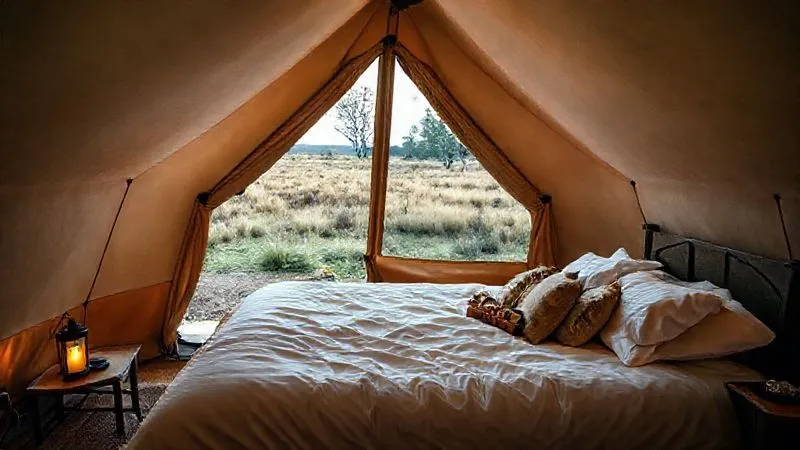
Navigating the Wild: Enhancing Comfort Without Compromising Authenticity
The core challenge of luxury glamping lies in delivering genuine wilderness immersion without sacrificing the expected levels of comfort. It's a delicate dance that requires innovative solutions and a deep respect for both guest needs and the natural environment.
Mastering Climate Control & Comfort Systems
One of the biggest variables in wilderness comfort is the weather. Guests expect to be comfortable regardless of external conditions. This means investing in robust, reliable systems.
- Insulated Structures: Beyond canvas, consider multi-layer tent fabrics, thermal linings, and elevated platforms to mitigate temperature extremes.
- Efficient Heating & Cooling: Provide clear, safe instructions for wood-burning stoves, propane heaters, or evaporative coolers. Consider smart thermostats where feasible.
- Water Management: Ensure consistent access to hot and cold running water, even in remote locations. Explain any water conservation efforts.
- Power Solutions: For off-grid sites, clearly communicate power availability for charging devices and lighting. Solar power systems, backed by generators for emergencies, are key.
I’ve seen operators who excel at this, providing a comprehensive guide to using their climate systems, making guests feel empowered rather than inconvenienced by the technology.
Seamless Wilderness Integration: Activities & Guided Experiences
True wilderness comfort often comes from feeling secure and well-informed within the natural setting. This is where curated activities and expert guides become invaluable. They bridge the gap between perceived danger or inconvenience and a rich, rewarding experience.
- Guided Nature Walks: Offer guided hikes that highlight local flora and fauna, teaching guests about the ecosystem rather than just letting them wander.
- Stargazing Sessions: Capitalize on dark skies with guided astronomy experiences, complete with telescopes and expert commentary.
- Outdoor Skills Workshops: Gentle introductions to bushcraft, fire-starting, or knot-tying can empower guests and deepen their connection to the wild.
- Local Cultural Immersion: Partner with local communities to offer authentic cultural experiences that respect traditions and provide unique insights.
Case Study: How 'Wilderness Serenity Glamp' Elevated Guest Satisfaction
Wilderness Serenity Glamp, a boutique operation nestled in the Canadian Rockies, initially struggled with guest complaints about unexpected cold snaps and perceived lack of 'things to do' beyond hiking. By implementing a multi-pronged approach, they transformed their guest experience.
First, they invested in upgrading their tent insulation and installed smart, remote-controlled propane heaters, allowing staff to pre-warm tents before guest arrival. Second, they introduced a daily 'Wilderness Wisdom' program, offering guided birdwatching, foraging walks, and evening storytelling around a communal fire pit. They also partnered with local indigenous guides for cultural interpretive tours.
This resulted in a 40% reduction in weather-related complaints and a 25% increase in positive reviews mentioning 'immersive experiences' and 'unexpected comfort'. Their NPS score climbed from 65 to 80 within a year, demonstrating the profound impact of proactive comfort management and authentic activity integration.
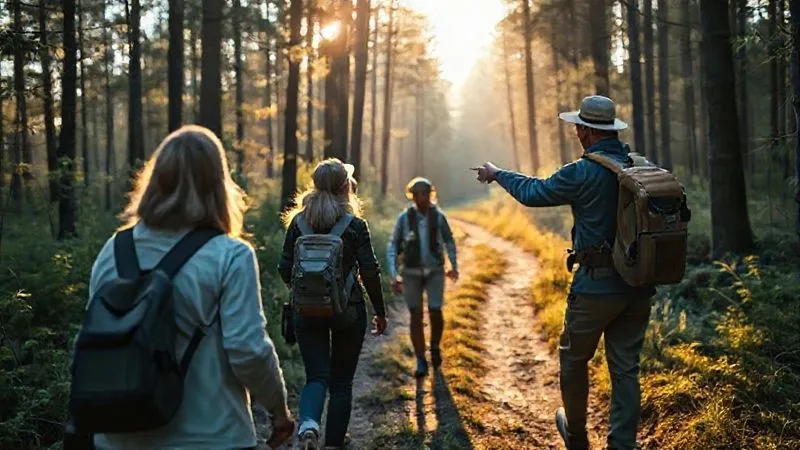
Proactive Problem Solving: Anticipating & Addressing Challenges
Even with the best preparation, unforeseen issues can arise in a wilderness setting. The key to managing expectations in these moments isn't about preventing every single problem, but about how swiftly and effectively you respond. This is where your team and your processes shine.
Empowering Your On-Site Team
Your staff are the frontline of guest experience. They must be empowered, trained, and equipped to handle a range of situations, from a power outage to a guest spotting a snake. I emphasize comprehensive training that covers not just hospitality, but also wilderness safety and basic troubleshooting.
- Extensive Training: Equip staff with knowledge on all tent systems, local wildlife, first aid, and emergency protocols.
- Clear Communication Channels: Ensure staff have reliable ways to communicate with each other and with guests, even in remote areas (e.g., satellite phones, two-way radios).
- Autonomy to Resolve: Give staff the authority to make immediate decisions to resolve minor issues, such as offering a complimentary upgrade or a small amenity to smooth over a rough patch.
- Regular Briefings: Hold daily briefings to discuss anticipated challenges (e.g., weather changes, scheduled maintenance) and ensure everyone is aligned on guest needs.
A confident, capable team instills trust and comfort in guests, even when the unexpected happens.
Feedback Loops: Turning Complaints into Opportunities
No operation is perfect, and sometimes expectations will still be unmet. How you handle negative feedback or complaints is a critical differentiator. View every complaint as an opportunity to learn and improve, not just to pacify a guest.
"The true measure of luxury service isn't the absence of problems, but the grace and efficiency with which those problems are resolved."
Establish clear, accessible channels for guests to provide feedback during their stay. This could be a direct line to their host, a discreet feedback card, or a digital survey. Crucially, act on this feedback promptly.
- Listen Actively: Allow guests to fully express their concerns without interruption.
- Apologize Genuinely: Acknowledge their feelings and apologize for any discomfort or inconvenience.
- Offer Solutions: Propose concrete steps to resolve the issue, whether it's moving to a different tent, providing extra blankets, or arranging an alternative activity.
- Follow Up: Check in with the guest later to ensure the resolution was satisfactory.
This proactive and responsive approach can transform a negative experience into a positive impression of your commitment to guest satisfaction. For more insights on effective service recovery, I often refer to studies on customer loyalty and service excellence, like those published by Harvard Business Review on customer service strategies.
Post-Stay Engagement: Cultivating Loyalty and Advocacy
The guest experience doesn't end when they check out. Post-stay engagement is vital for reinforcing positive memories, gathering valuable insights, and fostering a community of loyal advocates. This phase allows you to refine your operations and capitalize on positive word-of-mouth.
Soliciting & Responding to Feedback
A well-timed post-stay survey is invaluable. Ask specific questions about their comfort levels, the clarity of pre-arrival information, and their overall satisfaction with the wilderness aspect. This data is gold for identifying areas of improvement and understanding how well you're managing expectations.
- Personalized Thank You: Send a thank you email shortly after their departure, inviting them to share their experience.
- Targeted Surveys: Use short, focused surveys that are easy to complete. Ask about specific aspects like 'comfort of bedding,' 'ease of using amenities,' or 'enjoyment of wilderness activities.'
- Public Review Management: Actively monitor and respond to reviews on platforms like TripAdvisor, Google, and social media. Thank positive reviewers and thoughtfully address negative ones, demonstrating your commitment to continuous improvement.
Publicly responding to feedback, especially constructive criticism, shows potential future guests that you are attentive and dedicated to providing an excellent experience. It builds immense trust.
Building a Community of Glamping Enthusiasts
Beyond individual guests, aim to cultivate a community. This can be achieved through social media, email newsletters, or exclusive 'alumni' programs. Share updates, new offerings, and stories from your site that reinforce the unique blend of luxury and wilderness.
- Share Guest Stories: With permission, feature guest photos and testimonials on your platforms.
- Exclusive Offers: Provide repeat guests with special discounts or early access to new experiences.
- Content Marketing: Create blog posts or videos that delve deeper into the local ecosystem, sustainable practices, or tips for enjoying wilderness luxury, positioning your brand as a thought leader.
Loyal guests become your most powerful advocates, spreading authentic word-of-mouth that manages expectations far more effectively than any marketing campaign. The power of customer loyalty in driving repeat business and referrals is well-documented, as explored in various studies on Forbes Communications Council's insights on loyalty programs.
Sustainable Luxury: Integrating Eco-Consciousness into Guest Expectations
In today's conscientious travel landscape, managing expectations for wilderness comfort increasingly includes an understanding of environmental impact. Luxury glamping guests, particularly those seeking authentic nature experiences, often expect and appreciate sustainable practices. This isn't just a trend; it's a core value proposition.
Educating Guests on Environmental Stewardship
Integrate your commitment to sustainability into your guest journey from the outset. This isn't about making guests feel guilty; it's about inviting them to be part of a shared mission to protect the pristine environments they've come to enjoy. I advise making this educational, engaging, and empowering.
- Welcome Packet: Include a concise, visually appealing guide to your eco-friendly practices (e.g., water conservation, waste sorting, energy use).
- On-Site Signage: Use subtle, tasteful signage to remind guests of sustainable choices (e.g., 'Conserve Water, Enjoy Nature' in bathrooms).
- Guided Eco-Tours: Offer tours that highlight your conservation efforts or local environmental initiatives.
- Responsible Wildlife Viewing: Provide guidelines for interacting with local wildlife respectfully and safely, emphasizing observation over disturbance.
When guests understand the 'why' behind certain practices, their expectations align with your operational realities, enhancing their overall appreciation for the experience.
Showcasing Your Eco-Friendly Initiatives
Don't just practice sustainability; showcase it. Transparency about your efforts builds trust and reinforces the authentic wilderness experience. This can include your use of solar power, composting toilets, locally sourced food, or partnerships with conservation groups.
- Website Section: Create a dedicated page detailing your sustainability commitments and achievements.
- Social Media Stories: Share behind-the-scenes glimpses of your eco-friendly operations.
- Certifications: If applicable, display any eco-tourism certifications prominently.
- Guest Involvement: Offer opportunities for guests to participate in conservation efforts, like tree planting or beach clean-ups, if appropriate.
By openly communicating your sustainable ethos, you attract guests who value these principles, further aligning their expectations with the unique and responsible luxury you offer. For a deeper dive into sustainable tourism's impact, review reports from organizations like the UN World Tourism Organization on Sustainable Development Goals.
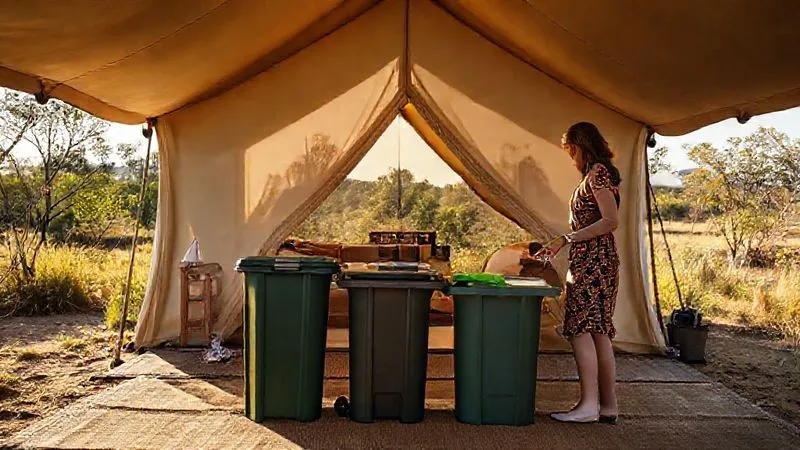
The Art of Storytelling: Marketing Authenticity Over Artifice
Finally, a critical component of how to manage luxury glamping guest expectations for wilderness comfort lies in the very narrative you craft around your brand. It’s about selling an authentic experience, not just a beautiful image. I’ve seen too many operators fall short by focusing solely on the ‘glam’ and neglecting the ‘ping’.
Highlighting Unique Wilderness Features
Every glamping site has a unique natural setting. Instead of generic luxury, lean into what makes your wilderness special. Is it a particular type of forest, a unique geological feature, a specific wildlife population, or an incredible night sky?
- Focus on the 'Sense of Place': Describe the local ecosystem, the sounds, the smells, and the indigenous history.
- Seasonal Narratives: Highlight how the experience changes with the seasons, from spring blooms to autumn foliage, managing expectations for varying conditions.
- Wildlife Spotting Guides: Provide information on local wildlife, including responsible viewing tips and safety precautions.
This specificity helps guests understand and appreciate the particular flavor of wilderness comfort you offer, moving beyond a one-size-fits-all luxury definition.
Visual Storytelling: Beyond the Glamour Shots
While stunning photography of your tents is essential, complement it with visuals that tell the story of the *experience*. Show guests genuinely engaging with nature, perhaps bundled up by a fire pit, hiking a trail, or enjoying a meal outdoors. These images manage expectations by showing the reality of wilderness interaction.
- Action Shots: Showcase guests participating in activities like canoeing, stargazing, or guided walks.
- Natural Light Photography: Emphasize natural beauty over artificial perfection.
- Behind-the-Scenes: Share glimpses of your team preparing the site, demonstrating the effort that goes into creating the comfortable wilderness experience.
Authentic visual storytelling, as discussed by experts in content marketing strategies, builds a more robust and realistic expectation set for your guests, ensuring they arrive prepared for the unique blend of luxury and nature you provide.
Frequently Asked Questions (FAQ)
Q: How do I manage guest expectations about Wi-Fi and cell service in a remote glamping location? A: Transparency is paramount. Clearly state on your website and in all pre-arrival communications that Wi-Fi and cell service may be limited or non-existent. Frame this as a benefit—an opportunity for a true digital detox and deeper connection with nature. You can offer a designated charging station in a communal area, provide a satellite phone for emergencies, or suggest downloading content offline before arrival. Emphasize that the luxury is in the escape, not constant connectivity.
Q: What's the best way to handle guests who complain about insects or wildlife encounters? A: First, acknowledge their discomfort with empathy. Then, gently re-educate them on the nature of a wilderness experience. Ensure your pre-arrival information clearly sets expectations about wildlife presence and advises on precautions (e.g., keeping food sealed, using repellent). On-site, provide insect repellent, screened tent openings, and educate staff on local wildlife behavior to offer reassurance. Frame wildlife encounters as part of the unique, authentic experience, reminding them this is why they chose glamping over a traditional hotel.
Q: How can I ensure guests are comfortable with temperature fluctuations in a glamping tent? A: Invest in high-quality, insulated tents and provide effective, easy-to-use heating and cooling options (e.g., wood stoves with clear instructions, fans, natural ventilation strategies). Provide ample, high-quality bedding and extra blankets. In your pre-arrival guide, advise guests to pack layers. During check-in, explain how to operate the climate control systems and offer immediate assistance if they're struggling. Proactive temperature management is key to wilderness comfort.
Q: Is it appropriate to charge extra for activities or services in a luxury glamping setting? A: Absolutely, as long as it's communicated clearly and upfront. Luxury glamping guests often expect bespoke experiences. Your base rate should cover core accommodation and amenities, but guided excursions, private dining experiences, wellness treatments, or special equipment rentals can be offered as premium add-ons. The key is transparency in pricing and ensuring the value of the add-on justifies the cost, enhancing their overall experience rather than feeling like nickel-and-diming.
Q: How do I balance offering luxury amenities with maintaining an eco-friendly footprint? A: This is a core challenge and opportunity. Focus on sustainable luxury. Use eco-friendly, locally sourced products (toiletries, food). Implement energy-efficient systems (solar power, composting toilets, water-saving fixtures). Educate guests on your sustainability efforts and invite them to participate (e.g., waste sorting, conserving water). Highlight how these practices enhance the authentic wilderness experience. The luxury is in the conscious choice and seamless integration of these elements, not in wasteful indulgence.
Key Takeaways and Final Thoughts
Managing luxury glamping guest expectations for wilderness comfort is not a singular task; it's an ongoing, integrated strategy that touches every aspect of your operation. From the initial digital impression to the post-stay engagement, every touchpoint is an opportunity to align perception with reality, ensuring a truly memorable and satisfying experience.
- Transparency is Your Ally: Be meticulously honest in your marketing and pre-arrival communications about both the luxury and the wilderness aspects.
- Invest in Intelligent Comfort: Prioritize amenities and systems that genuinely enhance comfort within a natural setting, rather than trying to replicate urban luxury.
- Empower Your Team: Your on-site staff are critical. Train them, equip them, and empower them to deliver exceptional service and problem-solving.
- Embrace Feedback: View complaints as opportunities for growth and continuous improvement, turning potential negatives into positive service recovery stories.
- Tell an Authentic Story: Market the unique blend of luxury and wilderness you offer, highlighting the true essence of your location and experiences.
By adopting these strategies, you won't just meet guest expectations; you'll redefine what wilderness comfort means, cultivating a loyal clientele who truly appreciate the unique, luxurious connection to nature that only glamping can provide. It's about crafting an experience that leaves guests not just comfortable, but deeply enriched and eager to return to the wild, knowing they're in expert hands.
Recommended Reading
- 7 Proven Ways to Make Your Family Travel Blog Shine in a Crowded Niche
- Unlock Hidden Gems: How to Find Unique Stops for Your Ultimate Road Trip!
- 7 Proven Strategies: How to Prevent Wild Animal Habituation to Tourists
- 5 Ethical Pillars: How to Allocate Medical Resources on Volunteer Missions?
- Best Time for Caribbean Ocean Cruises? Unveiling the Perfect Season

Your email address will not be published. Required fields are marked *