

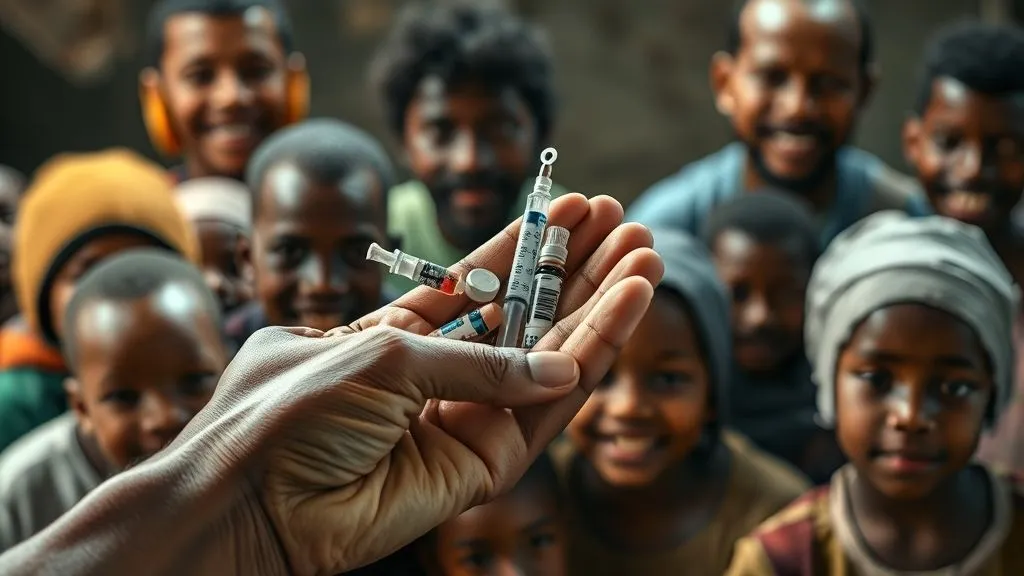
How to Ethically Allocate Medical Resources on Volunteer Missions?
For over 15 years in the field of volunteer travel, particularly within medical missions, I've witnessed firsthand the profound impact our work can have. But alongside the triumphs, I've also seen the agonizing ethical quandaries that arise when passionate volunteers confront the stark reality of limited resources. It's a heavy burden, knowing that every decision about who receives what, when, and how, carries immense moral weight.
The problem isn't just about scarcity; it's about navigating complex cultural contexts, respecting local healthcare systems, and upholding universal ethical principles in situations where ideal solutions are rarely available. Volunteers, driven by a desire to help, can inadvertently exacerbate inequalities or undermine local infrastructure if not equipped with a robust ethical framework for resource allocation. This isn't just a logistical challenge; it's a fundamental test of our integrity and commitment to 'do no harm.'
In this definitive guide, I will share the frameworks, practical strategies, and hard-won insights necessary to navigate these difficult waters. You'll learn how to proactively plan, make principled decisions on the ground, engage with local communities ethically, and ensure your mission contributes to sustainable, equitable healthcare solutions, all while answering the critical question: How to ethically allocate medical resources on volunteer missions?
Understanding the Unique Ethical Landscape of Volunteer Missions
When we step into a volunteer medical mission, we enter an environment fundamentally different from our home healthcare systems. The very act of volunteering often implies a temporary presence in a resource-constrained setting, creating unique ethical considerations that demand careful thought.
The Scarcity Paradox: More Need Than We Can Meet
The most immediate and pervasive challenge is scarcity. Whether it's medication, equipment, personnel, or even time, resources are almost always finite, while the needs are often overwhelming. This creates a painful paradox: our desire to help everyone clashes with the reality that we cannot. This isn't a failure of effort; it's an inherent aspect of working in underserved communities. Ignoring this reality only leads to ad-hoc, potentially unethical decisions.
"The greatest good for the greatest number" is a utilitarian principle often invoked in resource allocation, but its application in a volunteer mission requires deep contextual understanding and a commitment to protecting vulnerable individuals.
Cultural Sensitivity and Local Healthcare Systems
Another critical dimension is the existing local healthcare system and cultural norms. We are guests in these communities, and our interventions must complement, not undermine, local efforts. Imposing Western medical standards or practices without adaptation can be detrimental. I've seen missions bring in advanced equipment that local staff weren't trained to use or maintain, rendering it useless after the volunteers left. This is not only wasteful but also disrespectful.

The Role of Donors and External Influence
Donors, while essential, can also introduce ethical complexities. Their intentions are usually good, but their priorities might not always align perfectly with the most pressing local needs. For example, a donor might provide a large quantity of a specific drug, even if other medications are more urgently required. Balancing donor expectations with ethical resource allocation and local needs is a delicate dance that requires transparency and strong advocacy from the mission team.
The Core Principles of Ethical Resource Allocation
To navigate these complexities, we must ground our decisions in established ethical principles. These aren't just academic concepts; they are practical guides for action.
1. Justice and Equity: Fair Distribution
Justice demands that similar cases be treated similarly. In resource allocation, this means striving for a fair distribution of resources, ensuring that access to care is not determined by arbitrary factors like social status, wealth, or geographic proximity within the mission's operational area. This principle often conflicts with the reality of limited resources, forcing difficult choices.
- Horizontal Equity: Treating those with similar needs equally.
- Vertical Equity: Providing different levels of care based on differing needs, often favoring the most vulnerable.
2. Beneficence: Doing Good
Beneficence is the obligation to act for the benefit of others. In a medical mission, this means providing care that is genuinely helpful, effective, and tailored to the patient's best interests. It requires us to critically evaluate whether our interventions truly improve health outcomes and quality of life, rather than just providing temporary relief or interventions that might not be sustainable long-term.
3. Non-Maleficence: Avoiding Harm
The principle of "do no harm" is paramount. This extends beyond direct medical harm to include potential harm to local healthcare systems, cultural practices, or the community's self-sufficiency. For instance, providing free services indefinitely might inadvertently undermine local healthcare providers who charge a fee, making it harder for the community to access care once the mission leaves.
4. Autonomy: Respecting Self-Determination
While often challenging in emergency or resource-constrained settings, respecting patient autonomy means involving individuals in decisions about their own care as much as possible. This includes providing clear information (in a culturally appropriate manner) and obtaining informed consent. It also extends to respecting the autonomy of the local community in defining its own health priorities.
| Ethical Principle | Core Question for Missions | Potential Ethical Dilemma |
|---|---|---|
| Justice | Are we distributing resources fairly, without bias? | Prioritizing certain groups (e.g., children) over others. |
| Beneficence | Is our intervention genuinely beneficial and effective? | Providing care that is not sustainable or appropriate for the local context. |
| Non-Maleficence | Are we avoiding harm, both direct and indirect? | Undermining local healthcare systems or creating dependency. |
| Autonomy | Are we respecting patient and community self-determination? | Making decisions for patients without informed consent or ignoring local cultural preferences. |
Pre-Mission Planning: Proactive Ethical Frameworks
The most effective ethical allocation begins long before you set foot on the mission field. Proactive planning is crucial to minimize on-the-spot ethical dilemmas.
1. Needs Assessment and Resource Inventory
Before any supplies are packed, conduct a thorough needs assessment in collaboration with local partners. What are the most pressing health issues? What resources are truly needed, versus what might be available or easily procured locally? Simultaneously, take a detailed inventory of the resources your mission *actually* has. This honest assessment helps prevent over-promising and under-delivering.
- Engage Local Experts: Work with local doctors, nurses, and community leaders to identify priorities. Their insights are invaluable.
- Review Health Data: Consult local health ministry reports or WHO data to understand prevalent diseases and demographic needs.
- Inventory Existing Supplies: Categorize medications, equipment, and personnel skills. Understand expiration dates and maintenance requirements.
- Identify Gaps: Clearly articulate what your mission can realistically address and where external support or different resources might be needed.
2. Developing Clear Allocation Protocols
Establish clear, written protocols for resource allocation *before* the mission. These protocols should be transparent, based on the ethical principles discussed, and understood by all team members. This prevents arbitrary decisions and ensures consistency.
- Triage Guidelines: For acute care, define criteria for prioritizing patients based on severity, prognosis, and resource availability (e.g., START method for mass casualties).
- Medication Distribution Policies: How will medications be dispensed? For how long? What if a patient needs long-term medication not available locally?
- Equipment Usage: Who can use specific equipment? What is the plan for maintenance and calibration?
- Referral Pathways: When should a patient be referred to a local facility, and what resources are allocated for this?
3. Building Local Partnerships and Capacity
Ethical resource allocation isn't just about distributing goods; it's about building sustainable capacity. Partnering with local healthcare providers and organizations is paramount. This ensures that interventions are culturally appropriate and can continue after your departure.
"True humanitarian aid doesn't just deliver fish; it teaches fishing. Sustainable impact is the ultimate ethical imperative."
Invest in training local staff, sharing knowledge, and supporting existing infrastructure. This might mean allocating resources for educational materials, workshops, or even small equipment upgrades for local clinics, rather than solely focusing on direct patient care during the mission.
On-the-Ground Decision Making: Triage and Prioritization
Despite the best planning, real-time ethical dilemmas will emerge. Having a structured approach to on-the-ground decision-making is vital.
The Triage Challenge: When Every Life Matters, But Resources Don't Allow For All
Triage is the process of prioritizing patients based on the severity of their condition and the likelihood of survival with available resources. It's an incredibly difficult, often emotionally charged, aspect of medical missions.
- Utilize Established Protocols: Adhere to pre-defined triage guidelines (e.g., WHO guidelines for emergency care, or specific disaster triage systems). This reduces individual bias.
- Team Consensus: When possible, involve multiple medical professionals in triage decisions, especially for complex cases. A second opinion can provide clarity and distribute the ethical burden.
- Clear Communication: Explain decisions transparently to patients and their families, even when the news is difficult. Cultural sensitivity in communication is crucial.
Case Study: Navigating a Cholera Outbreak in Rural Haiti
Case Study: Prioritizing Care During a Cholera Outbreak
I recall a particularly challenging mission in rural Haiti during a localized cholera outbreak. Our small team had limited IV fluids, oral rehydration salts (ORS), and antibiotics. We faced dozens of patients daily, many severely dehydrated. Simply treating everyone as they arrived would quickly deplete our supplies, leaving later, potentially more critical, patients without care.
By implementing a pre-established triage protocol, we categorized patients:
- Red (Immediate): Severe dehydration, unresponsive, requiring immediate IV fluids and antibiotics.
- Yellow (Delayed): Moderate dehydration, able to take ORS, requiring close monitoring.
- Green (Minor): Mild symptoms, manageable with ORS and education, no immediate critical risk.
This allowed us to allocate our limited IV fluids to the 'Red' category patients with the highest chance of survival, while aggressively managing 'Yellow' patients with ORS and reserving a small buffer of antibiotics for those who progressed. We also dedicated significant time to educating 'Green' patients and their families on hygiene and ORS preparation. This systematic approach, though heartbreaking at times, ensured we maximized our impact and saved the most lives possible with the resources we had, rather than making arbitrary choices in the chaos.

Ethical Considerations in Prioritization
- Prognosis vs. Need: Should we prioritize those with the best chance of recovery or those in greatest need, even if their prognosis is poorer? This is a classic utilitarian vs. equity dilemma. Most ethical frameworks suggest prioritizing those with a reasonable chance of survival who would die without intervention.
- Life-Years Gained: Some frameworks consider the number of life-years that can be saved. While clinically logical, this can be ethically fraught, potentially devaluing the lives of older patients or those with pre-existing conditions.
- Social Value: Explicitly or implicitly, societies sometimes assign 'social value' to individuals (e.g., prioritizing children or essential workers). In volunteer missions, this must be approached with extreme caution to avoid discrimination.
Navigating Cultural Nuances and Local Healthcare Systems
Ethical allocation is inseparable from cultural competence and respect for local systems. To neglect these aspects is to risk doing more harm than good.
Respecting Traditional Practices and Beliefs
Local communities often have traditional healing practices and health beliefs that may differ significantly from Western medicine. Ethical engagement requires understanding and respecting these, rather than dismissing them. This doesn't mean abandoning evidence-based medicine, but finding ways to integrate or explain your care in a culturally sensitive manner.
- Learn Local Customs: Invest time in understanding local health beliefs, communication styles, and decision-making hierarchies.
- Collaborate with Traditional Healers: Where appropriate, seek opportunities to collaborate or at least communicate with traditional healers. They are often respected community figures.
- Offer Choices (When Possible): If a local remedy isn't harmful, and a patient prefers it, respect their choice while still offering your medical advice.
Strengthening, Not Supplanting, Local Infrastructure
A core ethical responsibility is to ensure that your mission strengthens the local healthcare system, rather than creating dependency or undermining its capacity. This principle directly impacts resource allocation.
- Prioritize Training and Education: Allocate resources (time, materials, equipment) to training local healthcare workers. This builds long-term capacity.
- Use Locally Available Resources: Whenever possible, procure medications and supplies locally. This supports the local economy and ensures that treatments are sustainable after your departure.
- Avoid Parallel Systems: Do not create a parallel healthcare system that diverts patients from existing local clinics. Work within or in direct support of the established system.
- Knowledge Transfer: Share your clinical knowledge and best practices with local staff, ensuring that any specialized skills introduced can be maintained locally.
Sustainable Impact: Beyond Immediate Aid
The ethical allocation of resources extends beyond the immediate mission. True ethical practice considers the long-term impact and sustainability of interventions.
Investing in Prevention and Public Health
While acute care is often the immediate focus, allocating resources to preventive measures and public health initiatives can have a far greater long-term impact. This could include:
- Vaccination Programs: Preventing disease is more cost-effective and beneficial than treating it.
- Water, Sanitation, and Hygiene (WASH) Education: Simple interventions can dramatically reduce disease burden.
- Nutrition Programs: Addressing malnutrition, especially in children, has profound long-term health benefits.
Transition Planning and Legacy
Every mission should have a clear transition plan for what happens to resources, knowledge, and patient care after the volunteers leave. This is a critical ethical component.
| Aspect | Ethical Allocation Strategy | Sustainability Impact |
|---|---|---|
| Medical Equipment | Donate only equipment that can be maintained and serviced locally, with training provided. Avoid advanced tech without local capacity. | Prevents 'medical graveyards'; builds local self-sufficiency. |
| Medications | Leave only essential, non-expired medications that are on the national formulary and can be managed by local staff. Avoid creating dependency on external supply chains. | Ensures continuity of care; supports local procurement. |
| Patient Records | Ensure secure, confidential transfer of patient data to local healthcare providers, respecting local privacy laws. | Enables ongoing patient care; strengthens local data management. |
| Knowledge/Skills | Prioritize training local staff (train-the-trainer models) and developing accessible educational materials. | Empowers local professionals; creates lasting human capital. |
What happens to leftover medications? Who takes over patient follow-up? How will equipment be maintained? These questions must be answered proactively, with resources allocated to support the transition.
As the World Health Organization (WHO) often emphasizes, health interventions must be sustainable and integrated into national health systems to be truly effective. This requires a shift in mindset from 'aid delivery' to 'capacity building and partnership.'
Transparency, Accountability, and Continuous Learning
The final pillars of ethical resource allocation are transparency, accountability, and a commitment to ongoing learning and improvement.
Open Communication with Stakeholders
Be transparent with everyone: your team, local partners, the community, and donors. Clearly communicate your mission's capabilities, limitations, and the rationale behind resource allocation decisions. This builds trust and manages expectations.
- Regular Briefings: Hold daily briefings with your team to discuss challenges and ethical dilemmas.
- Community Meetings: Engage with community leaders to explain your approach and listen to their concerns.
- Donor Reports: Provide honest reports on how resources were used and the impact achieved.

Establishing Clear Accountability Mechanisms
Who is responsible for what? Clear lines of accountability prevent confusion and ensure that ethical guidelines are followed. This includes financial accountability for donated resources and professional accountability for medical decisions.
According to a Lancet article on ethical global health partnerships, robust accountability frameworks are essential for ensuring that interventions are equitable and effective. This means not just tracking what was spent, but what was achieved, and how decisions were made.
Post-Mission Evaluation and Learning
Every mission is an opportunity to learn and improve. Conduct thorough post-mission evaluations, focusing not just on clinical outcomes but also on the ethical challenges faced and the effectiveness of allocation strategies. Share these lessons learned within your organization and with partners.
This commitment to continuous improvement, to critically assessing our own impact and learning from both successes and failures, is perhaps the most profound ethical responsibility we carry. It ensures that future missions are even more effective, more equitable, and more aligned with the true needs of the communities we serve.
Frequently Asked Questions (FAQ)
Q: What if local staff or community members disagree with our resource allocation decisions? This is a common and challenging situation. First, ensure your decision-making process was transparent and involved local input from the outset. If disagreement arises, engage in open, respectful dialogue. Explain the ethical framework, the limitations, and the rationale behind your choices. Listen actively to their concerns, as there might be cultural nuances or local knowledge you've missed. If a compromise is possible without violating core ethical principles or causing harm, consider it. If not, maintain your principled stance while continuing to build trust through communication and demonstrating your commitment to their well-being in other ways. Always prioritize non-maleficence and the long-term good of the community.
Q: How do we handle pressure from donors who want resources allocated in a specific way that doesn't align with local needs or our ethical framework? This requires strong advocacy and clear communication. Before accepting donations, establish clear terms regarding how resources will be allocated, emphasizing needs-based and ethical principles. Educate donors on the realities of the mission field and the importance of flexibility. Provide compelling evidence (needs assessments, local partner input) to support your allocation decisions. If a donor's demands are ethically unfeasible or harmful to the community, it's sometimes necessary to respectfully decline the donation, as difficult as that may be. Maintaining ethical integrity is paramount for long-term trust and impact.
Q: Is it ethical to leave behind medications or supplies if there's no local capacity to manage them? Generally, no. Leaving behind medications or equipment that cannot be properly stored, dispensed, maintained, or utilized by local staff can be unethical and harmful. It can lead to waste, misuse, expired drugs, or even create a dependency on external supplies that aren't sustainable. Resources should only be left if there's a clear plan for their ethical and effective use by local partners, including appropriate training and a supply chain strategy. Otherwise, it's better to ensure proper disposal or reallocation to another mission that can use them responsibly.
Q: How can we ensure cultural sensitivity when discussing sensitive topics like end-of-life care or difficult diagnoses in a resource-limited setting? Cultural sensitivity in these conversations is critical. Start by understanding local beliefs around illness, death, and family decision-making. Always involve a trusted local interpreter if you're not fluent in the local language. Avoid medical jargon. Focus on empathetic listening and providing information in a way that respects their values and traditions. Decision-making might be communal rather than individual; respect this process. Be prepared for different responses to prognoses than you might expect in your home country. The goal is to inform and support, not to impose your cultural norms.
Q: What role does a volunteer's personal emotional response play in ethical allocation, and how can it be managed? A volunteer's emotional response, particularly empathy and compassion, is a powerful motivator but can also cloud judgment in ethical allocation. Witnessing immense suffering can lead to a desire to help every individual, potentially undermining a systematic, equitable approach. It's crucial for teams to acknowledge these emotions and provide support. Regular debriefings, peer support, and adherence to pre-established protocols help manage emotional responses. Remind yourself that ethical allocation isn't about ignoring individual suffering, but about making the most impactful and just decisions for the collective good within severe constraints. It's a professional and ethical duty to balance empathy with objective decision-making.
Key Takeaways and Final Thoughts
- Proactive Planning is Paramount: Ethical allocation begins with comprehensive pre-mission needs assessments and the development of clear, transparent protocols.
- Anchor Decisions in Core Ethics: Ground all choices in principles of justice, beneficence, non-maleficence, and autonomy.
- Prioritize Local Partnership: Collaborate with and strengthen local healthcare systems and respect cultural nuances to ensure sustainable impact.
- Beyond Immediate Relief: Allocate resources not just for acute care, but also for prevention, public health, and long-term capacity building.
- Embrace Transparency and Learning: Maintain open communication, establish accountability, and commit to continuous evaluation and improvement for every mission.
The question of how to ethically allocate medical resources on volunteer missions is not a simple one with easy answers. It is a continuous journey of learning, adapting, and making difficult decisions with integrity and compassion. By committing to these ethical frameworks and embracing a mindset of partnership and sustainability, we can ensure our volunteer efforts truly make a lasting, positive difference, upholding the highest standards of care and respect for the communities we serve. Our goal isn't just to provide aid, but to empower, to heal, and to leave behind a legacy of strengthened health and hope.
Recommended Reading
- Space Tourism: How to Ethically Handle the Environmental Impact?
- Maximize Language Gain: 7 Strategies for Short Cultural Trips
- Fund Your Eco-Lodge's 100% Renewable Transition: 7 Proven Strategies
- Navigating Ethical Sourcing: 7 Key Challenges for Cultural Travel & Crafts
- Unlock Seamless Travel: How to Prepare for an Overnight Train Journey





Your email address will not be published. Required fields are marked *