

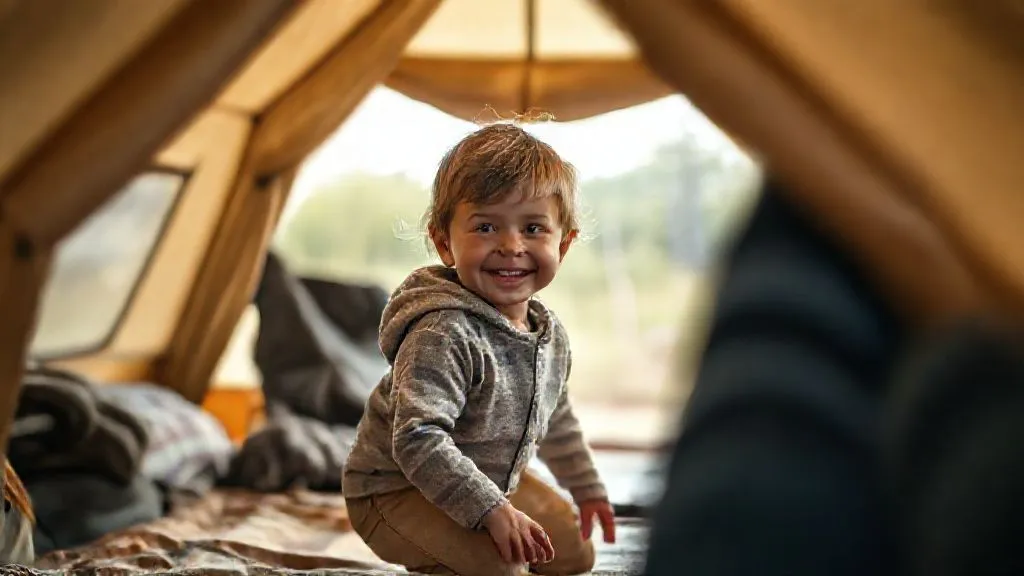
How to Mitigate Child Safety Risks at Family Glamping Sites?
For over 15 years in the travel and glamping industry, I've had the privilege of witnessing countless families create unforgettable memories under canvas and stars. Glamping offers a unique blend of outdoor adventure and creature comforts, a perfect setting for family bonding. However, I've also observed a common oversight: the assumption that 'luxury' automatically equates to 'safety,' especially when it comes to our most precious travelers – our children.
The paradox of glamping lies in its beautiful duality: it brings us closer to nature while providing upscale amenities. This environment, while enchanting, presents unique challenges when children are in tow. Parents often grapple with the anxiety of balancing their child's natural curiosity and desire for exploration with the inherent, sometimes subtle, risks of a wilderness-adjacent setting.
This comprehensive guide is born from my extensive experience, designed to empower you with the knowledge and actionable frameworks to proactively address and significantly mitigate child safety risks at family glamping sites. We'll delve into expert insights, practical strategies, and real-world tips, ensuring your next family glamping adventure is not only memorable but also wonderfully secure.
Understanding the Unique Glamping Environment: Nature's Classroom, Nature's Challenges
Glamping, at its core, is about immersing ourselves in nature without sacrificing comfort. It’s a fantastic opportunity for children to connect with the outdoors, learn about ecosystems, and develop a deeper appreciation for the natural world. Yet, this very immersion means navigating an environment that is less controlled than your typical resort.
The Allure vs. The Reality
The allure of glamping – waking up to birdsong, evenings by a crackling fire, the freedom of open spaces – is undeniable. However, the reality is that these idyllic settings often come with uneven terrain, unpredictable weather, and the presence of local wildlife. My experience has taught me that acknowledging these elements upfront is the first step in proactive safety planning.
These are not insurmountable obstacles, but rather aspects that require informed preparedness. We must equip ourselves and our children with the awareness to navigate these natural challenges safely. It's about respecting the environment while enjoying its bounty.
"Nature is not a place to visit. It is home." – Gary Snyder. This profound truth means we must treat it with respect and understand its inherent dynamics, especially when bringing children into its embrace.
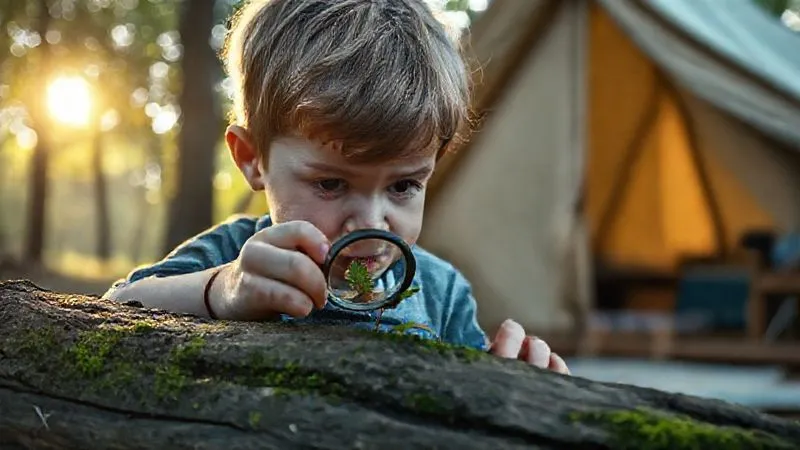
Pre-Trip Planning: The Foundation of a Safe Glamping Adventure
The success and safety of any glamping trip begin long before you pack the first suitcase. Diligent pre-trip planning is, in my professional opinion, the most critical phase for mitigating child safety risks at family glamping sites.
Site Selection & Research
Choosing the right glamping site is paramount. Not all sites are created equal, especially regarding child-friendliness and safety protocols. I always advise families to be incredibly discerning.
- Thoroughly Check Reviews: Look for mentions of child safety, family amenities, and supervision. Pay attention to any negative feedback regarding hazards or lack of oversight.
- Inquire About Safety Protocols: Directly contact the glamping site. Ask about their specific child safety measures, emergency procedures, staff training, and if they have designated safe play areas.
- Assess the Environment: Use satellite maps and website photos to gauge the proximity to water bodies, steep drops, or dense wilderness. Understand the general terrain and layout.
- Look for Child-Specific Amenities: Sites with fenced play areas, kids' clubs, or guided activities often indicate a higher level of child-focused safety consideration.
Packing Smart for Safety
Your packing list should extend beyond stylish outfits and gourmet food. Safety gear is non-negotiable for a secure glamping experience. I've seen countless trips derailed by preventable minor injuries or lack of essential items.
- Comprehensive First-Aid Kit: Don't just pack a few band-aids. Include antiseptic wipes, pain relievers (child-specific), allergy medication, blister treatment, insect bite cream, tweezers, and any prescription medications your child needs. For a detailed guide, consider resources like The American Red Cross First Aid & CPR resources.
- Appropriate Clothing: Pack layers for varying temperatures, sturdy closed-toe shoes for exploration, rain gear, and sun protection (hats, long sleeves).
- Communication Devices: Ensure fully charged phones, a portable charger, and consider a satellite messenger if you're venturing into areas with poor cell service.
- Safety Gadgets: Headlamps or flashlights for each child, a whistle for emergencies, and child-specific bug repellent.
On-Site Vigilance: Establishing Boundaries and Rules
Once you arrive at your glamping destination, the immediate actions you take are crucial. This is where you translate your planning into practical, real-time safety measures. I've always emphasized that vigilance isn't about stifling fun, but about enabling it securely.
Immediate Site Assessment & Child Orientation
Before unpacking or letting the kids run wild, take a collective moment to orient yourselves. This walk-through is an invaluable step in how to mitigate child safety risks at family glamping sites.
- Hazard Identification Walk: With your children, walk around your specific glamping unit and its immediate surroundings. Point out potential hazards like uneven ground, thorny bushes, slippery rocks, or proximity to water.
- Establish 'Safe Zones': Clearly define the boundaries where children are allowed to play unsupervised (if applicable) and areas that are off-limits without an adult. Use visual markers if possible.
- Discuss Rules & Consequences: Have a clear, age-appropriate discussion about the rules. For example: “Always stay within sight of an adult,” “No running near the fire pit,” “Ask before exploring new areas.” Explain why these rules are important, focusing on safety rather than restriction.
- Identify Emergency Meeting Point: Designate a specific, easily recognizable spot where everyone should go if they get separated or an emergency occurs.
Supervising Play & Exploration
Glamping encourages exploration, and rightly so. Our role as parents is to facilitate this safely. It's a delicate balance between giving children freedom and maintaining essential oversight.
For younger children, constant, direct supervision is non-negotiable. For older children, consider a 'zone defense' approach: assign different adults to supervise specific areas or activities. Always know where your children are and what they are doing. This doesn't mean hovering, but rather maintaining an active awareness of their whereabouts and activities, especially in an unfamiliar environment.
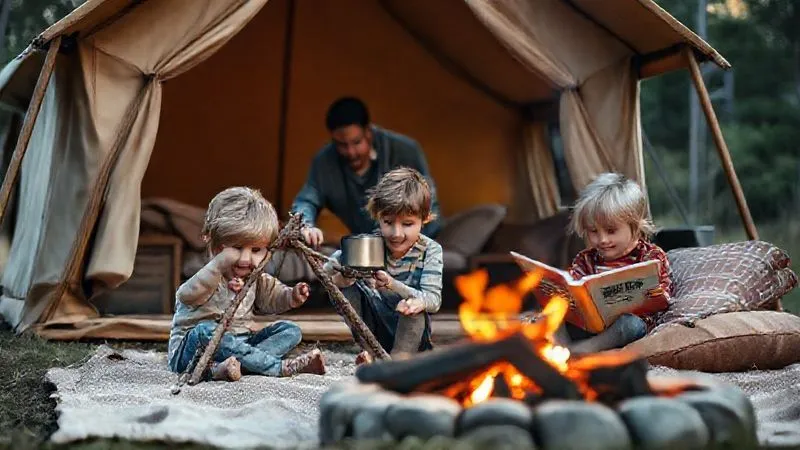
Addressing Specific Glamping Hazards
Glamping introduces a unique set of hazards that differ from traditional home or even hotel environments. Acknowledging and preparing for these specific risks is central to how to mitigate child safety risks at family glamping sites effectively.
Wildlife Encounters: Respecting Co-Inhabitants
Being close to nature means sharing space with wildlife. Most animals are more afraid of humans than vice versa, but accidental encounters can be dangerous. I've always advised a proactive approach to wildlife safety.
- Secure Food Storage: Never leave food unattended outside your glamping unit. Use animal-proof containers and store food inside, preferably in sealed bins or coolers. This prevents attracting curious critters.
- Make Noise: When hiking or walking in wooded areas, make noise to alert animals to your presence. This reduces the chance of surprising an animal.
- Never Approach or Feed: Teach children the golden rule: observe wildlife from a distance and never, under any circumstances, approach or feed wild animals. This protects both the animals and your family.
- Research Local Wildlife: Before your trip, learn about the specific wildlife in the area. Understanding common behaviors and potential dangers (e.g., bears, snakes, scorpions) helps in prevention. For expert guidance on wildlife safety, refer to resources like the National Park Service's Wilderness Safety guidelines.
Fire Safety: The Heart of the Camp, The Edge of Danger
A campfire is often the quintessential glamping experience, but it's also a significant hazard, especially for children. My advice is always to treat fire with immense respect and constant vigilance.
- Designated Fire Pits Only: Only use established fire pits or designated areas provided by the glamping site. Never start a fire on dry ground or near flammable materials.
- Clear Perimeter: Establish a clear, wide perimeter around the fire pit where children are not allowed to enter without direct adult supervision.
- Water & Sand Nearby: Always have a bucket of water and/or sand readily available to extinguish sparks or the fire quickly in an emergency.
- Adult Supervision: A responsible adult must always be actively supervising the fire when it's lit, from the first spark to the last ember.
- Completely Extinguish: Before leaving the fire or going to bed, ensure the fire is completely out. Douse it with water, stir the ashes, and repeat until no heat or smoke remains.
Water Safety: Lakes, Rivers, and Ponds
Many glamping sites are situated near beautiful bodies of water, which are incredibly inviting but also pose significant risks to children. Drowning can happen silently and quickly, even in shallow water.
- Constant, Active Supervision: This is non-negotiable. An adult must be within arm's reach of young children near or in any body of water. Avoid distractions like phones.
- Life Jackets: Ensure children wear properly fitted life jackets whenever they are near or on the water, regardless of their swimming ability.
- Understand Currents & Depths: Be aware of any currents in rivers or lakes, and understand how quickly water depth can change. Do not assume still water is safe.
- No Unsupervised Access: Ensure children cannot access water bodies without an adult present. If your glamping unit is near water, consider physical barriers if available.
| Hazard Category | Common Risk | Mitigation Strategy |
|---|---|---|
| Wildlife | Bites/Scratches, Food Contamination | Secure food, make noise, educate children to observe from distance. |
| Fire | Burns, Uncontrolled Spreads | Use designated pits, establish perimeter, constant supervision, have water/sand ready. |
| Water | Drowning, Hypothermia | Constant supervision, life jackets, understand currents, no unsupervised access. |
| Terrain | Falls, Sprains | Wear sturdy shoes, establish safe zones, teach awareness of uneven ground. |
Glamping Accommodation Safety: Beyond the Tent Canvas
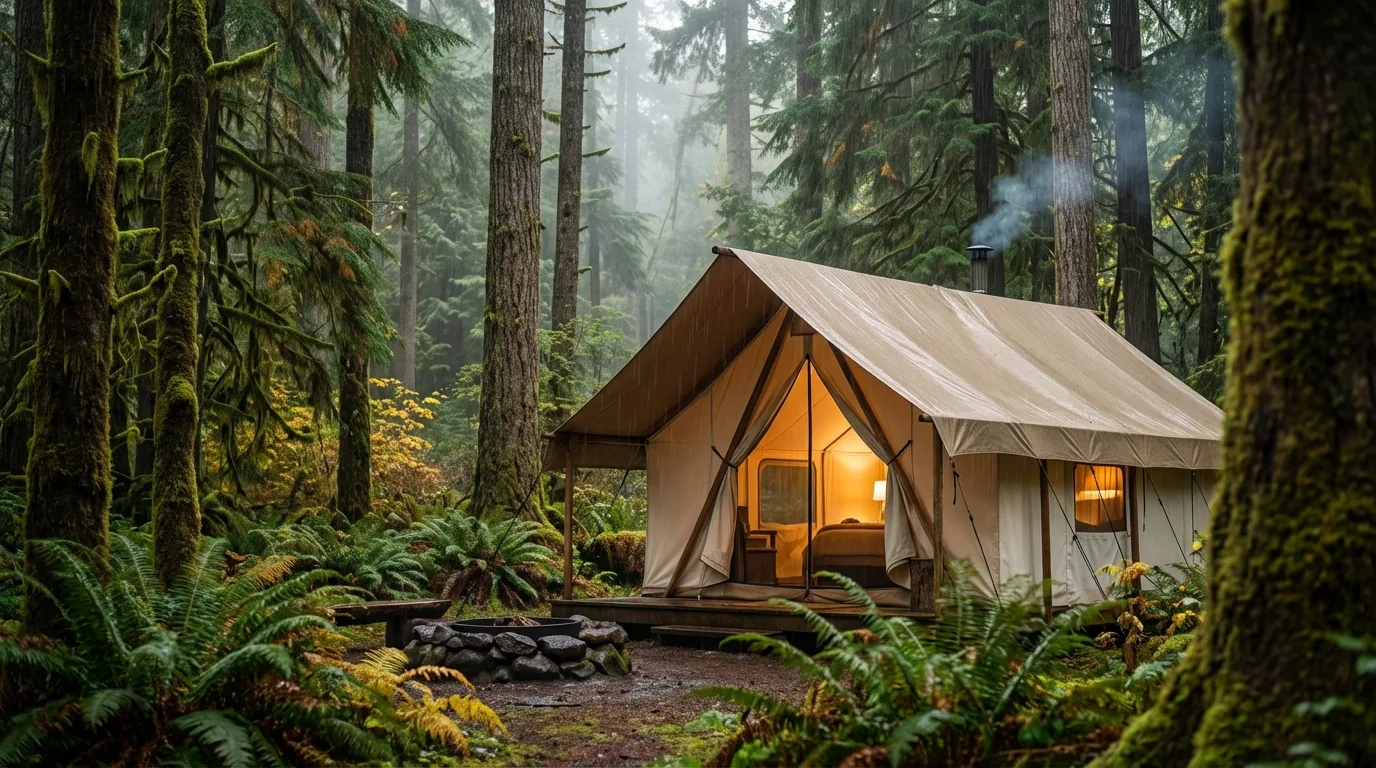
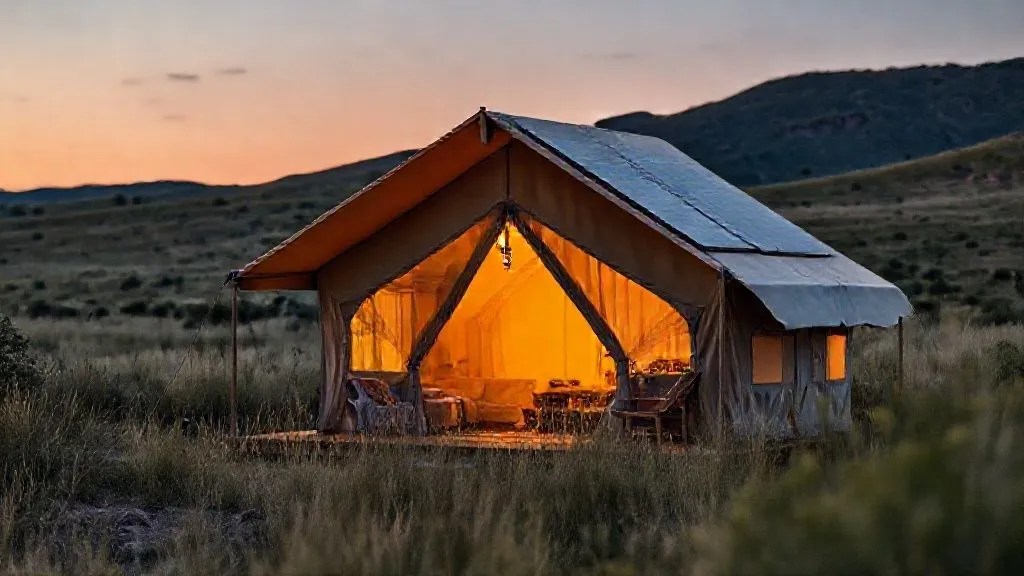
While the allure of glamping is its connection to nature, the accommodation itself, whether a luxury tent, yurt, or cabin, also requires specific safety considerations. These structures, while often beautiful, are not always built with the same child-proofing standards as a typical home.
Securing the Structure
Upon arrival, I always recommend a thorough inspection of your glamping unit. This check is a vital part of how to mitigate child safety risks at family glamping sites from an internal perspective.
- Check Zippers & Latches: Ensure all tent zippers, door latches, and window fastenings are fully functional and can be secured from the inside. This helps prevent accidental wandering and keeps unwanted critters out.
- Inspect Furnishings: Check that all furniture (beds, tables, chairs) is stable and not prone to tipping. Secure any loose items that could fall or be pulled down by small hands.
- Secure Loose Ropes/Cords: Many glamping tents feature ropes, guy lines, or decorative cords. Ensure these are tied up and out of reach of small children to prevent entanglement or strangulation hazards.
- Clear Pathways: Keep pathways within the tent clear of clutter to prevent tripping hazards, especially during nighttime excursions to the restroom.
Electrical & Heating Appliance Safety
Many luxury glamping units come equipped with electrical outlets, heaters, or even small kitchen appliances. These conveniences introduce potential risks that need careful management.
- Carbon Monoxide Detectors: If your glamping unit has any form of indoor heating or cooking appliance that uses fuel (gas, wood, propane), a battery-operated carbon monoxide detector is absolutely essential. Carbon monoxide is odorless and colorless, making it incredibly dangerous.
- Proper Ventilation: Ensure adequate ventilation when using any heating or cooking appliances inside. Never block vents or use appliances not designed for indoor use.
- Child-Safe Outlets: If your unit has accessible electrical outlets, consider bringing outlet covers, especially for toddlers and young children.
- Appliance Placement: Keep hot appliances (kettles, portable heaters) out of reach of children and away from flammable materials. Unplug them when not in use.
Always assume a risk where carbon monoxide is concerned. A portable CO detector is a small investment that offers immense peace of mind and can be a literal lifesaver in glamping setups with indoor heating or cooking.The National Fire Protection Association (NFPA) provides critical information on carbon monoxide safety that every glamping family should review.
Emergency Preparedness: When the Unexpected Happens
No matter how meticulously you plan, unforeseen circumstances can arise. Being prepared for emergencies isn't about anticipating disaster; it's about having a clear, calm response plan. This is a cornerstone of how to mitigate child safety risks at family glamping sites effectively.
Developing a Family Emergency Plan
A family emergency plan is your blueprint for action when things go awry. It's a discussion you should have with your children before you even leave home.
- Designate a Meeting Point: If you get separated, where do you all meet? Make it a distinctive, easy-to-find landmark near your glamping unit.
- Communication Strategy: How will you communicate if cell service is down? Practice using whistles for attention or specific calls. Teach older children how to use a satellite messenger if you have one.
- 'What If' Scenarios: Briefly discuss what to do if a child gets lost, if there's a medical emergency, or if severe weather hits. Empower children with knowledge, rather than fear.
- Emergency Contacts: Have a list of essential contacts (local emergency services, glamping site management, family doctor) readily accessible, both digitally and as a hard copy.
Basic First Aid & Emergency Contacts
Beyond your well-stocked first-aid kit, having basic first-aid knowledge can make all the difference. Refreshing these skills is a small investment for a significant return in safety.
Case Study: The Henderson Family's Quick Response
The Henderson family was glamping when their youngest, Leo (age 5), scraped his knee badly after a minor fall on a gravel path. Thanks to their pre-packed, well-stocked first-aid kit and designated 'first responder' parent, they quickly cleaned and dressed the wound using antiseptic wipes, gauze, and a child-friendly bandage. This immediate and efficient response prevented infection and avoided an unnecessary trip to a local clinic. Their proactive approach stemmed from their detailed emergency plan, which included a review of basic first aid procedures and knowing exactly where the kit was located before every trip. This peace of mind allowed them to continue enjoying their glamping holiday without major disruption.
Consider taking a basic wilderness first aid course, or at least reviewing online resources for common outdoor injuries. Knowing how to handle a sprain, a deep cut, or an allergic reaction can significantly impact outcomes. For more advanced wilderness first aid, organizations like NOLS Wilderness Medicine offer excellent programs.
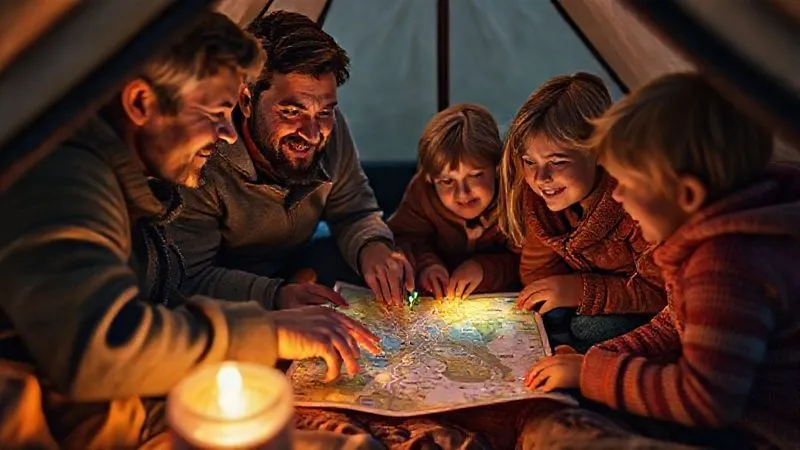
Fostering a Culture of Safety & Responsibility in Children
The most effective safety strategies are those that involve and empower children. Teaching them about safety isn't just about rules; it's about instilling a sense of responsibility and awareness. This approach is key to how to mitigate child safety risks at family glamping sites in the long term.
Engaging Kids in Safety Discussions
Children are more likely to adhere to rules they understand and feel a part of. Make safety a collaborative effort, not a punitive one.
- Age-Appropriate Explanations: Explain risks in a way they can comprehend. Instead of "Don't touch that!" try "That fire is very hot; it can burn you badly. Let's keep our hands safe by staying back."
- The 'Buddy System': Encourage older children to look out for younger siblings or friends. Assigning a 'buddy' can foster responsibility and add an extra layer of supervision.
- Practice & Role-Play: Briefly practice what to do if they get lost (e.g., "Stay put, shout for help") or how to respond to a perceived danger. This builds confidence.
- Involve Them in Decision-Making: Let them help choose a safe play area or identify potential hazards during your initial site walk-through. This makes them active participants in their own safety.
Leading by Example
Children are keen observers. Your actions speak louder than any words or rules you lay down. If you consistently model safe behaviors, your children are far more likely to adopt them.
Always wear your life jacket near water, use a headlamp at night, clean up your campsite, and respect wildlife. These actions reinforce the lessons you're trying to teach. By demonstrating responsible outdoor behavior, you're not just mitigating immediate risks; you're building a foundation for a lifetime of safe and enjoyable adventures.
Frequently Asked Questions (FAQ)
How do I choose a truly child-safe glamping site? Beyond checking reviews and amenities, I recommend calling the site directly. Ask specific questions: Do they have fenced areas? What are their emergency response times? Are staff trained in first aid? Do they offer child-focused activities with supervision? A site that can answer these confidently and transparently is generally a good indicator of a child-safe environment.
What's the most overlooked safety risk for kids at glamping sites? In my experience, it's often the cumulative effect of seemingly minor hazards, particularly uneven terrain and hidden tripping hazards around the glamping unit itself. What seems like a small root or rock to an adult can be a significant fall risk for a child running excitedly. Also, the temptation to explore dense, unmanaged vegetation right outside the unit is often underestimated.
How can I manage screen time vs. outdoor exploration safely? Establish clear screen time rules before the trip, but also make outdoor exploration irresistible. Plan engaging, age-appropriate activities like scavenger hunts, nature journaling, or stargazing. When kids are engrossed in an activity, they are often safer because their focus is directed. Remember, a balance promotes both enjoyment and safety.
Are portable carbon monoxide detectors really necessary for all glamping setups? Absolutely. If your glamping unit has any enclosed heating source (propane, wood stove, gas heater) or cooking appliance (gas stove, grill used too close), a portable carbon monoxide detector is not just recommended, it's critical. It's a silent killer, and the risk is simply too high to ignore for the sake of a small, inexpensive device. Better safe than sorry, always.
What's the best way to teach kids about wildlife safety without scaring them? Frame it as respect and observation. Teach them that animals are wild and need their space. Explain that we are visitors in their home. Use stories or educational videos before the trip. Emphasize that keeping a safe distance protects both them and the animals, allowing everyone to enjoy nature peacefully. Focus on practical actions like not leaving food out, rather than instilling fear.
Key Takeaways and Final Thoughts
- Proactive Planning is Paramount: Your pre-trip research and packing are the bedrock of a safe glamping experience.
- Vigilance is Key On-Site: Constant, active supervision and clear boundaries are non-negotiable, especially in unfamiliar natural settings.
- Educate & Empower: Involve your children in safety discussions and teach them about potential hazards in an age-appropriate, empowering way.
- Address Specific Risks: Be aware of and prepare for unique glamping hazards like wildlife, fire, and water, as well as accommodation-specific concerns.
- Be Prepared for Emergencies: A well-thought-out family emergency plan and basic first-aid knowledge can make all the difference when the unexpected occurs.
Family glamping offers an incredible opportunity to disconnect from the everyday and reconnect with each other amidst stunning natural beauty. By applying these expert strategies on how to mitigate child safety risks at family glamping sites, you’re not just preventing accidents; you’re building confidence, fostering resilience, and ensuring that your children’s outdoor adventures are filled with joy, discovery, and, most importantly, absolute peace of mind. Go forth, explore, and create those cherished memories, safely.
Recommended Reading
- 7 Pillars: Differentiating Luxury Yurt Glamping in Saturated Markets
- Cruises for Team Building: 7 ROI-Driven Ways to Justify the Investment
- Solo Freedom Travel: 7 Steps to Career Growth While Exploring
- Film Crew Road Trips: 4 Steps to Optimal Rest Stop Logistics
- The Essential Guide: How to Stay Safe and Healthy at a Music Festival

Your email address will not be published. Required fields are marked *