

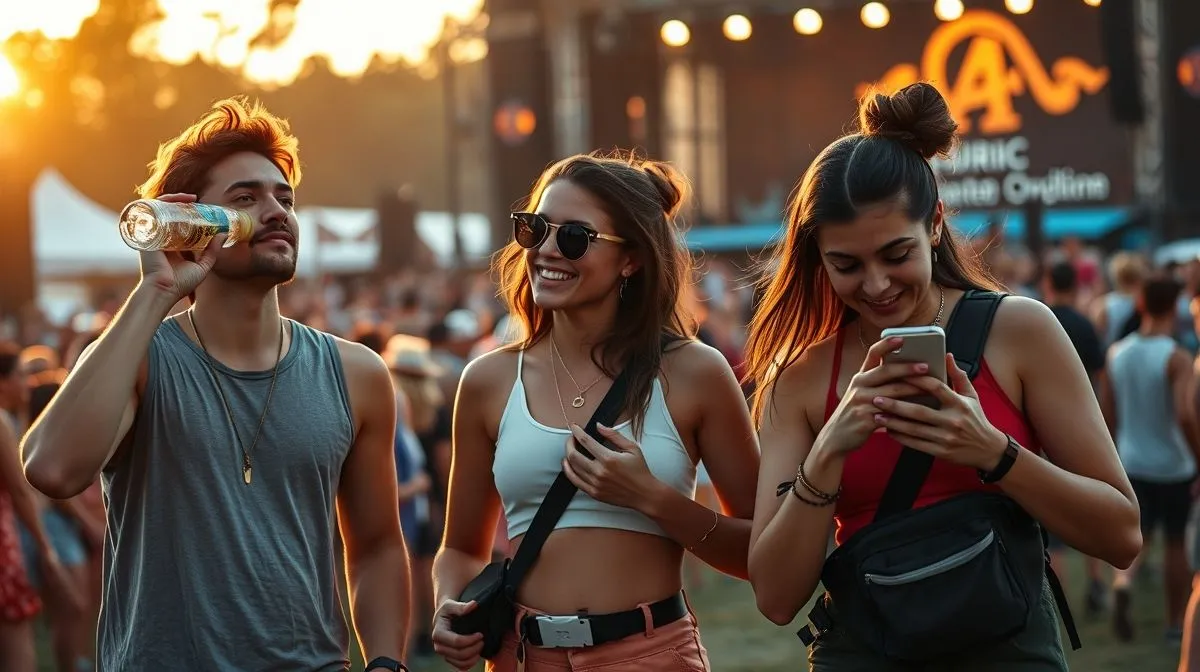
How to Stay Safe and Healthy at a Music Festival: Your Ultimate Guide
Imagine the pulsating bass, the dazzling light shows, the collective roar of thousands singing along to their favorite anthem. Music festivals are more than just concerts; they are immersive experiences, temporary utopias where memories are forged and spirits soar. But amidst the euphoria, have you ever paused to consider the silent risks that lurk beneath the surface of all that excitement?
From dehydration and sunstroke to personal security concerns and overwhelming crowds, the very elements that make festivals so thrilling can also pose significant challenges to your well-being. Many festival-goers, swept up in the moment, overlook crucial precautions, leading to preventable health issues or even dangerous situations that can quickly turn a dream weekend into a nightmare.
This comprehensive guide is designed to empower you with the knowledge and practical strategies you need to navigate the festival landscape safely and healthily. By the end of this article, you will be equipped with actionable advice on everything from essential packing and hydration tactics to personal security and mental well-being, ensuring your next festival adventure is not only unforgettable but also impeccably safe, demonstrating how to stay safe and healthy at a music festival.
Preparation is Paramount: Your Festival Checklist
The foundation of any successful and safe festival experience lies in meticulous preparation. Thinking ahead about what you'll need and what situations you might encounter can dramatically reduce risks and enhance your overall enjoyment. Don't underestimate the power of a well-packed bag and a well-researched itinerary.
Essential Packing for Health and Safety
Your festival packing list should prioritize health and safety items above all else. These aren't just conveniences; they're your first line of defense against common festival ailments and mishaps.
- Reusable Water Bottle: Absolutely non-negotiable. Most festivals offer free water refill stations.
- High-SPF Sunscreen: Crucial for protecting your skin from intense sun exposure.
- Wide-Brimmed Hat & Sunglasses: Offers additional protection from the sun's harsh rays.
- Comfortable, Closed-Toe Shoes: You'll be on your feet for hours, often in crowded, uneven terrain.
- Basic First-Aid Kit: Include band-aids, antiseptic wipes, pain relievers, allergy medication, and any personal prescriptions.
- Earplugs: Protect your hearing from dangerously loud music levels.
- Portable Phone Charger: Essential for staying connected and for emergencies.
- Lightweight Layers: Temperatures can fluctuate dramatically from day to night.
- Identification (ID) & Emergency Contacts: Keep these accessible and protected.
- Cash & Debit/Credit Card: Some vendors may be cash-only, and it's wise to have backup payment methods.
- Hand Sanitizer & Wet Wipes: Public facilities can be less than sanitary.
Researching the Festival and Venue
Knowledge of the festival grounds and its policies is a powerful safety tool. Familiarize yourself with the layout and services available.
- Water Stations & Medical Tents: Locate these on the festival map as soon as you arrive.
- Security Policies: Understand what's allowed and what's prohibited.
- Entry/Exit Points: Knowing these can be crucial in an emergency.
- Weather Forecast: Pack accordingly for rain, heat, or cold.
- Festival App: Many festivals have official apps with maps, schedules, and emergency alerts.
Mastering Hydration and Nutrition: Fueling Your Festival Spirit
Dehydration and poor nutrition are two of the most common reasons festival-goers end up in medical tents. The combination of physical exertion, heat, and often alcohol consumption creates a perfect storm for your body to lose essential fluids and nutrients. Prioritizing these aspects is fundamental to a healthy festival experience.
The Golden Rule of Hydration
Water is your best friend at a festival. It's not just about quenching thirst; it's about maintaining critical bodily functions.
- Water, Water, Water! Drink water consistently throughout the day, even if you don't feel thirsty. Your body needs more fluid than usual due to sweating and activity.
- Bring a Reusable Bottle: This makes refilling easy and reduces plastic waste.
- Know Water Refill Stations: Identify them on the festival map and make frequent stops.
- Avoid Excessive Alcohol/Caffeine: Both are diuretics and can accelerate dehydration. If consuming alcohol, alternate each alcoholic drink with a glass of water.
Smart Snacking and Meal Planning
While festival food can be tempting, it's often expensive and not always the most nutritious. Plan to supplement with your own healthy snacks.
- Pack Non-Perishable Snacks: Granola bars, dried fruit, nuts, and protein bars are excellent choices to keep your energy levels up.
- Eat Regular, Balanced Meals: Don't skip meals. Fueling your body with carbohydrates, proteins, and healthy fats will sustain your energy and mood.
- Consider Electrolyte Supplements: In extreme heat or during heavy sweating, electrolyte packets can help replenish lost salts and minerals, preventing cramping and fatigue.
Sun, Heat, and Environmental Awareness: Protecting Your Skin and Body
Open-air festivals often mean prolonged exposure to the elements, particularly the sun and heat. Ignoring these can lead to serious health issues, from painful sunburns to life-threatening heatstroke. Being mindful of your environment is key to staying well.
Battling the Sun's Rays
The sun's UV rays can cause immediate damage like sunburn and pose long-term risks like skin cancer.
- High SPF Sunscreen: Apply a broad-spectrum sunscreen with at least SPF 30 generously and frequently. Reapply every two hours, or more often if you're sweating or get wet.
- Wear a Wide-Brimmed Hat and UV-Protective Clothing: These offer physical barriers against the sun. Lightweight, long-sleeved shirts can be surprisingly cooling while providing excellent protection.
- Seek Shade During Peak Hours: The sun is strongest between 10 AM and 4 PM. Use this time to explore shaded areas, relax, or catch a performance from a covered spot.
Recognizing and Preventing Heat-Related Illnesses
Heat exhaustion and heatstroke are serious conditions that can escalate quickly. Knowing the signs is vital.
- Symptoms to Watch For: Dizziness, nausea, headache, excessive sweating (heat exhaustion) or cessation of sweating with hot, red skin (heatstroke), confusion, and rapid pulse.
- Cooling Towels and Misting Sprays: These can offer immediate relief.
- Take Breaks: Step away from intense crowds and find cooler, less active spots to rest.
- Understand Heat-Related Illnesses: For comprehensive information, consult authoritative sources like the CDC to understand heat-related illnesses (CDC).
Personal Security and Situational Awareness: Staying Alert in the Crowd
While festivals are generally safe, large gatherings can attract opportunistic individuals. Your personal security goes beyond physical health; it involves protecting your belongings and yourself from potential threats. Being aware of your surroundings and taking proactive steps can make a significant difference.
Protecting Your Valuables and Identity
Thieves often target phones, wallets, and bags in crowded environments.
- Secure Your Essentials: Use a fanny pack worn across your chest or a secure crossbody bag that zips and is difficult to open without your knowledge.
- Don't Flash Cash or Electronics: Keep your phone and wallet out of sight when not in use.
- Keep Phone Charged and Secure: A dead phone leaves you vulnerable. Consider a phone tether for extra security against drops or grabs.
Buddy System and Meeting Points
There's safety in numbers, but even with a group, it's wise to have a plan.
- Go With Friends: Attending with a group allows you to look out for each other.
- Establish Meeting Points: Pick a specific, easily identifiable spot to meet if anyone gets separated.
- Share Schedules: Let your group know which sets you plan to see and when.
Trusting Your Gut and Avoiding Risky Situations
Your intuition is a powerful tool. If something feels off, it probably is.
- Be Aware of Your Surroundings: Avoid getting too engrossed in your phone or conversations that you lose track of who is around you.
- Decline Suspicious Offers: Be wary of unsolicited drinks or substances from strangers.
- Know Where Security/Staff Are: Identify official personnel and don't hesitate to approach them if you feel unsafe or witness something suspicious.
Navigating Crowds and Venues: Safety in Numbers (and Alone)
Crowds are an inherent part of the festival experience, but they also present unique challenges. Understanding crowd dynamics and knowing how to move safely within large groups is crucial for preventing injuries and avoiding feeling overwhelmed.
Crowd Management and Personal Space
The energy of a crowd can be exhilarating, but it's important to know your limits and maintain a sense of control.
- Avoid Mosh Pits if Uncomfortable: If you're not experienced or don't feel safe, stay clear of areas known for intense crowd movement.
- Maintain Awareness of Exits: Always know the nearest escape route, especially when deep within a crowd.
- If Feeling Overwhelmed: Slowly and calmly make your way to the periphery of the crowd or a less dense area. Don't push or panic.
Emergency Protocols and First Aid
Even with the best preparation, emergencies can happen. Knowing where to go and who to ask for help is paramount.
- Locate Medical Tents Upon Arrival: These are staffed by trained professionals ready to assist with any health concerns.
- Know Emergency Exits: Familiarize yourself with the layout and designated emergency routes.
- Don't Hesitate to Seek Help: If you or a friend feel unwell, or if you witness someone in distress, immediately alert festival staff, security, or medical personnel. Resources like the Basic First Aid Guidelines (American Red Cross) can also provide foundational knowledge.
Harm Reduction and Responsible Choices: Beyond the Basics
A truly safe festival experience involves making responsible choices that extend beyond just hydration and sun protection. It encompasses a broader approach to personal well-being, acknowledging potential risks and actively working to mitigate them.
Responsible Alcohol and Substance Consumption
For many, alcohol is part of the festival experience, but moderation is key. The dangers of illicit substances are also a serious concern.
- Know Your Limits: Stick to them. Pace yourself and avoid excessive drinking, especially in the heat.
- Don't Accept Drinks from Strangers: Drink spiking is a real threat. Only consume beverages that you have personally opened or seen prepared.
- The Dangers of Illicit Substances: Be aware that substances bought on-site are unregulated and can contain dangerous contaminants. The risks far outweigh any perceived benefits.
Hearing Protection: Preserving Your Ears
Music festivals are loud. Very loud. Prolonged exposure to high decibel levels can cause permanent hearing damage.
- Earplugs Are Essential: Invest in high-fidelity earplugs designed for concerts. They reduce decibel levels evenly, allowing you to enjoy the music without damaging your ears.
- Explain Long-Term Damage: Repeated exposure to loud music can lead to tinnitus (ringing in the ears) and permanent hearing loss. Protecting your hearing is a long-term investment in your quality of life. For more insights, visit the Hearing Health Foundation.
Hygiene and Sanitation
Large crowds and temporary facilities can be breeding grounds for germs. Maintaining good hygiene is critical.
- Hand Sanitizer and Wet Wipes: Use them frequently, especially before eating and after using restrooms.
- Using Facilities Responsibly: While often challenging, try to use restrooms when they are less crowded and always wash or sanitize your hands afterwards.
Mental Well-being and Festival Burnout: Enjoying Sustainably
Often overlooked, mental health is just as important as physical health at a festival. The constant stimulation, lack of sleep, and intense social environment can lead to sensory overload, anxiety, or burnout. A truly comprehensive approach to how to stay safe and healthy at a music festival includes safeguarding your mental state.
Managing Overstimulation and Sensory Overload
The sheer volume of sights, sounds, and people can be overwhelming for anyone.
- Take Breaks in Quieter Areas: Seek out designated chill-out zones, less crowded food areas, or even just step away from the main stages for a few minutes of quiet.
- Practice Mindfulness: Take a moment to simply observe your breath or focus on a single, calming sound. This can help ground you amidst the chaos.
- Recognize Signs of Anxiety/Panic: Increased heart rate, shortness of breath, dizziness, or a feeling of detachment. If these occur, find a safe space and try to regulate your breathing.
Getting Enough Rest and Recovery
While the temptation to experience everything is strong, sleep deprivation takes a heavy toll.
- Prioritize Sleep, Even if Short: Aim for at least a few hours of quality sleep each night. It recharges your body and mind.
- Plan for Post-Festival Recovery: Don't jump straight back into a demanding schedule. Allow yourself a day or two to recuperate physically and mentally.
Connecting with Others and Seeking Support
Festivals are about connection, and leaning on your support system is vital.
- Communicate with Your Group: Talk about how you're feeling. If you're tired or overwhelmed, let your friends know.
- Don't Be Afraid to Ask for Help: Festival staff, medical personnel, and even compassionate strangers are often willing to assist if you're struggling.
Frequently Asked Questions (FAQ)
How often should I reapply sunscreen at a festival? You should reapply sunscreen with an SPF of 30 or higher every two hours, or more frequently if you are sweating heavily or swimming. Don't forget often-missed spots like ears, neck, and feet.
What's the best way to carry my valuables securely? A fanny pack worn across your chest, a secure crossbody bag, or a travel belt worn under your clothes are excellent options. Avoid putting essentials in back pockets or easily accessible external pockets of backpacks.
Is it okay to attend a festival alone? Yes, but it requires extra vigilance and planning. Share your itinerary with someone outside the festival, establish emergency contacts, and be extra mindful of your surroundings and personal safety. Consider joining online festival communities beforehand to meet up with others.
How can I prevent dehydration if I'm also drinking alcohol? For every alcoholic drink, consume an equal amount of water. Alternate between water and alcohol, and avoid sugary mixers that can accelerate dehydration. Eating regular meals helps your body process alcohol more effectively.
What should I do if I feel overwhelmed or anxious in a crowd? Slowly and calmly make your way to the edge of the crowd or a designated chill-out zone. Take deep breaths, focus on your surroundings, and don't hesitate to seek assistance from festival staff or medical personnel if needed. Communicate your feelings to your friends if you are with a group.
Recommended Reading
- The Ultimate Guide: How to Choose Responsible Volunteer Travel Programs?
- The Ultimate Guide: Unlocking Adventurous Family Travel with Toddlers
- Unraveling the Truth: Are Space Tourism Safety Regulations Ready for Blast-Off?
- Unlock the Secrets: What's the True Difference Between Ultra-Luxury and Luxury Cruises?
- Unlock the Ultimate Packing List: What to Pack for a Luxury Ski Resort?
Conclusion
Attending a music festival is an unparalleled experience, a vibrant tapestry of sound, light, and shared human connection. However, to truly embrace the magic and ensure your memories are nothing but positive, understanding how to stay safe and healthy at a music festival is absolutely essential. From meticulous preparation and vigilant hydration to personal security and mindful choices, every step you take towards safeguarding your well-being contributes to a more enjoyable and fulfilling adventure.
By adopting the strategies outlined in this guide, you transform from a mere attendee into a responsible and empowered festival-goer. Remember, true freedom at a festival comes from feeling secure and well, allowing you to fully immerse yourself in the music and the moment without unnecessary worry. Go forth, enjoy the rhythm, and make unforgettable memories – safely and healthily.


Your email address will not be published. Required fields are marked *