

How to Mitigate Extreme Risks in Remote Wilderness Tours?
For over two decades in the eco-tourism and wilderness exploration sector, I've witnessed firsthand the awe-inspiring beauty of our planet's most untouched corners. Yet, I've also seen the stark consequences when the inherent risks of these remote environments are underestimated or, worse, ignored. The allure of the wild is undeniable, but it demands respect, meticulous preparation, and an unwavering commitment to safety.
The problem isn't just about avoiding a twisted ankle; it's about navigating environments where a minor mishap can escalate into a life-threatening crisis due to extreme isolation, unpredictable weather, and limited rescue capabilities. Operators in this niche face immense pressure to deliver unforgettable experiences while ensuring the absolute well-being of their clients and staff, often in places where modern conveniences are non-existent.
In this definitive guide, I will share the frameworks, best practices, and hard-won lessons I've accumulated, offering actionable strategies to transform your risk management approach. We’ll delve into everything from pre-expedition planning and advanced communication protocols to emergency response and psychological preparedness, ensuring your remote wilderness tours are as safe as they are exhilarating. This isn't just theory; it's about building a culture of safety that permeates every aspect of your operation.
The Foundational Pillars of Remote Risk Management
Before any boots hit the trail or paddles touch the water, the real work of risk mitigation begins in the planning room. My experience has taught me that a robust risk management framework isn't a checklist; it's a living document, constantly refined and integrated into every decision. This proactive approach is the bedrock upon which all successful remote wilderness tours are built.
Comprehensive Pre-Expedition Assessment
Every remote wilderness tour is unique, and so are its risks. A thorough assessment goes beyond mapping a route; it involves understanding the specific environmental hazards, political stability of the region, local customs, and potential medical challenges. I always advocate for a multi-layered approach to assessment, involving local experts and intelligence gathering. According to a Deloitte study on risk management, organizations that embed risk considerations into strategic planning are significantly more resilient.
- Geographic & Environmental Analysis: Research historical weather patterns, geological instability (e.g., avalanche zones, flash flood risks), wildlife encounters, and water sources.
- Logistical Feasibility: Evaluate access points, evacuation routes, nearest medical facilities, and resupply options.
- Team & Participant Vetting: Assess the physical and mental preparedness of both staff and clients. Are they experienced enough? Do they have pre-existing conditions?
- Cultural & Political Climate: Understand local sensitivities, permit requirements, and any regional conflicts that could impact safety.
Building a Resilient Team
Your team is your first line of defense. In remote settings, individual competencies are magnified, and teamwork is paramount. I’ve seen teams falter not due to lack of skill, but lack of cohesion under pressure. Investing in team-building and scenario training is not an expense; it’s an essential investment in safety.
- Cross-Training: Ensure guides are proficient in multiple roles – navigation, first aid, communication, and leadership.
- Psychological Resilience: Train for stress management, decision-making under duress, and conflict resolution.
- Clear Roles & Responsibilities: Define who does what in an emergency before you leave the trailhead. Ambiguity kills efficiency.
Advanced Communication and Navigation in the Deep Wild
In the vastness of the wilderness, your ability to communicate and navigate effectively is quite literally your lifeline. Relying solely on a single device or method is a recipe for disaster. As I often tell my teams, "Hope is not a strategy; redundancy is."
Beyond Satellite Phones: Integrated Systems
While satellite phones are indispensable, they are just one piece of a sophisticated communication puzzle. True mitigation involves a layered approach that accounts for signal loss, battery failure, and device damage.
- Primary Satellite Communication: High-quality satellite phone (e.g., Iridium, Inmarsat) with multiple charged batteries.
- Secondary Tracking & Messaging: Personal Locator Beacons (PLBs) or Satellite Messengers (e.g., Garmin inReach, Zoleo) for constant tracking and two-way text communication. These are often more robust and have longer battery life for critical alerts.
- Short-Range Radios: For communication within the group, especially in challenging terrain where visual contact is lost.
- Emergency Transmitters: EPIRBs (Emergency Position-Indicating Radiobeacons) for maritime tours, or similar robust devices for land-based 'last resort' signals.
"The most dangerous assumption in remote travel is that your primary communication method will always work. Plan for its failure, and you've already mitigated half the risk." - An experienced wilderness guide.
Mastering Off-Grid Navigation
GPS devices are phenomenal tools, but they are not infallible. Batteries die, screens crack, and signals can be blocked. The true wilderness expert relies on a combination of modern tech and timeless skills.
- Multi-Device GPS: Carry at least two GPS units, preferably from different manufacturers, loaded with redundant map data.
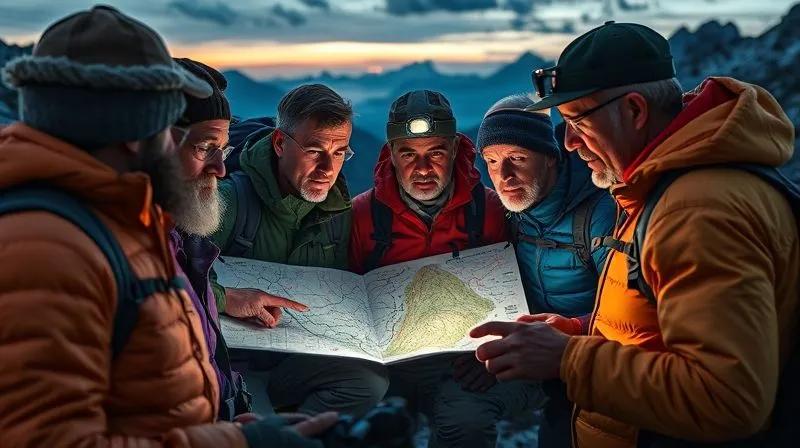
- Topographic Maps & Compass: The fundamental skills of map reading and compass navigation are non-negotiable. Guides must be proficient in navigating without electronic assistance, even in adverse conditions.
- Natural Navigation: Understanding celestial navigation, sun and shadow patterns, and prevailing winds can be crucial when all else fails.
- Route Planning with Waypoints: Pre-mark critical waypoints, emergency shelters, and evacuation points on all navigation devices and physical maps.
Emergency Response Planning: When Things Go Sideways
No matter how meticulously you plan, emergencies can and will occur. The key to mitigating extreme risks isn't preventing every single incident – an impossible task in the wild – but having a swift, effective, and well-rehearsed response. This is where your investment in training truly pays off.
The 'Golden Hour' in Remote Settings
In urban environments, the "golden hour" refers to the critical time immediately following a traumatic injury during which there is the highest likelihood of preventing death by prompt medical care. In remote wilderness, this "hour" can stretch to days. Your initial response, therefore, must be comprehensive and self-sufficient.
- Immediate Assessment (DRSABC): Danger, Response, Send for help, Airway, Breathing, Circulation – standard first aid protocol, adapted for the wilderness.
- Stabilization: Administer advanced wilderness first aid, manage shock, and secure the patient.
- Communication for Evacuation: Initiate contact with your base team or emergency services, providing precise location, patient status, and necessary resources.
- Shelter & Comfort: Protect the patient from environmental factors while awaiting further assistance.
Case Study: Navigating an Unforeseen Glacier Fall
Case Study: How Alpine Adventures Managed a Glacier Crevasse Fall
Alpine Adventures, known for their challenging glacier treks, faced a critical incident when a client slipped and fell into a shallow crevasse, sustaining a suspected leg fracture. Their pre-expedition planning included detailed emergency protocols for crevasse rescue. The lead guide, certified in advanced wilderness rescue, immediately secured the scene. While one assistant guide initiated satellite communication to their base camp, relaying precise GPS coordinates and the client's condition, the other prepared a technical rescue system. Within 45 minutes, the client was safely extracted, splinted, and stabilized. The base camp, having pre-arranged an evacuation plan with a local helicopter service, had a medevac team en route within two hours. This rapid, coordinated response, born from rigorous training and clear protocols, turned a potentially catastrophic event into a manageable crisis, resulting in a successful recovery and minimal long-term impact for the client.
Understanding the potential severity and likelihood of various incidents is crucial for effective resource allocation and training. I use a simple matrix to prioritize risks:
| Risk Factor | Likelihood | Severity | Mitigation Strategy |
|---|---|---|---|
| Crevasse Fall | Medium | Critical | Rope teams, crevasse rescue training, route assessment |
| Hypothermia | High | Severe | Layered clothing, emergency shelter, nutritional planning, guide experience |
| Wildlife Encounter (Harmful) | Low | Critical | Bear spray, secure food, group travel, guide training |
| Communication Failure | Medium | Critical | Redundant comms, battery management, manual navigation skills |
| Participant Illness | High | Medium-Severe | Medical screening, WFR certified guides, comprehensive med kit |
Medical Preparedness for Extreme Environments
Beyond general first aid, remote wilderness tours demand a specialized level of medical readiness. The environment itself can exacerbate injuries and illnesses, and help is often days away. This is an area where I simply cannot stress enough the importance of expertise and thoroughness.
Wilderness First Aid & Evacuation Protocols
Every guide on a remote expedition should hold, at minimum, a Wilderness First Responder (WFR) certification, with lead guides ideally possessing Wilderness Emergency Medical Technician (WEMT) qualifications. These certifications equip them to handle extended care in austere environments.
- Comprehensive Medical Kits: Far more than band-aids. Kits should include prescription medications, advanced wound care, splinting materials, and diagnostic tools, customized for the specific risks of the tour.
- Pre-Screening Participants: A detailed medical questionnaire and, where necessary, a physician's release are vital to understanding existing conditions that could become problematic.
- Evacuation Logistics: Establish clear protocols with air ambulance services, local rescue teams, and international medical evacuation providers. Have contingency plans for adverse weather or inaccessible terrain.
Psychological First Aid in Crisis
It's not just physical injuries that pose risks. The psychological impact of a severe incident, or even prolonged exposure to extreme conditions, can be profound for both clients and guides. As renowned marketing guru Seth Godin often says, "People don't buy what you do; they buy why you do it." In our case, they buy trust and safety.
"In the wild, fear can be as debilitating as a broken bone. A calm, authoritative presence from a guide can stabilize a situation more effectively than any medication." - My personal observation from many expeditions.
Training guides to provide psychological first aid involves:
- Active Listening: Allowing individuals to express their fears and anxieties without judgment.
- Emotional Regulation: Helping individuals regain control of their emotions through breathing techniques and grounding exercises.
- Creating a Sense of Safety: Reassuring individuals with factual information and outlining immediate next steps.
- Post-Incident Support: Arranging for professional counseling or debriefing sessions after returning from the field.
Environmental Stewardship and Ethical Risk Mitigation
Operating in sensitive ecosystems carries a dual responsibility: ensuring human safety and protecting the very environments we explore. Ethical considerations are not separate from risk mitigation; they are integral. Damaging the environment or disrespecting local communities can lead to unforeseen complications, including legal issues and reputational damage, which are risks in themselves.
Minimizing Impact, Maximizing Safety
Adhering to Leave No Trace principles is fundamental. This includes proper waste management, minimizing disturbance to wildlife, and sticking to established trails. Beyond this, it means actively contributing to conservation efforts and supporting local communities.
- Sustainable Practices: Use eco-friendly gear, reduce waste, and source supplies responsibly.
- Local Engagement: Partner with local guides and communities, ensuring economic benefits flow to them and gaining invaluable local knowledge for safety.
- Wildlife Protocols: Train guides and clients on safe and respectful wildlife viewing, minimizing stress on animals and reducing the risk of defensive attacks.
Gear, Logistics, and Redundancy: Your Lifeline in Isolation
The quality and appropriateness of your gear can make the difference between a minor inconvenience and a life-threatening situation. In remote settings, every piece of equipment must be meticulously chosen, maintained, and packed with redundancy in mind. I've often said, "In the wild, your gear is your silent partner; it never complains, but it will let you down if you neglect it."
The 'Two is One, One is None' Principle
This adage is a mantra for remote expeditions. Critical items should always have a backup. This applies to everything from headlamps and fire starters to navigation devices and first aid supplies. It’s not about packing double of everything, but about having a functional alternative if the primary fails.
- Navigation: Primary GPS, backup GPS, map, compass.
- Communication: Satellite phone, satellite messenger, emergency beacon.
- Shelter: Primary tent/shelter, emergency bivy bag/tarp.
- Fire Starting: Lighter, waterproof matches, ferro rod.
- Water Purification: Filter, purification tablets, boiling capabilities.
Powering Your Expedition
Modern wilderness travel relies heavily on electronics, from communication devices to cameras. Managing power in remote areas is a critical logistical challenge.
- Solar Charging: Portable solar panels are excellent for extended trips, but their effectiveness varies with weather.
- Power Banks: High-capacity power banks should be charged and carried for critical devices.
- Extra Batteries: Always carry spare batteries for headlamps, GPS units, and other essential electronics. Store them in waterproof containers.
- Manual Backups: Ensure you have manual alternatives for critical functions, e.g., hand-crank radios, mechanical watches.
Training and Continuous Improvement: The Human Element
Even the best plans and gear are useless without highly competent, well-trained individuals. Human error remains a significant factor in wilderness incidents. My philosophy is that training is not a one-time event; it's a continuous cycle of learning, practice, and adaptation.
Realistic Scenario-Based Training
Classroom learning is a start, but nothing replaces hands-on experience under realistic pressure. I advocate for regular, immersive scenario training that pushes guides and support staff to their limits.
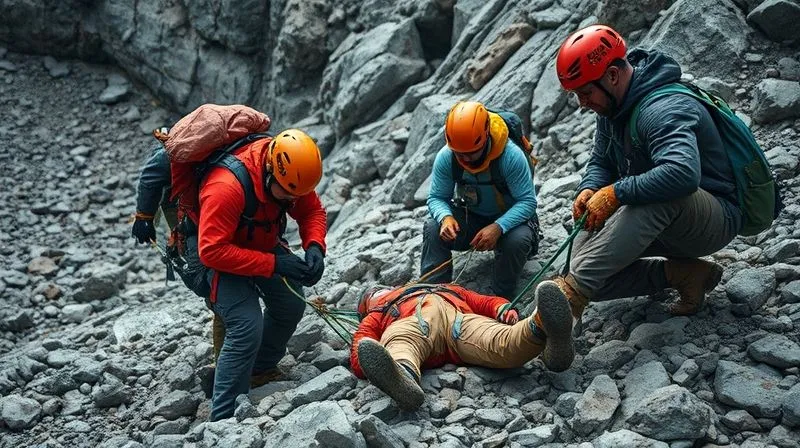
- Simulated Emergencies: Practice crevasse rescue, advanced first aid for specific injuries (e.g., snake bites, fractures), search and rescue, and client management under stress.
- Environmental Adaptability: Train in diverse conditions – snow, rain, extreme heat, high winds – to build resilience and problem-solving skills in varied environments.
- Decision-Making Drills: Present guides with ethical dilemmas, resource allocation challenges, and leadership tests in simulated crisis situations.
Post-Expedition Debriefs and Learning
Every tour, successful or challenging, offers valuable lessons. A formal debriefing process is crucial for continuous improvement and embedding a learning culture within your organization. This fosters the E-E-A-T (Experience, Expertise, Authority, Trust) that is so vital in our industry.
- Structured Review: Analyze what went well, what could have been better, and any near-misses.
- Incident Reporting: Document all incidents, no matter how minor, to identify patterns and systemic issues.
- Feedback Loop: Incorporate lessons learned into revised protocols, training modules, and gear selection.
- Knowledge Sharing: Create a platform for guides to share experiences and best practices across the organization.
Legal & Insurance Considerations in High-Risk Operations
Beyond the physical and logistical risks, operating remote wilderness tours involves significant legal and financial exposures. Understanding and mitigating these aspects is just as critical as preparing for a blizzard. Ignoring them can lead to devastating consequences for your business and reputation.
Understanding Liability in the Wild
Participants in wilderness tours typically sign waivers, but these do not absolve operators of all responsibility, especially in cases of gross negligence. The legal landscape varies by jurisdiction, making expert legal counsel essential.
- Informed Consent: Ensure participants fully understand and acknowledge the inherent risks involved in remote wilderness activities.
- Duty of Care: Operators have a legal and ethical obligation to take reasonable steps to ensure the safety of their clients. This includes proper planning, qualified guides, and appropriate equipment.
- Compliance: Adhere to all local, national, and international regulations pertaining to wilderness travel, environmental protection, and business operations.
For more detailed information on industry standards and best practices, I highly recommend exploring resources from organizations like the National Outdoor Leadership School (NOLS) or the American Institute for Avalanche Research and Education (AIARE).
Comprehensive Insurance Coverage
Adequate insurance is not an option; it's a necessity. This includes general liability, professional liability, and specialized coverage for high-risk activities and remote evacuations.
- Commercial General Liability (CGL): Covers bodily injury and property damage to third parties.
- Professional Liability (Errors & Omissions): Protects against claims of negligence or inadequate professional services.
- Adventure Tourism Specific Policy: Many standard policies exclude high-risk activities. Seek insurers specializing in adventure tourism.
- Medical Evacuation & Repatriation: Critical for remote tours, ensuring clients can be transported from the field to appropriate medical facilities, potentially across international borders.
- Business Interruption: Covers lost income if an unforeseen event (e.g., natural disaster, political unrest) prevents tours from operating.
Consult with an insurance broker who has specific expertise in the adventure tourism sector. They can help tailor policies that truly address the unique exposures of your remote wilderness tours.
Frequently Asked Questions (FAQ)
What is the single most critical factor in mitigating extreme risks in remote wilderness tours? In my extensive experience, the most critical factor is the competence and judgment of your lead guide. While systems, gear, and plans are vital, a highly skilled, experienced, and psychologically resilient guide can adapt to unforeseen circumstances, make critical decisions under pressure, and lead a team through truly challenging situations where protocols alone might fall short. Investing in top-tier guide training and continuous development is paramount.
How do you balance providing an 'adventure experience' with maintaining extreme safety in high-risk environments? This is the perennial challenge, and it boils down to 'managed risk.' An adventure isn't the absence of risk, but the intelligent management of it. We achieve this by clearly communicating inherent risks, rigorously vetting participants, utilizing redundant safety systems, and having guides who are experts in both the environment and human factors. The goal is to provide a thrilling, challenging experience within a robust safety framework, not to eliminate all perceived danger, which would negate the adventure itself.
What emerging technologies are most promising for improving safety in remote wilderness tours? Beyond existing satellite communication, I'm particularly excited about advancements in miniaturized, long-duration drone technology for reconnaissance and search capabilities, enhanced biometric monitoring devices for participant health, and AI-driven predictive analytics for localized weather and environmental hazards. These technologies, when integrated responsibly, offer powerful new layers of safety intelligence and response capability.
What is the biggest mistake tour operators make regarding risk mitigation in remote areas? The biggest mistake I've observed is complacency or a 'it won't happen to us' mentality, often stemming from a series of successful tours. This leads to cutting corners on training, neglecting gear maintenance, or underestimating new risks. Another significant error is failing to learn from near-misses or incidents, both internally and across the industry. Continuous learning and a humble respect for the power of the wilderness are non-negotiable.
How can small eco-tourism operators implement these high-level risk mitigation strategies with limited resources? While resources are a challenge, the principles remain the same. Small operators must prioritize. Focus intensely on guide training (WFR/WEMT certifications are non-negotiable), invest in reliable, redundant communication and navigation tools, and meticulously plan every detail. Leverage local knowledge, form partnerships with other small operators for shared resources or training, and critically, be honest about the limits of your capabilities. Sometimes, saying 'no' to a too-risky tour is the safest and most responsible decision.
Key Takeaways and Final Thoughts
Mitigating extreme risks in remote wilderness tours is a complex, multi-faceted endeavor that demands unwavering commitment, continuous learning, and a profound respect for the wild. It's not about eliminating risk entirely, but about intelligently managing it to provide truly unforgettable and, crucially, safe experiences.
- Proactive Planning is Paramount: Start with comprehensive assessments and build a culture of safety from the ground up.
- Redundancy is Your Lifeline: Apply the 'two is one, one is none' principle to critical gear, communication, and navigation.
- Invest in Human Capital: Highly trained, experienced, and resilient guides are your most valuable asset.
- Embrace Continuous Learning: Debrief every trip, learn from incidents, and adapt your protocols.
- Integrate Ethics & Stewardship: Responsible operations reduce risks and enhance your reputation.
- Don't Neglect Legal & Financial Safeguards: Comprehensive insurance and legal counsel are non-negotiable.
As we continue to seek out and share the wonders of our planet's most remote corners, let us do so with the utmost care and professionalism. The wild asks for our respect, and in return, it offers unparalleled beauty and profound experiences. By mastering the art of risk mitigation, we ensure these adventures remain safe, sustainable, and truly transformative for generations to come. Your commitment to safety is not just a business imperative; it is a moral obligation.
Recommended Reading
- Surf & Zoom: 7 Global Spots Offering Reliable Remote Work Connectivity
- The Savvy Traveler's Guide: What to Look For When Booking a Budget Hostel?
- Unlock 7 Secrets: How to Increase Bookings for Luxury Romantic Glamping Retreats?
- Urgent: Balancing Client Calls During Unexpected Road Trip Delays?
- 5 Pillars: Mitigating Space Tourist Injury Liability in Orbit





Your email address will not be published. Required fields are marked *