


Urgent: Balancing Client Calls During Unexpected Family Road Trip Delays?
After two decades navigating the intricate world of travel, both personally and professionally, I've witnessed firsthand the unique challenges that arise when these two spheres collide. Picture this: you're miles from home, deep into a scenic family road trip, when an unexpected detour, a sudden storm, or a flat tire throws your meticulously planned schedule into disarray. Suddenly, that critical client call scheduled in 30 minutes looms large, and panic begins to set in.
This isn't just about inconvenience; it's about the very real stress of juggling professional commitments with family expectations, all while feeling a distinct lack of control. The guilt of potentially disappointing a client wars with the desire to be present for your family, creating a pressure cooker situation that many remote professionals face. The core problem lies in the perceived incompatibility of urgent client demands with the unpredictable nature of family road trips.
But what if there was a way to navigate these turbulent waters with grace and professionalism? In this comprehensive guide, I'll share expert insights, actionable frameworks, and practical tools I've gathered over the years to help you master the art of urgent: balancing client calls during unexpected family road trip delays? You'll learn not just to react, but to proactively plan, communicate effectively, and leverage technology to ensure your professional reputation remains intact, even when the road ahead is anything but smooth.
The Inevitable Collision: Why Road Trip Delays Amplify Work Stress
Road trips, by their very nature, are an exercise in embracing the unknown. While this unpredictability can be part of their charm, it becomes a significant source of stress when professional obligations, especially urgent client calls, enter the equation. Unlike a controlled office environment or even a predictable home office setup, a moving vehicle or an unfamiliar roadside stop presents a myriad of challenges.
The core issue is the conflict between the expectation of immediate, uninterrupted professional availability and the inherent chaos of travel with family. You're not just managing your own schedule; you're also accounting for children's needs, restroom breaks, meal stops, and unexpected attractions. When a delay hits, whether it's traffic, a mechanical issue, or simply a misjudged travel time, the psychological impact is immediate and profound. You feel trapped, disconnected, and often, unprepared.
Moreover, the lack of a dedicated, quiet workspace can severely impact the quality of your calls. Background noise from kids, the hum of the car, or even the distraction of a new environment can make it difficult to concentrate, project professionalism, and give your clients the undivided attention they deserve. This amplification of work stress isn't just about the delay itself, but about the unique confluence of family, travel, and professional demands in an uncontrolled setting.
Proactive Planning: Your First Line of Defense Against Disruption
In my experience, the most successful remote professionals aren't those who avoid problems, but those who anticipate and prepare for them. When it comes to urgent: balancing client calls during unexpected family road trip delays?, proactive planning is your secret weapon. It transforms potential crises into manageable inconveniences, giving you peace of mind and maintaining your professional edge.
Pre-Trip Communication: Setting Expectations
Before you even put the key in the ignition, communicate openly with your clients and team. Let them know you'll be traveling and that your availability might be slightly different. This isn't about asking for permission; it's about managing expectations and fostering transparency. A simple email or a note in your calendar can go a long way.
"Transparency builds trust. Informing clients and colleagues about your travel plans, even if just a heads-up about potential response time variations, is a cornerstone of professional reliability."
Explain that while you'll remain accessible, there might be brief periods of limited connectivity. This sets a realistic expectation and gives you a crucial buffer should a delay occur. According to a Harvard Business Review article on proactive communication, setting expectations early can significantly reduce client frustration.
Tech Toolkit: Essential Gear for Remote Connectivity
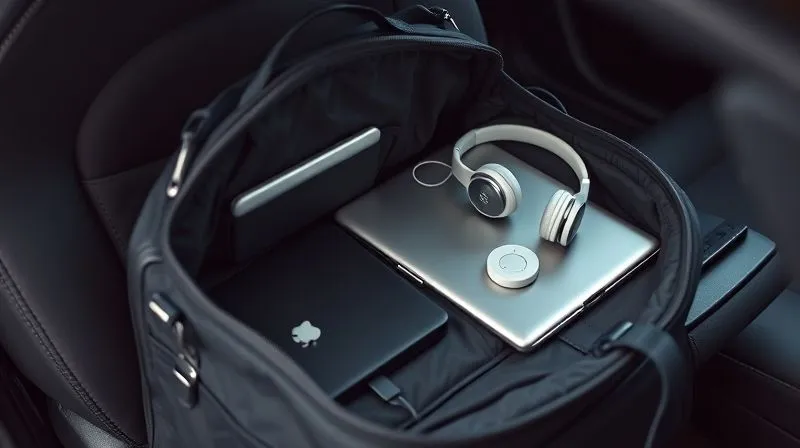
Your car isn't just transport; it's a mobile office. Equipping it with the right technology is non-negotiable. This isn't just about having a laptop; it's about ensuring uninterrupted connectivity and a professional call environment.
- Mobile Hotspot: Your primary lifeline for reliable internet. Don't rely solely on your phone's tethering.
- Portable Power Banks: Multiple, high-capacity chargers for all devices. Keep them fully charged.
- Noise-Cancelling Headphones: Essential for blocking out road noise, kids, or bustling cafes.
- Car Charger/Inverter: Ensure your laptop and other devices can charge directly from the car's power outlet.
- External Webcam (optional): For better video quality if your laptop's camera is subpar.
Contingency Calendaring: Building Buffer Zones
When scheduling calls, especially critical ones, build in extra time. If a call is 30 minutes, block out an hour. This buffer is invaluable for dealing with unexpected delays without immediately throwing your schedule into chaos. I always advise clients to consider a 'travel tax' on their time estimates.
Moreover, identify specific 'driving time' blocks in your calendar where you know you'll be unavailable for calls. This helps you avoid scheduling conflicts and allows you to truly disconnect when you need to. Here's a quick checklist for your pre-trip preparation:
| Pre-Trip Action | Status | Notes |
|---|---|---|
| Notify Key Clients/Team | Completed | Set expectations for limited availability |
| Charge All Devices | Completed | Phones, laptops, hotspots, power banks |
| Download Offline Maps & Entertainment | Completed | For navigation and family distractions |
| Identify Potential Connectivity Spots | In Progress | Research rest stops, cafes along route |
Mastering On-the-Fly Adaptability: Strategies for Real-Time Crisis
Despite the best planning, road trips are inherently unpredictable. A sudden traffic jam, an unexpected road closure, or even just a longer-than-anticipated stop can derail your schedule. This is where your ability to adapt in real-time becomes paramount for urgent: balancing client calls during unexpected family road trip delays?
The 'Pause & Pivot' Protocol for Urgent Calls
When a delay strikes and a call is imminent, don't panic. Implement a quick 'Pause & Pivot' protocol:
- Assess the Situation Immediately: How long is the delay likely to be? What's your current location? Is there any connectivity?
- Communicate Briefly & Proactively: If you're going to be late or need to reschedule, send a concise message to your client/team as soon as you have a safe moment. Don't wait until you're already late.
- Find an Immediate Solution (if possible): Can you pull over safely? Is there a nearby rest stop with Wi-Fi? Can you take the call via phone instead of video?
- Re-schedule or Delegate: If an immediate solution isn't feasible, propose a new time or, if you have a supportive team, ask a colleague to cover for you.
This systematic approach helps you regain control and project a sense of calm competence, even when you're internally scrambling.
Leveraging Asynchronous Communication Tools
Not every client interaction needs to be a live call. During periods of high unpredictability, lean heavily on asynchronous communication. This includes:
- Detailed Emails: For updates, questions, or sharing documents.
- Project Management Platforms (e.g., Asana, Trello): For task management and project updates.
- Voice Notes: Quick, personal updates that don't require real-time conversation.
- Pre-recorded Video Messages: For more complex explanations or personalized check-ins, allowing you to record when it's convenient and send later.
Asynchronous communication respects everyone's time and allows you to respond thoughtfully when you have a window of opportunity, rather than forcing a rushed, potentially unprofessional live interaction. Forbes highlights the benefits of asynchronous communication for flexibility and focus.
Locating Connectivity Havens: Your Roadside Office
During a delay, your priority is to find a temporary, functional workspace. This often means getting creative:
- Coffee Shops & Fast Food Restaurants: Many offer free Wi-Fi and a relatively quiet corner.
- Public Libraries: Often have free Wi-Fi, quiet areas, and sometimes even private rooms.
- Hotel Lobbies: A less obvious choice, but many welcome non-guests for a quick stop.
- Designated Rest Stops: Some modern rest areas now offer Wi-Fi and even charging stations.
Always prioritize safety and privacy. If you're on a video call, ensure your background is professional and you have adequate lighting. A simple portable privacy screen can be a game-changer if you're in a public space.
Effective Communication During & After the Delay: Honesty is Your Best Policy
When unexpected delays hit, how you communicate with your clients can make or break your professional image. It's not about making excuses, but about transparent, professional, and solution-oriented messaging. This is crucial for urgent: balancing client calls during unexpected family road trip delays? without damaging relationships.
Crafting the 'Delay Notification' Message
Your message needs to be concise, professional, and empathetic. Avoid overly detailed explanations or apologies that sound like excuses. Focus on the facts and the solution.
Example: "Hi [Client Name], I'm writing to let you know that our family road trip has encountered an unexpected delay (e.g., traffic, road closure). While I'm working to get back on track, I will unfortunately be unable to make our [Time] call as planned. I apologize for any inconvenience this causes. I'm available to reschedule for [New Time Options] or happy to discuss via email if that works better. My apologies again."
Keep it brief, acknowledge the impact, and offer clear alternatives. This shows respect for their time and demonstrates your commitment to finding a solution.
Managing Client Expectations Proactively
Even after sending a delay notification, it's wise to proactively manage expectations. If the delay is significant, send an update message even if there's no immediate change. Reiterate your commitment to their project and assure them you're doing everything possible to minimize disruption. This continuous, thoughtful communication prevents clients from feeling ignored or deprioritized.
Case Study: Sarah's Seamless Client Communication
Sarah, a freelance marketing consultant, was on a cross-country family road trip when a sudden snowstorm closed a major highway, adding an unforeseen 8-hour delay. She had a critical client presentation scheduled. Instead of panicking, Sarah immediately pulled over to a rest stop with Wi-Fi. She sent a brief, professional email to her client explaining the unexpected delay, proposing two alternative presentation times for later that day, and offering to send a detailed pre-recorded video presentation if a live call wasn't feasible. The client appreciated her prompt communication and flexibility. They opted for the pre-recorded video, which Sarah delivered from a hotel lobby later that evening. This proactive and solution-oriented approach not only saved the presentation but actually strengthened client trust, demonstrating her professionalism under pressure.
Choosing the right communication method is also key:
| Communication Method | Best Use Case | Pros | Cons |
|---|---|---|---|
| Quick Text/SMS | Immediate, brief update on unexpected delay | Fast, non-intrusive | Lacks detail, can seem informal |
| Detailed explanation, rescheduling proposal | Formal, comprehensive record | Slower response time | |
| Brief Phone Call | Urgent re-scheduling, personal apology | Direct, personal touch | Requires immediate availability, can be disruptive |
| Pre-recorded Video Message | Personalized update, showing commitment | Empathetic, clear communication | Time-consuming to produce, requires good signal |
The Art of the Strategic Apology & Follow-Up
While proactive communication is key, sometimes a sincere apology is necessary. It's not about groveling, but about acknowledging the impact on your client and reinforcing your commitment to their satisfaction. This strategic approach is vital for maintaining strong client relationships, especially when dealing with the repercussions of an unexpected family road trip delay.
When and How to Apologize Effectively
An effective apology is timely, sincere, and focuses on the client's experience, not your reasons. Deliver it shortly after the disruption, either at the beginning of your rescheduled call or in a follow-up email. Keep it concise and avoid over-apologizing, which can diminish your professionalism.
Example: "Thank you for your flexibility yesterday. I sincerely apologize again for the unexpected delay and any inconvenience it caused. I appreciate your understanding."
This acknowledges the issue without dwelling on it and immediately pivots back to the task at hand. It demonstrates accountability without undermining your authority. As leadership expert Simon Sinek often emphasizes, trust is built on consistency and transparency, even when things go wrong.
Rebuilding Trust: Post-Delay Client Engagement
After a delay, make an extra effort to demonstrate your reliability. This could involve:
- Prompt Follow-Up: Send meeting summaries or deliverables ahead of schedule.
- Proactive Check-ins: A quick email to ask if they need anything, showing you're back on track.
- Exceeding Expectations: Deliver a little extra value in your next interaction.
The goal is to quickly re-establish consistency and reinforce your commitment to their success. Your actions immediately following the delay speak volumes about your professionalism and dedication.
Leveraging Your Team: Delegating & Collaborating Remotely
You don't have to be a lone wolf. A strong team is an invaluable asset when you're caught in an unexpected road trip delay. Effective delegation and seamless collaboration can ensure client needs are met, even when you're temporarily out of sync. This team-centric approach is a powerful strategy for urgent: balancing client calls during unexpected family road trip delays?
Empowering Your Team for Backup Support
Before your trip, ensure your team is cross-trained and aware of your key client accounts. Clearly communicate:
- Who to Contact: Designate a primary and secondary point person for urgent client queries.
- Access to Information: Ensure they have access to relevant documents, project updates, and client contact details.
- Decision-Making Authority: Empower them to make minor decisions or provide basic support in your absence.
This pre-emptive delegation reduces stress for you and ensures clients receive prompt attention. It's about building a resilient professional ecosystem, not just relying on individual heroics.
Tools for Seamless Remote Collaboration
Modern collaboration tools are essential for keeping your team connected and productive, regardless of your location. I highly recommend:
- Communication Hubs (e.g., Slack, Microsoft Teams): For instant messaging, file sharing, and quick team huddles.
- Project Management Software (e.g., Asana, Jira): To track tasks, progress, and deadlines collaboratively.
- Cloud Storage (e.g., Google Drive, Dropbox): For easy access to shared documents and resources from anywhere.
Regular team check-ins, even brief ones, can ensure everyone is on the same page. For deeper insights into optimizing remote team collaboration, check out this Microsoft 365 blog on hybrid work strategies.
Prioritizing Well-being: Avoiding Burnout on the Road
The pressure to perform professionally while managing family and travel can quickly lead to burnout. It's a common trap I've seen many fall into. While urgent: balancing client calls during unexpected family road trip delays? is a priority, your mental and physical well-being must not be sacrificed. A depleted leader benefits no one.
Mindfulness Moments Amidst the Madness
Even a few minutes of mindfulness can significantly reduce stress. This doesn't require a yoga mat or a quiet room; it can be done in your car, at a rest stop, or even while waiting for your coffee.
- Deep Breathing: Take 3-5 slow, deep breaths, focusing only on the sensation of air entering and leaving your body.
- Sensory Awareness: Notice three things you can see, three you can hear, and three you can feel. This grounds you in the present.
- Mini-Meditations: Use an app like Calm or Headspace for guided 5-minute sessions.
These small pauses can reset your focus, calm your nervous system, and help you approach your next task with renewed clarity.
Setting Boundaries During Family Time
One of the biggest challenges is preventing work from completely encroaching on family time. It's vital to set clear boundaries:
- Designate 'Work-Free' Zones/Times: For example, no work during meals or after a certain hour in the evening.
- Communicate with Family: Explain when you need uninterrupted time for a call and when you're fully present.
- Utilize Family Distractions: Engage kids with activities (e.g., audiobooks, games) during your work windows, then switch roles.
Remember, your family deserves your attention too. Finding this balance isn't easy, but it's essential for long-term well-being and preventing resentment.
Technological Lifelines: Apps and Gadgets You Can't Live Without
Beyond the basics, certain technological advancements have revolutionized the ability to stay connected and productive on the go. As a veteran traveler and remote worker, I consider these indispensable when you're trying to manage urgent: balancing client calls during unexpected family road trip delays?
Mobile Hotspots & Satellite Internet
While your phone's hotspot is a good backup, a dedicated mobile hotspot device (e.g., from Verizon, T-Mobile, or a travel-specific device like a Nighthawk) offers superior reliability, battery life, and often, better speeds. For truly remote areas, consider a satellite internet solution like Starlink Roam. Though an investment, it provides unparalleled connectivity in places traditional cellular service can't reach, offering peace of mind for mission-critical calls.
Noise-Cancelling Gear & Portable Power
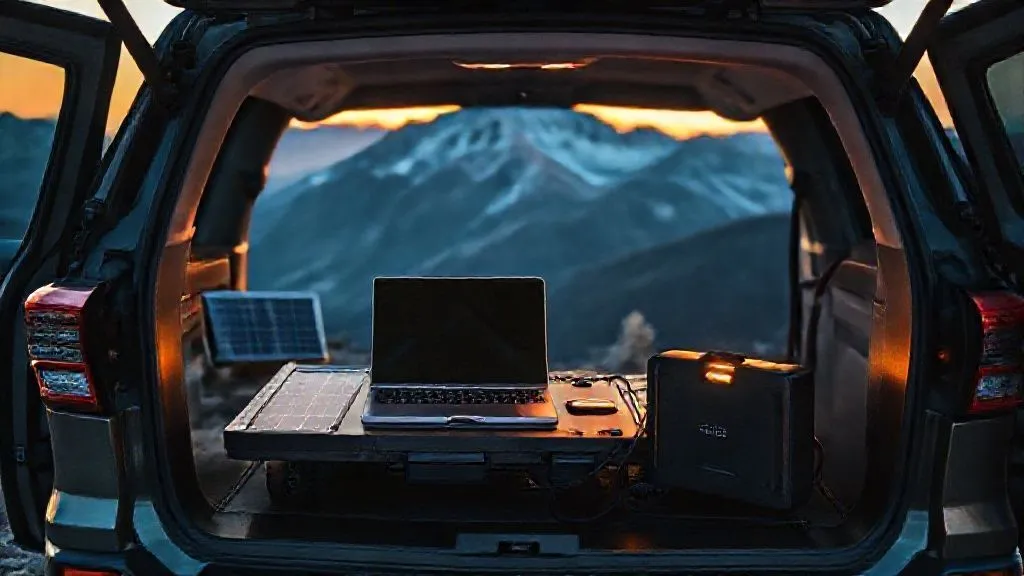
Beyond headphones, consider portable sound machines or apps that generate white noise to create a personal bubble of quiet. A high-quality portable power station (not just a small power bank) can charge laptops multiple times and even power small appliances, turning your car or tent into a fully functional workspace for extended periods. Brands like Jackery or Goal Zero offer robust options.
- Connectivity Apps: Apps like Wi-Fi Map or OpenSignal help you locate available Wi-Fi networks and assess signal strength on the go.
- Call Recorder Apps: With proper consent, these can be invaluable for documenting important client conversations if you're in a noisy environment and need to review details later.
- Offline Productivity Apps: Ensure your documents, spreadsheets, and presentation software can function offline, allowing you to work even without an internet connection.
Frequently Asked Questions (FAQ)
How do I handle a client call when there's absolutely no service, and I can't find a Wi-Fi spot? In this rare but challenging scenario, your pre-trip communication and a strong team backup are paramount. If you've already set expectations, send a quick text message (if even a weak signal allows) to your primary team contact, informing them of your unreachability and asking them to relay a message to the client. If no signal at all, send an email as soon as you regain connectivity, apologizing for the radio silence and offering immediate rescheduling. Always prioritize safety over finding a signal in dangerous areas.
What if my kids are making too much noise during a video call, despite my best efforts? First, ensure you have excellent noise-cancelling headphones. If the noise is still disruptive, consider switching to an audio-only call, explaining briefly that you're experiencing some background noise due to travel. If a video call is essential, find a location where the kids can be safely entertained away from your immediate area (e.g., a park playground while you're in the car, or a dedicated tablet time). A quick, honest apology at the start of the call about potential background noise can also set appropriate expectations with your client.
Is it better to cancel a call or try to reschedule last minute when a delay occurs? It's almost always better to reschedule proactively than to cancel outright or appear unprofessional by attempting a call in a chaotic environment. A last-minute reschedule, communicated professionally and with alternative options, shows respect for your client's time and your commitment to a quality interaction. Cancelling without immediate rescheduling can imply a lack of priority.
How do I explain travel delays to clients without sounding unprofessional or making excuses? Be concise, factual, and solution-oriented. Avoid overly detailed explanations of flat tires or tantrums. A simple, "Our travel plans encountered an unexpected delay, and I won't be able to make our scheduled call" is sufficient. Immediately follow with proposed solutions: "I apologize for the inconvenience and would like to offer two alternative times: [Option 1] or [Option 2]." Focus on the impact on them and how you're resolving it.
What's the best way to ensure my team can cover for me effectively during my road trip? Thorough preparation is key. Before your trip, conduct a handover meeting for critical clients or projects. Ensure your team has access to all necessary documents, client contact information, and project updates through shared cloud drives and project management tools. Clearly define who is responsible for what in your absence and empower them to make decisions. Regular, brief check-ins (e.g., a daily 15-minute stand-up via Slack) can keep everyone aligned.
Key Takeaways and Final Thoughts
Navigating the demands of urgent client calls during unexpected family road trip delays is undoubtedly a challenge, but it is far from insurmountable. By adopting a mindset of proactive planning, embracing adaptability, and leveraging the right tools and communication strategies, you can transform these potential pitfalls into opportunities to showcase your resilience and professionalism.
- Plan Proactively: Communicate travel plans, pack essential tech, and build buffer time into your schedule.
- Adapt On-the-Fly: Implement the 'Pause & Pivot' protocol and utilize asynchronous communication when live calls are difficult.
- Communicate Clearly: Be honest, concise, and solution-oriented in your delay notifications and follow-ups.
- Leverage Your Team: Empower colleagues to provide backup support and utilize collaboration tools effectively.
- Prioritize Well-being: Integrate mindfulness and set clear boundaries to avoid burnout and maintain family harmony.
- Embrace Technology: Invest in reliable hotspots, power solutions, and noise-cancelling gear.
Remember, your ability to handle these situations with grace not only preserves client relationships but also reinforces your reputation as a dependable and resourceful professional. The road may be unpredictable, but your commitment to excellence doesn't have to be. With these strategies in your toolkit, you're not just surviving road trip delays; you're mastering them, ensuring both your family and your clients receive the best of you.
Recommended Reading
- Elevate Client Relations: 5 Unique Craft Beer Tour Ideas That Impress
- Best Time for Caribbean Ocean Cruises? Unveiling the Perfect Season
- The Ultimate Guide: How to Find Authentic Foodie Destinations Abroad
- Funding Lunar Bases: 7 Proven Strategies for Space Tourism Infrastructure
- The Secret to Choosing Language Immersion Cultural Travel Programs




Your email address will not be published. Required fields are marked *