


How to mitigate radiation exposure risks for Mars tourists?
For over two decades, I've had the privilege of witnessing the incredible evolution of human spaceflight, from ambitious orbital missions to the burgeoning promise of deep space tourism. Throughout this journey, one invisible adversary has consistently presented our greatest challenge: radiation. It's a silent, pervasive threat that fundamentally shapes every aspect of mission design, especially when we talk about opening the cosmos to civilian explorers.
The allure of Mars is undeniable, a dream etched into humanity's collective consciousness. Yet, for the intrepid tourists who will one day embark on this journey, the Martian frontier poses significant, unique health risks, primarily from the relentless barrage of cosmic radiation. Unlike professional astronauts who undergo years of rigorous training and possess specific genetic profiles, the general public embarking on a tourist voyage requires a far more robust, comprehensive, and empathetic approach to protection. The problem isn't just about survival; it's about ensuring long-term health and well-being post-mission.
In this definitive guide, I'll draw upon my experience in the space tourism niche to unpack the complexities of deep space radiation. We'll explore cutting-edge solutions, from advanced material science and ingenious habitat design to proactive medical countermeasures and strategic mission planning. My goal is to equip you with a nuanced understanding of how to mitigate radiation exposure risks for Mars tourists, offering actionable frameworks and expert insights that will define the future of safe interplanetary travel.
Understanding the Martian Radiation Environment: A Prerequisite for Safety
Before we can effectively shield our future Mars tourists, we must first deeply understand the nature of the threat. The radiation environment beyond Earth's protective magnetosphere and atmosphere is vastly different and far more hazardous than anything experienced in low Earth orbit (LEO).
Galactic Cosmic Rays (GCRs) vs. Solar Particle Events (SPEs)
The radiation landscape in deep space is dominated by two primary sources. Galactic Cosmic Rays (GCRs) are high-energy particles originating from outside our solar system, remnants of supernovae and other galactic phenomena. They are constant, pervasive, and incredibly difficult to shield against due to their high energy and ability to fragment into secondary radiation upon impact with shielding materials. Think of them as a persistent, low-level hum of dangerous energy.
In contrast, Solar Particle Events (SPEs) are sporadic, unpredictable bursts of high-energy protons and heavier ions ejected from the Sun during solar flares and coronal mass ejections (CMEs). While less frequent than GCRs, an SPE can deliver a lethal dose of radiation in a matter of hours if not adequately protected against. I've seen mission planners spend countless hours modeling the probabilities and impacts of these events, recognizing their potential to turn a dream voyage into a nightmare.
Biological Impacts: Why We Must Shield
The biological consequences of prolonged exposure to these radiation types are severe. GCRs, with their constant bombardment, pose a significant long-term risk of cancer, central nervous system (CNS) damage (leading to cognitive impairments), cataracts, and degenerative diseases. SPEs, due to their acute, high-dose nature, can cause acute radiation sickness, leading to nausea, vomiting, fatigue, and even death if the dose is high enough. Protecting our tourists isn't just about preventing immediate sickness; it's about safeguarding their health for decades after their return.
Radiation isn't just a physical barrier; it's a fundamental challenge to our biological limits in deep space, demanding innovative solutions that go beyond traditional engineering.
Passive Shielding: The First Line of Defense
The most straightforward approach to radiation mitigation is passive shielding, essentially placing mass between the radiation source and the human. However, the choice of material and its strategic placement are anything but simple.
Material Science Innovations
Traditionally, lead was considered for radiation shielding, but its density makes it impractical for spaceflight. Modern research focuses on materials rich in hydrogen, which are more effective at stopping high-energy protons and GCRs through nuclear interactions rather than just absorption. Materials like polyethylene, a common plastic, are excellent. Even water, often stored for life support, can double as effective shielding. On the Martian surface, regolith (Martian soil) offers an abundant and highly effective local resource for building protective structures.
I've followed advancements in multi-layer shielding, where different materials are arranged in specific sequences to optimize protection. For instance, a layer of high-Z (high atomic number) material might be followed by a low-Z material to absorb secondary radiation. Smart materials, capable of adapting their shielding properties in response to real-time radiation readings, are also on the horizon, though still in early development.
Optimizing Passive Shielding for Tourist Vessels
Selecting and integrating passive shielding for a Mars tourist vessel is a complex engineering challenge, requiring a meticulous, multi-step process:
- Analyze Mission Profile: Determine transit duration, solar cycle phase, and expected radiation environment.
- Evaluate Material Efficacy: Assess various materials (polyethylene, water, composites) for their GCR and SPE attenuation properties.
- Consider Structural Integration: Design the spacecraft or habitat to naturally incorporate shielding, using structural elements, water tanks, and waste storage as part of the protective shell.
- Optimize Mass vs. Protection: Balance the need for robust shielding with the prohibitive cost of launching mass into space. Every kilogram counts.
- Test and Validate: Conduct extensive ground-based testing with particle accelerators and computational modeling to predict real-world performance.
According to research conducted by NASA's Human Research Program, hydrogen-rich materials demonstrate superior performance against GCRs compared to denser, heavier elements, underscoring the importance of innovative material selection.
Active Shielding: The Future of Deep Space Protection
While passive shielding provides a fundamental layer of protection, it has limitations, particularly against the highest energy GCRs. This is where active shielding comes into play, representing a potentially transformative leap in deep space radiation protection.
Electromagnetic Fields and Plasma Shields
Active shielding concepts involve creating dynamic fields around the spacecraft to deflect charged radiation particles before they can reach the hull. The most promising approaches include:
- Electrostatic Fields: Using high-voltage electric fields to repel charged particles.
- Magnetic Fields: Generating powerful magnetic fields, similar to Earth's magnetosphere, to deflect particles. This could involve superconducting magnets.
- Plasma Shields: Creating a cloud of charged plasma around the spacecraft, which then interacts with and deflects incoming radiation.
The idea is to create a 'mini-magnetosphere' around the vehicle, offering protection without the mass penalty of passive shielding. This is particularly appealing for long-duration missions and for mitigating the constant GCR threat.
Challenges and Breakthroughs
The primary challenges for active shielding remain significant: the immense power requirements to generate and sustain these fields, the complexity of the systems, and the potential interference with spacecraft electronics. However, breakthroughs in high-temperature superconductors, plasma physics, and compact power sources (like advanced nuclear propulsion or fusion reactors) are slowly making these concepts more feasible.
While passive shielding offers a robust baseline, active systems are where the true leap in deep space radiation protection will occur, transforming our ability to safeguard human life beyond Earth.

Strategic Mission Planning: Timing and Trajectory are Everything
Beyond the hardware solutions, intelligent mission planning plays a crucial role in reducing radiation exposure. It's about leveraging cosmic cycles and orbital mechanics to our advantage.
Solar Cycle Considerations
The Sun's activity follows an approximate 11-year cycle. Counter-intuitively, the ideal time to travel to Mars, particularly for GCR mitigation, is during solar maximum. During this period, the Sun's increased magnetic activity expands the heliosphere, which acts as a partial shield, deflecting some GCRs away from the inner solar system. However, solar maximum also brings a higher frequency of unpredictable SPEs. This necessitates a robust SPE prediction and warning system, coupled with onboard 'storm shelters' for rapid protection. My experience suggests that a careful balance is needed, exploiting the solar maximum for GCR reduction while being hyper-prepared for SPEs.
Trajectory Optimization
Minimizing transit time is paramount. Faster trajectories mean less cumulative exposure to GCRs. Utilizing advanced propulsion systems, such as nuclear thermal propulsion or electric propulsion, could dramatically cut travel times. Furthermore, mission planners can optimize trajectories to use celestial bodies for 'gravity assist' maneuvers, which not only save fuel but can also strategically shield the spacecraft from certain radiation angles during close approaches. The European Space Agency (ESA) and Japan Aerospace Exploration Agency (JAXA) have pioneered many of these trajectory optimization techniques for their deep space probes, which will be invaluable for crewed missions. ESA's work on radiation protection for human spaceflight emphasizes this multi-faceted approach.
| Radiation Type | Solar Max Impact | Solar Min Impact |
|---|---|---|
| Galactic Cosmic Rays (GCRs) | Reduced due to heliospheric shielding | Increased and more intense |
| Solar Particle Events (SPEs) | Higher frequency and intensity | Lower frequency, but still possible |
| Overall Strategy for Tourists | Exploit GCR reduction, prepare for SPEs | Avoid if possible due to high GCRs, or ensure extreme shielding |
Martian Surface Habitats: Shelters in a Storm
Once tourists arrive on Mars, the battle against radiation continues. Mars lacks a significant global magnetic field and has a very thin atmosphere, offering minimal natural protection. Therefore, surface habitats must be designed as robust radiation shelters.
Subsurface and Regolith-Based Structures
The most effective strategy on Mars is to go underground or use the planet's own soil. Placing habitats several meters beneath the surface provides excellent protection against both GCRs and SPEs, as the overlying regolith acts as a natural, abundant shield. Alternatively, building habitats with thick regolith berms or domes can achieve similar results. I've often advocated for designs that integrate inflatable structures, which can be deployed and then covered with regolith by autonomous robots, minimizing human exposure during construction.
Pressurized Rovers and Mobile Shelters
Tourists will undoubtedly want to explore the Martian landscape. Pressurized rovers, equipped with enhanced passive shielding (e.g., water-filled walls, multi-layer composites) and potentially compact active shielding systems, will be essential for surface excursions. Furthermore, designated 'storm shelters' within these rovers or strategically placed across exploration zones could offer rapid refuge during an unexpected SPE. Think of them as bunkers on wheels, ready to provide protection at a moment's notice.
Case Study: How 'Ares Base One' Integrated Multi-Layered Shielding
Ares Base One, a fictional but highly realistic initial Martian tourist outpost, faced the challenge of providing both comfort and unparalleled radiation protection. Their innovative design utilized a three-tiered approach. First, primary habitats were constructed in lava tubes, providing natural shielding equivalent to several meters of rock. Second, surface-level research modules, accessible via tunnels, incorporated walls composed of a custom-engineered polyethylene composite layered with recycled water from life support systems. Finally, during periods of predicted high solar activity, all non-essential personnel and tourists were directed to a central underground bunker, providing an additional 5 meters of regolith shielding. This multi-layered strategy allowed Ares Base One to consistently maintain internal radiation doses for tourists well below international recommendations, ensuring long-term health and safety while enabling exploration.
Much of this innovative thinking aligns with proposals seen in academic literature on Martian habitat design, such as those published in the Acta Astronautica journal, emphasizing the use of in-situ resources.
Advanced Medical Countermeasures and Monitoring
Technology alone isn't enough; the human body also needs support. Medical science is rapidly advancing to complement engineering solutions.
Pharmacological Protectors (Radioprotectants)
Research is ongoing into drugs that can protect human cells from radiation damage or accelerate their repair. These radioprotectants could be taken before or during a Mars mission. Examples include antioxidants that neutralize harmful free radicals generated by radiation, or compounds that enhance DNA repair mechanisms within cells. The challenge lies in finding drugs that are highly effective, have minimal side effects, and can be stored stably for long durations in space. This is an active area of research, with immense potential for future space tourism.
Personalized Dosimetry and Health Monitoring
Each tourist will have a unique radiation exposure profile, influenced by their genetics, past medical history, and specific activities during the mission. Advanced wearable dosimeters will continuously monitor individual radiation doses in real-time. This data, combined with AI-driven health monitoring systems, will allow medical staff to provide personalized risk assessments and interventions. Imagine a system that alerts a tourist if their cumulative dose is approaching a critical threshold, recommending a period in a shielded zone or the administration of a radioprotectant. This proactive, personalized approach is crucial for civilian spaceflight.
Pre-Flight Medical Radiation Risk Assessment
Before any tourist embarks on a Mars journey, a thorough medical assessment focused on radiation risk will be essential:
- Genetic Screening: Identify individuals with predispositions to radiation sensitivity or certain cancers.
- Baseline Health Check: Establish a comprehensive health baseline, including immune system status and cognitive function.
- Lifestyle Factors: Assess smoking history, diet, and other factors that could influence radiation response.
- Personalized Risk Modeling: Use all available data to generate an individual radiation risk profile and recommend specific mitigation strategies.
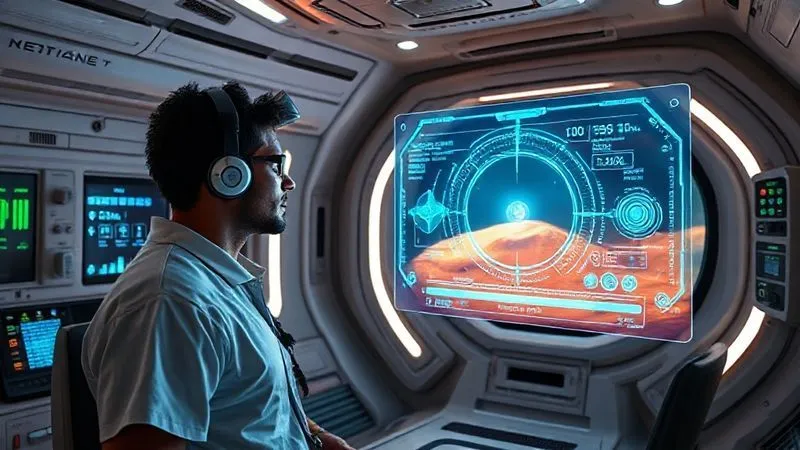
Training and Emergency Protocols: Empowering the Tourist
Even with the best technology, human preparedness is a critical layer of safety. Empowering tourists with knowledge and clear protocols is non-negotiable.
Radiation Awareness Training
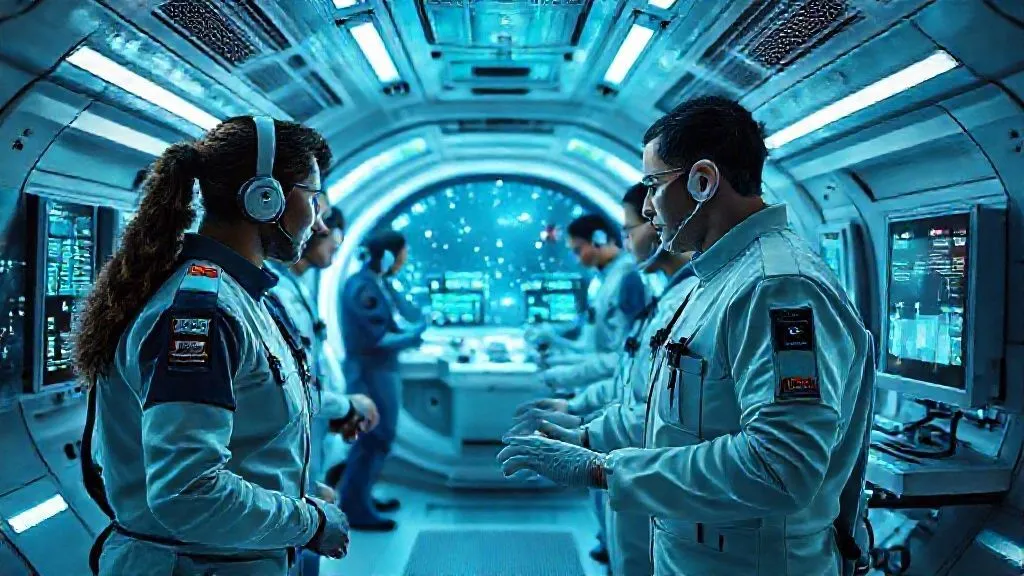
Every Mars tourist will undergo comprehensive training on the basics of radiation, its risks, and the specific mitigation strategies employed on their journey. This isn't about scaring them; it's about informed consent and empowering them to be active participants in their own safety. They'll learn how to interpret radiation monitors, understand the difference between GCR and SPE alerts, and recognize the importance of following crew instructions during high-radiation events.
Emergency Shelter Procedures
For SPEs, rapid response is crucial. Tourists will be trained on emergency procedures for moving to designated radiation storm shelters within the spacecraft or habitat. These shelters, often centrally located and heavily shielded, will be designed for quick access and short-term occupancy. Drills will be conducted regularly to ensure everyone knows their role and the fastest route to safety. This level of preparedness, while rigorous, is what transforms a potential crisis into a manageable event.
A well-informed tourist is a safer tourist, capable of making critical decisions when every second counts. Education and clear protocols are as vital as any physical shield.
The Role of International Collaboration and Regulation
Space tourism, especially to Mars, transcends national boundaries. Establishing common standards and regulations is vital for ensuring safety and trust in the burgeoning industry.
Setting Acceptable Dose Limits for Civilians
One of the most complex ethical and practical challenges is defining acceptable radiation dose limits for civilian space tourists. Astronauts, as occupational professionals, accept higher risks. For tourists, who may have varied health profiles and expectations, these limits need careful consideration. International bodies, in collaboration with medical experts and space agencies, must establish clear, globally recognized guidelines. These guidelines will likely be more conservative than those for career astronauts, reflecting the different risk acceptance levels.
Sharing Best Practices and Research
No single nation or private company can solve the radiation challenge alone. International collaboration in research, technology development, and sharing of operational best practices is essential. Organizations like the United Nations Office for Outer Space Affairs (UNOOSA) play a crucial role in fostering this cooperation, helping to harmonize regulations and ensure a unified approach to safety. I've seen firsthand how shared data and open dialogue accelerate progress, preventing redundant efforts and fostering innovation across the globe. UNOOSA's efforts in space sustainability, while not directly radiation-focused, exemplify the need for international frameworks.
| Category | Typical Lifetime Dose Limit (mSv) | Risk Acceptance | Medical Monitoring | Mitigation Strategy Focus |
|---|---|---|---|---|
| Career Astronauts | ~500-1000 (mission-dependent) | High (occupational hazard) | Extensive, long-term | Performance, mission success |
| Mars Space Tourists (Proposed) | ~50-100 (more conservative) | Moderate to Low (informed consent) | Personalized, pre/post mission | Safety, long-term health |
Frequently Asked Questions (FAQ)
Is Mars tourism even feasible with current radiation technology? Technically, yes, but with significant caveats. Current technology can reduce radiation exposure to within acceptable, albeit elevated, limits for a single mission. However, for widespread, repeatable tourism, especially for individuals not in peak physical condition, more advanced active shielding and medical countermeasures are highly desirable and actively being developed to truly lower the long-term health risks. It's a balance of risk acceptance and technological capability.
How does a Martian mission's radiation compare to a long-haul flight on Earth? The difference is orders of magnitude. A long-haul flight exposes you to slightly elevated radiation due to reduced atmospheric shielding, typically a few tens of microSieverts. A Mars mission, lasting months or even years, exposes you to hundreds of milliSieverts – potentially thousands of times higher. Earth's atmosphere and magnetosphere provide robust natural protection that deep space lacks, making the comparison almost moot in terms of risk.
What's the biggest unknown in Mars radiation protection? The biggest unknown is the long-term, specific biological effects of GCRs, particularly on the central nervous system, over multiple decades. While we have extensive data from LEO missions and animal studies, the unique energy spectrum and constant bombardment of GCRs in deep space present subtle, cumulative challenges that are still being fully understood. This uncertainty drives much of the research into advanced countermeasures.
Will I need to take special medication before/during a Mars trip? While not standard practice for short-duration LEO flights, it is highly probable that future Mars tourists will be offered, or even required to take, pharmacological radioprotectants. These could include specific antioxidants or DNA repair enhancers designed to bolster the body's natural defenses against radiation damage. This will be a key component of personalized medical protocols.
How will my individual risk be assessed? Individual risk assessment will be highly personalized. It will involve comprehensive genetic screening, a detailed medical history, baseline health metrics, and continuous real-time dosimetry during the mission. AI-powered systems will analyze this data to provide a dynamic risk profile, allowing for tailored interventions and ensuring that each tourist's exposure remains within their pre-defined acceptable limits, factoring in their unique biology.
Key Takeaways and Final Thoughts
- Multi-Layered Shielding is Essential: A combination of advanced passive (hydrogen-rich materials, regolith) and active (electromagnetic, plasma) shielding will be required.
- Strategic Planning Mitigates Exposure: Optimizing mission timing (solar cycle) and trajectory (fast transit, gravity assists) significantly reduces cumulative dose.
- Martian Habitats Must Be Fortresses: Subsurface or heavily shielded surface habitats are non-negotiable for long-term stays on Mars.
- Medical Science is a Critical Partner: Radioprotectants, personalized dosimetry, and robust health monitoring will safeguard tourist well-being.
- Preparedness and Training Empower: Educating tourists on radiation risks and emergency protocols ensures they are active participants in their safety.
- Global Collaboration is Key: International cooperation in research, regulation, and setting civilian dose limits will ensure a safe and ethical space tourism industry.
The journey to Mars for tourists is not just a technological challenge; it's a testament to human ingenuity and our unwavering desire to explore. While the radiation environment presents formidable hurdles, the solutions are emerging from the cutting edge of science and engineering. As an industry specialist, I am confident that through continuous innovation, rigorous safety protocols, and a commitment to ethical standards, we will indeed learn how to mitigate radiation exposure risks for Mars tourists, making the dream of interplanetary travel a safe and inspiring reality for generations to come. The red planet awaits, and with careful planning, we can ensure its wonders are accessible to all.
Recommended Reading
- Beyond the Crowd: 7 Ways to Guarantee Exclusive Peak Festival Access
- 7 Steps: What to Do When Essential Medical Equipment Fails Abroad?
- Unlock Your Dream Cruise: How Much to Budget for a First-Time Voyage?
- Maximize Language Gain: 7 Strategies for Short Cultural Trips
- 7 Critical Strategies: Safeguarding Clients on Extreme Remote Wildlife Safaris



Your email address will not be published. Required fields are marked *