

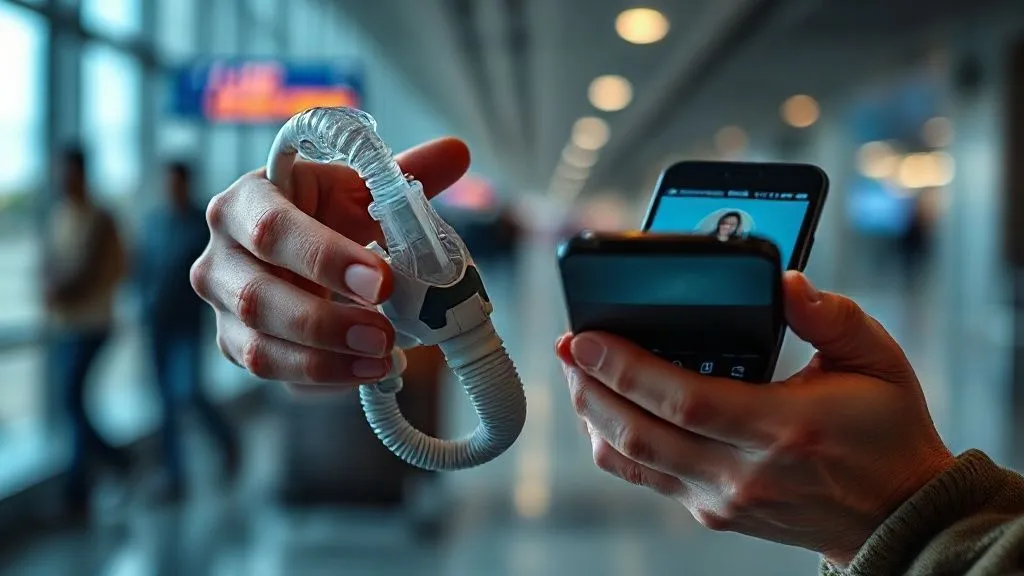
What to Do When Essential Medical Equipment Fails Abroad? Your Crisis Action Plan
For over 15 years in the accessible travel sector, I've witnessed the incredible joy and freedom travel brings to individuals with medical needs. Yet, beneath that excitement often lies a silent anxiety: the fear of essential medical equipment failing far from home. I've heard countless stories, from the mild inconvenience of a broken wheelchair charger to the life-threatening scenario of a malfunctioning ventilator.
This isn't just a minor setback; for many, it's a profound crisis that can instantly transform a dream vacation into a terrifying ordeal. The thought of being in a foreign country, grappling with language barriers, unfamiliar healthcare systems, and the sudden loss of a device vital for your health or mobility, is enough to deter anyone from venturing out. The problem is real, the stakes are high, and the emotional toll can be immense.
But here’s the crucial insight I want to share: while equipment failure can happen, it doesn't have to derail your entire trip or compromise your safety. This comprehensive guide will equip you with an actionable, step-by-step framework to confidently address the question: What to do when essential medical equipment fails abroad? We'll cover everything from proactive planning to immediate response, sourcing replacements, and managing the psychological impact, ensuring you're prepared for any eventuality.
Proactive Planning: Your First Line of Defense
The best crisis management starts long before a crisis hits. In my experience, meticulous pre-trip planning can mitigate 80% of potential issues when traveling with medical equipment. It's about creating layers of protection, ensuring that even if one fails, others are ready to catch you.
Comprehensive Pre-Trip Checklist for Medical Devices
Before you even pack your suitcase, dedicate time to preparing your medical equipment. This isn't just about throwing it in a bag; it's about understanding its vulnerabilities and having backups.
- Understand Your Device Inside Out: Know its model number, serial number, manufacturer, and technical specifications. Keep a copy of the user manual (digital and physical) and any troubleshooting guides.
- Pack Essential Spares and Accessories: This includes extra batteries, charging cables, adapters, tubing, filters, and any small, easily replaceable components. For devices like CPAP machines, bring a spare mask. For mobility aids, consider a basic repair kit.
- Secure Prescriptions and Medical Documentation: Carry physical and digital copies of your prescriptions, a doctor's letter explaining your condition and the necessity of your equipment, and a list of generic names for any medications you take. This is crucial for emergency refills or explaining your device to customs or medical professionals.
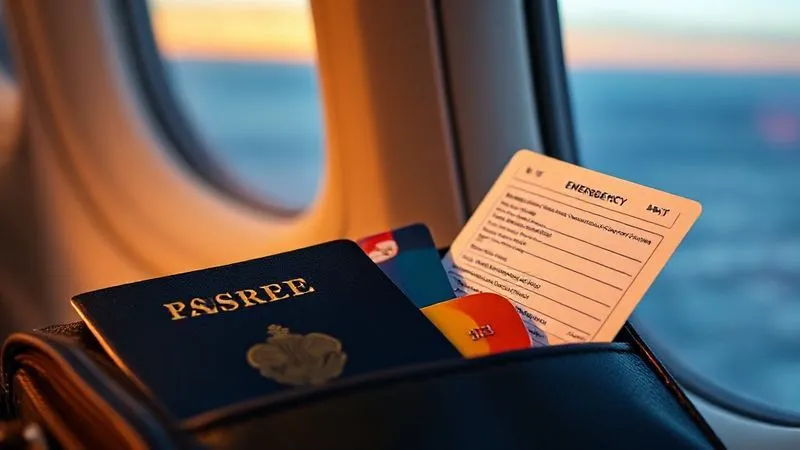
- Compile Emergency Contact Information: Keep a laminated card and a digital file with your doctor's contact, the device manufacturer's international support line, your travel insurance provider's emergency number, and local embassy/consulate details.
- Check Power Requirements: Ensure you have the correct voltage converters and plug adapters for your destination. Incorrect power can damage sensitive electronics.
Insurance and Emergency Funds: Beyond Standard Travel Policies
Standard travel insurance often falls short when it comes to specialized medical equipment. I always advise my clients to look deeper.
Investigate specialized medical travel insurance policies. These often provide higher coverage limits for medical devices, emergency medical evacuation, and even specific clauses for equipment repair or replacement. Compare policies carefully, ensuring they cover pre-existing conditions and the specific type of equipment you use. According to a recent AARP study, only 30% of travelers with medical needs feel fully confident in their insurance coverage abroad – a gap we must close.
Beyond insurance, cultivate an emergency fund specifically for travel. This cash buffer can be invaluable for immediate repairs, temporary rentals, or unexpected purchases while awaiting insurance reimbursement. Credit cards with no foreign transaction fees can also be a lifesaver.
Immediate Steps When Equipment Fails: The Golden Hour
The moment your essential medical equipment fails abroad, a wave of panic can easily set in. But how you respond in the initial 'golden hour' can significantly impact the outcome. My advice is always to pause, breathe, and follow a structured approach.
Assess the Situation Calmly: Diagnosis and Documentation
Before you can fix the problem, you need to understand it. Resist the urge to immediately try forceful fixes.
- Stop and Breathe: Take a few deep breaths. Panic clouds judgment.
- Initial Assessment: What exactly happened? Did it stop working suddenly? Is there a visible fault (e.g., a broken wire, a crack)? Are there error codes or indicator lights? Try to recall any unusual sounds or smells before the failure.
- Basic Troubleshooting: Consult your device's manual or troubleshooting guide. Is it simply unplugged? Is a battery dead? Is a fuse blown? Sometimes, the fix is simpler than you think.
- Document Everything: Take clear photos and videos of the equipment, especially any visible damage, error messages, or the setup. Note down the exact time and circumstances of the failure. This documentation will be critical for insurance claims, manufacturer support, and explaining the situation to medical professionals.
Contacting Your Support Network
Once you have a clearer picture, it's time to activate your support network. You don't have to solve this alone.
- Inform Your Travel Companion/Family: If you're traveling with someone, immediately inform them. They can provide emotional support and practical assistance. If alone, reach out to family members who can help coordinate from home.
- Call Your Medical Provider at Home: Your primary doctor or specialist knows your condition and equipment best. They can offer immediate medical advice, suggest temporary alternatives, or even help coordinate with international medical services.
- Contact the Device Manufacturer's International Support: Many manufacturers have 24/7 global hotlines. Provide them with your device's model and serial number, and the details of the failure. They might be able to guide you through advanced troubleshooting, authorize local repairs, or arrange for a replacement.
- Notify Your Travel Insurance Provider: This is paramount. Inform them immediately about the equipment failure. They will guide you on next steps for medical assistance, potential repairs, or replacement costs, and what documentation they require. Be clear about the urgency and necessity of the equipment.
- Reach Out to Your Embassy/Consulate: While not their primary role, embassies can sometimes provide lists of local English-speaking doctors, hospitals, or even assist with navigating local bureaucracy in a medical emergency.
Navigating Local Healthcare Systems and Resources
Once your immediate support network is engaged, the next critical step is to interact with the local environment. This can be daunting, but with the right approach, it's manageable.
Locating Local Medical Facilities and Pharmacies
Your goal is to find reliable local resources that can either provide a temporary solution or point you towards a permanent fix.
Start by asking your hotel concierge or local tour guide; they often have reliable local knowledge. If that's not possible, use online maps (Google Maps, Apple Maps) to search for 'hospitals,' 'clinics,' 'pharmacies,' or 'medical supply stores' near your location. Filter for those with high ratings or specific specialties if applicable. For urgent situations, head directly to the nearest hospital's emergency room. They can often provide immediate care and direct you to specialized services.
Language Barriers and Communication Strategies
Language can be a significant hurdle. Don't let it paralyze you.
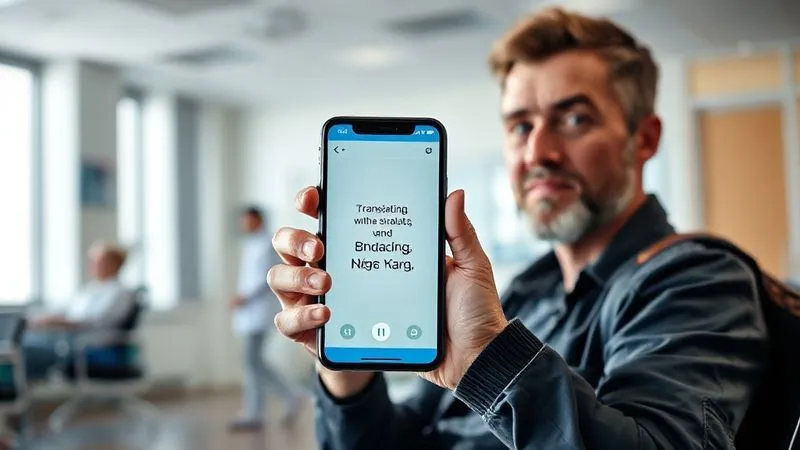
- Translation Apps: Apps like Google Translate or Microsoft Translator offer real-time spoken and text translation. Pre-download languages for offline use.
- Phrasebooks: Carry a small medical phrasebook that covers common symptoms, equipment names, and urgent requests.
- Visual Aids: Use your documented photos/videos of the equipment and its malfunction. A picture truly is worth a thousand words.
- Embassy/Consulate Assistance: As mentioned, they can often provide lists of English-speaking doctors.
- Local Guides/Interpreters: If your budget allows, hiring a local guide or interpreter for critical appointments can be incredibly beneficial.
Sourcing Replacements or Repairs Abroad
This is often the most challenging phase, requiring persistence and resourcefulness. Your goal is to get your essential medical equipment functioning again, or to secure a suitable alternative.
Manufacturer Support and International Guarantees
Your device manufacturer is your primary resource for repairs or replacements. When you contact their international support, be prepared to provide all the documentation you gathered earlier. Enquire about:
- Authorized Service Centers: Do they have an authorized repair center in your current country or a nearby major city?
- International Warranty: Is your warranty valid internationally? Some devices have region-specific warranties.
- Emergency Replacement Program: Some manufacturers offer expedited replacement services for critical devices, often with a deposit or through your insurance.
- Shipping Options: Can they ship a replacement part or a new device to your location? Be aware of customs delays and duties.
Local Medical Supply Stores and Pharmacies: A Lifeline
For simpler devices or components, local medical supply stores (often called 'farmacias' or 'apotek' in some countries, or 'DME - Durable Medical Equipment' stores) can be a godsend. Show them your broken part or the device manual. Even if they don't have an exact match, they might have a compatible alternative or know where to find one. Pharmacies can also be surprisingly well-stocked for basic medical needs and often have staff who can advise on local resources.
| Option | Pros | Cons | Cost |
|---|---|---|---|
| Manufacturer Repair | Expert knowledge, genuine parts, warranty potentially valid | Time-consuming, shipping complexities, may not have local presence | Varies (potentially covered by warranty/insurance) |
| Local Repair Shop | Faster turnaround, potentially cheaper | May not be certified, risk of improper repair, parts availability | Moderate (out-of-pocket) |
| Local Purchase/Rental | Immediate solution, no shipping | May not be exact model, quality variation, rental costs add up | High (purchase) / Moderate (rental) |
| Emergency Shipment from Home | Familiar device, trusted source | Customs delays, high shipping costs, risk of damage in transit | High (shipping) |
Emergency Prescription Refills and Equivalents
If your equipment failure is tied to medication (e.g., an insulin pump), securing refills is paramount. Present your original prescription and doctor's letter to a local pharmacy or clinic. Be aware that drug names, strengths, and even formulations can vary significantly between countries. Your doctor at home can often advise on generic equivalents or suggest a local doctor who can write a new prescription according to local regulations. As the CDC advises, always carry a list of your medications by their generic names.
Leveraging Technology and Digital Resources
In today's interconnected world, technology offers powerful tools to bridge geographical gaps and access expert advice when your essential medical equipment fails abroad.
Telemedicine and Remote Consultations
One of the most significant advancements for travelers with medical needs is telemedicine. Many healthcare providers now offer virtual consultations. This allows you to:
- Connect with Your Home Doctor: Schedule a video call with your familiar physician who understands your medical history. They can provide guidance, interpret local medical advice, or even write a new prescription that can be filled internationally.
- Access International Telemedicine Platforms: Services like Teladoc or Doctor On Demand (check for international availability) connect you with licensed doctors who can offer advice, diagnose non-emergency issues, and sometimes even prescribe medications.
- Get a Second Opinion: If you're unsure about local medical advice, a remote consultation can provide peace of mind or an alternative perspective.
Always ensure any telemedicine service you use is reputable and that the consulting physician is licensed to practice in a relevant jurisdiction.
Online Forums and Support Groups for Travelers with Medical Needs
The internet is also a vast repository of shared experience. Online forums and social media groups dedicated to accessible travel or specific medical conditions can be invaluable. Here's how to leverage them:
- Seek Peer Advice: Post your situation (without sharing personal medical details) and ask if anyone has experienced a similar equipment failure in your destination. They might offer practical tips, recommend local resources, or share their experiences with manufacturers.
- Find Local Recommendations: Members might suggest specific medical supply stores, repair shops, or English-speaking doctors in the area you're visiting.
- Emotional Support: Sometimes, just knowing you're not alone and hearing from others who have navigated similar challenges can be incredibly reassuring.
Caution: While these communities are supportive, always cross-reference any medical advice with qualified professionals. Personal anecdotes should complement, not replace, expert guidance.
Case Study: Sarah's Ventilator Crisis in Rome
How Sarah Navigated a Critical Equipment Failure
Sarah, a 35-year-old traveler with muscular dystrophy, relies on a portable ventilator for respiratory support, especially at night. On her dream trip to Rome, three days into her vacation, her ventilator began displaying a critical 'system error' message and failed to power on. Panic immediately set in.
Her first step, remembering my advice from a pre-trip consultation, was to remain calm and assess. She checked the power source, cables, and tried a different battery – all to no avail. Documenting the error message and the device's state with photos, she then immediately contacted her travel companion, Mark.
Together, they called her specialized travel insurance provider. The agent quickly connected them with a local medical assistance service. Simultaneously, Sarah's home pulmonologist, whom she called via WhatsApp, advised her on temporary manual ventilation techniques and confirmed the ventilator's critical role.
The local medical assistance service directed them to a highly-rated private hospital in Rome with an English-speaking staff. There, doctors confirmed the ventilator was irreparable locally. The insurance company, already informed, authorized an emergency replacement. They contacted the ventilator manufacturer's European support, who, upon verifying Sarah's device and situation, arranged for an expedited new unit to be flown from their German distribution center to Rome within 36 hours. In the interim, the hospital provided a temporary, compatible ventilator for Sarah's use, ensuring her safety.
Sarah's experience underscores that proactive planning, immediate action, clear communication with a robust support network, and good insurance are not just helpful – they are life-saving. Her preparation, including having all documentation readily available, significantly streamlined the crisis response.

Financial Implications and Reimbursement
Dealing with a medical equipment failure abroad inevitably brings financial considerations. It's crucial to understand how to manage these costs and navigate the reimbursement process to avoid further stress.
Understanding Out-of-Pocket Expenses and Claims Process
Even with comprehensive insurance, you might face immediate out-of-pocket expenses. This could include:
- Deductibles and Co-pays: Your insurance policy will likely have these, which you'll need to pay upfront.
- Non-Covered Items: Some minor repairs or temporary solutions might not meet your policy's coverage criteria.
- Emergency Purchases: If you need a quick replacement for a low-cost item, you might purchase it directly and seek reimbursement later.
- Shipping and Customs: If a replacement is shipped, you might be responsible for duties or expedited shipping fees initially.
The Golden Rule: Keep Every Receipt. This cannot be stressed enough. For every consultation, repair, purchase, or shipping cost related to your equipment failure, get an itemized receipt. If possible, get it translated or have key details noted in English. According to the U.S. State Department's travel advisories, detailed documentation is the bedrock of any successful insurance claim.
Immediately after the incident, contact your travel insurance provider to understand their specific claims process. They will tell you what forms to fill out, what documentation they require (police reports, medical reports, repair estimates, purchase receipts, etc.), and the timeline for submission. Be diligent and follow their instructions precisely to ensure a smooth reimbursement.
Psychological Impact and Self-Care
Beyond the practical challenges, an equipment failure abroad can take a significant toll on your mental and emotional well-being. Acknowledging and addressing this aspect is just as important as fixing the device.
Managing Stress and Anxiety in a Crisis
It's entirely normal to feel overwhelmed, anxious, or even angry when your essential medical equipment fails. These feelings are valid. Here's how to manage them:
- Acknowledge Your Feelings: Don't try to suppress them. Understand that this is a stressful situation, and your reactions are natural.
- Practice Mindfulness/Deep Breathing: Simple techniques like focusing on your breath for a few minutes can help calm your nervous system and regain clarity.
- Break Down the Problem: Instead of seeing one giant, insurmountable problem, break it into smaller, manageable steps. Focus on the next immediate action you need to take.
- Maintain Routine Where Possible: If you can, stick to aspects of your routine – mealtimes, sleep schedules – to create a sense of normalcy amidst the chaos.
The Importance of a Support System
You don't have to carry this burden alone. Lean on your support system:
- Travel Companions: They are your immediate allies. Share your concerns, delegate tasks, and allow them to help.
- Family/Friends at Home: Regular check-ins can provide emotional comfort and help coordinate efforts remotely.
- Medical Professionals: Don't hesitate to discuss your emotional state with doctors or your home therapist. They can offer strategies or even prescribe temporary support if needed.
Remember, self-care in a crisis isn't selfish; it's essential for maintaining the resilience needed to navigate the challenges effectively.
Frequently Asked Questions (FAQ)
Question: How can I prevent equipment failure abroad? Prevention starts with maintenance. Ensure your equipment is serviced before travel. Pack spares of critical, easily breakable parts. Use a sturdy, padded travel case. Protect from extreme temperatures and moisture. Always use appropriate power converters and adapters.
Question: What if my specific equipment isn't available locally? This is a common challenge. First, consult your home medical team for alternative solutions or temporary workarounds. Contact the manufacturer for international shipping options. Your travel insurance might cover expedited shipping or even the cost of a temporary, less ideal replacement. Consider reaching out to your embassy for assistance in sourcing specialized items.
Question: Should I carry spare equipment, like an extra CPAP machine? For truly life-sustaining equipment, carrying a complete, functional spare is an excellent, albeit sometimes impractical, precaution. If a full spare isn't feasible, focus on critical, easily damaged components like masks, tubing, batteries, and chargers. Always weigh the benefit against the added bulk and cost.
Question: How do I handle customs with medical equipment? Carry a doctor's letter explaining your condition and the necessity of your medical equipment. Keep the equipment in its original packaging if possible. Declare it if asked. Most countries have provisions for personal medical devices, but having documentation minimizes delays and questions. Check your destination country's specific customs regulations beforehand.
Question: What's the role of my embassy in a medical emergency? Your embassy or consulate can provide lists of local doctors, hospitals, and legal resources. They can also assist with emergency passports or communication with family. While they won't pay medical bills or provide medical care, they can be a vital resource for navigating local systems and ensuring your rights are protected.
Key Takeaways and Final Thoughts
Traveling with essential medical equipment demands a unique blend of preparation, vigilance, and resilience. While the thought of a device failing abroad can be daunting, my years in accessible travel have shown me that with the right knowledge and a solid plan, you can navigate these challenges effectively and safely.
- Prioritize Proactive Planning: Your pre-trip checklist, comprehensive insurance, and emergency contacts are your strongest assets.
- Act Calmly and Document Everything: In a crisis, a clear head and detailed records are invaluable for troubleshooting and claims.
- Leverage Your Support Network: From your home doctor to the device manufacturer and your travel insurance, don't hesitate to call upon every resource available.
- Be Resourceful Locally: Don't underestimate the power of local medical facilities, pharmacies, and even translation tools.
- Prioritize Self-Care: Acknowledge the stress, lean on your support system, and maintain your well-being throughout the ordeal.
Travel should be an enriching experience, not a source of constant anxiety. By understanding what to do when essential medical equipment fails abroad, you empower yourself to face unforeseen circumstances with confidence. Remember, you are not alone in this journey, and with proper preparation, you can continue to explore the world with peace of mind. Safe travels!
Recommended Reading
- Mastering Self-Rescue: Your Ultimate Guide to Multi-Pitch Ice Climbs
- Unraveling India's Culinary Tapestry: How Regional Indian Curries Differ by State
- Top 5 Luxury Cruise Lines for Corporate Retreats with Stellar Wi-Fi?
- 7 Smart Ways: How to Retrofit Hotels for Universal Design Without Huge Costs
- Boost Luxury Culinary Tour Profits by 25%: Quality-First Strategies




Your email address will not be published. Required fields are marked *