

How to Mitigate Revenue Loss from Last-Minute Cruise Package Cancellations?
For over two decades navigating the intricate waters of the cruise travel industry, I've witnessed firsthand the exhilarating highs of fully booked voyages and the frustrating lows of last-minute cancellations. It's a common pain point, a silent revenue drain that can erode profitability faster than an unexpected storm at sea. Many operators, both large and small, grapple with this challenge, often feeling powerless against unforeseen circumstances.
The problem isn't just a lost booking; it's a ripple effect. An empty cabin means lost revenue from the package itself, but also from onboard spending, excursions, and potential future bookings from satisfied guests. It impacts operational efficiency, marketing spend ROI, and can even strain relationships with travel agents. The financial and logistical headaches are real, and they demand a strategic, rather than reactive, approach.
In this definitive guide, I will share the seven most effective, battle-tested strategies to not just cope with, but actively mitigate revenue loss from last-minute cruise package cancellations. We'll delve into actionable frameworks, informed by real-world insights and data, to transform this challenge into an opportunity for resilience and growth. Prepare to fortify your booking funnel and secure your financial future against the unpredictable tides of cancellations.
Understanding the Root Causes of Last-Minute Cancellations
Before we can effectively mitigate a problem, we must first understand its origins. Last-minute cruise cancellations aren't random occurrences; they often stem from identifiable patterns and triggers. From my vantage point, these causes can broadly be categorized into external shocks, personal circumstances, and booking psychology.
Market Volatility and External Shocks
The travel industry is inherently susceptible to external forces. Global events such as pandemics, political unrest, natural disasters, or even significant economic downturns can trigger widespread cancellations. These are often beyond an individual operator's control, but their impact can be anticipated and planned for. I've seen entire seasons disrupted by events no one could have predicted, forcing the industry to adapt rapidly.
Personal Circumstances and Travel Restrictions
Individual passenger situations like sudden illness, family emergencies, job loss, or visa issues frequently lead to cancellations. Furthermore, evolving travel restrictions, often implemented by governments at short notice, can make travel impossible for some guests, even if they are eager to sail. These personal reasons, while sympathetic, still result in empty cabins.
The Psychology of Booking and Commitment
Sometimes, cancellations are simply a change of heart or a consequence of booking far in advance. The excitement of booking a cruise can sometimes wane, or better offers might emerge. Consumers might also book multiple options and cancel the ones they don't choose, especially if cancellation policies are lenient. Understanding this consumer behavior is crucial for designing more robust booking processes.
Expert Insight: "Understanding *why* cancellations occur is the first step toward building proactive defenses. It's not about preventing every single cancellation, but about creating systems that absorb the shock and turn potential losses into opportunities."
Strategy 1: Fortifying Your Cancellation Policies with Flexibility and Fairness
One of the most immediate and impactful areas to address is your cancellation policy. In my experience, a policy that is too rigid alienates customers, while one that is too lenient invites abuse. The sweet spot lies in balancing firm boundaries with empathetic flexibility. This builds trust while protecting your bottom line.
Tiered Cancellation Structures
Instead of a one-size-fits-all approach, consider implementing a tiered cancellation policy. This rewards early commitment and provides more flexibility for those who might need it, albeit at a cost. For example:
- 90+ Days Out: Full refund minus a small administrative fee.
- 60-89 Days Out: Partial refund (e.g., 50-75%) or a future cruise credit.
- 30-59 Days Out: Future cruise credit only (e.g., 25-50% of value).
- Less than 30 Days Out: No refund, but perhaps a small credit for onboard activities.
This structure incentivizes guests to commit earlier or to cancel earlier if necessary, giving you more time to re-sell the cabin. It also offers a perceived benefit for booking well in advance.
Non-Refundable Deposit Options
For certain promotions or cabin categories, offering a slightly lower price in exchange for a non-refundable deposit can be highly effective. This secures a commitment from the outset. Clearly communicate that this option provides a financial benefit but comes with reduced flexibility. This strategy works particularly well for budget-conscious travelers who are confident in their travel plans.

Strategy 2: Leveraging Dynamic Pricing and Rebooking Incentives
A cancelled booking doesn't have to be a dead loss. It's an opportunity, albeit a challenging one, to re-engage and re-sell. Dynamic pricing and attractive rebooking incentives are powerful tools in turning a potential loss into a swift recovery. I've seen companies dramatically reduce their cancellation impact by mastering these techniques.
Real-Time Price Adjustments for Open Slots
When a last-minute cancellation occurs, you're left with an empty cabin. Instead of letting it sail empty, use dynamic pricing algorithms to adjust its price in real-time. This doesn't mean slashing prices indiscriminately, but rather offering targeted discounts to specific segments (e.g., loyalty members, last-minute deal seekers) who are likely to book quickly. The goal is to maximize the revenue from that specific cabin, even if it's not the initial full price. According to a Harvard Business Review article on dynamic pricing, this approach can significantly boost profitability by optimizing supply and demand.
Exclusive Rebooking Offers
For guests who cancel, especially due to unforeseen circumstances, offering an exclusive rebooking incentive can soften the blow and retain them as a customer. This could include:
- A discounted rate on a future cruise.
- An onboard credit for their next booking.
- Waived rebooking fees.
- A complimentary upgrade on a subsequent sailing.
The cost of these incentives is often far less than the lifetime value of a lost customer. It transforms a negative experience into a positive brand interaction.
Consider this comparison of booking incentives:
| Incentive Type | Typical Value | Impact on Revenue Loss | Customer Perception |
|---|---|---|---|
| Future Cruise Credit (FCC) | 50-100% of original fare | High mitigation, retains customer value | Fair, good value retention |
| Discount on Next Booking | 10-25% off | Moderate mitigation, encourages rebooking | Attractive, encourages loyalty |
| Waived Rebooking Fees | $50-$200 | Low direct, high indirect (customer goodwill) | Customer-friendly, reduces friction |
| Onboard Credit | $50-$250 | Indirect, encourages future spending | Valuable, enhances next experience |
Strategy 3: Enhancing Customer Engagement and Pre-Departure Communication
Proactive and empathetic communication is a powerful deterrent against last-minute cancellations. Often, cancellations stem from anxiety, uncertainty, or a feeling of being unprepared. By providing clear, reassuring, and helpful information, you can significantly reduce these anxieties and solidify commitment. My experience has shown that well-informed customers are happier, more confident, and less likely to pull out.
Personalized Communication Journeys
Implement an automated, yet personalized, communication journey from the moment a cruise is booked until departure. This includes:
- Booking Confirmation: Clear, concise, and exciting.
- Pre-Departure Emails (60, 30, 14, 7 days out): Share practical information like packing lists, shore excursion options, dining reservations, and health protocols.
- Personalized Offers: Based on past preferences or demographics, suggest relevant add-ons or upgrades.
- Direct Contact Options: Make it easy for guests to ask questions or express concerns directly to a human.
This consistent engagement keeps the cruise top-of-mind and builds excitement, reinforcing their decision to travel.
Pre-Cruise Checklists and Reminders
Empower your guests with comprehensive checklists for everything they need to do before they sail – from passport validity to online check-in. Send friendly reminders for crucial deadlines, such as final payment dates or excursion booking cut-offs. This reduces the stress of planning and ensures they feel prepared, minimizing reasons for last-minute cold feet. As renowned marketing guru Seth Godin often emphasizes, building trust and anticipation is key to sustained customer relationships.
Case Study: How 'Ocean Dream Cruises' Slashed Cancellation Rates
Ocean Dream Cruises, a mid-sized operator, faced a persistent 15% last-minute cancellation rate, particularly from first-time cruisers. They implemented a new 'Voyage Ready' communication program. This included a series of personalized emails detailing pre-cruise essentials, an interactive online checklist, and a dedicated 'Voyage Support' chatbot for instant answers. They also introduced a 30-day pre-departure webinar for first-timers. Within six months, their last-minute cancellation rate dropped to 8%, and customer satisfaction scores for pre-cruise experience increased by 20%. This resulted in a significant boost to their net revenue and reduced operational headaches.
Strategy 4: The Power of Comprehensive Travel Insurance and Ancillary Sales
One of the most effective ways to mitigate direct revenue loss from cancellations, especially those due to unforeseen personal circumstances, is to shift the financial risk. Travel insurance is not just an add-on; it's a critical component of a robust revenue protection strategy. I've consistently advised clients to integrate this deeply into their booking flow.
Partnering with Reputable Insurance Providers
Forge strong partnerships with well-known and trusted travel insurance providers. Offer their products directly within your booking process, making it easy for guests to protect their investment. Highlight the benefits of insurance, particularly for last-minute issues that are beyond your control. Ensure your sales team and agents are well-versed in explaining the coverage options, making it a value-add rather than just an extra cost.
Promoting 'Cancel for Any Reason' (CFAR) Policies
While standard travel insurance covers specific events (illness, injury, death), 'Cancel for Any Reason' (CFAR) policies offer the ultimate flexibility. These policies, though typically more expensive, allow travelers to cancel for reasons not covered by traditional insurance and receive a significant portion (e.g., 50-75%) of their non-refundable costs back. Promoting CFAR provides peace of mind to your customers and, crucially, shifts the financial burden of a 'change of mind' cancellation away from your revenue stream. It's a win-win: the customer feels secure, and you reduce your exposure to revenue loss.
Expert Insight: "Travel insurance isn't just about protecting the traveler; it's a vital layer of protection for your business, allowing you to retain revenue on bookings that would otherwise be a total loss. Make it easy, make it clear, and make it part of the journey."
Strategy 5: Building a Robust Standby and Waitlist Management System
Even with the best policies and communication, some cancellations are inevitable. The key then becomes how quickly and efficiently you can fill those newly available cabins. A sophisticated standby and waitlist management system is your secret weapon, turning cancelled bookings into new sales opportunities almost instantly. I've seen operators dramatically improve their yield by mastering this.
Automated Waitlist Notifications
Implement an automated system where interested guests can sign up for a waitlist for fully booked cruises or specific cabin categories. When a cancellation occurs, the system should automatically notify people on the waitlist, offering them the chance to book the newly available slot. This needs to be done quickly, often with a time-sensitive offer to encourage immediate action. The speed of response is critical here; the longer a cabin remains empty, the harder it is to sell.
Last-Minute Deals for Standby Passengers
Beyond a traditional waitlist, cultivate a 'standby' list for highly flexible travelers who are willing to book at a moment's notice for a discounted rate. These are often locals or frequent cruisers who can pack quickly. Create a dedicated communication channel (e.g., SMS alerts, a private email list) for these last-minute deals. While the revenue per cabin might be slightly lower, it's far better than zero revenue from an empty cabin. This strategy taps into a specific segment of the market that values spontaneity and savings.
Strategy 6: Data-Driven Forecasting and Predictive Analytics
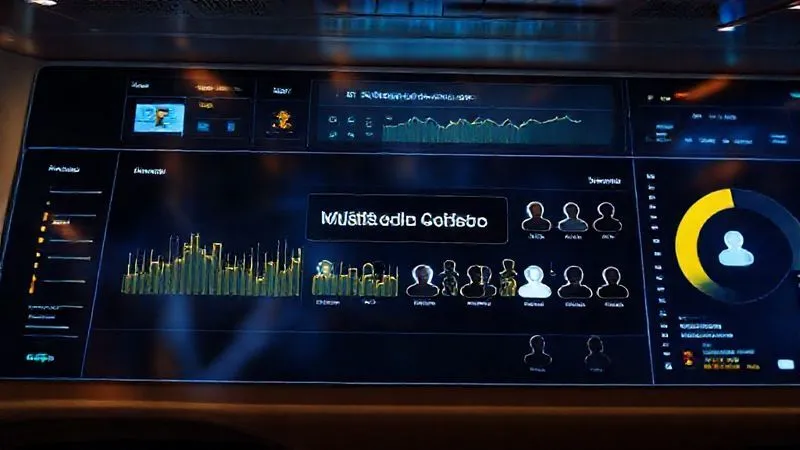
In today's data-rich environment, relying solely on intuition is a missed opportunity. Predictive analytics is a game-changer for anticipating and mitigating revenue loss from cancellations. By understanding historical patterns and identifying key indicators, you can forecast potential cancellations and take proactive steps. This is where true expertise and strategic foresight come into play.
Identifying Cancellation Patterns and Triggers
Dive deep into your historical booking and cancellation data. Look for patterns:
- Which itineraries or cabin types have higher cancellation rates?
- Are cancellations more prevalent during specific seasons or after certain events?
- Do bookings made through particular channels have higher cancellation risks?
- Is there a correlation between the time of booking (e.g., very far in advance) and cancellation likelihood?
By identifying these patterns, you can pinpoint areas of vulnerability and tailor your strategies accordingly. For instance, if you notice a surge in cancellations for bookings made six months out, you might intensify your engagement efforts around that mark.
Implementing Predictive Models
Move beyond simple pattern recognition to predictive modeling. Utilize machine learning algorithms to analyze various data points (booking history, customer demographics, external events, web behavior) to predict which bookings are at a higher risk of cancellation. Once a high-risk booking is identified, you can initiate targeted interventions:
- A personalized outreach from a customer service representative.
- A special offer to solidify their commitment (e.g., an upgrade, an onboard credit).
- A reminder about the benefits of travel insurance.
This proactive engagement, informed by data, allows you to intervene before a cancellation becomes a reality. A Deloitte report on the travel industry consistently highlights the growing importance of data analytics in revenue management and risk mitigation.
Here's an example of how predictive data might inform action:
| Risk Level | Predicted Cancellation Likelihood | Trigger Factors | Recommended Action |
|---|---|---|---|
| High | 60%+ | First-time cruiser, booking 12+ months out, no insurance purchased | Personalized phone call, special 'commitment' offer, insurance reminder |
| Medium | 30-59% | Repeat cruiser, 6-9 months out, low engagement with pre-cruise emails | Targeted email with itinerary highlights, onboard credit incentive |
| Low | <30% | Loyalty member, 3-5 months out, purchased insurance | Standard pre-departure communication |
Strategy 7: Cultivating Customer Loyalty and Community
At the heart of sustained revenue protection lies customer loyalty. Loyal customers are not only more likely to book repeatedly but are also significantly less likely to cancel. They have a vested interest in your brand and often feel a stronger connection, making them more resilient to external pressures. Building this loyalty is an ongoing investment that pays dividends, as I've observed countless times in this industry.
Exclusive Loyalty Programs
Develop a multi-tiered loyalty program that rewards repeat cruisers with tangible benefits. This could include:
- Exclusive discounts on future sailings.
- Priority boarding and disembarkation.
- Complimentary upgrades or onboard credits.
- Access to members-only events or lounges.
These perks create a strong incentive for customers to stick with your brand. The higher the tier, the more valuable the benefits, encouraging progression and deeper commitment. A robust loyalty program fosters a sense of belonging and appreciation, making customers think twice before canceling, especially if it means losing out on accumulated benefits.
Building a Strong Brand Community
Beyond transactional loyalty programs, foster a genuine community around your brand. Utilize social media groups, forums, and even dedicated online platforms where cruisers can share experiences, ask questions, and connect with fellow travelers. Host virtual events, Q&A sessions with captains or cruise directors, and share behind-the-scenes content. This creates an emotional connection to your brand, transforming customers into advocates. People are less likely to cancel on a 'family' or community they feel part of. As Forbes highlights, community is the new marketing, driving deeper engagement and retention.
Expert Insight: "Loyalty isn't just about discounts; it's about building a relationship. When customers feel valued and connected to your brand, they become your strongest defense against cancellations and your most powerful advocates for future growth."

Frequently Asked Questions (FAQ)
Q: What's the most common mistake cruise lines make regarding cancellations? The most common mistake I've observed is being purely reactive rather than proactive. Many operators wait for a cancellation to happen before scrambling to fill the spot, instead of implementing strategies that anticipate and mitigate the risk upfront. Another major error is having overly rigid cancellation policies that alienate customers and prevent rebooking opportunities. Balance is key.
Q: How do I balance strict cancellation policies with customer satisfaction? The secret lies in transparency and offering options. Clearly communicate your tiered cancellation policy at the point of booking. Offer travel insurance (especially CFAR) as a prominent option. If a customer needs to cancel, provide empathetic support and offer rebooking incentives or future cruise credits where appropriate. This shows you value their business, even if their plans change.
Q: Can dynamic pricing negatively impact brand perception? It can, if not handled carefully. Dynamic pricing should be used to optimize yield, not to gouge customers. Transparency is crucial. Clearly communicate that prices fluctuate based on demand and availability. Targeted last-minute deals for standby lists are generally well-received, as they offer value to a specific segment. Avoid dramatic, unexplained price increases for existing bookings, which can damage trust. Focus on filling cabins efficiently rather than maximizing every single dollar at the expense of goodwill.
Q: How can smaller cruise operators implement these strategies without a large budget? Many strategies can be scaled. For example, tiered cancellation policies are cost-neutral. For communication, leverage email marketing automation tools that are affordable. Partner with a single, reputable insurance provider rather than building your own platform. For waitlists, start with a simple email signup and manual outreach before investing in complex software. The key is to start small, measure impact, and scale what works. Building a strong community through social media is also a low-cost, high-impact strategy.
Q: What role does technology play in mitigating cancellation losses? Technology is absolutely foundational. From CRM systems that manage customer communication journeys to dynamic pricing engines and predictive analytics platforms, technology enables automation, personalization, and data-driven decision-making. It allows you to process cancellations efficiently, re-market empty cabins quickly, and identify at-risk bookings before they become cancellations. Investing in the right technology is no longer optional; it's essential for competitive resilience.
Key Takeaways and Final Thoughts
- Proactive is better than Reactive: Implement strategies *before* cancellations occur, not just after.
- Balance Flexibility with Firmness: Craft cancellation policies that protect revenue while maintaining customer goodwill.
- Leverage Data: Use analytics to understand patterns, predict risks, and inform interventions.
- Prioritize Customer Engagement: Keep travelers informed, excited, and connected to your brand.
- Shift Risk: Utilize travel insurance, especially CFAR, to protect both your business and your customers.
- Optimize Recovery: Implement robust standby and waitlist systems to quickly fill empty cabins.
- Cultivate Loyalty: Invest in loyalty programs and community building to foster long-term customer relationships.
Mitigating revenue loss from last-minute cruise package cancellations is not a singular task but a continuous, multi-faceted effort. It demands a holistic approach, blending smart policy design, technological prowess, and a deep understanding of customer psychology. By embracing these seven strategies, you're not just plugging a leak; you're building a more resilient, profitable, and customer-centric cruise operation. The seas of the travel industry will always have their storms, but with these tools, you can navigate them with confidence, ensuring your voyages remain full and your revenue streams strong.
Recommended Reading
- 7 Steps to Ethical Medical Volunteering: Avoid Harmful Voluntourism
- Unlock Your Dream: How to Get Free Volunteer Teaching Placements
- 7 Steps: Ethically Sourcing Unique Coffee Beans from Your Travels
- Time-Pressed Founders: 7 Steps to Epic Road Trips & Burnout Prevention
- Caregivers & Accessible Travel: 7 Steps to Stress-Free Journeys?





Your email address will not be published. Required fields are marked *