

How to Ethically Source Unique Coffee Beans from Travel Destinations?
For over 15 years, immersed in the intricate world of food travel, I've witnessed the profound connection between a region's culture and its culinary treasures. Coffee, for many of us, isn't just a beverage; it's a sensory journey, a story in a cup. My passion has always been for those truly unique beans, the ones that carry the essence of their origin.
However, the allure of exotic coffee beans from distant lands often overshadows a critical question: how do we acquire these unique treasures without contributing to exploitation or unsustainable practices? The desire to bring home a taste of our travels is natural, but the ethical complexities of the global coffee trade can make responsible sourcing feel daunting, even for the most well-intentioned traveler. We want to support local communities, but how can we be sure our purchases genuinely make a positive impact?
This guide is born from countless trips, deep dives into coffee culture, and conversations with farmers, roasters, and industry experts. I'll provide you with a definitive framework, equipping you with actionable steps, expert insights, and the confidence to ethically source unique coffee beans from your travel destinations, ensuring every sip tells a story of integrity and positive impact.
Understanding the Ethical Coffee Landscape: Beyond Fair Trade Labels
Before we dive into the 'how,' it's crucial to understand the 'why.' The ethical coffee landscape is far more nuanced than many realize. While terms like 'Fair Trade' have become commonplace, they represent just one facet of a much larger, complex system.
In my experience, many travelers mistakenly believe that simply seeing a Fair Trade label guarantees a fully ethical purchase. While Fair Trade certifications are a valuable starting point, particularly for larger supply chains, they often represent a minimum price guarantee and specific labor standards. They might not always reflect the full story of direct, equitable relationships or the nuances of specific community needs. The real game-changer, especially for unique, specialty beans, is often Direct Trade – a model where roasters and buyers forge direct relationships with farmers, ensuring greater transparency, higher prices, and often, investments in farm infrastructure and community projects.
The key here is transparency. True ethical sourcing demands that we look beyond broad certifications and seek out origins where the journey of the bean, from soil to cup, is clear and verifiable. This means understanding the local context, the challenges farmers face, and how our purchasing power can directly alleviate those pressures.
"Ethical sourcing isn't just about avoiding harm; it's about actively creating value and fostering sustainable livelihoods for those at the very beginning of the supply chain."
Researching Your Destination: Identifying Regions & Roasters with Integrity
The journey to ethically sourced coffee begins long before you pack your bags. Pre-travel research is not just important; it's non-negotiable for making informed, impactful choices. This is where you lay the groundwork for truly unique and responsible finds.
Start by focusing on destinations renowned not just for their coffee, but for their commitment to specialty coffee and sustainable practices. Regions like Costa Rica, Colombia, Ethiopia, and parts of Central America have established robust specialty coffee industries with a growing emphasis on direct farmer relationships and environmental stewardship. Look for countries or specific regions that have a strong reputation for transparency and community support within their coffee sector.
Your research should extend to identifying local roasters, cooperatives, or even individual farms that are known for their ethical commitments. Many progressive roasters today proudly share the stories of their partner farms, detailing their pricing structures and community initiatives. These are the partners you want to seek out during your travels.
- Identify Coffee-Growing Regions: Pinpoint specific regions within your destination known for specialty coffee production and a history of social responsibility.
- Seek Out Specialty Coffee Associations: Look for local chapters of organizations like the Specialty Coffee Association (SCA) or national coffee boards, as they often list ethical producers and roasters.
- Research Local Roasters & Co-ops: Use online forums, specialty coffee blogs, and even social media to find local roasters or farmer cooperatives that emphasize direct trade, fair wages, and sustainable practices. Check their websites for transparency reports or farmer stories.
The goal is to move beyond generic tourist traps and connect with the genuine heart of the coffee community. This proactive approach ensures you're engaging with partners who share your values.

Direct Engagement: Building Relationships with Farmers and Cooperatives
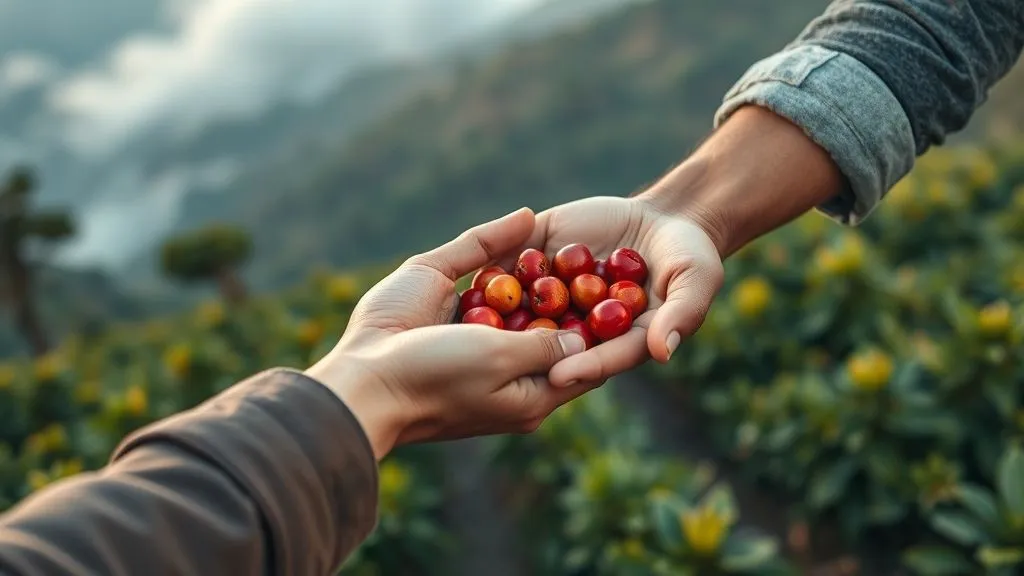
In my travels, I've learned that the most rewarding and ethical sourcing experiences come from direct engagement. There's an unparalleled power in looking a farmer in the eye, hearing their story, and understanding the labor of love that goes into each bean. This is where true ethical sourcing truly differentiates itself from simply buying a certified product.
Approaching farmers or cooperatives respectfully is paramount. This isn't just a transaction; it's an opportunity to build a relationship. Start by expressing genuine interest in their work, their farm, and their community. Ask about their farming practices, their challenges, and their aspirations. Often, a local guide or a contact from your pre-travel research can facilitate these introductions, bridging language barriers and cultural nuances. Remember, you are a guest in their world.
Language and cultural sensitivity play a massive role here. Even a few phrases in the local language can go a long way in showing respect. Be prepared to spend time, listen attentively, and be open to learning. This isn't about rushing to buy; it's about connecting on a human level, which inherently fosters trust and ensures a more ethical exchange.
Case Study: The Ojo de Agua Cooperative's Transformation
I recall a visit to the fictional Ojo de Agua Cooperative in the highlands of Guatemala. For years, their high-quality Arabica beans were sold to intermediaries at prices barely covering production costs, trapping farmers in a cycle of poverty. By implementing a direct trade model facilitated by a small, ethical roaster from Europe, the cooperative gained control over their pricing and narrative. They established direct relationships with several international buyers, including a few dedicated 'coffee travelers' like myself, who committed to purchasing specific lots at above-market prices.
This direct engagement allowed Ojo de Agua to invest in organic farming certifications, build a new community learning center, and provide health services for their members. Their income per farmer increased by an average of 40% within three years, demonstrating that direct, transparent relationships can profoundly impact farmer livelihoods and community development. This commitment to transparency and fair pricing is what truly elevates ethical sourcing. For more insights into successful cooperative models, consider exploring resources from organizations like Fair Trade America.
Navigating Pricing and Fair Compensation: Ensuring a Living Wage
This is perhaps the most critical, yet often overlooked, aspect of ethical sourcing: ensuring fair compensation. The term 'fair price' itself can be subjective, but in the context of ethical coffee, it must mean a price that allows farmers and their families to earn a living wage, cover their production costs, and invest in sustainable practices for the future.
The global coffee market is notoriously volatile, with prices often dictated by commodity exchanges far removed from the actual cost of production. In my experience, relying solely on the C-market price (the New York 'C' contract for Arabica coffee) is a recipe for exploitation. A truly ethical purchase goes well beyond this benchmark, often paying a significant premium to ensure the farmer's financial stability.
When engaging directly, inquire about their production costs and what they consider a fair price for their labor and quality. Be prepared to pay a price that reflects the true value of their product, not just the lowest market rate. This might mean paying 2-3 times the commodity price, but that investment directly translates into better living conditions, improved farming practices, and a sustainable future for the community. Remember, you are paying for quality, uniqueness, and the invaluable human effort behind your coffee.
| Cost Component | Ethical Sourcing (Example) | Commodity Market (Example) |
|---|---|---|
| Farm Gate Price (Direct to Farmer) | $3.00 - $5.00/lb | $1.50 - $2.50/lb |
| Processing & Drying | Included in Farm Gate / Transparent | Variable, often deducted |
| Export/Import & Logistics | Transparently accounted | Opaque, potential for hidden costs |
| Living Wage Benchmark (Farmer) | Met or Exceeded | Often Below |
| Quality Premium | Significant | Minimal to None |
Quality Assessment and Certification: What to Look For Beyond Taste
While the unique flavors and aromas are what initially draw us to specialty coffee, ethical sourcing demands that we also consider the objective markers of quality and responsible production. Taste is subjective, but ethical practices are verifiable.
For unique beans, understanding the Specialty Coffee Association (SCA) scoring system can be incredibly helpful. Beans scoring 80 points or above are considered 'specialty coffee,' indicating a higher standard of cultivation, processing, and flavor profile. When you're directly at a farm or cooperative, ask about their cupping scores for their various lots. This demonstrates your appreciation for their craft and your understanding of quality metrics.
Beyond taste, look for evidence of sustainable farming practices. While not always present on small, direct-trade farms, certifications like Organic, Rainforest Alliance, or Bird Friendly offer assurances of environmental stewardship. Even without formal certification, observe the farm: are shade trees integrated into the coffee plots? Are water resources managed responsibly? Are pesticides and herbicides used sparingly, if at all? These visual cues can tell you a lot about a farm's commitment to sustainability.
"True quality in coffee encompasses not just the flavor in the cup, but the integrity of the entire journey, from the soil it grew in to the hands that nurtured it."

The Logistics of Sourcing: From Farm to Your Cup
Once you've identified your unique, ethically sourced beans, the practicalities of getting them home come into play. This aspect often trips up travelers, but with a little planning, it's entirely manageable, especially for personal quantities.
For small, personal batches (a few pounds), carrying them in your checked luggage is usually the simplest option. Ensure the beans are well-packaged in airtight, sealed bags to maintain freshness and prevent spillage. Always declare agricultural products if required by your country's customs regulations. Most countries allow roasted coffee beans for personal consumption without major issues, but green (unroasted) beans might have stricter import rules due to potential pests or diseases.
If you're looking to bring back larger quantities, or if you're a small business looking to establish a direct trade relationship, the logistics become more complex, involving freight shipping, customs brokers, and import permits. In such cases, it's best to work with a reputable importer or a specialized coffee logistics company that understands the specific regulations for agricultural products. The farmer or cooperative might also have established relationships with local exporters who can assist.
- Small Batch (Personal Use): Purchase roasted beans if possible. Pack in vacuum-sealed bags. Place in checked luggage. Declare at customs.
- Medium Batch (Gift/Shared Use): Consider shipping services offered by local post offices or specialized couriers, ensuring proper documentation and customs forms are completed.
- Large Batch (Commercial/Bulk): Engage with the farm/cooperative to understand their export capabilities. Partner with a specialized coffee importer or customs broker in your home country. Be prepared for import duties, tariffs, and extensive paperwork.
Becoming a Responsible Coffee Ambassador: Sharing Your Ethical Journey
Your journey doesn't end when those unique, ethically sourced beans arrive in your home. In fact, it's just beginning. By bringing back these special coffees, you become an ambassador for the farmers, their communities, and the ethical principles you upheld during your travels.
Share the story behind your beans. Tell your friends, family, and fellow coffee enthusiasts about the farmers you met, the challenges they face, and the positive impact of your direct purchase. This storytelling is incredibly powerful; it educates others and inspires them to make more conscious choices in their own coffee consumption. Your experience can spark a ripple effect, encouraging others to seek out ethically sourced options, whether directly from origin or from local roasters committed to transparency.
Beyond storytelling, consider how you can continue to support the communities you visited. Perhaps it's through repeat purchases (if feasible), promoting their co-op online, or even advocating for fair trade practices within the broader coffee industry. Every decision we make, as consumers and travelers, has the potential to create a more equitable and sustainable world. Your unique coffee beans are more than just a delicious brew; they are a testament to responsible travel and conscious consumption.

Frequently Asked Questions (FAQ)
Q: Is it always more expensive to source ethically? A: While the initial purchase price for ethically sourced beans, especially through direct trade, is often higher than commodity market prices, it reflects the true cost of production and a living wage for farmers. In the long run, it supports sustainable farming, higher quality, and stronger communities, which can translate to a more stable and reliable supply of exceptional coffee. It's an investment, not just an expense.
Q: How can I verify a farmer's claims about their ethical practices? A: Verification involves a combination of direct observation, asking probing questions, and cross-referencing information. Look for transparency in their pricing, ask about their labor practices, environmental stewardship, and community involvement. If possible, visit the farm. Reputable cooperatives or roasters often publish transparency reports or share detailed farmer profiles. While certifications help, direct engagement and genuine curiosity are your best tools.
Q: What if I don't speak the local language? A: Language barriers can be overcome. Consider hiring a local guide or interpreter who specializes in agricultural or cultural tours. Many coffee-producing regions have tourism infrastructure that includes English-speaking guides. Even without an interpreter, showing respect, using simple phrases, and relying on non-verbal communication can often build rapport. Local roasters or coffee shop owners might also be able to facilitate introductions.
Q: Can I really make a difference as an individual traveler? A: Absolutely, yes! Every single ethical purchase, especially direct from a small farmer or cooperative, makes a tangible difference. It provides immediate income, validates their hard work, and encourages them to continue sustainable practices. Your actions, when shared, also inspire others, amplifying the positive impact. Don't underestimate the power of your individual choices.
Q: Are there specific regions known for stronger ethical practices? A: While ethical practices vary from farm to farm, certain regions and countries have a more developed infrastructure for ethical and specialty coffee. Costa Rica, for example, is often cited for its strong environmental regulations and cooperative models. Colombia has robust federations supporting farmers. Ethiopia, the birthplace of coffee, has many initiatives focused on preserving traditional farming. Researching specific co-ops or direct trade roasters within these regions is key.
Key Takeaways and Final Thoughts
- Prioritize Direct Engagement: Forge relationships directly with farmers and cooperatives for true transparency and impact.
- Pay a Living Wage: Understand and exceed commodity market prices to ensure fair compensation and sustainable livelihoods.
- Research Thoroughly: Identify regions and partners committed to ethical and sustainable practices before you travel.
- Assess Quality Holistically: Look beyond taste to include environmental stewardship and social responsibility.
- Be a Coffee Ambassador: Share the stories of your ethically sourced beans to educate and inspire others.
The journey to ethically source unique coffee beans from travel destinations is more than just a quest for exceptional flavor; it's a commitment to responsible global citizenship. It's about recognizing the hands that cultivate our beloved beverage, understanding their challenges, and actively contributing to their well-being. As you embark on your next adventure, armed with these insights, you're not just bringing home a bag of beans; you're bringing home a story of integrity, connection, and positive change. May your cup always be filled with not just great coffee, but also with the satisfaction of a truly ethical choice.

Recommended Reading
- Mastering Ancient Food Research: 7 Steps for Authentic Culinary Tours
- Your Essential Guide: How to Plan a Zero-Waste Trip to National Parks
- Wild Camping Checklist for Beginners UK: Your Essential Guide
- Unlock the Secret: How to Maintain Healthy Eating on Your Wellness Trip
- Unlock Your Dream Cruise: How Much to Budget for a First-Time Voyage?



Your email address will not be published. Required fields are marked *