

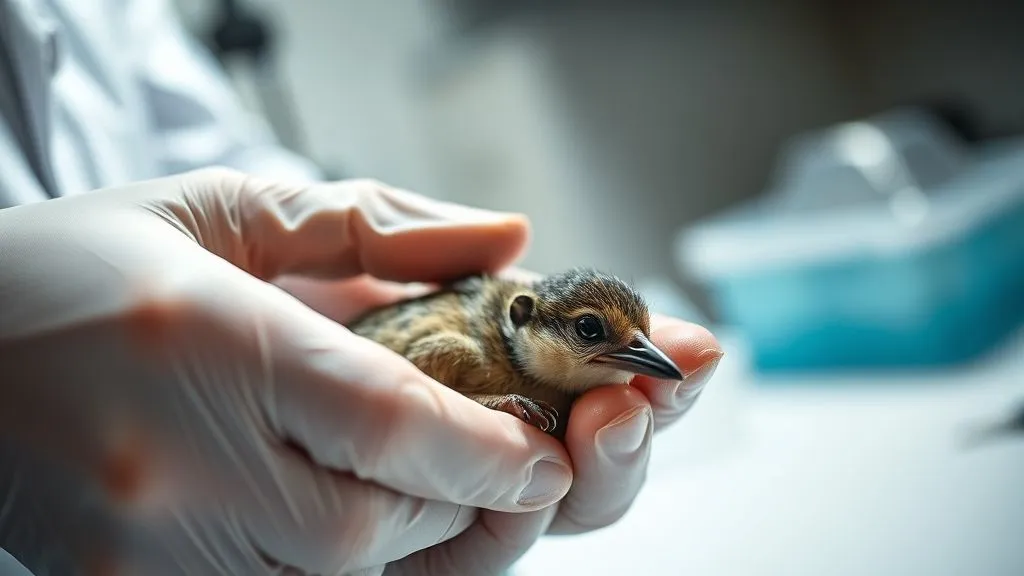
How to Mitigate Risks of Zoonotic Disease Transmission in Wildlife Rescue?
For over two decades in the volunteer travel sector, with a significant portion dedicated to wildlife rescue and rehabilitation, I've witnessed firsthand the profound dedication of volunteers and the incredible impact they make. However, I've also seen the critical importance of understanding and managing the inherent risks, particularly the silent threat of zoonotic diseases. It's a responsibility we cannot afford to overlook.
Working closely with wild animals, often in compromised health, exposes both humans and other animals to pathogens that can jump species – what we call zoonoses. This isn't just about a minor ailment; it can range from debilitating illnesses to life-threatening conditions, affecting volunteers, staff, and even local communities. The challenge is magnified in field operations or less-resourced centers, where robust biosecurity measures might seem daunting.
This comprehensive guide is designed to equip you with the knowledge, frameworks, and actionable strategies needed to build a resilient defense against zoonotic disease transmission in wildlife rescue. We'll delve into expert protocols, real-world insights, and practical steps to safeguard everyone involved, ensuring your invaluable work can continue safely and effectively.
Understanding the Zoonotic Threat: Why It's More Than Just a Scratch
Before we can effectively mitigate risks, we must first understand the enemy. Zoonotic diseases are infections that are naturally transmissible from vertebrate animals to humans. In wildlife rescue, our interaction with distressed or injured animals, whose immune systems might be compromised, significantly increases the potential for pathogen exchange.
The Invisible Dangers: Common Zoonoses in Wildlife Rescue
The array of potential zoonoses is vast, varying by geography and species. However, some are commonly encountered or pose significant risks in wildlife rescue settings:
- Rabies: Transmitted through bites or scratches from infected mammals (bats, raccoons, foxes, skunks).
- Leptospirosis: Contracted through contact with water or soil contaminated with the urine of infected animals (rodents, deer, raccoons).
- Salmonellosis: Often associated with reptiles and amphibians, transmitted via fecal-oral route.
- Psittacosis (Chlamydiosis): A bacterial infection primarily from birds, transmitted through inhaling dried droppings or respiratory secretions.
- Toxoplasmosis: Caused by a parasite, often found in cat feces, but can be carried by various mammals.
- Hantavirus: Transmitted through contact with rodent droppings, urine, or saliva, often by inhaling aerosolized particles.
According to the World Health Organization (WHO), zoonotic diseases account for a large percentage of all newly identified infectious diseases in humans. This highlights the critical need for vigilance and robust preventative measures in any setting that involves human-animal interaction, especially with wild populations.
The Foundation of Safety: Robust Biosecurity Protocols
Biosecurity isn't just a buzzword; it's the cornerstone of preventing disease transmission. It encompasses all measures taken to prevent the introduction and spread of infectious agents. In wildlife rescue, this means protecting both the animals under care and the human caregivers.
Implementing a Multi-Layered Approach
Effective biosecurity requires a comprehensive, multi-layered strategy that addresses every point of potential contact and contamination. Here are the key principles I advocate for:
- Risk Assessment: Regularly evaluate your specific environment, the species you handle, and the potential pathogens.
- Containment: Prevent the spread of disease within your facility and to the external environment.
- Hygiene: Strict protocols for cleaning, disinfection, and personal hygiene.
- Education: Ensuring all personnel understand and adhere to protocols.
Here are actionable steps to establish and maintain robust biosecurity:
- Designate Clear Zones: Establish 'clean,' 'intermediate,' and 'dirty' zones within your facility. Restrict movement between these zones and enforce specific PPE requirements for each. For instance, 'dirty' zones might be intake areas, while 'clean' zones are surgical suites or nursery enclosures.
- Controlled Access: Limit access to animal areas to essential personnel only. Implement sign-in/sign-out procedures and ensure visitors are fully aware of and comply with biosecurity rules.
- Waste Management: Develop strict protocols for the collection, storage, and disposal of animal waste, contaminated bedding, and medical sharps. Use clearly labeled, leak-proof containers and ensure regular, safe disposal.
- Disinfection and Cleaning: Implement a schedule for thorough cleaning and disinfection of all enclosures, equipment, and surfaces. Use veterinary-grade disinfectants effective against a broad spectrum of pathogens, ensuring proper contact times.
- Quarantine Procedures: Any new animal admitted to the facility, or any animal showing signs of illness, must be immediately isolated in a designated quarantine area, away from the general animal population, until its health status is clear.
Establishing these protocols is not a one-time task. It requires continuous oversight and adaptation. I've seen centers transform their safety records by simply committing to these foundational steps.

Personal Protective Equipment (PPE): Your First Line of Defense
PPE serves as a critical physical barrier between you and potential pathogens. It's not optional; it's non-negotiable for anyone handling wildlife.
Choosing and Using the Right PPE
The type of PPE required will depend on the species being handled, the nature of the interaction, and the assessed risk. However, a standard kit should always be available:
- Gloves: Nitrile or latex gloves are essential for any direct animal contact. For handling potentially aggressive animals, consider thicker, bite-resistant gloves worn over disposable ones.
- Masks: N95 respirators or surgical masks are crucial when there's a risk of aerosolized pathogens (e.g., avian species, rodents, or animals with respiratory symptoms).
- Eye Protection: Safety glasses or face shields protect mucous membranes from splashes or airborne particles.
- Gowns/Aprons: Disposable or washable gowns/aprons protect clothing from contamination.
- Footwear: Dedicated, easily disinfected boots or shoe covers should be worn in animal areas, especially 'dirty' zones.
Selecting the right PPE is only half the battle; proper use is paramount. Here are the actionable steps for effective PPE management:
- Proper Donning and Doffing: Train all personnel on the correct sequence for putting on (donning) and taking off (doffing) PPE to prevent self-contamination. This is often the most critical step.
- Regular Inspection: Before use, inspect PPE for tears, punctures, or damage. Compromised PPE offers no protection.
- Disposal/Cleaning: Dispose of single-use PPE immediately after use in designated biohazard bins. Reusable PPE must be thoroughly cleaned and disinfected according to manufacturer guidelines.
- Hand Hygiene: Always perform thorough hand washing with soap and water (or use an alcohol-based hand sanitizer if soap and water aren't immediately available) immediately after removing PPE, even if gloves were worn.
For detailed guidelines on PPE selection and use, refer to reputable health organizations. The Centers for Disease Control and Prevention (CDC) offers comprehensive resources on infection control that are highly applicable to wildlife rescue settings.
Training and Education: Empowering Every Volunteer
Even the best protocols are ineffective without proper implementation. This is where comprehensive training and continuous education become indispensable. Every volunteer, regardless of their experience level, must be thoroughly trained.
Beyond the Basics: Comprehensive Volunteer Training
Your training program should go beyond a simple orientation. It needs to be an ongoing process, reinforcing critical information and adapting to new challenges. Key areas to cover include:
- Zoonosis Awareness: Detailed information on common zoonotic diseases, their modes of transmission, symptoms in humans, and preventative measures.
- PPE Proficiency: Hands-on training for correct donning, doffing, and disposal of all relevant PPE.
- Safe Animal Handling: Techniques to minimize stress for the animal and reduce the risk of bites, scratches, or direct contact with bodily fluids.
- First Aid and Incident Response: What to do immediately after an exposure (e.g., bite, scratch, splash) and how to report incidents.
- Biosecurity Protocols: Reinforcement of all facility-specific cleaning, disinfection, and zone management procedures.
Case Study: How WildHaven Sanctuary Reduced Zoonotic Incidents
WildHaven Sanctuary, a mid-sized wildlife rescue in a region prone to rabies, faced a concerning number of minor exposure incidents annually, leading to volunteer anxiety and costly post-exposure prophylaxis. Their existing training was largely theoretical. By implementing a mandatory, hands-on, scenario-based training program, focusing heavily on PPE use and safe handling techniques, they saw a dramatic reduction. Within six months, reported exposure incidents dropped by 70%. This was coupled with a 'buddy system' for new volunteers and regular refresher courses. This success demonstrates that practical, repetitive training is far more effective than passive learning. As conservation expert Jane Goodall often reminds us, 'What you do makes a difference, and you have to decide what kind of difference you want to make.' In this context, that difference is measured in lives saved and volunteers kept safe.
Safe Animal Handling and Veterinary Best Practices
The way we interact with and care for wildlife directly impacts the risk of disease transmission. Gentle, informed handling techniques are crucial, as are stringent veterinary protocols.
Minimizing Contact, Maximizing Care
Our goal is always to provide the best possible care while minimizing direct contact and stress, which can lead to defensive behaviors that increase risk:
- Minimizing Direct Contact: Use tools like nets, catch poles, and transport carriers to handle animals whenever possible, rather than bare hands.
- Appropriate Restraint: Learn and apply species-specific, humane restraint techniques that protect both the animal and the handler. Avoid excessive force, which can injure the animal and provoke aggressive responses.
- Isolation and Cohorting: Keep animals of different species separated, and ideally, individual animals isolated, especially during initial assessment. Cohort animals only when their health status is clear and compatible.
- Stress Reduction: A stressed animal is more likely to bite, scratch, or shed pathogens. Provide quiet, dark spaces for recovery, minimize handling, and use enrichment to reduce anxiety.
- Veterinary Oversight: All medical procedures, including examinations, treatments, and vaccinations, should be performed under the strict guidance of a veterinarian. Ensure proper sterilization of instruments and disposal of medical waste.
Implementing these practices requires a systematic approach and clear guidelines for all personnel. Here's a brief overview of essential tools:
| Tool | Primary Use | Risk Mitigation |
|---|---|---|
| Heavy-Duty Gloves | Bite/scratch protection for mammals | Direct contact barrier, injury prevention |
| Catch Pole/Net | Remote capture/restraint | Minimizes direct handling, reduces bite risk |
| Transport Carriers | Safe animal transport | Containment, prevents escape/exposure during transit |
| Face Shield/Goggles | Eye/face protection | Prevents splash exposure of fluids |
| Forceps/Tongs | Handling small samples/feed | Reduces hand contact, cross-contamination |
For more in-depth information on species-specific handling and veterinary care, consider consulting resources from the National Wildlife Rehabilitators Association (NWRA), a leading authority in the field.
Health Monitoring and Emergency Response Planning
Even with the most rigorous preventative measures, incidents can occur. A proactive approach to health monitoring and a clear emergency response plan are vital for rapid, effective action.
Proactive Surveillance and Rapid Action
My experience has taught me that early detection and swift response are often the difference between a minor incident and a significant outbreak. Key components include:
- Pre-Volunteer Screening: For long-term volunteers, consider health questionnaires or even basic medical screenings to identify pre-existing conditions that might increase susceptibility or pose a risk to animals.
- Daily Symptom Checks: Encourage volunteers and staff to self-monitor for symptoms of illness (e.g., fever, rash, respiratory issues) and to report any concerns immediately. Establish a clear policy for when individuals should not come to the facility.
- Incident Reporting System: Implement a mandatory, easy-to-use system for reporting all bites, scratches, accidental exposures, or suspected animal illnesses. This data is invaluable for tracking trends and improving protocols.
- Animal Health Surveillance: Keep meticulous records of animal health, including intake symptoms, treatments, and outcomes. Monitor for unusual patterns of illness or mortality within the animal population.
Once an exposure or suspected zoonotic event occurs, a well-defined emergency response plan is crucial:
- Immediate First Aid: For bites or scratches, immediately wash the wound thoroughly with soap and water for several minutes. For eye or mucous membrane exposure, flush with copious amounts of water.
- Report Incident: Immediately report the incident to the designated safety officer or supervisor, providing all relevant details (animal species, type of exposure, time, location).
- Medical Consultation: Seek prompt medical attention. Inform healthcare providers about the nature of the animal exposure and the species involved, as specific post-exposure prophylaxis (e.g., rabies vaccine, antibiotics) may be necessary.
- Animal Assessment: The animal involved should be isolated and assessed by a veterinarian for signs of illness. Depending on the risk, testing or observation periods may be required.
- Communication: Establish clear communication channels to inform relevant personnel without causing undue panic, ensuring privacy, and providing accurate information.
Ethical Considerations and Community Engagement
Mitigating zoonotic risks extends beyond the walls of a rescue center. It encompasses our ethical responsibility to the animals, our volunteers, and the broader community.
Protecting People, Animals, and the Planet
Wildlife rescue is inherently a compassionate endeavor, but compassion must be tempered with sound scientific and ethical practices. This means:
- Balancing Welfare and Risk: While the primary goal is animal welfare, we must always consider the potential public health implications. Sometimes, difficult decisions about an animal's future must be made based on zoonotic risk.
- Conservation Impact: Understand that introducing non-native pathogens to local wildlife populations through inadequate biosecurity can have devastating ecological consequences.
- Community Education: Engage with local communities about safe interactions with wildlife, the importance of not feeding wild animals, and what to do if they find an injured animal. This reduces the initial points of contact and potential transmission.
"The greatest threat to our planet is the belief that someone else will save it. In wildlife rescue, this translates to a collective responsibility for safety – not just for the animals, but for every human involved and the wider ecosystem."
By fostering a holistic approach that integrates public health, animal welfare, and ecological integrity, we strengthen our ability to prevent zoonotic spillover. This collaborative effort is echoed by organizations like the Wildlife Conservation Society (WCS), which champions a 'One Health' approach.
Building a Culture of Safety and Vigilance
Ultimately, the most effective strategy to mitigate risks of zoonotic disease transmission in wildlife rescue isn't just a set of protocols; it's a deeply ingrained culture of safety. It's about every individual understanding their role and taking ownership of their actions.
From Protocols to Mindset: Embedding Safety
Cultivating such a culture requires consistent effort and leadership commitment:
- Lead by Example: Management and experienced staff must consistently adhere to all safety protocols, demonstrating their importance.
- Open Communication: Create an environment where volunteers feel comfortable reporting concerns, near-misses, or suggesting improvements without fear of reprimand.
- Continuous Improvement: Regularly review and update protocols based on new scientific information, incident reports, and feedback from staff and volunteers.
- Recognition and Reinforcement: Acknowledge and appreciate individuals or teams who consistently demonstrate exemplary safety practices.
- Resource Allocation: Ensure adequate resources (PPE, disinfectants, training materials, veterinary support) are always available.
When safety is woven into the fabric of daily operations, it becomes second nature. It empowers volunteers to be vigilant and proactive, transforming potential hazards into manageable risks.
Frequently Asked Questions (FAQ)
Q: What are the most overlooked zoonotic risks in general wildlife rescue settings? A: Often, the most overlooked risks are indirect transmission routes, such as contaminated surfaces, airborne particles from dried feces, or even vector-borne diseases (e.g., ticks, mosquitoes) acquired during field rescues. Additionally, the emotional stress on volunteers can lead to lapses in vigilance, making seemingly minor contact more risky. Regular risk assessments, even for seemingly 'harmless' interactions, are crucial.
Q: How can small volunteer groups with limited resources implement effective biosecurity? A: For smaller groups, focus on the fundamentals: strict hand hygiene, basic but appropriate PPE (gloves, masks), designated cleaning areas, and rigorous disinfection of reusable equipment. Prioritize clear communication and training, and explore partnerships with local veterinarians or larger centers for advice and resource sharing. Simple, consistent adherence to core principles is more effective than complex, poorly implemented protocols.
Q: Is vaccination always recommended for wildlife rescue volunteers, and for which diseases? A: While not always mandatory, I strongly recommend that volunteers consult with their healthcare provider about vaccinations, particularly for diseases prevalent in their region or specific to the animals they handle. Common recommendations include rabies pre-exposure prophylaxis, tetanus, and potentially Hepatitis A/B. This decision should be made in consultation with medical professionals and based on individual risk assessment.
Q: What's the role of local community education in preventing zoonotic spillover from rescued wildlife? A: Community education is paramount. By teaching locals about responsible wildlife interactions – like not feeding wild animals, securing trash, and knowing when and how to safely report injured wildlife – you reduce initial human-animal contact points. This lessens the chances of both animals getting injured and diseases transmitting, making the entire ecosystem safer. It's a proactive, preventative measure that complements rescue efforts.
Q: How often should biosecurity protocols be reviewed and updated in a wildlife rescue center? A: Biosecurity protocols should be reviewed at least annually, or more frequently if there are significant changes in operations, new scientific findings regarding zoonoses, or after any exposure incidents. Regular reviews ensure protocols remain relevant, effective, and incorporate lessons learned, adapting to evolving risks and best practices.
Key Takeaways and Final Thoughts
Mitigating the risks of zoonotic disease transmission in wildlife rescue is not merely a procedural requirement; it's a profound commitment to the safety and well-being of every individual, every animal, and every community involved. It demands vigilance, continuous learning, and an unwavering dedication to best practices.
- Understand the Threat: Acknowledge the diverse range of zoonoses and their transmission routes.
- Build Strong Foundations: Implement comprehensive biosecurity protocols as your first line of defense.
- Prioritize PPE: Ensure correct selection, use, and disposal of personal protective equipment.
- Empower Through Education: Provide thorough, practical training and foster a culture of continuous learning.
- Plan for the Unexpected: Develop robust health monitoring and emergency response plans.
- Embrace a Holistic Approach: Integrate ethical considerations and community engagement into your safety strategy.
Your work in wildlife rescue is invaluable, a testament to compassion and dedication. By adopting these expert strategies and fostering a proactive safety culture, you not only protect yourselves and the precious lives you save but also uphold the highest standards of responsible volunteer travel and wildlife conservation. Stay safe, stay vigilant, and continue making that vital difference.
Recommended Reading
- Mastering Corporate Culinary Journeys: 7 Pitfall Avoidance Strategies
- Michelin Star Dining: How to Handle Dietary Restrictions (Successfully)
- Modern Marvels: Your Guide to the Best Architecture City Breaks Europe
- Unlock the Secret: How to Organize a Compact Glamping Outdoor Kitchen
- 5 Proven Steps: Unplug From Work on Family Road Trips, Avoid Burnout





Your email address will not be published. Required fields are marked *