

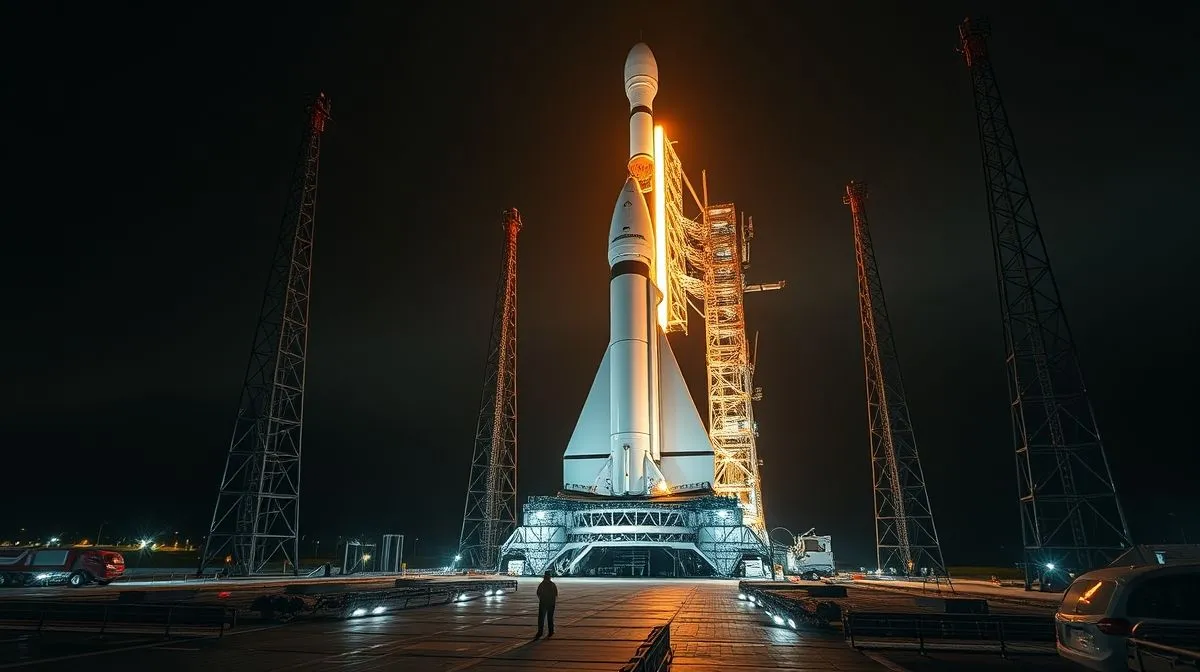
Commercial Spaceflight Safety Regulations Explained
Have you ever gazed at the stars and dreamt of traveling to space? The burgeoning field of commercial spaceflight is making this dream a reality for more people than ever before. But with this exciting new frontier comes a critical question: how safe is it?
The rapid expansion of commercial space tourism presents unique challenges. Ensuring the safety of passengers and crew requires a robust regulatory framework. The lack of clear and universally enforced standards could lead to accidents and potentially hinder the growth of this promising industry.
This comprehensive guide will delve into the complexities of commercial spaceflight safety regulations. By the end, you'll have a solid understanding of the existing rules, the ongoing debates, and the future direction of space safety protocols. You'll gain insight into the technological advancements, legal frameworks, and international collaborations shaping the safety of commercial space travel.
Understanding the Current Regulatory Landscape
International Cooperation and National Agencies
Regulating commercial spaceflight isn't a simple task. It's a global endeavor requiring international cooperation. While there's no single, worldwide governing body, individual nations have their own space agencies that set safety standards within their jurisdictions. For instance, the Federal Aviation Administration (FAA) in the United States plays a significant role in regulating commercial space launches within its territory. Other countries have their equivalent agencies.
Key Aspects of Safety Regulations
Several key areas are covered by these regulations. These include:
- Vehicle design and manufacturing: Rigorous standards exist for the materials, construction, and testing of spacecraft to ensure structural integrity and reliability.
- Operational procedures: Strict protocols are in place for launch, flight, and landing operations, covering everything from pre-flight checks to emergency procedures.
- Crew training and certification: Astronauts and flight crew undergo extensive training to handle various scenarios, including emergencies.
- Passenger safety: Regulations address passenger health, safety measures during the flight, and emergency protocols.
- Environmental protection: Regulations also aim to minimize the environmental impact of space launches.
The Role of Technology in Enhancing Spaceflight Safety
Advanced Materials and Designs
Modern spacecraft utilize advanced materials and innovative designs to enhance safety. Lightweight yet incredibly strong composites are used in construction, and sophisticated redundancy systems are incorporated to mitigate the risk of single-point failures.
Real-time Monitoring and Data Analysis
Real-time monitoring systems track various parameters during flight, providing crucial data for flight controllers. Sophisticated algorithms analyze this data to identify potential problems and allow for proactive interventions.
Autonomous Systems and Artificial Intelligence
The incorporation of autonomous systems and AI is revolutionizing spaceflight safety. AI can assist in decision-making during emergencies and enhance the overall efficiency of flight operations, reducing the risk of human error.
Challenges and Future Directions in Spaceflight Safety
Balancing Innovation and Regulation
The rapid pace of innovation in the space industry sometimes presents challenges for regulators. Keeping up with new technologies and ensuring that regulations remain effective and relevant is crucial.
International Harmonization of Standards
There's a growing need for greater international harmonization of safety standards to ensure consistent safety levels worldwide. This requires collaborative efforts between different space agencies.
Addressing Emerging Risks
New risks are emerging as commercial spaceflight expands. Addressing these risks, such as the potential for space debris collisions, requires ongoing research and development.
The Importance of Independent Oversight and Accountability
Transparency and Public Access to Information
Transparency is paramount in ensuring public trust and accountability within the commercial spaceflight industry. Making safety data and investigation reports publicly available promotes scrutiny and helps identify areas for improvement.
Independent Safety Audits and Reviews
Independent safety audits and reviews play a vital role in assessing the effectiveness of safety regulations and identifying potential weaknesses. These reviews should be conducted by independent experts who are not affiliated with the companies being audited.
Case Studies and Lessons Learned
Analyzing past accidents and incidents in the space industry provides valuable lessons. These case studies illuminate areas where safety regulations have been successful and highlight areas for improvement. Detailed investigations help refine existing regulations and prevent future occurrences.
For example, the investigation into the Space Shuttle Challenger disaster led to significant changes in safety protocols and risk assessment procedures. Similarly, the analysis of other incidents has driven ongoing improvements in launch vehicle design, operational procedures, and crew training.
Frequently Asked Questions (FAQ)
What are the main international organizations involved in space safety? While there isn't one overarching body, organizations like the United Nations Committee on the Peaceful Uses of Outer Space (COPUOS) play a crucial role in fostering international cooperation and setting guidelines. Individual national space agencies also have significant influence.
How are spaceflight safety regulations enforced? Enforcement mechanisms vary by country. Agencies like the FAA conduct inspections, audits, and investigations. Non-compliance can lead to sanctions, including fines and suspension of launch licenses.
What role does insurance play in commercial spaceflight safety? Insurance plays a crucial role in mitigating financial risks associated with spaceflight. Companies need to secure significant insurance coverage to protect against potential losses due to accidents or launch failures. This incentivizes adherence to safety regulations.
What is the future of space tourism safety? The future of space tourism safety depends on continued investment in research and development, improved regulations, and international cooperation. Technological advancements, such as improved propulsion systems and advanced safety features, will play a crucial role.
Are there any specific regulations for space debris mitigation? Yes, there is a growing focus on space debris mitigation. Regulations and guidelines are being developed to minimize the creation of new debris and to address the existing debris population. This is crucial for the long-term sustainability of space activities.
Recommended Reading
- Wide Feet? The Best Rock Climbing Shoes for Beginners Revealed!
- Wheelchair Friendly Museums Near Me? Your Ultimate Accessibility Guide
- Maldives Celebrity Hotspots: Where Do Stars Escape?
- Wild Camping Checklist for Beginners UK: Your Essential Guide
- Unlock the Magic: Discover Kid-Friendly Destinations That Offer Educational Fun
Conclusion
Commercial spaceflight safety regulations are a complex and evolving field. While the industry faces significant challenges, the commitment to safety is paramount. Through international cooperation, technological advancements, and rigorous oversight, the industry is working to ensure that space travel becomes increasingly safe and accessible. The journey to the stars is filled with wonder, but safety must remain a top priority. This understanding of the regulations and ongoing efforts is critical for the future of space tourism.



Your email address will not be published. Required fields are marked *