

How to Navigate Accessible Transport Failure at Airport?
For over 15 years, navigating the intricate world of accessible travel, I've witnessed firsthand the profound impact when essential services, particularly accessible transport at airports, falter. It's not just an inconvenience; it's a disruption that can unravel meticulously planned journeys, erode confidence, and leave travelers feeling stranded and frustrated.
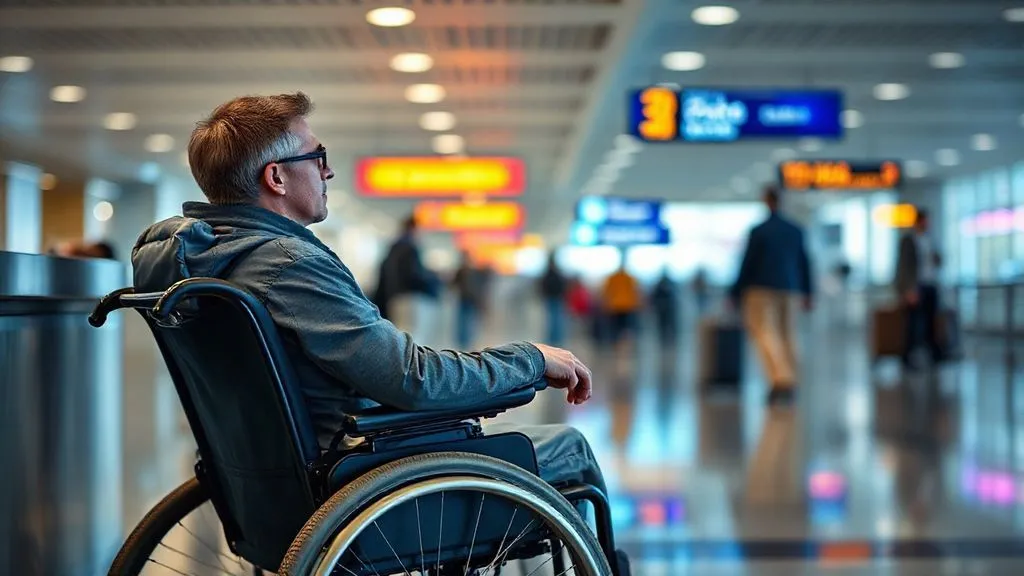
The scenario is all too common: you've pre-booked assistance, confirmed your needs, and arrived at the airport with the expectation of a smooth transition, only to find your accessible transport isn't there, is unsuitable, or has been mismanaged. This moment of realization can be disheartening, raising immediate questions about how to proceed and who to turn to.
This article isn't just about identifying the problem; it's about empowering you with a robust, actionable framework to regain control. I'll share expert insights, practical strategies, and real-world advice on how to effectively address accessible transport failures, ensuring your travel experience remains as seamless and dignified as possible, even when unexpected challenges arise.
1. Proactive Planning: Your First Line of Defense
In my experience, the best defense against accessible transport failure at the airport is a strong offense rooted in meticulous planning. Many issues can be mitigated, or at least anticipated, by taking specific steps long before you even leave for your journey.
Verifying Your Assistance Requests
Never assume your initial request for special assistance has been perfectly communicated down the line. I've seen countless instances where a detail was missed, leading to critical gaps in service. Always reconfirm your needs.
- Initial Booking Confirmation: Ensure your accessible transport requirements (e.g., wheelchair assistance, specific vehicle type for transfers) are explicitly noted on your booking confirmation.
- Pre-Travel Reconfirmation (72-48 hours out): Call the airline and any third-party transport providers directly. Speak to a representative, confirm your flight details, and reiterate your specific needs. Ask for their internal reference number for your assistance request.
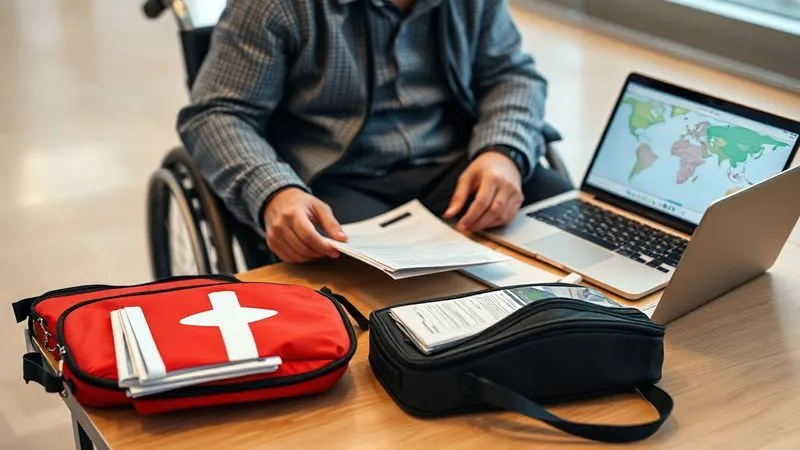
- Print and Digital Copies: Carry physical printouts of all confirmations, alongside digital copies on your phone. This includes airline tickets, special assistance confirmations, and contact numbers for all relevant parties.
- Specific Equipment Needs: If you're traveling with your own mobility aid (e.g., power wheelchair, scooter), confirm its dimensions, weight, and battery type have been correctly registered and that the airline has acknowledged its transport.
Understanding Airport Layouts and Services
Knowledge is power, especially in a complex environment like an airport. Familiarizing yourself with the airport's accessible infrastructure can save precious time and reduce stress if an issue arises.
- Airport Website Review: Before your trip, visit the airport's official website. Look for sections on 'Accessibility,' 'Special Assistance,' or 'Passengers with Reduced Mobility.' These often detail available services, accessible routes, and contact information for airport assistance desks.
- Terminal Maps: Download or print accessible terminal maps. Identify key locations such as special assistance meeting points, accessible restrooms, and potential alternative transport pick-up zones.
- Contact Information: Keep a list of direct phone numbers for airport special assistance, the airline's local ground handling agent, and accessible taxi services operating at that specific airport.
Packing an Emergency Kit for Delays
Even with perfect planning, delays can happen. An emergency kit tailored for accessible travelers can be a lifesaver.
- Medication and Supplies: Pack essential medications, medical supplies, and any personal care items that are critical for your well-being, in your carry-on luggage. Always have more than you think you'll need for potential extended delays.
- Snacks and Hydration: Accessible options might be limited, so non-perishable snacks and a reusable water bottle are crucial.
- Communication Tools: Ensure your phone is fully charged, and carry a portable power bank. Have a list of emergency contacts, including family, friends, and your medical providers.
- Comfort Items: A small pillow, blanket, or noise-canceling headphones can significantly improve comfort during unexpected waits.
2. Immediate Response: When Things Go Wrong on Arrival
Despite all your proactive measures, sometimes you still arrive to find your pre-arranged accessible transport missing or inadequate. This is where your immediate, calm response becomes crucial. Panic is understandable, but action is essential.
Identifying the Right Point of Contact
The first step is to quickly identify who can help you. Don't waste time speaking to general staff who may not have the authority or specific knowledge to resolve your issue.
- Airline Ground Staff: Your airline is your primary point of contact for issues related to pre-booked assistance through them. Look for uniformed airline representatives at the gate, baggage claim, or nearest check-in counter.
- Special Assistance Desk: Many larger airports have dedicated 'Special Assistance' or 'PRM (Persons with Reduced Mobility)' desks. Head there if you can, or ask a general airport staff member to direct you.
- Airport Information Desk: If airline staff are unavailable, the general airport information desk can often connect you with the appropriate department or provide contact numbers.
- Your Travel Agent/Tour Operator: If you booked through a third party, contact them immediately. They may have specific protocols or leverage with the airline/airport to assist you.
When you approach them, state your problem clearly and concisely. For example, 'My pre-booked wheelchair assistance for flight [Flight Number] has not arrived, and I require immediate assistance to [destination - e.g., baggage claim, connecting flight, exit].'
Expert Insight: Always remain polite but firm. Escalating your tone rarely speeds up resolution; clear, concise communication, backed by your documentation, is far more effective. Remember, the person you're speaking to is often trying to help within their capabilities.
Documenting the Incident: Your Evidence is Key
While your priority is getting the immediate assistance you need, simultaneously documenting the situation is vital for any potential follow-up, complaints, or compensation claims.
- Take Photos/Videos: Use your smartphone to capture images or short videos. This could include empty pick-up zones where your transport should have been, the type of inaccessible vehicle offered, or long queues at assistance desks.
- Note Down Details: Record the exact time and location of the incident. Note the names (or request their ID numbers) of any staff you speak with, their roles, and what they promised or advised.
- Log Communication: Keep a log of all calls made, including the time, who you spoke to, and the outcome. If communicating via messaging apps or email, save those exchanges.
- Witness Information: If possible, discreetly ask any fellow passengers or travel companions to act as witnesses. Their contact information could be valuable.
3. Advocacy and Rights: Knowing What You're Entitled To
Understanding your rights as an accessible traveler is not just empowering; it's a critical tool in resolving accessible transport failure at the airport. Many travelers are unaware of the specific protections and services they are legally entitled to, which can lead to unnecessary stress and substandard treatment.
Understanding ADA and International Regulations
Depending on where you are traveling from and to, different regulations apply. Familiarize yourself with the key ones:
- USA – Air Carrier Access Act (ACAA): In the United States, the Department of Transportation (DOT) enforces the ACAA, which prohibits discrimination by airlines on the basis of disability. This covers everything from booking to boarding, in-flight services, and deplaning. It mandates assistance with boarding, deplaning, and connecting flights, and ensures that mobility aids are transported safely.
- EU – Regulation (EC) No 1107/2006: Within the European Union, this regulation ensures that persons with disabilities and persons with reduced mobility receive assistance when travelling by air. Airports and airlines are required to provide assistance free of charge from the designated meeting point at the airport to the aircraft, and from the aircraft to a designated point at the destination airport.
- Other International Standards: Many other countries have their own specific regulations or adhere to international conventions that protect the rights of travelers with disabilities. It's always wise to do a quick search for the specific country you are traveling to or from.
These regulations often stipulate that airlines and airports must provide assistance promptly and with dignity. They also outline procedures for handling mobility aids and specify what to do if an aid is damaged or lost.
Escalation Pathways and Passenger Rights
When initial attempts to resolve the issue fail, knowing the appropriate escalation pathway is crucial. Don't be afraid to ask to speak to a supervisor or the 'Complaint Resolution Official' (CRO).
- Complaint Resolution Official (CRO): Under U.S. ACAA, every airline must have a CRO available by phone or in person during all hours of operation. A CRO is a trained expert on disability regulations and has the authority to resolve disputes on the spot. Request to speak with the CRO if front-line staff cannot resolve your issue.
- Supervisor/Manager: If a CRO isn't available or relevant to the jurisdiction, ask for the shift supervisor or airport duty manager. They often have more authority and resources than ground staff.
Remember your right to:
- Timely Assistance: Assistance should be provided without undue delay.
- Respectful Treatment: All staff should interact with you respectfully and professionally.
- Safe Transport: Your mobility aid must be handled with care and transported safely.
- Compensation for Damages: If your mobility aid is damaged or lost, you are entitled to compensation.
| Right | Regulation | Action if Violated |
|---|---|---|
| Timely Assistance | ACAA, EU 1107/2006 | Request CRO/Supervisor, Document Delay |
| Respectful Treatment | ACAA, EU 1107/2006 | Request CRO/Supervisor, Note Staff Name |
| Safe Mobility Aid Transport | ACAA, EU 1107/2006 | Document Damage, File Complaint |
| Access to CRO | ACAA (USA) | Insist on speaking to CRO |
| Alternative Transport if Needed | Airline Policy, some regulations | Negotiate with airline for solutions |
4. Seeking Alternative Solutions: Thinking Outside the Box
While you're advocating for your rights and escalating the issue, it's also prudent to explore immediate alternative solutions. Sometimes, waiting for the 'official' process can take too long, especially if you have a connecting flight or an urgent appointment.
Exploring On-Demand Accessible Services
Many major airports are served by a variety of accessible transport options beyond what the airline might provide directly. These can be lifesavers when pre-booked assistance fails.
- Accessible Taxis/Ride-Shares: Check if the airport has a dedicated accessible taxi stand or if ride-sharing apps (like Uber WAV or Lyft Access) operate in that area. While these can be more expensive, they offer immediate solutions. Have the contact numbers for local accessible taxi companies readily available.
- Airport Shuttles/Buses: In some cases, airports offer their own accessible shuttle services between terminals or to parking lots. These might not be suitable for long-distance travel but can help you navigate within the airport complex.
- Rental Car Agencies: Some on-site rental car agencies might have accessible vehicles available for immediate hire, though this is less common and usually requires prior booking. It's worth a quick inquiry if you're truly stuck.
Leveraging Airport Resources Beyond Special Assistance
Don't limit your search for help to just the special assistance desk. Other airport services can sometimes offer indirect but valuable aid.
- Airport Police/Security: In situations where your safety or well-being is compromised due to lack of transport, airport police or security personnel can often assist in finding solutions or at least provide an escort to a safer waiting area.
- Medical Services: If the delay or lack of transport is causing a medical issue or significant discomfort, seek out the airport's medical services. They can provide immediate care and often have contacts for accessible transport in emergencies.
- Hotel Shuttles: If you're staying at an airport hotel, call them to see if their shuttle is accessible or if they can arrange accessible transport for you, even if you haven't checked in yet.
5. Communicating Effectively: Your Voice Matters
How you communicate during an accessible transport failure can significantly impact the outcome. While frustration is natural, maintaining a calm, clear, and assertive demeanor is crucial for effective problem-solving.
Tips for Clear and Calm Communication
I've seen many situations escalate unnecessarily due to poor communication. Here’s how to ensure your message is heard and acted upon:
- Be Specific: Clearly state your name, flight number, and the exact nature of the problem. Instead of 'My transport isn't here,' say 'My pre-booked wheelchair-accessible transfer to the city, confirmed for 3:30 PM, is missing from Gate 12.'
- State Your Needs: Articulate what you require. 'I need a wheelchair-accessible vehicle that can accommodate my power chair to take me to X location.'
- Reference Documentation: 'I have the confirmation number [X] and a screenshot of my booking showing the accessible transport request.' This reinforces your claim.
- Ask for Solutions: Instead of just complaining, ask, 'What are the immediate solutions you can offer?' or 'Who can you connect me with who *can* provide a solution?'
- Confirm Next Steps: Before ending a conversation, summarize what has been agreed upon and ask for the expected timeline. 'So, you're arranging an accessible taxi, and it should arrive within 30 minutes at Curb 3. Is that correct?'
- Polite Persistence: If you're being met with resistance or vague answers, politely but firmly reiterate your request and your rights. 'I understand you're busy, but under the ACAA, I am entitled to this assistance. Could you please escalate this to a supervisor or CRO?'
When to Involve a Travel Companion or Advocate
If you're traveling with someone, they can be an invaluable asset in these situations. Sometimes having a second person to communicate, document, or even just provide emotional support can make a huge difference.
Case Study: How Sarah Navigated a Missed Connection
Sarah, a power wheelchair user, was flying from London to New York with a tight connection in Dublin. Upon deplaning in Dublin, her pre-booked assistance for the connection was nowhere to be found. The gate agent, overwhelmed, simply told her to wait. Instead of panicking, Sarah, following her pre-prepared plan, immediately contacted her travel companion who was waiting at the connecting gate. Her companion then alerted the airline staff at that gate, explaining Sarah's situation and stressing the tight connection. Meanwhile, Sarah calmly spoke to the gate agent, showing her confirmation and politely but firmly requesting a supervisor. Within minutes, a supervisor, alerted by Sarah's companion, arrived with a specialized chair. This dual-front approach, combining clear communication from Sarah with her companion's proactive advocacy, ensured she made her connecting flight with just minutes to spare.
6. Post-Travel Follow-Up: Holding Airlines Accountable
The immediate crisis might be over, but your journey isn't truly complete until you've addressed the root cause of the accessible transport failure. Following up formally is essential not only for potential compensation but also for driving systemic change within the travel industry.
Filing Formal Complaints
Don't let the frustration fade without taking action. Your complaint provides valuable data that can lead to improved services for future travelers.
- Airline's Customer Relations: Start by filing a formal complaint directly with the airline's customer relations department. Most airlines have an online form for this purpose. Provide all the documentation you collected (photos, times, names, confirmation numbers). Be factual and concise, clearly stating what happened and what resolution you seek (e.g., apology, refund for alternative transport, compensation for distress).
- Regulatory Bodies: If the airline's response is unsatisfactory or if you believe your rights were violated, escalate your complaint to the relevant regulatory body:
- USA: File a complaint with the U.S. Department of Transportation (DOT). The DOT takes these complaints seriously and uses them to monitor airline compliance with the ACAA.
- EU: Contact the National Enforcement Body (NEB) in the country where the incident occurred or where your flight departed/arrived.
- Other Regions: Research the equivalent civil aviation authority or consumer protection agency in your specific location.
- Accessible Travel Advocacy Groups: Consider also sharing your experience with accessible travel advocacy groups. They can offer advice, amplify your voice, and use your experience to lobby for broader policy changes.
Seeking Compensation or Remediation
Depending on the severity of the failure and the applicable regulations, you may be entitled to compensation.
- Direct Costs: Keep receipts for any unexpected expenses incurred due to the failure, such as alternative accessible taxi fares, an unplanned hotel stay, or the purchase of essential items. You should request reimbursement for these.
- Damage to Mobility Aids: If your wheelchair or other mobility aid was damaged, immediately file a property irregularity report (PIR) at the airport before leaving. Document the damage thoroughly. Airlines are liable for damaged or lost mobility aids, often up to a certain financial limit, but sometimes for the full replacement cost under specific regulations.
- Compensation for Distress/Delay: While harder to quantify, some regulations or airline policies might offer compensation for significant delays or distress caused by service failures. Clearly articulate the impact the failure had on your trip and well-being.
| Action | Details | Timeline |
|---|---|---|
| File Airline Complaint | Online form, include all documentation | Within 30 days of incident |
| File DOT/NEB Complaint | If airline response unsatisfactory or rights violated | As soon as possible after airline complaint |
| Seek Reimbursement | Submit receipts for direct costs | With airline complaint |
| Report Mobility Aid Damage | PIR at airport, photos | Immediately upon discovery |
7. The Emotional Toll: Prioritizing Your Well-being
While we focus heavily on practical solutions, it's crucial to acknowledge and address the significant emotional and psychological impact that accessible transport failures can have. These incidents are not just logistical hurdles; they can be deeply stressful, frustrating, and even traumatizing experiences for accessible travelers.
Coping Strategies for Stress and Frustration
When you're in the midst of a transport crisis at the airport, it's easy to feel overwhelmed. Having some coping strategies ready can help you manage your emotions and think more clearly.
- Deep Breathing and Mindfulness: Take a few slow, deep breaths. This simple act can help calm your nervous system. If possible, step away from the immediate source of stress for a moment.
- Positive Self-Talk: Remind yourself that you are capable and that you will get through this. Avoid negative self-blame.
- Focus on What You Can Control: You can't control the airline's mistake, but you can control your response, your communication, and your proactive steps.
- Seek Support from Companions: If you're traveling with someone, lean on them for emotional support. Sometimes just sharing your frustration can alleviate some of the burden.
- Take a Break: If the situation is prolonged, try to find a quiet corner, an accessible lounge, or even a restaurant to regroup for a few minutes. A change of scenery can help clear your head.
Finding Support Networks
You are not alone in experiencing these challenges. Connecting with others who understand can provide valuable emotional validation and practical advice.
- Accessible Travel Communities: Online forums, social media groups, and local organizations dedicated to accessible travel are excellent resources. Sharing your story and hearing from others can be incredibly empowering.
- Therapy/Counseling: For some, recurring negative experiences can lead to significant travel anxiety. If you find yourself dreading travel or experiencing long-lasting emotional distress, consider speaking with a therapist or counselor who specializes in trauma or anxiety.
- Advocacy Groups: As mentioned earlier, advocacy groups can offer not just legal advice but also a strong community of support. They often host events or online platforms where you can connect with fellow travelers who have faced similar issues.
As marketing guru Seth Godin often says, "People don't buy goods and services. They buy relations, stories, and magic." In accessible travel, people buy the promise of dignity, independence, and the freedom to explore. When that promise is broken, it's a profound failure. Prioritizing your mental and emotional health throughout this process is not a luxury; it's a necessity for resilient travel.
Frequently Asked Questions (FAQ)
Q: What if my pre-booked accessible taxi doesn't show up, and the airline says it's not their responsibility? A: While the airline might deflect, if that taxi was part of a package or recommended by them, you still have grounds for complaint. Immediately contact the taxi company directly, then document the airline's refusal to assist. Under ACAA or EU regulations, the airline is generally responsible for ensuring you get to and from the aircraft, and often for connecting transport if it's part of your ticket. If they arranged it, they bear some responsibility. Use your documentation to push back and escalate to a CRO or regulatory body.
Q: Can I get a refund if I miss my flight due to accessible transport failure? A: Potentially, yes. If the accessible transport failure was due to the airline's negligence or their contracted service provider, and it directly caused you to miss your flight, you should be entitled to a refund or rebooking without penalty. This falls under your passenger rights. Document everything, including the time you were delayed, the reason, and the missed flight details, and file a formal complaint seeking compensation.
Q: Who is ultimately responsible for accessible transport at an airport? A: This can be complex, but generally, the airline is responsible for assistance from check-in to aircraft and from aircraft to exit or connecting flight. Airport operators are responsible for the overall accessibility of the airport infrastructure. For external transport (like taxis), it typically rests with the provider you booked, but if the airline or airport contracted them, there can be shared liability. Always start with the airline as your primary point of contact for issues affecting your air travel journey.
Q: How can I prevent these issues from happening again on future trips? A: While you can't guarantee perfection, you can significantly reduce risks. Continue with proactive planning: always reconfirm assistance requests multiple times, carry all documentation, research airport accessibility, and consider using travel agents specializing in accessible travel. Also, learn from each incident – what worked, what didn't – and refine your personal action plan.
Q: Are there specific apps or services to help in these situations? A: While there isn't one universal 'emergency accessible airport transport' app, several tools can help. Accessible ride-share apps (Uber WAV, Lyft Access) are useful for last-minute transport. Google Maps and airport-specific apps often have accessibility features or maps. Travel apps like TripIt can keep all your confirmations organized. Some specialized accessible travel agencies also offer 24/7 support lines for their clients, which can be invaluable.
Key Takeaways and Final Thoughts
- Proactive Planning is Paramount: Your greatest strength lies in meticulous preparation and diligent reconfirmation of all accessible transport needs.
- Document Everything: Photos, names, times, and conversations are your evidence and leverage for resolution and accountability.
- Know Your Rights: Familiarize yourself with regulations like ACAA and EU 1107/2006 to advocate effectively for yourself.
- Communicate Clearly and Assertively: Be polite but firm, specific about your needs, and persistent in seeking solutions.
- Escalate When Necessary: Don't hesitate to ask for a supervisor or a Complaint Resolution Official (CRO).
- Seek Alternatives: Be resourceful and explore all available options, even if they're not your first choice.
- Follow Up Formally: File complaints with airlines and regulatory bodies to drive systemic change and seek appropriate compensation.
- Prioritize Your Well-being: Recognize the emotional toll and employ coping strategies to manage stress.
Navigating accessible transport failure at the airport is undoubtedly challenging, but it is not insurmountable. By equipping yourself with knowledge, a clear action plan, and the confidence to advocate for your rights, you can transform a potentially devastating travel disruption into a manageable hurdle. Remember, your journey matters, and you deserve to travel with dignity and confidence. Keep pushing for better, because every voice contributes to a more accessible world.
Recommended Reading
- Mastering Access: 7 Strategies for Impossible VIP Client Experiences
- Rome on a Budget: Best Free Attractions for First-Time Visitors!
- Unforeseen Adventures: How to Prepare for Unexpected in Remote Travel?
- Unlock the Secret: How to Maintain Healthy Eating on Your Wellness Trip
- 5 Steps: How to Prevent Greenwashing Allegations in Eco-Tourism Marketing?




Your email address will not be published. Required fields are marked *