


How to Prepare for Unexpected in Remote Travel?
Imagine standing at the precipice of an breathtaking vista, hundreds of miles from the nearest town, the silence broken only by the wind. It's the allure of remote travel – the promise of unparalleled freedom and profound discovery. But what happens when that silence is shattered by an unforeseen challenge, a sudden illness, or a lost essential item?
The romantic ideal of remote exploration often overshadows the stark reality that away from established infrastructure, even minor mishaps can escalate into significant crises. Unlike urban environments where help is a phone call away, the 'unexpected' in remote travel demands a heightened level of self-reliance and foresight. This isn't about fear-mongering; it's about empowering you to embrace the wild with confidence, knowing you've considered the contingencies.
This comprehensive guide will equip you with the knowledge and actionable strategies to anticipate, mitigate, and effectively respond to the unforeseen challenges that remote travel invariably presents. From meticulous planning and smart packing to mastering communication and cultivating mental resilience, you'll learn exactly how to prepare for unexpected in remote travel, transforming potential pitfalls into manageable detours on your extraordinary journey.
Understanding the Unique Risks of Remote Travel
Remote travel, by its very nature, introduces a unique set of variables that differentiate it from conventional tourism. The beauty of untouched landscapes often comes hand-in-hand with limited access to modern amenities, emergency services, and reliable communication networks. Understanding these inherent risks is the first step in effective preparation.
Distance from Support Systems
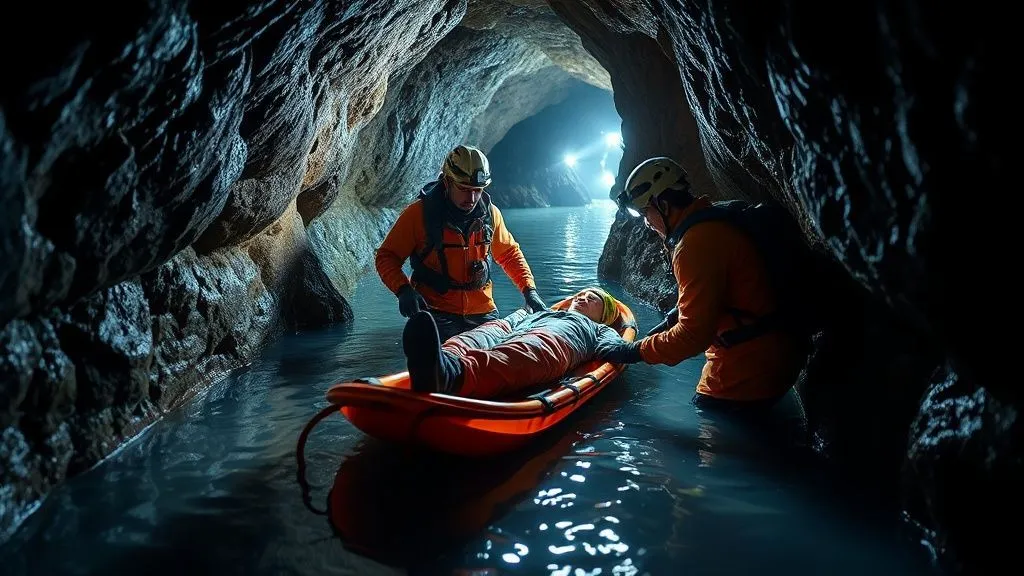
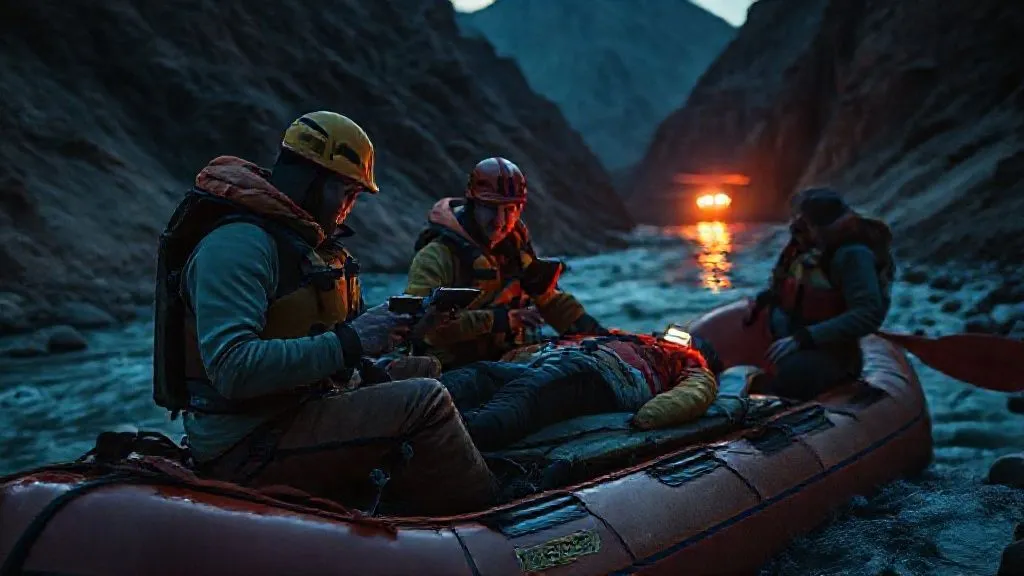
One of the primary challenges is the sheer distance from medical facilities, police, and even basic repair shops. A sprained ankle in a bustling city is an inconvenience; in a remote wilderness, it can become a life-threatening situation requiring complex extraction. Response times for emergencies can be hours, or even days, extending the window during which you must rely on your own skills and resources.
Environmental Vulnerabilities
Remote areas are often characterized by extreme weather conditions, challenging terrain, and unpredictable natural phenomena. Flash floods, sudden blizzards, intense heat waves, or encounters with wildlife are more probable. Your preparedness must extend beyond personal gear to include an understanding of the local environment and its potential hazards.
Limited Infrastructure and Resources
Access to clean water, reliable food sources, electricity, and even accurate information can be scarce. This necessitates a self-sufficient approach, where you carry what you need and know how to improvise. Financial transactions might be difficult, and language barriers can complicate even simple interactions.
The Foundation: Essential Pre-Trip Planning
The bedrock of successful remote travel preparedness lies in meticulous planning. This goes far beyond booking flights and accommodation; it involves a deep dive into every potential scenario.
Comprehensive Research and Itinerary Planning
Before you even pack a single item, immerse yourself in research about your destination. Understand the local culture, political stability, climate patterns, and any specific health risks. Plan your route with realistic timelines, considering potential delays due to weather or terrain. Share your detailed itinerary with a trusted person back home, including expected check-in times.
- Research local laws and customs: Avoid unintentional offenses.
- Understand geopolitical climate: Check for travel advisories from your government (e.g., U.S. Department of State Travel Advisories).
- Identify key waypoints: Know where potential resupply points, medical facilities, or safe havens are located.
Robust Travel Insurance: Non-Negotiable
For remote travel, standard travel insurance often isn't enough. You need a policy that specifically covers emergency medical evacuation, search and rescue, and repatriation. Verify the exact coverage limits and exclusions, especially concerning adventurous activities or specific remote locations. A good policy is your financial safety net when the unexpected strikes.
Health Preparedness and Medical Consultations
Schedule a visit with your doctor well in advance of your trip. Discuss your itinerary and get advice on necessary vaccinations, malaria prophylaxis, and a comprehensive travel health kit. Ensure you have an adequate supply of any prescription medications, plus a copy of your prescriptions and a doctor's note for controlled substances.
- Vaccinations: Check required and recommended immunizations for your destination.
- Dental check-up: Address any potential issues before you leave.
- Emergency contact card: Include medical conditions, allergies, and emergency contacts.
Mastering Your Gear: Smart Packing for Any Scenario
Packing for remote travel is an art form. Every item must serve multiple purposes, be durable, and contribute to your overall self-sufficiency. The goal is to be prepared for diverse conditions without being overloaded.
The Layering Principle and Versatile Clothing
Weather in remote areas can change rapidly. Pack clothing that can be layered to adapt to fluctuating temperatures and conditions. Think moisture-wicking base layers, insulating mid-layers, and waterproof/windproof outer shells. Choose quick-drying fabrics and neutral colors.
- Base layers: Merino wool or synthetic for warmth and moisture management.
- Mid-layers: Fleece or down for insulation.
- Outer shell: Waterproof and breathable jacket and pants.
Essential Tools and Repair Kits
A multi-tool is indispensable. Beyond that, consider a small repair kit with duct tape, zip ties, a needle and thread, and any specialized repair items for your specific gear (e.g., tent pole repair sleeve, bicycle repair kit). A headlamp with extra batteries is crucial, as is a reliable navigation system.
Water Purification and Food Contingencies
Access to safe drinking water is paramount. Pack a water filter or purification tablets, and know how to use them. Carry emergency food rations that are lightweight, high-calorie, and non-perishable, even if you plan to resupply regularly. Dehydrated meals or energy bars are excellent choices.
Navigating Health Emergencies and Medical Preparedness
Even with the best planning, health issues can arise. Being prepared to handle them yourself, or to stabilize a situation until professional help arrives, is critical.
Comprehensive First-Aid Kit
Your first-aid kit for remote travel should be much more extensive than a basic home kit. Include sterile bandages, antiseptic wipes, pain relievers, anti-diarrhea medication, antihistamines, blister treatment, and any personal medications. Consider adding a tourniquet and a splint for more serious injuries.
- Wound care: Gauze, bandages, antiseptic, medical tape.
- Medications: Painkillers, anti-inflammatories, anti-histamines, stomach remedies.
- Specialized items: Epinephrine auto-injector (if needed), rehydration salts, sunscreen, insect repellent.
Basic Wilderness First Aid Knowledge
Taking a wilderness first aid course (WFA) or a wilderness first responder (WFR) course can be life-saving. These courses teach you how to assess and treat injuries and illnesses in remote settings, improvise with limited resources, and make critical decisions until professional medical help is available. Knowing how to manage shock, treat hypothermia, or splint a fracture can make all the difference.
Understanding Local Medical Facilities
Before you go, identify the nearest medical facilities along your route. Understand their capabilities and whether they accept your insurance. In some remote areas, the local clinic might be very basic, requiring evacuation to a larger hospital for serious conditions.
Financial Fortitude: Managing Money in a Crisis
Unexpected events often come with unexpected costs. Having a robust financial strategy is a key part of how to prepare for unexpected in remote travel.
Multiple Payment Methods and Emergency Funds
Never rely on a single form of payment. Carry a combination of credit cards (Visa/Mastercard are widely accepted), a debit card, and some local currency in small denominations. Keep these separate to minimize risk if one is lost or stolen. Have an emergency fund easily accessible, perhaps in a separate bank account or through a family member who can transfer funds.
- Diversify funds: Don't keep all cash/cards in one place.
- Notify banks: Inform your banks of your travel plans to avoid fraud alerts.
- Emergency contact for funds: Designate someone who can send money if needed.
Understanding Currency and Exchange Rates
Familiarize yourself with the local currency and typical exchange rates. Be wary of unofficial money changers. Having small bills is useful for remote areas where larger denominations might be difficult to break.
Communication and Connectivity: Staying in Touch When It Matters Most
The ability to communicate is your lifeline when things go wrong. In remote areas, this requires more than just a smartphone.
Satellite Communication Devices
A satellite phone or a satellite messenger (like an inReach or SPOT device) is a critical piece of gear for true remote travel. These devices allow you to send and receive messages, track your location, and, crucially, send an SOS signal even when cellular service is nonexistent. Understand how to use it before you need it.
- Satellite phone: For voice calls in remote areas.
- Satellite messenger: For two-way text communication and SOS signals.
- Personal Locator Beacon (PLB): For one-way emergency signaling.
Local SIM Cards and Offline Maps
While satellite devices are essential for emergencies, a local SIM card can provide cost-effective communication where cellular service exists. Download offline maps (e.g., Google Maps, OsmAnd, Gaia GPS) before you leave, as internet access will be spotty or non-existent. Always carry a physical map and compass as a backup.
Emergency Contact Information and Communication Plan
Create a physical list of emergency contacts, including family, your country's embassy or consulate, and your travel insurance provider. Discuss a communication plan with your emergency contacts back home, including check-in schedules and what to do if they don't hear from you.
Mental Resilience and Adaptability: The Unseen Backpack
Beyond physical preparation, your mental fortitude and ability to adapt are perhaps the most vital tools in your arsenal when facing the unexpected.
Cultivating a Positive Mindset and Problem-Solving Skills
Remote travel often tests your limits. A positive, flexible mindset is crucial for overcoming challenges. Instead of panicking, approach problems with a calm, analytical perspective. Break down large issues into smaller, manageable steps. Practice mindfulness or meditation to help manage stress and anxiety.
Embracing Uncertainty and Imperfection
Not everything will go according to plan. Roads might be impassable, local services might be unreliable, or weather could force a change of plans. Embrace these deviations as part of the adventure. The ability to pivot and adjust your expectations is key to enjoying remote travel, even when things are difficult.
Understanding and Respecting Local Culture
Misunderstandings can create unexpected challenges. Take time to learn basic phrases, understand local customs, and show respect for the culture of the places you visit. This can open doors to local assistance and prevent unintended conflicts.
Leveraging Technology for Safety and Preparedness
While disconnecting is part of the appeal of remote travel, strategic use of technology can significantly enhance your safety and preparedness.
Offline Navigation Apps and GPS Devices
As mentioned, offline maps are essential. Dedicated GPS devices offer superior accuracy and battery life compared to smartphones in remote areas. Learn to use them proficiently before your trip.
- Gaia GPS: Excellent for backcountry navigation with various map layers.
- OsmAnd: Offline vector maps with routing capabilities.
- Garmin InReach: Combines GPS navigation with satellite communication.
Power Banks and Solar Chargers
Keeping your essential electronics charged is critical. Pack high-capacity power banks and consider a portable solar charger, especially if you'll be off-grid for extended periods. Prioritize charging communication devices and navigation tools.
Emergency Apps and Digital Copies of Documents
Download relevant emergency apps (e.g., first aid guides, language translators, local emergency numbers). Keep digital copies of your passport, visas, insurance policies, and other important documents stored securely in the cloud and on an encrypted USB drive. This is vital if physical documents are lost or stolen.
Frequently Asked Questions (FAQ)
What is the single most important item to pack for remote travel? While many items are crucial, a reliable satellite communication device (like a satellite messenger or phone) is arguably the most important. It provides a lifeline when all other forms of communication fail, enabling you to call for help in true emergencies.
How much emergency cash should I carry for remote travel? It depends on the length and location of your trip, but a good rule of thumb is enough to cover unexpected expenses for at least 3-5 days, including basic accommodation, food, and emergency transport. Keep it in small denominations and separate from your main wallet.
What kind of travel insurance is best for remote adventure travel? Look for policies that specifically include coverage for emergency medical evacuation, search and rescue, and repatriation. Many standard policies exclude 'adventure activities' or remote locations, so read the fine print carefully and consider specialized adventure travel insurance.
Should I learn basic first aid before a remote trip? Absolutely. Taking a wilderness first aid (WFA) or wilderness first responder (WFR) course is highly recommended. These courses teach you how to handle injuries and illnesses with limited resources, which is invaluable when professional medical help is hours or days away.
How can I stay safe from wildlife in remote areas? Research the local wildlife and understand their behavior. Carry appropriate deterrents (e.g., bear spray in bear country). Store food securely, make noise on trails to avoid surprising animals, and know what to do in an encounter. Always maintain a respectful distance.
Recommended Reading
- Unlock Your Wanderlust: The Ultimate Guide to Cheaper Long-Term Travel
- Cozy Cabin Glamping: Your Ultimate Cold Weather Escape Guide
- Uncover the Best Cooking Classes Abroad for Foodies
- The Savvy Traveler's Guide: What to Look For When Booking a Budget Hostel?
- Baggage Fees on Budget Airlines in Europe: How to Fly Cheap!
Conclusion
Remote travel offers unparalleled experiences, but its inherent unpredictability demands a proactive approach to preparedness. By understanding the unique risks, meticulously planning your trip, equipping yourself with the right gear, and cultivating both practical skills and mental resilience, you significantly enhance your safety and enjoyment. The journey of how to prepare for unexpected in remote travel is not about eliminating risk entirely, but about empowering yourself to navigate challenges with confidence and grace. Embrace the adventure, knowing you're ready for whatever the wild throws your way.



Your email address will not be published. Required fields are marked *