

How to Navigate Health Codes for Glamping Outdoor Kitchens?
For over 15 years in the travel and glamping industry, I've witnessed incredible innovation and passion. Yet, I've also seen brilliant glamping concepts falter, not due to lack of vision or guest appeal, but because of a fundamental oversight: underestimating the complexities of health codes, especially when it comes to outdoor kitchens. It's a common pitfall, and one that can lead to costly fines, operational shutdowns, and irreparable damage to a brand's reputation.
The thought of navigating a labyrinth of federal, state, and local health regulations for an outdoor kitchen can be daunting. Many glamping entrepreneurs, myself included, started with the romantic notion of rustic simplicity, only to be confronted by the stark realities of food safety, sanitation, and permitting. The fear of getting it wrong, of missing a critical detail that could jeopardize guest health or business viability, is a legitimate concern that keeps many from fully embracing the culinary potential of their sites.
But what if there was a clear, actionable roadmap? In this definitive guide, I'll share the invaluable insights I've gathered from years in the field, dissecting the challenges and offering a step-by-step framework to confidently navigate health codes for your glamping outdoor kitchens. We’ll move beyond mere compliance, focusing on building a food service operation that is not only legally sound but also exemplary in safety and guest experience, transforming potential hurdles into a cornerstone of your glamping success.
Understanding the Landscape: Why Health Codes Matter for Glamping
Before we dive into the 'how-to,' it's crucial to grasp the 'why.' Many new glamping operators, captivated by the allure of nature, might initially view health codes as an inconvenient bureaucratic hurdle. In my experience, this perspective is a dangerous misconception. Health codes are not merely arbitrary rules; they are the bedrock of public health, designed to prevent foodborne illnesses, which can range from uncomfortable to life-threatening. For a glamping business, a single incident of food poisoning can shatter trust, trigger negative reviews, and lead to significant legal and financial repercussions.
The 'Wild West' Myth vs. Reality
There's often a romanticized idea that because glamping is 'outdoors' or 'temporary,' it exists in some kind of regulatory 'Wild West.' This couldn't be further from the truth. While specific requirements might differ from a brick-and-mortar restaurant, outdoor kitchens, especially those serving the public, are absolutely subject to stringent health and food safety regulations. These codes apply whether you're offering full-service meals, simple breakfast baskets, or a communal cooking space. The reality is that health departments are increasingly aware of the growing glamping trend and are adapting their oversight to ensure guest safety in these unique environments.
Protecting Your Guests and Your Brand
Ultimately, adhering to health codes is about protecting your guests. It demonstrates a fundamental commitment to their well-being, which in turn builds immense trust and loyalty. Beyond the moral imperative, it safeguards your brand's reputation. In today's hyper-connected world, a single negative review about food safety can spread like wildfire, causing irreversible damage. Conversely, a reputation for impeccable cleanliness and food safety can become a powerful marketing asset, attracting discerning guests who prioritize quality and peace of mind. Investing in compliance is an investment in your brand's longevity and success.

Step 1: Know Your Local Authorities and Regulations
The first and arguably most critical step in navigating health codes for your glamping outdoor kitchen is to identify and understand the specific regulatory bodies and their requirements. This isn't a one-size-fits-all situation; regulations vary significantly by location, often involving multiple layers of government.
Federal, State, and Local Layers
While the FDA Food Code provides a foundational model, its adoption and enforcement vary greatly at the state and local levels. You'll typically be dealing with your county or municipal health department, but state-level agricultural departments or environmental agencies might also have jurisdiction, especially concerning water sources or waste disposal in rural areas. I've seen operators mistakenly assume state guidelines are sufficient, only to find their local county has stricter rules. It's paramount to investigate all layers.
Identifying the Right Health Department Contact
Don't just look up general health department numbers. Seek out the specific division responsible for food service establishments or temporary/mobile food operations. Often, these departments have dedicated specialists who can provide invaluable guidance for unique setups like glamping outdoor kitchens. My advice is to establish a relationship early. A proactive approach, asking questions and seeking clarification before construction, can save you immense headaches down the line. Be prepared to explain your glamping concept, the type of food service you plan to offer, and your proposed kitchen design in detail. For a comprehensive overview of general food safety principles, the CDC's Food Safety website is an excellent starting point.
Step 2: Designing for Compliance: The Foundation of a Safe Kitchen
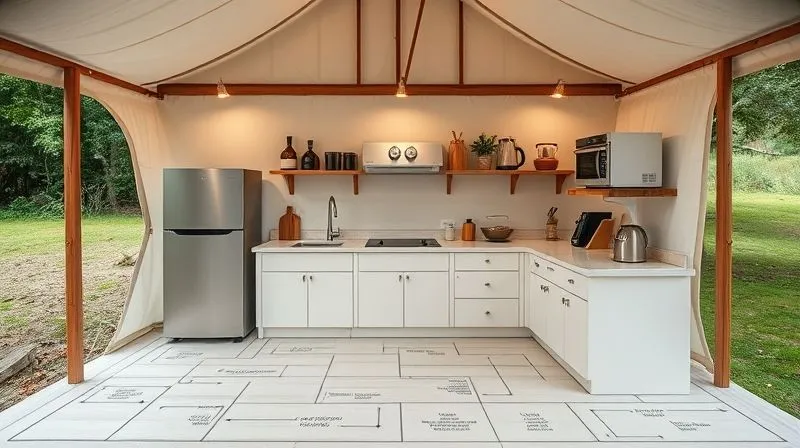
Once you understand the regulatory landscape, the next step is to design your outdoor kitchen with compliance in mind from the ground up. This proactive approach is far more cost-effective and efficient than retrofitting a non-compliant setup. Think of it as building a house with a strong foundation – every element needs to support the overall structure of safety and hygiene.
Site Selection and Layout Considerations
The location of your outdoor kitchen is critical. It should be situated away from potential sources of contamination like waste disposal areas, septic fields, or high-traffic dusty roads. Consider prevailing winds and sun exposure, which can impact temperature control and pest management. The layout itself needs to facilitate a logical flow of operations, from receiving raw ingredients to preparing, cooking, serving, and cleaning. This typically involves separate zones for raw food prep, cooked food handling, dishwashing (three-compartment sink for washing, rinsing, sanitizing), and handwashing. Adequate space is essential to prevent cross-contamination and allow staff to work safely and efficiently.
Water Source and Waste Management Essentials
Access to a safe, potable water supply is non-negotiable. For many glamping sites, this means ensuring your well water is regularly tested and certified, or having a reliable municipal connection. Hot water is just as crucial for proper sanitization. Waste management is another major consideration. You'll need clearly defined systems for garbage disposal (pest-proof, lidded bins emptied frequently), gray water disposal (often requiring specific permits or dedicated systems), and potentially grease trap management. I've seen businesses struggle immensely with these seemingly mundane details, only to realize their initial plans were woefully inadequate for the volume of waste generated.
Surfaces, Equipment, and Pest Control
All surfaces in your glamping outdoor kitchen – countertops, floors, walls (if applicable) – must be smooth, non-absorbent, durable, and easy to clean and sanitize. Stainless steel, food-grade plastics, and sealed concrete are common choices. Equipment, from refrigerators to grills, must be commercial-grade, NSF-certified (or equivalent), and kept in good repair. Pest control is an ongoing battle in an outdoor environment. This includes screening, proper sealing of storage areas, good sanitation practices, and potentially integrated pest management strategies. Remember, even a single pest sighting can lead to health code violations and significant reputational damage.
Step 3: Food Handling Best Practices: From Farm to Fire Pit
Even the most perfectly designed kitchen is only as safe as the practices implemented within it. This step focuses on the day-to-day operational procedures that ensure food safety from the moment ingredients arrive until they are served to your guests. This is where the 'human element' of health code navigation truly comes into play.
Sourcing, Storage, and Temperature Control
Start with reputable suppliers. Know where your ingredients come from and ensure they are transported and delivered safely. Upon arrival, proper storage is paramount. Raw meats, poultry, and seafood must be stored separately from ready-to-eat foods to prevent cross-contamination, ideally on lower shelves in refrigerators. Temperature control is perhaps the single most critical aspect of food safety. The 'danger zone' for bacterial growth is between 40°F (4°C) and 140°F (60°C). Foods must be kept out of this zone as much as possible, whether through proper refrigeration, hot holding, or rapid cooling. Regular temperature checks with calibrated thermometers are non-negotiable.
Cross-Contamination Prevention
This is a frequent area of violation I've observed. Cross-contamination occurs when harmful bacteria are transferred from one food item to another, typically from raw foods to cooked or ready-to-eat foods. Implement strict protocols: use separate cutting boards, utensils, and containers for raw meats versus produce or cooked items. Color-coded systems can be incredibly effective here. Ensure staff understand the importance of changing gloves and washing hands frequently, especially after handling raw ingredients. Cleaning and sanitizing surfaces and equipment between tasks is also vital.
Personal Hygiene for Staff
Your staff are the front line of food safety. Thorough and frequent handwashing with soap and warm water for at least 20 seconds is the most basic yet powerful defense against foodborne illness. Provide handwashing stations with soap and paper towels (or air dryers) in easily accessible locations. Staff should wear clean uniforms or aprons, tie back long hair, and avoid wearing jewelry that could harbor bacteria. Any staff member experiencing symptoms of illness (vomiting, diarrhea, fever) must be excluded from food handling duties. This isn't just a recommendation; it's a legal requirement in most jurisdictions.
| Food Type | Temperature Range | Key Action |
|---|---|---|
| Cold Holding | Below 40°F (4°C) | Refrigerate promptly, check regularly |
| Hot Holding | Above 140°F (60°C) | Maintain heat, stir to distribute |
| Cooking Poultry | 165°F (74°C) | Use thermometer, cook thoroughly |
| Cooking Ground Meat | 155°F (68°C) | Use thermometer, cook thoroughly |
| Cooking Seafood/Pork | 145°F (63°C) | Use thermometer, cook thoroughly |
| Danger Zone | 40°F - 140°F (4°C - 60°C) | Minimize time in this zone (<2 hours) |
Step 4: Permitting and Inspections: What to Expect
The administrative side of health code compliance, particularly permitting and inspections, can feel daunting. However, approaching it systematically and with preparation can significantly reduce stress and increase your chances of smooth approval. This is where your earlier groundwork in Step 1 truly pays off.
Navigating the Application Process
Once your kitchen design is finalized and you've established your operational plan, it's time to apply for the necessary permits. This typically involves submitting detailed blueprints or schematics of your kitchen layout, a menu, a Hazard Analysis and Critical Control Points (HACCP) plan if required, and a detailed description of your water and waste management systems. Be prepared to pay application fees. My strongest advice here is to over-communicate with your local health department. Ask for a pre-application meeting to review your plans. This proactive engagement demonstrates your commitment to compliance and allows you to catch potential issues before they become costly construction changes. The FDA Food Code is an invaluable resource for understanding the underlying principles inspectors will use.
Preparing for Your First Inspection
Your initial inspection will likely be comprehensive, focusing on verifying that your physical setup matches your approved plans and that your operational procedures are in place. The inspector will check everything from the temperature of your refrigerators and hot holding units to the functionality of your handwashing stations, the cleanliness of your surfaces, and your pest control measures. They'll ask about your food sourcing, staff training, and record-keeping. Have all your documentation ready: staff training logs, temperature logs, water test results, and pest control contracts. Ensure your staff are also knowledgeable about food safety practices and can articulate them confidently. A well-prepared team reflects positively on your commitment to safety.
Ongoing Compliance and Record Keeping
Compliance isn't a one-time event; it's an ongoing commitment. Regular inspections will occur, often unannounced, to ensure continued adherence to health codes. Maintaining meticulous records is crucial for demonstrating this. This includes daily temperature logs for all food storage and cooking, cleaning and sanitization schedules, staff training records, pest control reports, and incident reports. These records not only help you stay organized but also serve as vital evidence of your due diligence during an inspection or in the unfortunate event of a foodborne illness complaint. Consistent vigilance and documentation are your best defense.
Case Study: 'Eco-Haven Glamping's Journey to 5-Star Food Safety
Eco-Haven Glamping, a picturesque site nestled in the Appalachian foothills, initially offered only pre-packaged snacks to avoid the 'health code nightmare' of a full kitchen. However, guest feedback consistently highlighted a desire for more immersive culinary experiences. Founder Sarah Chen decided to tackle the challenge head-on. She started by engaging her county health department early, inviting them for a pre-design consultation. They advised on water filtration requirements for their well, the necessity of a dedicated three-compartment sink, and specific waste disposal protocols for their remote location. Sarah then designed a modular outdoor kitchen with stainless steel countertops, a commercial-grade refrigeration unit powered by solar, and a robust gray water recycling system. She invested in comprehensive ServSafe training for her small team and implemented daily temperature and cleaning logs. During their first inspection, the inspector was impressed by Eco-Haven's proactive approach and meticulous documentation. They received their permit with only minor recommendations for additional signage. Within six months, Eco-Haven was lauded in travel blogs for its exceptional farm-to-table glamping meals, with 'impeccable hygiene' frequently cited in guest reviews. This resulted in a 40% increase in bookings and the ability to command higher nightly rates, proving that diligent health code navigation can be a significant competitive advantage.
Step 5: Staff Training and Continuous Improvement
Even with the best kitchen design and operational plans, your glamping outdoor kitchen's safety rests heavily on the knowledge and practices of your team. This is why ongoing training and fostering a culture of continuous improvement are absolutely non-negotiable. I've seen businesses with excellent facilities fall short due to inadequately trained staff, highlighting the critical human element in food safety.
Developing a Food Safety Culture
It's not enough to simply check boxes during an initial training session. You need to cultivate a deep-seated food safety culture where every team member understands their role and responsibility in preventing foodborne illness. This means moving beyond rote memorization of rules to genuine comprehension of the 'why' behind each protocol. Regular team meetings should include food safety refreshers, discussing recent incidents (even minor ones), and encouraging staff to voice concerns or suggest improvements. Empower your team to be proactive guardians of food safety, not just passive followers of instructions. This cultural shift translates directly into higher standards and fewer incidents.
Regular Audits and Feedback Loops
To ensure continuous improvement, implement a system of internal audits. These can be daily, weekly, or monthly checks conducted by a manager or a designated food safety lead, reviewing everything from refrigeration temperatures to cleaning logs and staff hygiene. Use these audits not as punitive measures, but as opportunities for constructive feedback and retraining. Establish clear feedback loops where staff can report issues or suggest improvements without fear of reprisal. Learning from mistakes, adapting to new information, and constantly refining your processes are hallmarks of a truly safe and compliant operation. Consider subscribing to industry publications like Food Safety Magazine to stay abreast of the latest developments and best practices.
Step 6: Insurance and Liability: Protecting Your Investment
While meticulous adherence to health codes significantly reduces risk, unforeseen incidents can still occur. This is where robust insurance coverage becomes your crucial safety net. Neglecting this aspect of your glamping business can expose you to catastrophic financial and legal liabilities, even if you've done everything else right.
Understanding Your Policy Needs
Standard business insurance often won't fully cover the unique risks associated with food service, especially in an outdoor, glamping environment. You'll need specialized policies. Key coverages to explore include: General Liability Insurance (for bodily injury or property damage to third parties, including foodborne illness claims), Product Liability Insurance (specifically for harm caused by the food you serve), and potentially Workers' Compensation if you have employees. Discuss your specific glamping outdoor kitchen operations in detail with an experienced insurance broker. They can help you identify gaps in coverage and tailor a policy that truly protects your business from the complex risks inherent in food service. Don't assume anything; ask for clear explanations of what is and isn't covered.
The Cost of Non-Compliance vs. Prevention
Many entrepreneurs balk at the perceived cost of compliance – the investment in commercial-grade equipment, staff training, and robust insurance. However, I can tell you from experience that the cost of non-compliance is almost always exponentially higher. Fines for health code violations can quickly escalate, business closures can lead to lost revenue and customer refunds, and legal battles stemming from foodborne illness can result in multi-million dollar judgments. Beyond the financial impact, the damage to your brand's reputation can be irreversible, leading to a permanent decline in bookings. Viewing compliance and comprehensive insurance as preventative investments, rather than mere expenses, is a mindset shift that will serve your glamping business well in the long run. For guidance on hospitality-specific insurance, resources like Hospitality Insurance Group can be helpful.
Step 7: Embracing Innovation: Technology for Health Code Adherence
In today's rapidly evolving world, technology offers powerful tools to enhance health code adherence, streamline operations, and provide an extra layer of assurance for your glamping outdoor kitchen. Embracing these innovations can make compliance not just easier, but also more efficient and reliable.
Smart Monitoring Systems
Gone are the days of manual, hourly temperature checks for refrigerators and freezers. Modern smart monitoring systems use wireless sensors to continuously track temperatures in real-time, sending alerts to your phone or computer if temperatures fall out of the safe range. Some even integrate with humidity sensors and door-open alarms. This not only ensures constant compliance but also helps prevent costly food spoilage due to equipment malfunction. Similarly, smart cooking thermometers can ensure internal food temperatures reach safe levels, providing digital records for your logs. This automation reduces human error and provides an undeniable audit trail.
Digital Record Keeping
Paper logs are prone to errors, damage, and can be cumbersome to manage, especially in an outdoor environment. Transitioning to digital record-keeping systems can revolutionize your compliance efforts. Apps and software platforms are available that allow staff to log temperatures, cleaning tasks, and inventory on tablets or smartphones. These systems often come with built-in checklists, automated reminders, and cloud storage, making documentation more accurate, accessible, and secure. During an inspection, being able to instantly pull up comprehensive, neatly organized digital records can impress inspectors and demonstrate a high level of professionalism. Leveraging these technologies not only bolsters your health code compliance but also frees up staff time for other critical guest-facing duties, enhancing overall operational efficiency.
| Technology Solution | Benefit for Glamping Kitchens | Estimated Cost Range |
|---|---|---|
| Wireless Temperature Monitoring | Automated, real-time temperature alerts for refrigeration and hot holding, preventing spoilage and ensuring compliance 24/7. | $100 - $500 per sensor + subscription |
| Digital HACCP/Logging Apps | Streamlined record-keeping for temperatures, cleaning, and food safety checks; reduces human error and provides easy audit trails. | $20 - $100 per month (subscription) |
| Smart Cooking Thermometers | Ensures accurate internal food temperatures during cooking, often with Bluetooth connectivity for logging. | $50 - $200 (one-time purchase) |
| Integrated Pest Management Software | Helps track pest activity, schedule treatments, and maintain digital records of pest control efforts. | $30 - $150 per month (subscription) |
Frequently Asked Questions (FAQ)
Q: Can I use a regular home kitchen for glamping food prep if I'm only serving a few guests? A: In almost all jurisdictions, no. Health codes typically distinguish between private home use and commercial food preparation for the public, regardless of scale. Even for a 'few guests,' if you are charging for food or including it as part of a paid stay, you are operating commercially and must comply with commercial food service regulations. This usually means a dedicated, inspected commercial kitchen, even if it's an outdoor one. Always check with your local health department for specific definitions and requirements.
Q: What are the specific water requirements for an outdoor glamping kitchen, especially in remote locations? A: Potable (drinkable) water is mandatory. If you're on municipal water, you'll need to demonstrate connection. For well water, regular testing and certification (e.g., quarterly bacterial tests) are essential. You'll also need a reliable source of hot water for handwashing and sanitizing. In very remote, off-grid locations, this might involve approved filtration systems, UV purifiers, and on-demand water heaters. Health departments may require specific flow rates and pressure. Always consult with your local health department and potentially an environmental health specialist for remote site water plans.
Q: How often will my glamping kitchen be inspected? A: The frequency of inspections varies greatly by jurisdiction and the perceived risk level of your food service operation. Some areas might conduct annual inspections, while others might be semi-annual or even quarterly for higher-risk establishments. Initial inspections are always required before opening. Unannounced inspections can happen at any time, especially if there are complaints. Maintaining continuous compliance, rather than just preparing for inspections, is the key.
Q: What if my glamping site is in a remote, off-grid location? Are the rules different? A: While the fundamental principles of food safety remain the same, health departments often have specific guidelines or alternative compliance pathways for remote or off-grid operations. This might involve alternative waste disposal systems (e.g., composting toilets for staff, specialized gray water systems), certified water purification methods, and power solutions (solar, generator) that can reliably support refrigeration and hot water. It's crucial to engage your local health department very early in the planning process for remote sites, as their input will be invaluable in designing a compliant system.
Q: Are there specific training certifications required for glamping kitchen staff? A: Yes, many jurisdictions require at least one certified food protection manager (e.g., ServSafe Manager certification in the U.S.) on staff, especially for establishments serving potentially hazardous foods. Additionally, all food handlers are often required to complete basic food safety training. These requirements vary by state and county, so check your local regulations. Investing in such training not only ensures compliance but also significantly enhances the overall safety and professionalism of your kitchen operations.
Key Takeaways and Final Thoughts
- Proactive Engagement is Key: Don't wait for problems. Engage your local health department early in the planning process. They are a resource, not just an enforcer.
- Design for Compliance: Build safety into your glamping outdoor kitchen from the ground up, considering layout, water, waste, and materials.
- Operational Excellence: Implement rigorous food handling protocols, including temperature control, cross-contamination prevention, and strict personal hygiene.
- Document Everything: Maintain meticulous records of temperatures, cleaning, training, and audits. This is your proof of due diligence.
- Invest in Your Team: Foster a strong food safety culture through continuous training and feedback, empowering staff as guardians of guest health.
- Protect Your Investment: Secure comprehensive insurance that covers the unique risks of food service in a glamping environment.
- Embrace Technology: Leverage smart monitoring and digital record-keeping to enhance efficiency, accuracy, and compliance.
Navigating health codes for glamping outdoor kitchens doesn't have to be a source of anxiety. By approaching it with a methodical, informed, and proactive mindset, you can transform a potential regulatory headache into a robust framework for success. Remember, compliance isn't just about avoiding fines; it's about building trust, ensuring guest safety, and ultimately, fortifying the reputation and longevity of your unique glamping venture. Go forth, innovate, and serve your guests with confidence and culinary excellence!
Recommended Reading
- Boost Luxury Culinary Tour Profits by 25%: Quality-First Strategies
- Unlock Your Impact: Ultimate Guide to Environmental Volunteering Prep
- Executive Burnout? 3 Elite Wellness Resorts for Swift Recovery
- 7 Essential Steps: How to Ensure Ethical Volunteer Projects Abroad
- Sustain Luxury Hotel Brand: 7 Profit-Boosting Identity Strategies



Your email address will not be published. Required fields are marked *