

How to Prepare for Environmental Conservation Volunteering?
Have you ever looked at a struggling ecosystem, a polluted river, or a deforested hillside and felt an overwhelming urge to help? That profound desire to contribute, to mend the natural world, is a powerful and noble calling. It stems from a deep understanding that our planet is interconnected and that its health directly impacts our own.
While the passion to protect our environment is a crucial first step, many aspiring volunteers find themselves asking: How do I translate this desire into meaningful action? What does it truly take to step onto the front lines of conservation? The challenge isn't just showing up; it's being truly ready, physically, mentally, and practically, for the unique demands of environmental conservation work.
This comprehensive guide will equip you with the essential knowledge and practical steps on how to prepare for environmental conservation volunteering. By the end, you'll understand not just the 'what' but the 'why' behind effective preparation, ensuring your contribution is both impactful and personally rewarding.
Understanding the 'Why': The Core of Conservation Volunteering
Why Your Contribution Matters
Every single act of conservation, no matter how small it may seem, contributes to a larger tapestry of environmental health. From restoring vital habitats to cleaning up coastlines, your efforts directly support biodiversity, mitigate climate change, and preserve natural resources for future generations. It's about being a part of something bigger than yourself, an active participant in global ecological stewardship.
Volunteering also fills critical gaps that government and scientific bodies often cannot. Local, on-the-ground volunteer work provides invaluable labor, monitoring, and advocacy. It fosters community engagement and raises awareness, creating a ripple effect of positive change that extends far beyond the immediate project site.
Types of Conservation Projects
Environmental conservation volunteering encompasses a vast array of activities, each addressing specific ecological needs. Understanding these different types can help you find a project that aligns with your interests and capabilities.
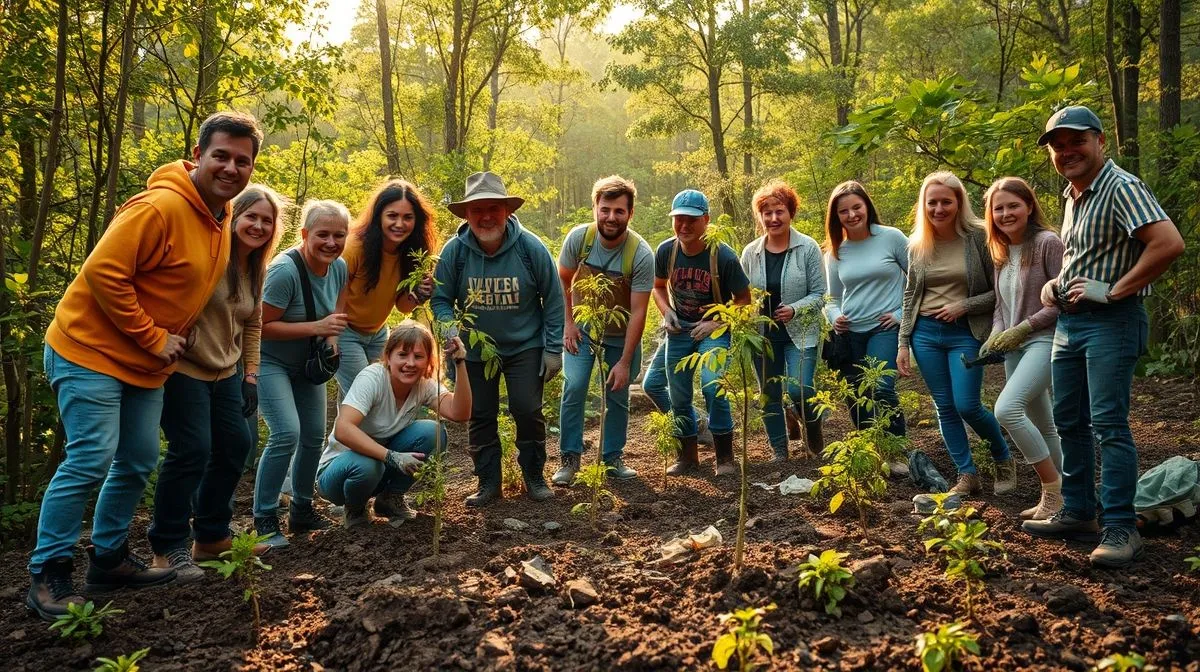
- Habitat Restoration: This involves activities like tree planting, removing invasive species, restoring wetlands, or creating wildlife corridors. It's often physically demanding but incredibly rewarding as you directly rebuild ecosystems.
- Wildlife Conservation: Projects might include wildlife monitoring, anti-poaching efforts, animal rescue and rehabilitation, or protecting endangered species. This often requires patience, keen observation, and sometimes specialized training.
- Marine Conservation: Focused on oceans, rivers, and coastal areas, these projects include coral reef restoration, beach cleanups, marine debris removal, and monitoring marine life. Snorkeling or diving skills can be a plus.
- Sustainable Agriculture & Community Development: Some projects intertwine environmental goals with community well-being, promoting sustainable farming practices, reforestation in agricultural areas, or educating local populations on eco-friendly living.
- Research & Data Collection: For those with an analytical mind, opportunities exist in collecting data on species populations, water quality, or climate patterns. This often involves fieldwork and meticulous record-keeping.
Physical Readiness: Building Your Conservation Stamina
Many environmental conservation volunteering roles involve significant physical exertion. Whether it's hiking through rugged terrain, digging, lifting, or spending long hours under the sun, being physically prepared is paramount for your safety and effectiveness.
Essential Physical Training
Don't underestimate the physical demands. Start preparing several weeks or even months before your trip. Focus on building endurance, strength, and flexibility.
- Cardiovascular Endurance: Incorporate regular activities like hiking, jogging, swimming, or cycling into your routine. Aim for sessions of 30-60 minutes, several times a week. This will help you manage long days in the field.
- Strength Training: Focus on core strength, legs, and back. Squats, lunges, planks, and deadlifts (with proper form) will be beneficial for carrying tools, lifting materials, and maintaining balance on uneven ground.
- Flexibility and Mobility: Stretching and yoga can improve your range of motion and reduce the risk of injury. This is especially important for repetitive tasks or awkward positions.
- Practice with a Pack: If your project involves hiking, practice walking with a weighted backpack, similar to what you'll carry during your volunteering. This helps your body adapt to the load.
Nutrition and Hydration on the Field
Proper fueling is just as important as physical training. Your body will be burning a lot of calories, and dehydration can quickly lead to fatigue and dangerous situations.
- Balanced Meals: Prioritize nutrient-dense foods. Complex carbohydrates for sustained energy, lean proteins for muscle repair, and plenty of fruits and vegetables for vitamins and minerals.
- Consistent Hydration: Drink water regularly throughout the day, even if you don't feel thirsty. Carry a reusable water bottle and know where you can refill it. Electrolyte drinks can be beneficial in hot climates or during intense activity.
- Snacks: Pack energy-rich snacks like nuts, dried fruit, granola bars, or trail mix. These are excellent for quick boosts during long workdays.
Mental Fortitude: Preparing Your Mind for the Challenge
Beyond the physical, environmental conservation volunteering demands significant mental resilience. You'll likely face unexpected challenges, new environments, and work closely with diverse groups of people. A prepared mind can turn potential obstacles into opportunities for growth.
Embracing Discomfort and Adaptability
Conservation work often takes place in remote or basic conditions. You might encounter insects, unpredictable weather, limited amenities, or simple living arrangements. Developing a mindset of adaptability and a willingness to step outside your comfort zone is crucial.
- Flexibility: Projects can change rapidly due to weather, logistical issues, or unforeseen circumstances. Be prepared to adapt your plans and embrace new tasks.
- Patience: Environmental change is slow. Your efforts may not show immediate, dramatic results. Cultivate patience and focus on the long-term impact of your contributions.
- Problem-Solving: Instead of being deterred by challenges, view them as puzzles to solve. Your ability to think on your feet will be a valuable asset.
The Power of Teamwork and Communication
Most conservation projects are collaborative efforts. You'll be working alongside people from different backgrounds, cultures, and skill levels. Effective teamwork and clear communication are vital for success and a harmonious experience.
- Active Listening: Pay attention to instructions from project leaders and input from fellow volunteers.
- Clear Communication: Express your thoughts, concerns, and ideas clearly and respectfully. Don't hesitate to ask questions if you're unsure about a task.
- Conflict Resolution: Disagreements can arise. Approach them with an open mind, a willingness to compromise, and a focus on the shared goal of conservation.
- Cultural Sensitivity: If volunteering internationally, research and respect local customs and traditions. Your actions reflect not only on you but on your home country.
Practical Preparations: Gear, Documents, and Logistics
Once your body and mind are ready, it's time to focus on the practicalities. This includes everything from what you pack to how you handle travel and safety.
The Essential Packing List
Your packing list will vary depending on the project's location, climate, and specific tasks. However, some items are universally valuable for environmental conservation volunteering:
- Durable Work Clothes: Long-sleeved shirts and long pants made of quick-drying, breathable fabrics protect against sun, insects, and scratches.
- Sturdy Footwear: Waterproof hiking boots with good ankle support are often essential. Consider steel-toed boots for heavy-duty work.
- Work Gloves: Protect your hands from blisters, thorns, and chemicals.
- Rain Gear: A waterproof jacket and pants are crucial, even in dry climates, as weather can be unpredictable.
- Sun Protection: Wide-brimmed hat, sunglasses, and high-SPF sunscreen.
- Insect Repellent: Especially important in tropical or forested areas.
- Reusable Water Bottle & Water Filter: Stay hydrated and reduce plastic waste. A portable water filter can be a lifesaver.
- First-Aid Kit: Basic supplies for cuts, blisters, headaches, and any personal medications.
- Headlamp/Flashlight: For early mornings, late evenings, or power outages.
- Basic Toiletries & Quick-Dry Towel: Eco-friendly options where possible.
- Small Backpack/Daypack: For carrying essentials during daily work.
- Personal Documents: Passport, visa, copies of important documents, emergency contacts.
Navigating Travel and Accommodation
Logistics can be complex, especially for international projects. Plan well in advance.
- Flights and Transportation: Book flights early for better rates. Research local transportation options from the airport to your project site.
- Visas and Entry Requirements: Check the visa requirements for your destination country well in advance. Some countries require specific types of visas for volunteer work.
- Accommodation: Understand what kind of lodging is provided. Is it shared dorms, tents, or local homestays? Pack accordingly.
- Budgeting: Beyond program fees, account for flights, travel insurance, personal expenses, and any required gear.
Insurance and Safety Protocols
Your safety is paramount. Do not overlook insurance and understanding safety measures.
- Travel Insurance: Invest in comprehensive travel insurance that covers medical emergencies, evacuation, and trip cancellations. Ensure it specifically covers volunteer activities, as some policies have exclusions. For more information on what to look for in travel insurance, you can consult resources like the CDC's guide on travel insurance.
- Health Precautions: Consult your doctor about necessary vaccinations for your destination. Be aware of common local illnesses and how to prevent them.
- On-Site Safety Briefings: Pay close attention to all safety briefings provided by your project leaders. Understand emergency procedures, communication protocols, and any specific hazards of the work environment.
- Personal Safety: Be aware of your surroundings, especially when off-duty. Inform someone of your whereabouts if you venture out alone.
Skill Development: Beyond Physical Strength
While physical fitness is crucial, a diverse set of skills can greatly enhance your contribution and personal experience in conservation work. These skills range from practical field techniques to a deeper understanding of ecological principles.
Basic Field Skills
Even without prior experience, acquiring some basic field skills can make you a more valuable and confident volunteer.
- Basic First Aid: Knowing how to treat minor cuts, sprains, or insect bites can be invaluable. Consider taking a basic first aid or wilderness first aid course.
- Tool Use: Familiarize yourself with common hand tools like shovels, rakes, pruning shears, or even basic carpentry tools if applicable. Always follow safety guidelines for tool handling.
- Navigation: Basic map reading and compass skills, or familiarity with GPS devices, can be helpful for fieldwork in remote areas.
- Observation Skills: Being able to identify local flora and fauna, or spot signs of environmental degradation, can contribute to data collection and project goals.
Understanding Local Ecosystems
A fundamental understanding of the specific ecosystem you'll be working in will deepen your appreciation and effectiveness. Research the local climate, geology, dominant plant and animal species, and the specific environmental challenges facing that region.
For example, if you're working in a coastal area, understanding the dynamics of tides, marine life cycles, and the threats of plastic pollution is crucial. If you're in a forest, knowledge of tree species, soil health, and fire ecology will be beneficial. Resources like reputable environmental organizations or academic institutions can provide excellent background information. For a general overview of different types of ecosystems, you might find information on the Wikipedia page for Ecosystem helpful as a starting point, then delve into specific regional details.
Ethical Volunteering: Maximizing Positive Impact
True environmental conservation volunteering goes beyond just completing tasks; it involves a deep commitment to ethical practices that ensure your presence truly benefits, rather than inadvertently harms, the environment and local communities.
Respecting Local Communities and Wildlife
When you volunteer, you become a guest in a new place. Your interactions with local people and wildlife should always be respectful and mindful.
- Cultural Sensitivity: Learn about and respect local customs, traditions, and social norms. Engage with locals respectfully and be open to learning from them. Their traditional knowledge often holds keys to effective conservation.
- Economic Impact: Be mindful of your economic impact. Support local businesses where possible, and avoid actions that might inadvertently undermine local economies.
- Wildlife Interaction: Maintain a respectful distance from wildlife. Never feed wild animals, interfere with their natural behaviors, or remove anything from their habitat unless specifically instructed by project leaders.
Minimizing Your Ecological Footprint
As an environmental volunteer, it's vital to lead by example and minimize your own impact on the planet during your trip.
- Reduce Waste: Minimize plastic use, carry a reusable water bottle and shopping bag, and dispose of waste properly.
- Conserve Resources: Be mindful of your water and energy consumption, especially in areas where these resources are scarce.
- Sustainable Travel: Consider carbon offsetting your flights if possible, and opt for public transport or carpooling when available.
- Ethical Purchasing: Choose locally sourced, sustainable products, and avoid purchasing souvenirs made from endangered species or unsustainable materials.
Finding Your Opportunity: Where to Begin Your Search
With so many options available, finding the right environmental conservation volunteering program can feel daunting. Knowing where to look and what to consider is key.
Reputable Organizations and Platforms
Start your search with established and well-regarded organizations known for their legitimate conservation efforts. These organizations often have robust programs, clear objectives, and strong safety protocols.
- Major International NGOs: Organizations like the World Wide Fund for Nature (WWF), The Nature Conservancy, or Conservation Volunteers International have extensive networks and a variety of projects. For instance, The Nature Conservancy offers numerous volunteer opportunities globally, which you can explore on their official website: The Nature Conservancy Volunteer Page.
- Government Agencies: National parks, forestry services, or environmental protection agencies often have volunteer programs.
- Specialized Conservation Groups: Many smaller, highly focused organizations work on specific issues (e.g., marine mammal rescue, bird banding, local park cleanups).
- Volunteer Matching Platforms: Websites like Idealist, GoAbroad, or Workaway can list various opportunities, but always vet the individual programs carefully.
Vetting Programs for Authenticity
Unfortunately, not all programs claiming to be 'conservation' are legitimate. Some might be 'voluntourism' operations that prioritize profit over genuine impact. Look for these signs of a reputable program:
- Clear Objectives: The program should have clearly defined conservation goals and explain how your work contributes to them.
- Transparency: Reputable organizations are transparent about their finances, impact reports, and how volunteer fees are used.
- Ethical Treatment: Ensure the program treats local staff, communities, and animals ethically. Avoid programs that allow direct, unregulated interaction with wild animals.
- Reviews and References: Look for independent reviews from past volunteers. Don't hesitate to ask the organization for references.
- Safety and Support: A good program will prioritize your safety, provide adequate training, and offer support throughout your stay.
Frequently Asked Questions (FAQ)
Is prior experience necessary for conservation volunteering? No, for most entry-level environmental conservation volunteering roles, prior experience is not strictly necessary. Organizations typically provide all the training you need on-site. What's more important is enthusiasm, a willingness to learn, and a good work ethic. Some specialized projects might require specific skills (e.g., scientific background, diving certification), but these will be clearly stated.
How long do conservation volunteering projects usually last? The duration varies widely. Projects can range from a single day or weekend clean-up event to several weeks, months, or even a year for more immersive programs. Short-term projects are great for beginners, while longer commitments allow for deeper engagement and skill development.
What are the biggest challenges volunteers face? Common challenges include physical demands, adapting to basic living conditions, cultural differences, language barriers (if abroad), and sometimes the emotional toll of witnessing environmental degradation. However, these challenges often lead to significant personal growth and a deeper appreciation for the work.
Can I volunteer with my family or friends? Many organizations offer programs suitable for families or groups of friends. It's best to check with the specific program provider, as some may have age restrictions or require certain levels of fitness for all participants.
What's the best way to choose a project? Consider your interests (e.g., marine, wildlife, forestry), your physical capabilities, the duration you can commit, your budget, and whether you prefer domestic or international travel. Researching the organization's mission and reading reviews from past volunteers can also guide your decision.
Recommended Reading
- The Ultimate Guide: How to Select Family Friendly Tours for All Ages
- Uncover the Secret: How to Plan Travel for International Food Festivals Like a Pro
- Unlock Your Wanderlust: The Ultimate Guide to Cheaper Long-Term Travel
- Ultimate Guide: Best Luxury Hotel Amenities for Total Relaxation
- The Ultimate Guide: How to Respectfully Observe Local Traditions Abroad
Conclusion
The journey to contribute to environmental conservation volunteering is a deeply personal and incredibly impactful one. It begins with a spark of passion and grows through diligent preparation. By focusing on physical readiness, cultivating mental fortitude, meticulously planning your practical needs, and committing to ethical practices, you transform that initial desire into tangible action.
Remember, every hour you dedicate, every piece of trash you collect, every tree you plant, and every piece of data you gather contributes to the health of our planet. The demand for dedicated individuals who are willing to roll up their sleeves and truly make a difference in environmental conservation is immense. Go forth, prepare diligently, and embrace the profound satisfaction that comes from being a guardian of our natural world. Your efforts are not just appreciated; they are essential.




Your email address will not be published. Required fields are marked *