

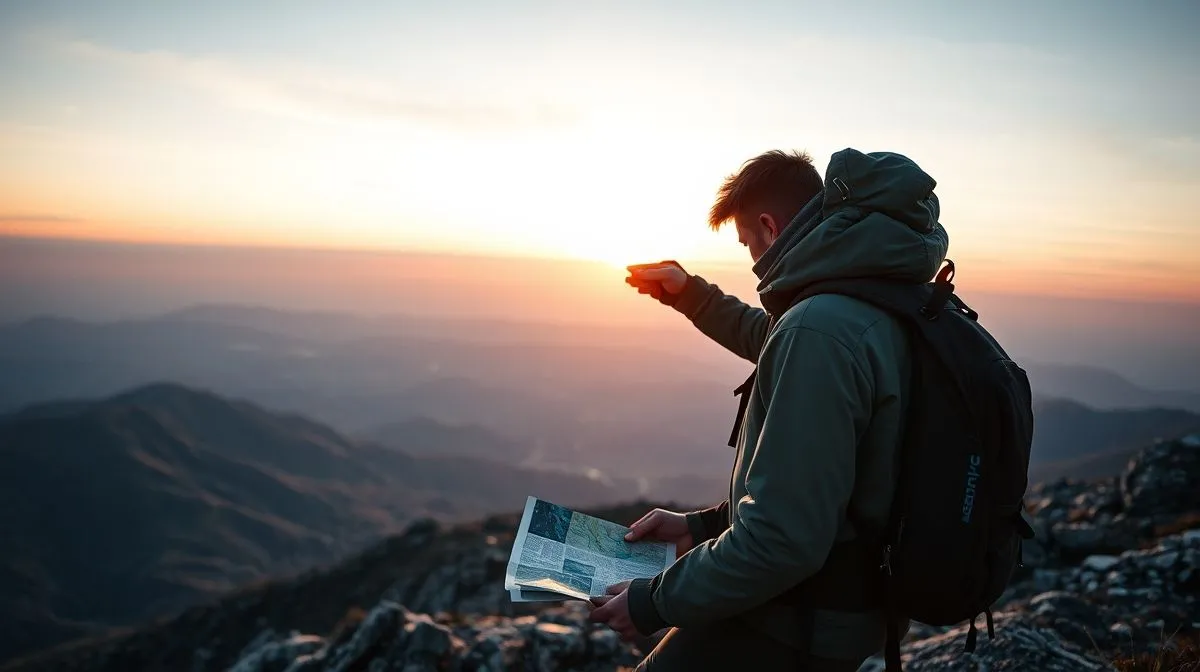
How to Navigate Off-Grid Trekking Routes Safely?
Imagine standing at the edge of a vast, untamed wilderness, the horizon stretching endlessly before you, unbroken by roads or power lines. The call of the wild, the promise of untouched beauty, and the thrill of self-reliance beckon. This is the allure of off-grid trekking – an experience that transcends the mundane and offers profound connection with nature.
However, this profound experience comes with significant challenges. The absence of marked trails, reliable cell service, and often, any human presence for miles, presents a unique set of navigation and safety concerns. The fundamental question arises: how do you find your way when there’s no obvious path to follow, and how do you ensure your return?
This comprehensive guide will equip you with the knowledge, essential skills, and mindset required to confidently navigate off-grid trekking routes safely, transforming potential peril into an exhilarating and memorable adventure. By the end of this reading, you will possess a robust framework for planning, executing, and enjoying your off-grid explorations with a heightened sense of security and preparedness.
The Lure and Peril of the Uncharted Path
Why Go Off-Grid?
The desire to venture beyond the beaten path is deeply ingrained in many outdoor enthusiasts. Off-grid trekking offers unparalleled solitude, pristine natural beauty, and a profound sense of accomplishment. It's an opportunity to escape the crowds, witness untouched ecosystems, and truly test one's self-reliance in a raw, unfiltered environment. The reward is a unique perspective and a deeper appreciation for the wilderness.
Many seek the challenge of true wilderness navigation, honing skills that are often overlooked in front-country hiking. It’s about more than just physical endurance; it’s a mental game of strategy, observation, and adaptability. This type of adventure fosters resilience and problem-solving abilities that translate beyond the trail.
Understanding the Risks
While the rewards are immense, the risks associated with off-grid trekking are equally significant. Without established trails, the chances of getting lost increase dramatically. Environmental hazards like sudden weather changes, challenging terrain, and wildlife encounters become more critical in remote settings where help is hours, if not days, away.
Furthermore, injuries, even minor ones, can escalate into serious emergencies without immediate access to medical assistance. Communication blackouts are common, meaning your ability to call for help is severely limited. Understanding these inherent dangers is the first step in mitigating them and learning how to navigate off-grid trekking routes safely.
Mastering Foundational Navigation Skills
At the heart of safe off-grid travel lies a solid foundation in navigation. Relying solely on a single tool or method is a recipe for disaster. True mastery comes from understanding multiple techniques and using them in conjunction.
The Indispensable Map and Compass
Despite the advent of digital technology, a physical topographic map and a reliable compass remain the bedrock of wilderness navigation. They are impervious to battery drain, signal loss, or electronic malfunction. Learning to read contour lines, understand scale, and identify terrain features on a map is a critical skill for any off-grid explorer.
Your compass, when used with your map, allows you to determine your bearing, orient yourself, and even triangulate your position. Remember to account for declination – the difference between true north and magnetic north – which varies by location. Practicing these skills regularly in familiar territory is crucial before venturing into unknown off-grid areas.
GPS Devices and Satellite Communicators
Modern GPS devices and satellite communicators are invaluable tools that complement, but do not replace, map and compass skills. A dedicated handheld GPS offers precise location data, tracks your route, and allows you to mark waypoints. However, they require batteries, which can fail or run out, especially in cold weather.
Satellite communicators, such as those from Garmin inReach or Zoleo, provide a lifeline in remote areas. They allow for two-way text messaging, emergency SOS signaling, and often basic navigation features. These devices operate on satellite networks, independent of cell service, making them essential for emergency communication. Always ensure they are charged and tested before your trip.
Natural Navigation Cues
Beyond modern tools, the ability to read natural cues can be a lifesaver. The sun’s position, especially at sunrise and sunset, provides a general east-west orientation. In the Northern Hemisphere, the North Star (Polaris) always points north. Observing terrain features, water flow, and even vegetation patterns can offer clues about your direction and surroundings.
Understanding prevailing wind directions or the growth patterns of moss on trees (often a myth, but local knowledge can be valuable) can also contribute to your navigational awareness. These skills enhance your overall wilderness IQ and provide redundancy if your primary tools fail.
Pre-Trek Planning: Your Blueprint for Safety
The success and safety of any off-grid trek are largely determined before you even step foot on the trail. Meticulous planning is not just advisable; it's non-negotiable for anyone wondering how to navigate off-grid trekking routes safely.
Thorough Route Research and Mapping
Begin by extensively researching your chosen area. Acquire high-quality topographic maps and study them in detail. Identify potential campsites, water sources, challenging terrain, and bail-out points. Utilize digital mapping tools (like Gaia GPS or CalTopo) to plan your route, mark waypoints, and create a digital backup of your maps.
Consider the elevation changes, terrain difficulty, and potential obstacles. For instance, a seemingly short distance on a map can be grueling if it involves significant bushwhacking or river crossings. Plot your intended daily mileage conservatively, accounting for the slower pace of off-grid travel.
Weather Forecasting and Contingency Planning
Weather in the backcountry can be unpredictable and change rapidly, especially in mountainous regions. Obtain detailed long-range and short-range forecasts for your specific area. Be prepared for all possible conditions, including extreme temperatures, heavy rain, snow, or high winds. Your gear choices, from clothing layers to shelter, must reflect these possibilities.
Develop contingency plans for adverse weather. This might include alternative routes, designated safe havens, or even a decision to turn back. Never underestimate the power of nature; a healthy respect for its forces is paramount. Always have a plan B, and even a plan C.
Emergency Protocols and Communication Plans
Before you leave, create a detailed itinerary and share it with a trusted contact who is not coming on the trip. This 'trip plan' should include your route, expected return date, emergency contact information, and what to do if you don't check in by a certain time. This is your most basic but vital safety net.
Discuss emergency protocols with your trekking partners. What's the plan if someone gets injured? What are the signaling methods? How will you use your satellite communicator? Understand the principles of Leave No Trace to minimize your impact on the environment, ensuring the wilderness remains pristine for future adventurers.
Essential Gear for Off-Grid Navigation and Survival
Your gear is your lifeline in the backcountry. Every item should serve a purpose, contributing to your safety, comfort, and ability to navigate effectively. This goes beyond just fancy gadgets; it’s about having the right tools for the job.
The Navigation Toolkit
Redundancy is key when it comes to navigation tools. Always carry:
- Topographic Maps: Multiple copies, waterproofed or in a waterproof case.
- Baseplate Compass: A high-quality model with declination adjustment.
- Dedicated GPS Device: With extra batteries.
- Satellite Communicator: Fully charged, with a pre-planned check-in schedule.
- Power Bank: To recharge electronic devices.
- Headlamp/Flashlight: With extra batteries, for night navigation or emergencies.
Ensure you know how to use each piece of equipment proficiently before you leave. Practice makes perfect, and the wilderness is not the place for on-the-job training.
Survival Essentials Beyond Navigation
Your pack should also contain essential survival items, often referred to as the 'Ten Essentials', adapted for off-grid travel:
- Shelter: Lightweight tent, tarp, or bivy sack.
- Fire Starter: Waterproof matches, lighter, fire steel.
- First-Aid Kit: Comprehensive, including blister treatment, pain relievers, and wound care. Consider taking a wilderness first aid course.
- Water Purification: Filter, purification tablets, or a means to boil water.
- Nutrition: Extra food beyond your planned meals.
- Repair Kit and Tools: Duct tape, knife, cordage.
- Sun Protection: Sunscreen, hat, sunglasses.
- Insulation: Extra layers of clothing, even in warm weather.
Each item plays a crucial role in your ability to survive an unexpected night out or an emergency situation. Being prepared means having the right tools to address a variety of challenges.
Packing Smart: Weight vs. Necessity
Every ounce counts on an off-grid trek. While redundancy in critical gear is important, avoid overpacking unnecessary items. Prioritize multi-functional gear and lightweight options. A heavy pack can lead to fatigue, increased risk of injury, and a less enjoyable experience.
Carefully consider the duration of your trip, the expected conditions, and your personal needs. A well-packed backpack is a testament to thoughtful planning and a key factor in ensuring you can effectively navigate off-grid trekking routes safely.
On-Trail Techniques: Staying Found in the Wilderness
Once you're in the wilderness, your focus shifts from planning to execution. Constant vigilance and methodical navigation techniques are essential for staying on track and enjoying the journey.
Constant Situational Awareness
Don't just walk; observe. Continuously compare what you see on the ground with your map. Identify prominent landmarks like peaks, valleys, rivers, and distinctive rock formations. This practice, known as 'terrain association', builds your mental map of the area and helps confirm your position.
Periodically stop and orient your map to your surroundings. Look back frequently at the path you've just traveled. This helps you recognize features from a different perspective, which is invaluable if you need to backtrack. Pay attention to micro-features as well, such as unique trees, small streams, or changes in vegetation that can serve as mental breadcrumbs.
Utilizing Terrain Association
Terrain association is arguably the most powerful navigation skill for off-grid travel. It involves understanding how the landscape dictates your route and how to use it to your advantage. For example, following a ridge line or a valley floor can be a more efficient and safer way to travel than cutting directly across complex terrain.
Understanding how water flows downhill, how aspect affects vegetation, and how elevation changes impact the environment allows you to predict and confirm your location. The U.S. Geological Survey (USGS) provides excellent resources on reading topographic maps, which are indispensable for this skill.
The Art of Route-Finding and Decision-Making
Off-grid trekking often involves 'route-finding' rather than simply 'following a trail'. This means making continuous decisions about the most efficient, safest, and most enjoyable path forward. It requires evaluating terrain, considering potential hazards, and making informed choices based on your skills and the environment.
Don't be afraid to adjust your route if conditions change or if you encounter unexpected obstacles. Sometimes the best decision is to pause, reassess, and even backtrack a short distance to find a better way. Patience and flexibility are key virtues in the backcountry.
What to Do When You're Lost: Emergency Protocols
Even the most experienced navigators can get disoriented. The critical difference between a minor inconvenience and a life-threatening situation often lies in how you react. Knowing how to navigate off-grid trekking routes safely also means knowing what to do when you're not.
The STOP Method
If you realize you are lost, the immediate and most crucial action is to implement the STOP method:
- S - Stop: Do not panic. Take a deep breath. Adrenaline and fear can cloud judgment.
- T - Think: Review your last known position. What landmarks did you see? When did you last confirm your location? What direction were you heading?
- O - Observe: Look around. Can you identify any familiar features? Listen for sounds (water, roads, human activity). Check for tracks or signs of your previous passage.
- P - Plan: Based on your thinking and observation, formulate a plan. This might be to retrace your steps, try a new direction, or prepare for an overnight stay. Stick to your plan but be ready to adapt.
Staying calm is paramount. Panicking often leads to rash decisions that worsen the situation.
Signaling for Help
If you're truly lost and unable to self-rescue, signaling for help becomes your priority. Universal distress signals include:
- Three of anything: Three blasts of a whistle, three flashes of a mirror, three fires in a triangular pattern. Repeat every 10-15 minutes.
- Ground-to-air signals: Lay out brightly colored clothing or natural materials to spell out SOS or a large 'X'.
- Satellite Communicator: Use the SOS function only for genuine emergencies. This alerts search and rescue and provides your exact coordinates.
Conserve your energy and resources while waiting for rescue. Stay in one place, preferably an open area visible from the air, and ration your food and water.
Basic Wilderness Survival Principles
While waiting for rescue, focus on the core elements of survival: shelter, water, and fire. Build a shelter to protect yourself from the elements. Find and purify water – dehydration is a rapid threat. If possible, build a signal fire to provide warmth and act as a visual beacon, especially at night.
Knowledge of basic wilderness first aid is also critical. Even a minor injury can become debilitating if not properly treated. Consider taking a comprehensive course like those offered by NOLS (National Outdoor Leadership School) or the Red Cross. Your ability to self-treat and manage an injury can determine the outcome of a remote incident.
Cultivating the Off-Grid Mindset: Resilience and Respect
Beyond skills and gear, a specific mindset is crucial for safely navigating off-grid trekking routes. It’s about more than just physical preparation; it’s about mental fortitude and a deep respect for the environment.
Embracing Self-Reliance
Off-grid trekking inherently demands self-reliance. You are responsible for your own safety, navigation, and well-being. This means being proactive in your planning, diligent in your execution, and resourceful in the face of unexpected challenges. It's an empowering feeling, but it carries significant responsibility.
Develop a problem-solving attitude. Instead of being overwhelmed by obstacles, view them as puzzles to be solved. This mental resilience is often the most important tool you carry into the wilderness.
Respecting the Environment and Wildlife
As you venture into pristine areas, remember that you are a visitor. Practice strict Leave No Trace principles, packing out everything you pack in, and minimizing your impact on the delicate ecosystem. This includes proper waste disposal, staying on durable surfaces, and respecting wildlife by observing from a distance and never feeding them.
Your presence should be as fleeting as a shadow, leaving the wilderness as you found it, or better. This respect not only preserves the environment but also enhances your own experience, fostering a deeper connection with the natural world.
Continuous Learning and Practice
Navigation and survival skills are perishable if not regularly practiced. Dedicate time to honing your map and compass skills, experimenting with your GPS, and practicing emergency scenarios. Even short day hikes can be opportunities to practice orienting your map or identifying terrain features.
Stay updated on new gear, techniques, and safety protocols. Read books, attend workshops, and learn from experienced trekkers. The wilderness is a dynamic environment, and continuous learning ensures you remain a competent and safe explorer.
Frequently Asked Questions (FAQ)
What's the most important skill for off-grid navigation? The most important skill is terrain association – the ability to correlate what you see on the ground with features on your topographic map. This is fundamental for staying oriented and making informed route decisions.
Can I rely solely on my phone's GPS for off-grid trekking? No, relying solely on a phone's GPS for off-grid trekking is strongly discouraged. Phones are susceptible to battery drain, signal loss in remote areas, and can be damaged by water or impact. Always carry a dedicated GPS device, and critically, a physical map and compass as primary and backup navigation tools.
How do I prepare for unexpected weather changes in the backcountry? Prepare by checking multiple weather forecasts before your trip, packing appropriate layers of clothing (including rain gear and insulation, even in warm seasons), and having a contingency plan for shelter and route changes. Be ready to turn back if conditions become too hazardous.
What is the "STOP" method? The STOP method is a crucial acronym for what to do if you get lost: Stop (don't panic), Think (review your situation), Observe (look for clues), and Plan (formulate a course of action). It helps you regain composure and make rational decisions.
How often should I practice my navigation skills? Regular practice is key. Aim to practice your map and compass skills at least once a month, even if it's just in a local park or familiar trail. This keeps your skills sharp and builds confidence for when you need them most in off-grid environments.
Recommended Reading
- Modern Marvels: Your Guide to the Best Architecture City Breaks Europe
- Best Short-Term Volunteer Abroad Projects: Make a Real Impact!
- Unlock the Magic: Discover Kid-Friendly Destinations That Offer Educational Fun
- Unlock the Secrets: Your Ultimate Guide to Sustainable Volunteer Trips
- Villa Concierge: Which Services Are Actually Worth Paying For?
Conclusion
The allure of the uncharted path is a powerful one, offering unparalleled adventure and a deep connection with the natural world. Learning how to navigate off-grid trekking routes safely is not just about mastering tools; it's about cultivating a comprehensive approach that blends meticulous planning, essential skills, and a resilient, respectful mindset. From understanding the nuances of a topographic map to employing the STOP method in an emergency, every piece of knowledge contributes to a safer, more rewarding experience.
Embrace the challenge, prepare diligently, and always respect the power and beauty of the wilderness. With the right preparation and a commitment to continuous learning, you can confidently explore the most remote corners of our planet, returning not just with incredible memories, but with an enhanced sense of self-reliance and accomplishment. Your next great adventure awaits – go forth, explore, and stay safe.

Your email address will not be published. Required fields are marked *