


How to drastically cut fuel costs for multi-state travel assignments?
For over two decades navigating the intricate world of multi-state road trips, both for personal adventure and professional assignments, I've witnessed firsthand how quickly fuel costs can erode profit margins and inflate operational budgets. It's a silent killer for many businesses relying on mobile workforces, turning what should be a productive journey into a financial drain. I've seen countless companies struggle, often overlooking the foundational strategies that can make a monumental difference.
The challenge isn't just about the fluctuating price at the pump; it's about the cumulative effect of hundreds, even thousands, of miles driven across diverse terrains and state lines. For businesses with multi-state travel assignments – be it sales teams, service technicians, or delivery fleets – these expenses aren't just line items; they are a significant operational hurdle that demands strategic attention. Without a robust plan, you're essentially burning money with every mile.
This isn't about simple gas-saving tips you find online; it's about implementing a holistic, data-driven approach. In this definitive guide, I'll share the veteran strategies, actionable frameworks, and real-world insights I've gathered over years, designed to empower your business to drastically cut fuel costs, optimize every journey, and transform your travel assignments into models of efficiency and profitability.
1. Mastering Pre-Trip Planning and Route Optimization
The journey to significant fuel savings begins long before the engine even turns over. In my experience, haphazard planning is one of the biggest culprits behind inflated fuel bills. A well-optimized route can shave off significant miles, avoid heavy traffic, and even guide you to more affordable fuel stops.
The Power of Advanced Mapping Tools
Modern mapping and route optimization software are indispensable for multi-state travel. These tools go far beyond basic navigation, allowing you to plot multi-stop itineraries, factor in real-time traffic, road closures, and even elevation changes. Ignoring these sophisticated resources is like navigating with a paper map in the digital age.
- Utilize Multi-Stop Route Planners: Input all your destinations, and let the software calculate the most efficient sequence. Tools like Google Maps, Waze (for real-time traffic), or dedicated fleet management systems (more on these later) are crucial.
- Consider Traffic Patterns: Schedule travel during off-peak hours whenever possible. Even a slight detour to avoid a major bottleneck can save both fuel and valuable time.
- Factor in Terrain: Hilly or mountainous routes consume more fuel. If time allows, a slightly longer but flatter route might be more economical.
“Every mile driven unnecessarily is a dollar wasted. Strategic route planning is your first and most powerful defense against fuel cost inflation.”
Strategic Fuel Stop Planning
Fuel prices can vary wildly, not just between states but also within a few miles on the same highway. Planning your fuel stops in advance, leveraging apps that show real-time gas prices, can lead to substantial savings over many assignments.
- Research Prices Ahead: Use apps like GasBuddy or AAA TripTik to find the cheapest gas stations along your planned route.
- Avoid Highway Service Stations: These often have significantly higher prices due to convenience. Look for stations a few exits off the main highway.
- Fill Up in Lower-Tax States: Fuel taxes vary by state. If your route crosses state lines, plan to fill up in states with historically lower fuel taxes. A quick search before your trip can reveal these opportunities.
2. Vehicle Maintenance: Your First Line of Defense Against Fuel Waste
An often-underestimated factor in fuel consumption is the condition of your vehicle. A well-maintained vehicle runs more efficiently, directly translating to lower fuel costs. I've seen businesses overlook routine maintenance, only to face significantly higher operational expenses down the line.
Regular Servicing and Tire Pressure
This is basic, yet critically important. Neglecting oil changes, air filter replacements, or tire maintenance can dramatically increase fuel usage. Think of your vehicle as an athlete; it needs to be in peak condition to perform efficiently.
- Adhere to Service Schedules: Follow the manufacturer's recommended maintenance schedule religiously. Regular oil changes, spark plug replacements, and fluid checks keep the engine running smoothly.
- Maintain Proper Tire Pressure: Under-inflated tires increase rolling resistance, forcing your engine to work harder. Check tire pressure weekly, especially before long trips. According to the U.S. Department of Energy, proper tire inflation can improve gas mileage by up to 3%.
- Replace Air Filters: A clogged air filter restricts airflow to the engine, reducing performance and fuel economy. It's a cheap and easy fix that pays dividends.
Aerodynamics and Weight Management
The harder your vehicle has to push through air or haul excessive weight, the more fuel it consumes. This is particularly relevant for multi-state assignments where vehicles might be loaded with equipment or luggage.
- Remove Roof Racks When Not Needed: Roof racks, even empty, create significant drag. If you don't need them for a specific assignment, take them off.
- Keep Windows Closed at High Speeds: Open windows create drag, especially at highway speeds. Use your vehicle's ventilation system or air conditioning sparingly instead.
- Minimize Excess Weight: Every extra pound requires more fuel to move. Encourage drivers to remove unnecessary items from their vehicles before each trip.
3. Driving Habits: The Human Element of Fuel Efficiency
Even with the most efficient vehicle and the best route, aggressive driving habits can negate all your efforts. As a veteran of countless road trips, I can attest that the driver behind the wheel holds immense power over fuel consumption.
Smooth Acceleration and Braking
Rapid acceleration and sudden braking are fuel guzzlers. They put unnecessary strain on the engine and waste energy that could be used for propulsion. The key is anticipation and smoothness.
- Accelerate Gently: Gradually increase speed rather than flooring the pedal. Think of an egg under your foot.
- Anticipate Stops: Look far ahead for traffic lights or slowing traffic. Coasting to a stop rather than braking hard saves fuel and reduces wear on brakes.
- Maintain Consistent Speed: Use cruise control on highways to maintain a steady speed and avoid constant acceleration and deceleration.
Maintaining Optimal Speed
Fuel efficiency generally decreases rapidly above 50-60 mph. While speed limits must be adhered to, understanding the sweet spot for your vehicle's efficiency is crucial for long hauls.
- Respect Speed Limits: Not only is it safer and legal, but driving at excessive speeds significantly increases aerodynamic drag and fuel consumption.
- Identify Your Vehicle's 'Sweet Spot': Most vehicles have an optimal speed range where they achieve the best fuel economy. For many, this is typically between 45-55 mph.
The Idling Trap
Idling wastes fuel, plain and simple. Modern engines consume surprisingly little fuel when restarting, making it almost always more efficient to turn off the engine if you'll be stopped for more than 30 seconds.
- Turn Off Engine for Extended Stops: If you're waiting for a client, loading/unloading, or stuck in a long traffic jam, turn off the engine.
- Minimize Warm-up Time: Modern vehicles don't need extensive warm-up periods. Drive gently for the first few minutes instead.
“The most sophisticated fuel-saving technology in the world can't overcome an aggressive driver. Cultivating smooth, anticipatory driving habits is the cheapest and most effective fuel-saving strategy.”
4. Leveraging Technology for Real-time Fuel Management
In today's connected world, ignoring the power of technology for fuel management is leaving money on the table. From telematics to smart fuel cards, these tools provide invaluable insights and control.
Fleet Management Systems (FMS) and Telematics
For businesses with multiple vehicles on multi-state assignments, a robust FMS with telematics capabilities is a game-changer. These systems provide real-time data on vehicle location, speed, idling time, and fuel consumption.
- Monitor Driver Behavior: Identify aggressive driving, excessive idling, or unauthorized use that contribute to higher fuel costs.
- Optimize Dispatching: Use real-time location data to assign the closest vehicle to a new assignment, minimizing deadhead miles.
- Track Fuel Consumption Accurately: Integrate with fuel cards to get precise data on fuel purchases and consumption per vehicle.
Fuel Cards and Expense Tracking
Dedicated fuel cards offer more than just convenient payment. They provide granular data, security, and often discounts, making them essential for managing multi-state travel expenses.
- Streamline Expense Reporting: All fuel purchases are consolidated, simplifying accounting and reducing administrative burden.
- Control Spending: Set limits, restrict purchases to fuel only, and prevent unauthorized transactions.
- Access Data for Analysis: Detailed transaction logs provide data for identifying trends, comparing efficiency, and negotiating better rates.
Case Study: EcoFleet Solutions
EcoFleet Solutions, a regional service company with 30 vehicles covering five states, faced escalating fuel costs and a lack of visibility into driver behavior. By implementing a comprehensive FMS with integrated telematics and a universal fuel card program, they achieved remarkable results. Within six months, they saw a 15% reduction in overall fuel consumption due to optimized routing, reduced idling, and improved driver behavior identified through telematics data. This resulted in an annual savings of over $45,000, significantly boosting their profit margins and operational efficiency. The data also helped them identify vehicles needing maintenance proactively, further reducing breakdowns and associated costs.
| Feature | Benefit |
|---|---|
| Real-time GPS Tracking | Improved dispatch, security, route optimization |
| Driver Behavior Monitoring | Reduced aggressive driving, lower fuel consumption |
| Fuel Card Integration | Simplified expense tracking, fraud prevention, volume discounts |
| Maintenance Alerts | Proactive servicing, extended vehicle lifespan, better efficiency |
| Reporting & Analytics | Data-driven decisions, continuous cost optimization |
For more insights on how telematics can transform your fleet operations, consider exploring resources from industry leaders like Deloitte's studies on fleet management.
5. Fuel Procurement Strategies: Buying Smart, Not Just Cheap
It's not just how you drive, but also how you buy fuel. Businesses on multi-state assignments have unique opportunities to leverage their purchasing power and strategic timing to secure better fuel prices.
Volume Discounts and Preferred Networks
If your business has a substantial fleet, you might qualify for commercial fuel programs that offer significant savings. These are often overlooked by smaller operations, but the benefits can be substantial.
- Negotiate with Fuel Providers: If you have a large fleet, approach major fuel station chains or wholesale distributors to negotiate volume discounts.
- Utilize Fleet Fuel Cards: Many fleet cards offer discounts at specific networks of stations. Research which card best fits your typical travel routes and fuel needs.
- Join Purchasing Cooperatives: Some industry associations or business groups offer collective buying power for fuel, providing members with lower prices.
Monitoring Fuel Price Trends
Fuel prices are notoriously volatile. Staying informed about market trends and even daily fluctuations can help you make smarter purchasing decisions, especially for large fill-ups.
- Subscribe to Price Alerts: Use apps or services that send notifications when fuel prices drop in your operating areas.
- Understand Seasonal Trends: Prices often fluctuate seasonally due to demand (e.g., summer travel). Factor this into your budgeting and purchasing.
- Avoid Filling Up on Weekends: Historically, fuel prices tend to creep up on weekends and holidays. Try to fill up early in the week if possible.
For reliable fuel price data and analysis, I often refer to the U.S. Energy Information Administration (EIA), which provides comprehensive reports on energy markets.
6. Employee Training and Incentive Programs
Even the most advanced technology and meticulously planned routes can be undermined by a lack of driver awareness or motivation. Investing in your drivers' knowledge and incentivizing efficient behavior yields significant returns.
Driving Efficiency Workshops
Many drivers simply aren't aware of the impact their driving habits have on fuel consumption. A focused training program can educate them on best practices and the 'why' behind them.
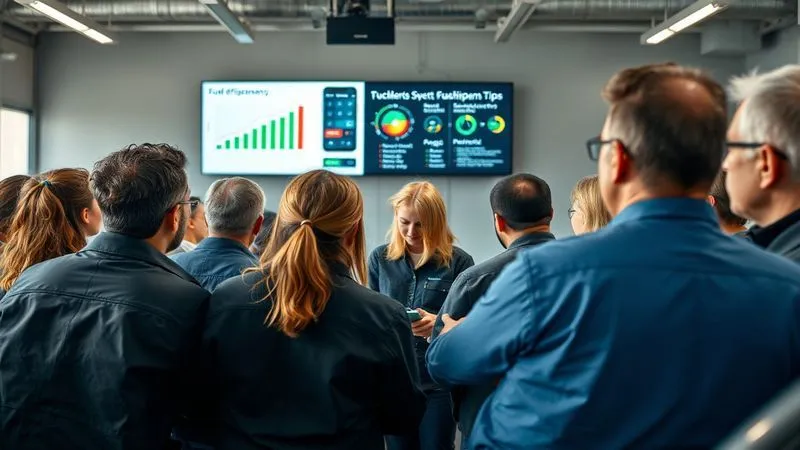
- Host Regular Training Sessions: Cover topics like smooth acceleration, proper tire inflation, the dangers of idling, and effective route planning.
- Provide Educational Materials: Handouts, videos, or quick guides can serve as constant reminders for best practices.
- Focus on Defensive Driving: This not only improves safety but inherently promotes smoother, more fuel-efficient driving.
Performance-Based Incentives
Motivating drivers to adopt fuel-efficient habits can be incredibly effective. When employees see a direct benefit, they are more likely to change their behavior.
- Bonus Programs: Reward drivers who consistently achieve top fuel efficiency scores (as measured by telematics data) or who report the lowest fuel costs per mile.
- Recognition Programs: Publicly acknowledge top performers. A little friendly competition can go a long way.
- Fuel Card Benefits: Offer personal use benefits on company fuel cards, tied to meeting efficiency targets, as a perk.
7. Considering Alternative Fuel Vehicles and Hybrid Fleets
While the initial investment might seem daunting, for businesses with substantial multi-state travel, transitioning to alternative fuel vehicles or hybrids can offer long-term, drastic cuts in fuel costs and operational expenses.
Evaluating ROI for EV/Hybrid Adoption
This isn't a decision to be made lightly, but the cost savings over the lifespan of a vehicle can be immense. It requires careful financial modeling.
- Analyze Total Cost of Ownership (TCO): Look beyond the purchase price. Factor in fuel savings, lower maintenance costs (for EVs), government incentives, and potential resale value.
- Start with Pilot Programs: Introduce a few hybrid or electric vehicles into your fleet to gather real-world data on performance, range, and charging infrastructure needs before a full transition.
- Research Available Incentives: Federal, state, and local governments often offer tax credits, rebates, or grants for businesses adopting cleaner vehicle technologies.
Infrastructure Considerations
Moving to electric vehicles, especially for multi-state travel, requires careful planning for charging infrastructure, both at your base and along common routes.
- Assess Charging Needs: Determine the daily mileage of your vehicles and the required charging speeds.
- Install Workplace Chargers: Investing in Level 2 or DC fast chargers at your primary locations can be a crucial first step.
- Map Public Charging Networks: Ensure that common travel routes have adequate public charging options, especially for longer-range assignments.
For detailed reports and projections on EV adoption and its impact on fleet management, I recommend consulting publications from organizations like Forbes' insights on sustainable fleets or government energy agencies.
| Vehicle Type | Fuel Cost per Mile | Maintenance Cost (Annual) | Environmental Impact |
|---|---|---|---|
| Gasoline ICE | $0.15 - $0.25 | $800 - $1500 | High emissions |
| Hybrid-Electric | $0.08 - $0.18 | $700 - $1200 | Moderate emissions |
| Battery-Electric (EV) | $0.03 - $0.08 | $300 - $800 | Zero tailpipe emissions |
8. Data Analysis and Continuous Improvement
The journey to drastically cut fuel costs for multi-state travel assignments is not a one-time fix; it's an ongoing process of monitoring, analyzing, and adapting. Without data, you're flying blind.
Key Performance Indicators (KPIs) for Fuel Efficiency
Establish clear metrics to track and evaluate your fuel-saving initiatives. These KPIs will provide tangible evidence of progress and highlight areas needing further attention.
- Miles Per Gallon (MPG) / Kilowatt-hours Per Mile (kWh/mile): Track this for individual vehicles and the entire fleet.
- Cost Per Mile (CPM): This is a comprehensive metric that includes fuel costs, maintenance, and other operational expenses.
- Idling Time Percentage: Monitor how much time vehicles spend idling versus actually driving.
- Fuel Consumption Per Driver: Identify drivers who are exceptionally efficient and those who might need additional coaching.
Regular Reporting and Benchmarking
Consistent reporting allows you to identify trends, compare performance against benchmarks, and make informed decisions.
- Generate Monthly Reports: Summarize key fuel efficiency KPIs for the entire fleet and individual vehicles/drivers.
- Benchmark Against Industry Standards: Compare your fleet's performance against similar businesses to identify areas for improvement.
- Conduct Quarterly Reviews: Use these reviews to discuss findings, celebrate successes, and adjust strategies as needed.
“What gets measured, gets managed. And what gets managed effectively, gets optimized. Data is your compass in the complex landscape of fuel cost reduction.”
Frequently Asked Questions (FAQ)
Is it worth investing in telematics for a small fleet (5-10 vehicles) for multi-state travel? Absolutely. While the initial investment might seem significant, the granular data on driver behavior, route optimization, and maintenance alerts can lead to substantial savings that quickly outweigh the cost, even for a small fleet. I've seen it transform efficiency for businesses of all sizes, especially when covering multiple states.
How often should tire pressure be checked for multi-state travel assignments? For multi-state travel, I recommend checking tire pressure at least weekly, or ideally, before every major leg of a multi-day trip. Temperature changes and long drives can affect pressure, and maintaining optimal inflation is one of the easiest and most impactful ways to save fuel.
What's the biggest mistake companies make regarding fuel costs on multi-state assignments? The biggest mistake I've observed is treating fuel costs as an uncontrollable variable rather than a strategic lever. Many companies simply pay the pump price without implementing proactive measures like route optimization, driver training, or leveraging fuel card data. It's a passive approach to an active problem.
Can route optimization really save significant amounts on long trips across multiple states? Yes, unequivocally. Advanced route optimization tools consider traffic, road conditions, tolls, and even terrain. By avoiding unnecessary miles, reducing idling in traffic, and planning strategic fuel stops, you can easily achieve savings of 5-15% or more on fuel for multi-state assignments, not to mention saving valuable driver time.
Are loyalty programs at gas stations truly beneficial for businesses with multi-state travel? While individual loyalty programs can offer small savings, for multi-state travel, a dedicated fleet fuel card or a network-specific discount program is generally more beneficial. These often provide larger, consistent discounts across a wider network, better tracking, and enhanced security, far surpassing the benefits of individual loyalty points.
Key Takeaways and Final Thoughts
Cutting fuel costs for multi-state travel assignments isn't about finding a single magic bullet; it's about weaving together a comprehensive strategy that touches every aspect of your operations. From meticulous pre-trip planning to leveraging cutting-edge technology and empowering your drivers, every action contributes to a more efficient and profitable future.
- Prioritize Planning: Route optimization and strategic fuel stops are non-negotiable.
- Maintain Your Fleet: A well-serviced vehicle is a fuel-efficient vehicle.
- Empower Your Drivers: Training and incentives are crucial for behavioral change.
- Embrace Technology: Telematics and fuel cards offer unparalleled visibility and control.
- Analyze and Adapt: Use data to continuously refine your strategies.
In my decades of experience, I've seen that the businesses that thrive are those that embrace continuous improvement and strategic thinking. Don't let fuel costs be a silent drain on your profitability. Take these actionable steps, implement these frameworks, and watch as you transform your multi-state travel assignments into a model of operational excellence and significant savings. The road ahead is long, but with the right strategies, it can be far more economical.
Recommended Reading
- Solo Freedom Travel: 7 Steps to Career Growth While Exploring
- Unlock Stress-Free Journeys: Your Essential Packing List for Disabled Travelers
- 7 Scenic Drive Strategies: Reclaim Calm, Reduce Executive Stress
- Wide Feet? The Best Rock Climbing Shoes for Beginners Revealed!
- 5 Steps: Road Trip Playlists for Pitch-Perfect Client Focus



Your email address will not be published. Required fields are marked *