

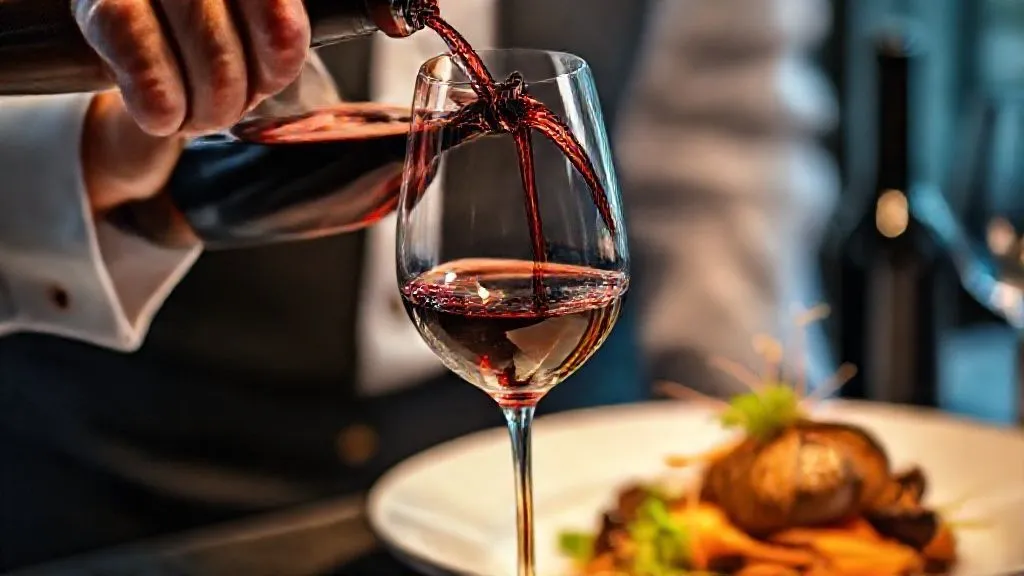
How to craft wine pairings for vegan food travelers' tasting menus?
For over two decades in the vibrant world of food and wine travel, I've had the privilege of witnessing culinary trends evolve and consumer preferences diversify at an astonishing pace. One of the most significant and rewarding shifts I've observed is the rise of the conscious food traveler, particularly those committed to a vegan lifestyle. Yet, despite the incredible innovation in plant-based cuisine, the art of harmonizing these dishes with the perfect wine remains a frontier for many.
The challenge is real: traditional wine pairing wisdom often relies heavily on animal proteins and fats. When you remove these elements, the landscape changes dramatically. You're no longer just pairing with 'chicken' or 'beef,' but with a complex interplay of vegetables, grains, legumes, and innovative plant-based textures that demand a more nuanced, creative, and often counter-intuitive approach. This isn't just about finding a 'vegan wine' – it's about understanding the soul of a plant-based dish and finding a vinous partner that elevates it without overwhelming.
In this definitive guide, I will share my accumulated wisdom and practical frameworks on how to craft wine pairings for vegan food travelers' tasting menus. We'll delve into understanding vegan flavor profiles, demystifying vegan-friendly wines, and provide actionable, step-by-step strategies to create truly unforgettable culinary journeys. Prepare to transform your approach and delight even the most discerning vegan palate.
Understanding the Vegan Palate: Flavors, Textures, and Terroir
Before we even think about uncorking a bottle, we must first deeply understand what we are pairing with. The vegan palate is not monolithic; it's a rich tapestry woven from an incredible diversity of ingredients, cooking methods, and cultural influences. My experience has taught me that the biggest mistake is to treat all vegan food as a single category.
Beyond Just Vegetables: Deconstructing Vegan Ingredients
When I mentor chefs and sommeliers, I always emphasize breaking down vegan dishes into their core components. Consider the primary ingredient: is it a robust root vegetable like celeriac, a delicate leafy green like spinach, or a hearty legume like a black bean? Each brings its own dominant flavor profile – earthy, herbaceous, sweet, savory, or even bitter. Then, layer in the cooking method: roasting intensifies sweetness and adds caramelization, steaming preserves freshness, and fermentation introduces umami and acidity. Sauces, spices, and garnishes further complicate (and enrich) the equation.
The Umami Challenge and Solutions
One of the most profound shifts in vegan pairing is addressing the 'umami gap.' Animal proteins naturally provide a rich, savory depth. In plant-based cuisine, we achieve this through ingredients like mushrooms (especially shiitake and porcini), nutritional yeast, sun-dried tomatoes, miso, seaweed, and fermented foods. These umami-rich components are critical to identify because they often demand wines with a certain depth, earthiness, or even a touch of oxidation to truly sing. For instance, a robust mushroom pâté might call for an aged Pinot Noir or a savory Nebbiolo, rather than a light-bodied white. For further reading on umami, this academic overview of umami's role in flavor perception is incredibly insightful.
"The secret to mastering vegan wine pairing lies not in replacing animal elements, but in celebrating and amplifying the inherent complexities of plant-based ingredients themselves. It's a journey of discovery, not substitution."
- Earthy: Mushrooms, truffles, root vegetables (beets, carrots).
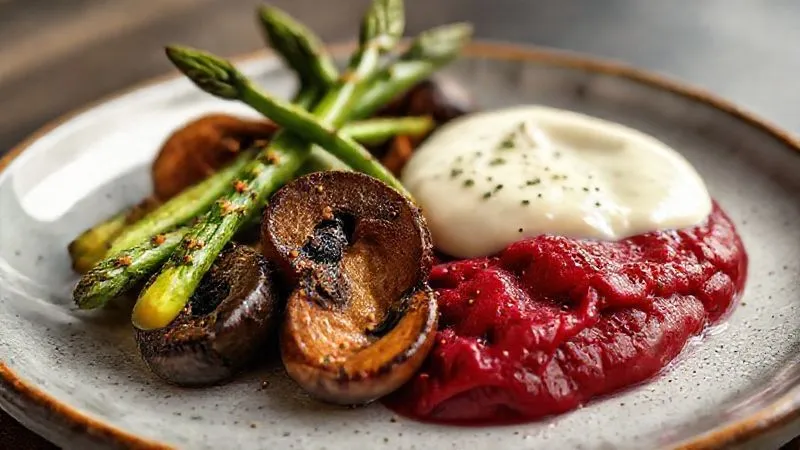
- Green/Herbaceous: Asparagus, peas, fresh herbs (basil, cilantro).
- Fruity/Sweet: Berries, stone fruits, roasted sweet potatoes.
- Savory/Umami: Miso, fermented foods, aged cheeses (plant-based), roasted tomatoes.
- Spicy: Chilies, ginger, black pepper.
- Acidic: Citrus, vinegar, unripe tomatoes.
Decoding Wine Characteristics for Plant-Based Harmony
Once we understand the food, the next step is to understand the wine. This means looking beyond varietal names and focusing on the core characteristics that impact pairing. Furthermore, for vegan food travelers, the wine itself must be vegan, meaning no animal products were used in its fining process (e.g., egg whites, casein, gelatin, fish bladder).
Acidity, Tannins, Sweetness: The Pillars of Pairing
These are your primary tools. Acidity in wine can cut through richness (even plant-based fats from nuts or oils), brighten earthy flavors, and complement acidic ingredients. Think crisp Sauvignon Blanc with a lemony green salad. Tannins, found predominantly in red wines, can interact with proteins and fats, but with vegan food, they need careful handling. High tannins can clash with bitter greens or metallic notes in certain vegetables, often creating an unpleasant astringency. Aim for softer, more integrated tannins. Sweetness in wine is crucial for spicy dishes (it cools the heat) and, of course, for desserts, where the wine should always be sweeter than the food.
Exploring Vegan-Friendly Wine Production
In my seminars, I often encounter confusion about 'vegan wine.' It's not about the grapes themselves, but the winemaking process. Traditionally, fining agents derived from animals were used to clarify wine. Today, many winemakers use bentonite clay, activated charcoal, pea protein, or simply allow the wine to clarify naturally. Always check for certifications or use resources like Barnivore to verify. This commitment to ethical sourcing is often as important to vegan food travelers as the taste itself.
"A truly exceptional vegan wine pairing considers not just the immediate sensory experience, but also the ethical and sustainable journey that brought both the food and the wine to the table."
| Wine Characteristic | Vegan Food Pairing Example | Effect |
|---|---|---|
| High Acidity | Lemon-herb roasted asparagus, tomato-based pasta | Cuts richness, brightens flavors |
| Low Tannin Red | Mushroom risotto, lentil shepherd's pie | Complements earthy notes without bitterness |
| Aromatic White | Thai green curry, spicy tofu stir-fry | Balances spice, enhances aromatics |
| Sweet/Dessert Wine | Fruit tart, chocolate avocado mousse | Harmonizes with sweetness, provides contrast |
| Earthy/Savory Red | Smoked tempeh, roasted root vegetables | Echoes umami, adds complexity |
The Foundational Framework: A 5-Step Approach to Vegan Wine Pairing
After years of experimentation and fine-tuning, I've developed a robust framework for how to craft wine pairings for vegan food travelers' tasting menus. This isn't a rigid set of rules, but a flexible guide to help you navigate the complexities.
- Identify the Dominant Flavor and Texture: What is the most prominent element in the dish? Is it the creaminess of a cashew sauce, the bitterness of radicchio, the sweetness of roasted squash, or the umami of truffles? This is your starting point.
- Consider the Cooking Method and Intensity: A grilled portobello will demand a different wine than a delicate steamed one. Richer cooking methods (roasting, frying) generally call for more robust wines, while lighter preparations suit lighter wines.
- Match or Contrast: Do you want the wine to echo the flavors of the food (match) or provide a delightful counterpoint (contrast)? For example, matching earthy mushrooms with an earthy Pinot Noir, or contrasting a rich coconut curry with a crisp, acidic Riesling.
- Balance Acidity, Sweetness, and Bitterness: Ensure the wine's acidity is at least equal to, or higher than, the food's. If the dish is sweet, the wine must be sweeter. Be extremely cautious with tannins when pairing with bitter or highly herbaceous vegan dishes, as they can amplify unpleasant notes.
- Account for Ethical and Sustainable Preferences: Always verify the wine's vegan status. Beyond that, consider organic, biodynamic, or sustainably farmed options, as these often resonate deeply with the values of vegan food travelers.
Case Study: Elevating 'The Green Plate' Bistro's Vegan Menu
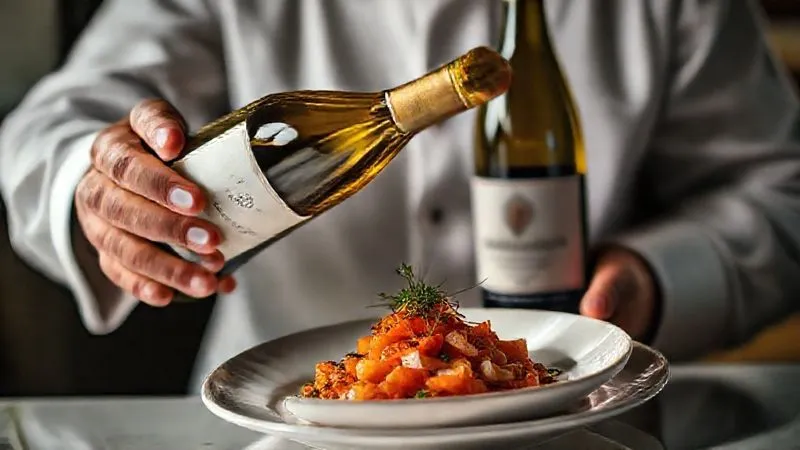
I recently consulted with 'The Green Plate,' a new vegan bistro aiming for fine-dining status. Their signature dish was a 'Smoked Carrot Lox Tartare with Dill Crème Fraîche and Rye Crisps.' Initially, they paired it with a generic Sauvignon Blanc, which fell flat. Applying my framework, we identified the dominant flavors: smoky, savory (carrot lox), tangy (crème fraîche), and herbaceous (dill). The texture was delicate yet slightly oily. We needed a wine with good acidity to cut through the richness and cleanse the palate, but also one with a subtle smokiness or minerality that wouldn't overpower the delicate carrot. Our solution? A crisp, unoaked Albarino from Rías Baixas, known for its saline minerality and bright acidity, or a dry, sparkling Crémant d'Alsace with its subtle brioche notes. Both elevated the dish, creating a harmonious and memorable experience that significantly boosted their customer reviews and repeat business.
Mastering Specific Vegan Food Categories with Wine
Let's get granular. While the framework provides the 'how,' knowing which categories generally lean towards certain wine styles provides a valuable shortcut.
Root Vegetables & Grains: Earthy & Nutty
Dishes featuring roasted beets, parsnips, celeriac, or grains like farro and quinoa often have an earthy, sometimes sweet or nutty profile. These call for wines that echo those characteristics. Think: Pinot Noir, Gamay, lighter Nebbiolo, Grenache, or even an earthy, savory Chardonnay (unoaked or lightly oaked). For very robust, caramelized root vegetables, a mature, slightly oxidative white like an aged Chenin Blanc can be extraordinary.
Legumes & Proteins: Rich & Savory
Lentil stews, black bean burgers, tempeh, or seitan dishes often have a heartiness and savory depth. They crave wines with a bit more structure and body. Consider: Merlot, Cabernet Franc, medium-bodied Syrah/Shiraz, Sangiovese, or even a robust rosé. If there's a smoky element, a Zinfandel can be a fantastic, albeit bold, choice. The key is finding wines with integrated tannins that don't clash with the savory, sometimes slightly bitter notes of legumes.
Leafy Greens & Herbs: Fresh & Aromatic
Salads, pesto, dishes rich in fresh herbs like basil, mint, or cilantro, and green vegetables like asparagus and peas, require wines that are crisp, aromatic, and often herbaceous themselves. Sauvignon Blanc, Vermentino, Grüner Veltliner, dry Riesling, or even a light-bodied Pinot Grigio are excellent choices. Be mindful of asparagus, which contains compounds that can make some wines taste metallic; crisp, high-acidity wines tend to work best.
Fruits & Desserts: Sweet & Tangy
For fruit-based desserts, tarts, or even savory dishes with significant fruit components (e.g., tagines with apricots), the cardinal rule is: the wine must be sweeter than the food. Otherwise, the wine will taste thin and sour. Explore: Late Harvest Riesling, Sauternes, Moscato d'Asti, Port (vegan varieties), or even a sparkling rosé for fruit-forward desserts. For chocolate-based vegan desserts, a rich, fortified wine like a vegan Port or a powerful Zinfandel can be surprisingly effective.
- Tip for Spicy Vegan Dishes: Counter-intuitively, off-dry or slightly sweet wines (e.g., Gewürztraminer, Riesling) are often the best companions for spicy vegan food, as their sweetness helps to tame the heat and refresh the palate.
- Tip for Creamy Vegan Dishes: Dishes with cashew cream, coconut milk, or rich avocado benefit from wines with good acidity (e.g., Chardonnay, Chenin Blanc) to cut through the richness, or sparkling wines for a cleansing effect.
Navigating the Nuances: Ethical Sourcing and Sustainable Choices
My experience in food travel has shown me that veganism is rarely just a diet; it's a lifestyle rooted in ethical and environmental considerations. Therefore, how to craft wine pairings for vegan food travelers' tasting menus extends beyond taste to embrace these deeper values. A sommelier or chef who understands this holistic view builds immense trust and loyalty.
Beyond Vegan Certification: Biodynamic and Organic
While vegan certification is crucial, many vegan food travelers also prioritize wines that are organic, biodynamic, or sustainably farmed. These practices reflect a commitment to environmental stewardship, avoiding synthetic pesticides and chemicals, and fostering biodiversity. Learning about these certifications and the stories behind such wineries allows you to offer more than just a drink; you offer a narrative that resonates with your guests' values. It's about aligning the entire experience.
Supporting Local and Small Producers
Another aspect of sustainable and ethical sourcing is supporting local and small-batch producers. Not only does this reduce the carbon footprint associated with transportation, but it often connects guests with unique, artisanal wines that tell a story of a specific place and passion. Researching local vegan-friendly wineries or distributors who champion these producers can be a significant differentiator for your tasting menu.
"For the discerning vegan food traveler, the wine's journey from vine to glass is as important as its flavor. Transparency in sourcing and a commitment to ethical practices elevate a good pairing to an exceptional experience."
Crafting the Tasting Menu Journey: Flow and Progression
A tasting menu is more than just a sequence of dishes; it's a carefully orchestrated culinary narrative. When considering how to craft wine pairings for vegan food travelers' tasting menus, the overall flow and progression are paramount. Each wine and food pairing should build upon the last, leading to a satisfying crescendo and a gentle conclusion.
From Aperitif to Digestif: A Seamless Experience
Start light and crisp. An aperitif wine should awaken the palate without overwhelming it. Think a dry sparkling wine or a light, high-acid white. As the dishes progress in richness and complexity, so too should the wines. Move from lighter whites to richer whites, then to lighter reds, and finally to fuller-bodied reds, if appropriate. The goal is to avoid palate fatigue and ensure each pairing feels fresh and intentional. For instance, you wouldn't typically serve a heavy Cabernet Sauvignon with a delicate amuse-bouche.
Balancing Flavors and Intensity
This is where the 'journey' concept truly comes into play. Ensure there's a logical progression of intensity. If you have a particularly bold dish, follow it with something that offers a palate cleanser or a gentler transition. Avoid back-to-back pairings that are too similar or too contrasting without a purpose. The wines should complement the dishes, not compete with them. And remember the cardinal rule of dessert: the wine must be sweeter than the food. A vegan digestif, perhaps a fruit-infused spirit or a non-alcoholic botanical, can provide a thoughtful end to the meal.
| Course | Vegan Food Profile | Wine Pairing Suggestion | Rationale |
|---|---|---|---|
| Amuse-Bouche (e.g., Cucumber & Mint Sphere) | Fresh, light, herbaceous | Dry Sparkling Wine (e.g., Crémant de Loire) | Opens the palate, refreshing acidity |
| Appetizer (e.g., Roasted Beet Carpaccio with Pistachio & Orange) | Earthy, sweet, nutty, citrusy | Grüner Veltliner (Austria) | White pepper notes, crisp acidity complements earthiness and citrus |
| Mid-Course (e.g., Wild Mushroom & Truffle Risotto) | Umami-rich, creamy, earthy | Aged Pinot Noir (Burgundy) or Nebbiolo (Langhe) | Earthy notes, subtle tannins, complexity mirrors mushroom depth |
| Main Course (e.g., Lentil & Root Vegetable Tagine) | Hearty, spiced, savory, sweet | Grenache/GSM Blend (Rhône) or Zinfandel (California) | Fruit-forward, warm spices, good body for rich flavors |
| Dessert (e.g., Dark Chocolate Avocado Mousse with Berry Coulis) | Rich, sweet, tart | Late Harvest Zinfandel or Vegan Port | Sweetness matches dessert, rich fruit and chocolate notes harmonize |
Training Your Team: Educating for Excellence
Even the most meticulously crafted pairings fall flat if the front-of-house team isn't equipped to present them. From my perspective, a significant part of how to craft wine pairings for vegan food travelers' tasting menus involves comprehensive team education. This builds confidence, enhances the guest experience, and reinforces your establishment's expertise.
Sommelier and Chef Collaboration
The synergy between the sommelier and the chef is non-negotiable. They must work hand-in-hand from the menu's inception. The sommelier needs to understand the chef's vision, the specific ingredients, cooking methods, and flavor nuances of each vegan dish. Conversely, the chef benefits from understanding how wine interacts with plant-based elements. Regular tasting sessions, where dishes and wines are evaluated together, are crucial. This collaborative approach ensures that the pairings are not just technically sound but also creatively inspired.
Communicating the Story to Guests
Your service team should be able to articulate *why* a particular wine was chosen for a specific vegan dish. It's not enough to say, 'This goes well.' They should be able to explain how the wine's acidity cuts through the richness, or how its earthy notes echo the mushrooms. Empowering your staff with this knowledge transforms them from order-takers into storytellers, enhancing the guest's appreciation and enjoyment. This level of detail and passion is what truly sets a memorable experience apart, especially for guests who appreciate the thoughtfulness behind their vegan options. As Seth Godin often says, "People do not buy goods and services. They buy relations, stories, and magic."
Common Pitfalls and How to Avoid Them
Even with the best intentions, mistakes can happen. Here are some common missteps I've observed when clients try to navigate how to craft wine pairings for vegan food travelers' tasting menus, and how to steer clear of them:
- Ignoring Umami: Failing to recognize and pair with the savory depth of vegan umami-rich ingredients can lead to bland pairings. Solution: Seek out wines with earthy, savory notes or subtle oxidation.
- Over-tannic Reds: Pairing high-tannin wines with delicate or bitter vegan dishes often results in an unpleasant, astringent sensation. Solution: Opt for lighter-bodied reds with softer tannins or fruit-forward profiles.
- 'Green' Flavors Clashing: Wines with strong herbaceous notes can sometimes clash with green vegetables, rather than complementing them. Solution: Match herbaceous wines with similar food profiles, or choose neutral, high-acid whites.
- Sweetness Imbalance: Serving a wine that is less sweet than the dessert will make the wine taste sour. Solution: Always ensure the wine is sweeter than the food it accompanies, especially for desserts.
- Generic 'Vegan Wine' Approach: Treating all vegan wines as interchangeable and all vegan food as one category. Solution: Deconstruct dishes, understand wine characteristics, and apply the framework systematically.
- Neglecting Ethical Sourcing: Overlooking the vegan status or sustainable practices of wines. Solution: Verify certifications and prioritize organic/biodynamic options to align with traveler values. This is critical for building trust, as highlighted in insights from Harvard Business Review on brand trust.
Frequently Asked Questions (FAQ)
Q: Are all organic wines vegan? A: Not necessarily. While organic wines avoid synthetic pesticides and chemicals, their fining process might still use animal-derived products like egg whites or casein. Always check for specific vegan certification or consult resources like Barnivore. The two certifications address different aspects of production.
Q: What's the biggest difference when pairing with vegan cheese versus dairy cheese? A: Vegan cheeses, while incredibly diverse, often have different fat structures and fermentation profiles than dairy cheeses. They might be less fatty and sometimes more acidic or nut-forward. This means traditional cheese pairing rules (e.g., bold reds with aged cheddar) may not apply directly. Focus on the specific texture and flavor profile of the vegan cheese (e.g., creamy cashew cheese with a rich Chardonnay, firm almond cheese with a light Pinot Noir).
Q: Can I use older, more complex wines with vegan food? A: Absolutely! Older wines, particularly those with tertiary notes of earth, forest floor, or dried fruit, can be magnificent with certain vegan dishes. Think an aged Barolo with a rich lentil ragu or a mature Chenin Blanc with roasted root vegetables and truffle oil. The key is finding dishes that can stand up to and complement the wine's complexity without being overshadowed.
Q: What are some go-to 'safe' wine varietals for a diverse vegan tasting menu? A: While specificity is always best, some versatile varietals that often perform well with a range of vegan dishes include: Dry Riesling (acidity, fruit, versatility), Grüner Veltliner (herbaceous, peppery, good with greens), Pinot Noir (light body, earthy notes, soft tannins), and a good quality, unoaked Chardonnay (texture, richness without heavy oak). Sparkling wines are also incredibly versatile.
Q: How do I handle highly spicy vegan dishes in a tasting menu? A: Spicy dishes require careful consideration. My recommendation is often to embrace wines with a touch of sweetness (off-dry Riesling or Gewürztraminer) as this helps to quench the heat. Alternatively, very low-alcohol, aromatic whites can work. Avoid high-alcohol wines, heavy tannins, or excessive oak, as these can amplify the heat and create an unpleasant sensation.
Key Takeaways and Final Thoughts
Crafting wine pairings for vegan food travelers' tasting menus is a rewarding challenge that demands creativity, empathy, and a deep understanding of both plant-based cuisine and the nuanced world of wine. It's an opportunity to innovate and to connect with a growing demographic of conscious consumers who value thoughtful, ethical, and delicious experiences.
- Embrace the Complexity: Deconstruct vegan dishes into their core flavors, textures, and cooking methods.
- Understand Vegan Wines: Always verify the vegan status and consider organic/biodynamic options.
- Apply a Framework: Use a systematic approach (e.g., 5-step framework) for consistent, successful pairings.
- Match or Contrast Intelligently: Decide whether to echo flavors or provide a delightful counterpoint.
- Prioritize Palate Progression: Design tasting menus for a seamless and evolving culinary journey.
- Educate Your Team: Empower your staff to tell the story behind each thoughtful pairing.
As the world of food travel continues to evolve, the demand for sophisticated vegan culinary experiences will only grow. By mastering the art of vegan wine pairing, you're not just serving food and wine; you're curating unforgettable memories, building trust, and demonstrating a profound respect for both your guests and the planet. This isn't just a trend; it's the future of hospitality, and I encourage you to lead the way with confidence and creativity.
Recommended Reading
- Unlock the Secrets: How to Stay Safe During River Crossings on Adventure Treks
- Unlock Your Dream Cruise: How Much to Budget for a First-Time Voyage?
- Manage Last-Minute Accessible Medical Transport: Critical Patient Guide
- Unlock Accessible Adventures: Your Ultimate Guide to Disability-Friendly Travel
- Master 7 Strategies: How to Avoid Post-Carnival Productivity Slump at Work


Your email address will not be published. Required fields are marked *