

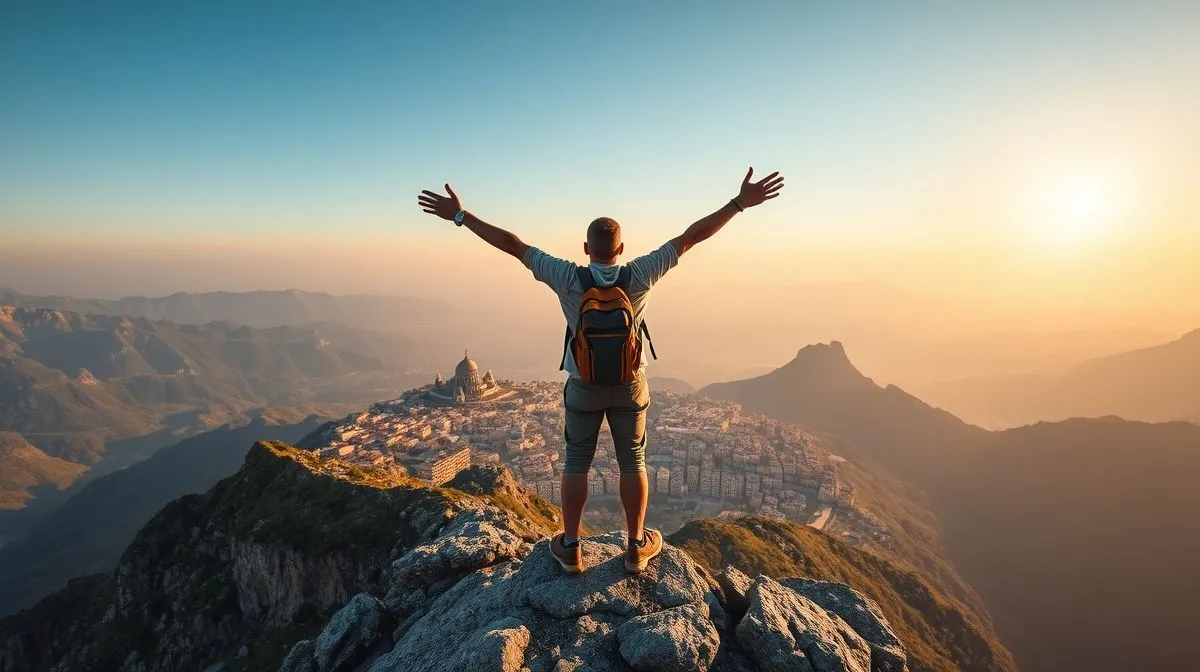
Conquering the Fear: How to Overcome Fear of Solo Exploration Abroad
Imagine standing at the edge of an ancient Roman amphitheater, the sun warming your face, or navigating the vibrant chaos of a Moroccan souk, completely immersed in the moment. For many, this is a vivid dream, yet it remains just that – a dream – because of a powerful, often paralyzing emotion: fear. The thought of embarking on a solo journey to an unknown land can conjure a storm of anxieties, from safety concerns to the daunting prospect of loneliness, locking away incredible experiences.
This internal struggle is incredibly common. The allure of solo exploration abroad is undeniable – the freedom, the self-discovery, the unadulterated adventure. Yet, the 'what ifs' loom large: What if I get lost? What if I get sick? What if I'm lonely? These questions, though valid, often amplify into insurmountable barriers, preventing countless individuals from experiencing the profound growth and joy that solo travel offers.
This comprehensive guide is designed to dismantle those fears, one by one. We will provide you with actionable strategies, psychological insights, and practical tips on how to overcome fear of solo exploration abroad, transforming apprehension into excitement and empowering you to embark on the adventure of a lifetime with confidence and peace of mind. By the end of this reading, you'll be equipped not just to dream, but to plan and execute your solo journey.
Understanding the Roots of Travel Anxiety
Before we can conquer fear, we must understand it. Travel anxiety, particularly around solo exploration, often stems from a few core psychological triggers. Recognizing these can be the first step towards dismantling their power over you.
The Unknown Factor
Humans are creatures of habit and comfort. Stepping into the unknown, especially in a foreign country where language, customs, and even basic infrastructure might be unfamiliar, triggers our primal survival instincts. Our brains perceive the unknown as a potential threat, leading to heightened anxiety. This fear is less about actual danger and more about a lack of predictability.
Safety Concerns
Media portrayals, anecdotal stories, and genuine risks contribute to legitimate safety concerns. Thoughts of theft, assault, illness, or getting stranded in an unfamiliar place are common. While some risks are inherent in travel, many are exaggerated or can be mitigated with proper planning and awareness. It's crucial to differentiate between rational concerns and irrational anxieties.
Loneliness and Isolation
The idea of being completely alone in a foreign land can be daunting. What if you don't meet anyone? What if you feel profoundly isolated? This fear often stems from a misconception that solo travel means constant solitude. In reality, solo travelers often find themselves more open to meeting new people and forming deeper connections than those traveling in groups.
Mindset Shifts: Rewiring Your Brain for Solo Adventure
Overcoming fear is as much about mental preparation as it is about practical planning. Shifting your perspective can profoundly impact your readiness for solo exploration.
Embrace Discomfort as Growth
True growth rarely happens within our comfort zones. Solo travel inherently pushes boundaries, forcing you to rely on yourself, problem-solve, and adapt. View moments of discomfort not as failures, but as opportunities for immense personal development. Each challenge overcome builds resilience and confidence, making you a stronger, more capable individual. This embrace of the unknown is key to understanding how to overcome fear of solo exploration abroad.
Trusting Your Intuition
Your gut feeling is a powerful tool, especially when traveling alone. Learn to listen to it. If a situation feels off, it probably is. This isn't about paranoia, but about developing a keen sense of awareness and trusting your internal alarm system. The more you travel, the more refined this intuition becomes.
Reframing Solo as Freedom
Instead of viewing solo travel as being 'alone,' reframe it as 'free.' Free to choose your itinerary, free to change plans on a whim, free to linger where you please, and free to truly connect with a destination on your own terms. This autonomy is one of the greatest gifts of solo exploration, allowing for an incredibly personal and authentic experience.
Practical Strategies for Building Confidence
While mindset is crucial, practical steps are equally important. These strategies will help you build confidence incrementally and systematically.
Start Small: Local Solo Trips
You don't have to jump straight into a month-long backpacking trip across Asia. Begin by taking shorter, solo day trips or weekend getaways within your own country or region. This allows you to practice navigation, dining alone, and managing your own schedule in a familiar environment. Each successful small trip builds a foundation of confidence for larger adventures.
Meticulous Planning vs. Over-Planning
Planning can be a powerful antidote to anxiety. Research your destination thoroughly: understand local customs, transportation, currency, and potential scams. Book your first night's accommodation in advance. However, avoid over-planning every single minute, which can stifle spontaneity. Leave room for serendipity, but have a solid framework. According to travel experts, a balanced approach to planning significantly reduces pre-trip anxiety.
Mastering Essential Travel Skills
- Navigation: Learn to use offline maps, understand public transport systems, and don't be afraid to ask for directions.
- Budgeting: Have a clear understanding of your finances and emergency funds.
- Basic Language Phrases: Learning a few key phrases in the local language (hello, please, thank you, help, where is?) can go a long way in building rapport and navigating situations.
- Packing Light: Less luggage means more freedom and less stress.
Leveraging Technology for Safety and Connection
Modern technology is a solo traveler's best friend. Download safety apps, share your itinerary with a trusted contact, and use GPS navigation. Stay connected with loved ones through video calls, but also know when to disconnect and be present. Consider a local SIM card or an international eSIM for reliable data access.
Navigating Safety and Security Abroad
Safety is a paramount concern for solo travelers, and rightfully so. However, with the right precautions, many risks can be minimized, making solo exploration incredibly rewarding.
Researching Destinations Thoroughly
Before you even book a flight, research the safety profile of your chosen destination. Look up crime rates, local laws, political stability, and common tourist scams. Websites like the U.S. Department of State Travel Advisories or similar government advisories from your home country provide invaluable, up-to-date information. Understanding local customs and dress codes can also help you blend in and avoid unwanted attention.
Personal Safety Protocols
Awareness is your best defense. Be mindful of your surroundings, especially in crowded areas or at night. Avoid displaying expensive items. Keep your valuables secure and out of sight. Trust your intuition – if a situation feels uncomfortable, remove yourself from it. Inform someone about your daily plans. Solo travel doesn't mean being reckless; it means being smart and prepared. For more detailed safety tips, resources like the Lonely Planet's Solo Travel Safety Tips offer excellent advice.
Emergency Preparedness
Always have copies of important documents (passport, visa, insurance) stored separately, both physically and digitally. Know the emergency numbers for your destination. Have travel insurance that covers medical emergencies, trip cancellations, and lost luggage. Register with your country's embassy or consulate abroad if possible, as they can provide assistance in a crisis.
Embracing Connection and Managing Loneliness
One of the biggest fears is being lonely. However, solo travel often presents more opportunities for genuine connection than group travel.
How to Meet Fellow Travelers
Hostels are fantastic for meeting like-minded individuals, especially those with common areas or organized activities. Join local tours or workshops (cooking classes, walking tours). Use apps like Meetup or Couchsurfing to connect with locals and other travelers. Strike up conversations in cafes, bars, or while waiting for transport. Shared experiences often lead to instant camaraderie.
Connecting with Locals
Engaging with locals offers a richer cultural experience. Learn a few phrases, try local food, visit local markets, or attend cultural events. Be respectful and open to new perspectives. Many locals are genuinely curious and welcoming to travelers who show interest in their culture. This interaction can transform a simple trip into a profound cultural immersion.
Maintaining Contact with Home
While embracing independence, it's also healthy to maintain connections with friends and family. Regular video calls or messages can alleviate feelings of isolation and provide a sense of security. Share your adventures and listen to their updates. This balance between independence and connection is key to a fulfilling solo journey.
The Transformative Power of Solo Exploration
Beyond overcoming fear, solo exploration offers unparalleled personal growth and unforgettable experiences. This is the ultimate reward for learning how to overcome fear of solo exploration abroad.
Personal Growth and Resilience
When you travel solo, you are entirely responsible for yourself. This forces you to make decisions, solve problems, and adapt to unforeseen circumstances. Each challenge overcome builds resilience, self-reliance, and a deeper understanding of your own capabilities. You return home not just with stories, but with a stronger sense of self.
Unfiltered Cultural Immersion
Without the distractions or compromises of traveling with others, you are more open to truly immersing yourself in the local culture. You observe more keenly, engage more deeply with locals, and experience the nuances of a place in a way that's often impossible in a group setting. This unfiltered experience leads to a more authentic and profound understanding of the world.
The Joy of Self-Discovery
Solo travel is an incredible journey of self-discovery. Away from the expectations and influences of your daily life, you have the space to reflect, understand your own desires, and connect with your inner self. Many solo travelers report gaining clarity on their life's path, values, and passions, making it a truly transformative experience. For insights into the psychological benefits, research on the positive impacts of travel on well-being, such as studies cited on Psychology Today, often highlights these aspects.
Common Pitfalls and How to Avoid Them
Even with preparation, some challenges can arise. Being aware of common pitfalls can help you navigate them effectively.
Over-reliance on Others
While it's great to meet people, don't become overly reliant on new acquaintances for your plans or safety. Maintain your independence and don't feel pressured to join groups if it doesn't align with your goals. Remember, this is your solo journey.
Ignoring Red Flags
Sometimes, the desire to be open and friendly can lead to ignoring subtle warning signs. If something feels off with a person or situation, trust your instincts and remove yourself. It's better to be safe than sorry.
Underestimating Preparation
While spontaneity is part of the charm, under-preparing for essential aspects like visas, vaccinations, currency, or local customs can lead to unnecessary stress and even danger. A solid foundation of research and practical planning is crucial.
Frequently Asked Questions (FAQ)
Is solo travel safe for women? Yes, absolutely. While women solo travelers should exercise extra caution and research specific destinations for safety, millions of women travel solo safely and enjoyably every year. Awareness, preparation, and trusting your intuition are key.
How do I deal with loneliness during solo travel? Loneliness can happen, but it's often fleeting. Actively seek out social opportunities like hostels, group tours, or local meetups. Embrace moments of solitude for self-reflection. Remember, it's okay to feel lonely sometimes, but it doesn't define your trip.
What if I get sick or have an emergency abroad? Have comprehensive travel insurance that covers medical emergencies and evacuation. Keep a list of emergency contacts, your embassy's number, and local emergency services. Inform a trusted person back home of your itinerary and check in regularly.
How much does solo travel cost? The cost varies wildly depending on your destination, travel style, and duration. Solo travel can sometimes be more expensive for accommodation, but you save on shared experiences and have complete control over your budget. Research average costs for your chosen destination.
What are the best destinations for first-time solo travelers? Destinations known for safety, good infrastructure, and friendly locals are ideal. Examples often include countries in Western Europe (e.g., Iceland, Ireland, Portugal), Southeast Asia (e.g., Thailand, Vietnam), or parts of Canada and Australia.
Recommended Reading
- Conquer the Open Road: Planning a Safe Solo Female Road Trip Across America
- Solo & Social: Your Guide to the Best International Festivals
- Eco-Friendly Travel: How It Impacts Local Communities Positively
- Glamping Outdoor Kitchen Setup Ideas: Create Your Dream Campsite!
- Ultimate Guide: Best Winter Sports Photography Settings
Conclusion
The journey to how to overcome fear of solo exploration abroad is not about eliminating fear entirely, but about developing the tools and mindset to manage it, transforming it from a barrier into a stepping stone. We've explored understanding the roots of anxiety, cultivating a resilient mindset, implementing practical safety measures, and embracing the profound connections and personal growth that only solo travel can offer. Your solo adventure awaits – a canvas for self-discovery, unparalleled freedom, and unforgettable memories. Take that first courageous step; the world is ready to welcome you, and you are more capable than you know.

Your email address will not be published. Required fields are marked *