

How to Pick a Beach with Crystal Clear Water? Your Ultimate Guide
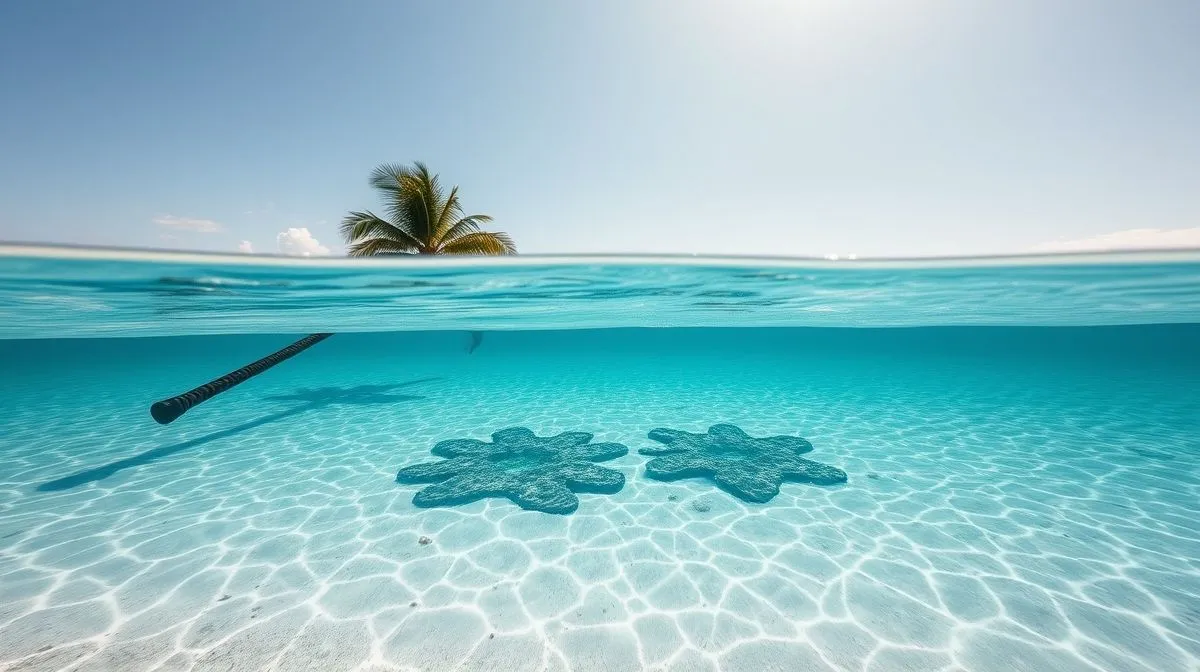
Imagine this: you arrive at a beach, the sun is warm on your skin, and before you lies an expanse of water so transparent, so impossibly blue, that you can see every ripple of sand on the seabed and every tiny fish darting through the shallows. It's the kind of picture-perfect scene that graces postcards and travel brochures, a true slice of paradise.
But how often does this idyllic vision match reality? Far too often, we arrive at a coastal destination only to find murky, sediment-laden water, a stark contrast to our expectations. The problem isn't just about aesthetics; clear water often signifies a healthier marine ecosystem, promising better snorkeling, diving, and a more enjoyable swim.
This comprehensive guide will unravel the mysteries behind water clarity, providing you with the essential knowledge and practical tips on how to pick a beach with crystal clear water, ensuring your next coastal escape is nothing short of spectacular. By the end, you'll be equipped to identify and reach those coveted pristine shores.
Understanding the Science of Clear Water
The clarity of ocean water isn't a random occurrence; it's a delicate balance of geological, biological, and environmental factors. Understanding these elements is the first step in learning how to pick a beach with crystal clear water.
Sediment and Runoff: The Unseen Culprits
One of the primary reasons for cloudy water is the presence of suspended sediments. These can be fine particles of sand, silt, or clay stirred up from the seabed by strong currents, waves, or human activity. Rivers and streams carrying sediment, pollutants, and nutrients from inland areas can also significantly reduce water clarity when they discharge into coastal waters. This is why beaches near large river mouths often have less clear water.
Agricultural runoff, urban storm drains, and industrial discharges introduce not only sediment but also nitrates and phosphates. These nutrients can fuel algal blooms, turning once-clear waters green or brown and depleting oxygen levels, which is detrimental to marine life.
Ocean Currents and Tides: Nature's Cleaners
Ocean currents play a crucial role in water clarity. Strong, consistent currents can act like a natural filtration system, constantly flushing out suspended particles and bringing in fresh, clean water from the open ocean. Conversely, stagnant bays or coves with limited water exchange tend to accumulate sediment and pollutants, leading to reduced clarity.
Tides also influence water clarity, particularly in shallower areas. Incoming tides often bring in clearer offshore water, while outgoing tides can carry sediment and debris from estuaries or shallow lagoons back out to sea. Observing tidal patterns can offer clues about the best times for swimming or snorkeling.
Marine Ecosystems: The Underwater Filters
Healthy marine ecosystems are vital for maintaining clear waters. Certain organisms, such as filter-feeding bivalves (clams, oysters) and corals, actively filter water, removing suspended particles and improving clarity. Vibrant coral reefs, for instance, are not only indicators of healthy water but also contribute to its purity.
Conversely, an imbalance in the ecosystem, such as an overpopulation of certain types of algae due to nutrient pollution, can lead to widespread algal blooms that severely diminish water transparency. According to the National Oceanic and Atmospheric Administration (NOAA), healthy seagrass beds also trap sediment and stabilize the seabed, preventing particles from being stirred up. Learn more about ocean health from NOAA.
Human Impact: Preserving Pristine Waters
Human activities profoundly impact water clarity. Construction near coastlines, dredging, and improper waste disposal can release vast amounts of sediment and pollutants into the water. Over-tourism, with increased boat traffic and human disturbance of the seabed, can also stir up sediment.
Conversely, responsible tourism and effective conservation efforts, such as marine protected areas and sustainable fishing practices, help preserve the delicate balance required for truly pristine waters. Choosing destinations committed to environmental stewardship is a step towards ensuring your experience with clear water beaches.
Key Factors to Evaluate Before You Go
Armed with an understanding of the science, let's explore practical factors you can assess before even packing your bags to find a beach with crystal clear water.
Geographic Location: Where Purity Often Resides
Certain geographic characteristics are inherently conducive to clear water. Generally, beaches on oceanic islands or those exposed to strong ocean currents tend to have clearer water than those in enclosed bays or near large continental landmasses with significant river runoff.
- Islands: Remote islands, especially those with volcanic origins or limestone geology, often boast incredible clarity due to minimal runoff and natural filtration.
- Coral Reefs: Areas with extensive coral reefs typically have clear water, as corals thrive in such conditions and contribute to the ecosystem's health.
- Absence of Large Rivers: Avoid beaches immediately downstream from major river systems, which are prone to carrying sediment and pollutants.
- Sheltered Coves vs. Open Coast: While open coasts benefit from strong flushing currents, some sheltered coves can also be incredibly clear if they have a rocky seabed and good water exchange.
Weather Patterns and Water Clarity
Weather is a significant, often overlooked, factor. A few days of calm, sunny weather can transform a moderately clear beach into a stunningly transparent one, while storms can turn even the clearest water murky.
- Wind: Strong winds can create chop, stirring up sediment from the seabed, especially in shallow areas. Look for beaches protected from prevailing winds.
- Rainfall: Heavy rainfall leads to increased runoff from land, carrying sediment and pollutants into coastal waters. Avoid visiting immediately after significant rain.
- Storms: Recent storms, even those far offshore, can generate swells that disturb the seabed and reduce clarity.
- Sunshine: Bright sunshine allows for maximum light penetration, making the water appear even more transparent and vibrant.
Time of Year: Seasonal Variations
Water clarity can vary significantly with the seasons. Factors like prevailing winds, rainfall patterns, and marine life cycles (e.g., algal blooms) are often seasonal.
Research the 'best time to visit' for your chosen destination, specifically looking for periods known for calm seas and minimal rainfall. This often coincides with the peak tourist season for a reason – the weather and water conditions are usually at their best.
Leveraging Technology and Local Knowledge
In the digital age, finding a beach with crystal clear water is easier than ever, thanks to online tools and the invaluable insights of locals.
Online Resources and Apps
Before you travel, use the internet to your advantage:
- Travel Blogs and Forums: Search for recent trip reports and photos. Look for terms like 'crystal clear,' 'snorkeling paradise,' 'glassy water.' Pay attention to the date of the posts.
- Social Media: Instagram and Pinterest can be treasure troves of recent, high-quality photos. Search hashtags like #crystalclearwater, #clearestbeaches, or specific beach names.
- Google Earth/Maps: Use satellite imagery to visually inspect the water color and seabed visibility. Light blue often indicates clear, shallow water over sand, while dark blue can be deep water or rocky areas.
- Live Webcams: Many popular beaches have live webcams. Check them in real-time to get an accurate picture of current conditions.
- Marine Forecasts: Websites providing marine forecasts often include wave height, wind speed, and sometimes even water temperature, all of which indirectly affect clarity.
Harnessing Local Wisdom
No app can replace the insights of someone who lives and breathes the local coastline.
- Ask Locals: Once you arrive, chat with hotel staff, taxi drivers, dive shop operators, or local fishermen. They know the best spots and the conditions that affect them.
- Visit Dive/Snorkel Shops: These businesses depend on clear water for their livelihood. They are an excellent source of up-to-date information on water visibility.
- Check Local Tourism Boards: Their websites or information centers might have specific details or recommendations for beaches known for their clarity.
Beyond the Surface: What to Look for On-Site
Even with all your pre-trip research, a final on-site assessment is crucial. Here's what to observe when you arrive to ensure you've found that perfect clear water beach.
Visual Cues: The Color and Transparency Test
The most obvious indicator is visual. Crystal clear water has a distinct appearance:
- Color: The water should appear vibrant, often a brilliant turquoise, sapphire blue, or emerald green, depending on the seabed and depth. Murky water tends to be dull, grey, or brown.
- Visibility: You should be able to clearly see the seabed, even at considerable depths. If you can see your toes in waist-deep water, that's a good sign.
- Reflections: On calm days, incredibly clear water will have mirror-like reflections of the sky and surrounding landscape.
Shoreline and Seabed Composition
The type of sand and seabed material significantly influences water clarity.
- White Sand: Beaches with fine, white coral sand or silica sand often have superb clarity because these particles settle quickly and don't easily suspend.
- Rocky or Pebbly Shores: Beaches with rocky or pebbly seabeds tend to have clearer water as there's less fine sediment to be stirred up.
- Seagrass Beds: While vital for ecosystems, extensive seagrass beds can sometimes reduce visibility if the water is shallow and currents are strong, stirring up detritus. However, healthy seagrass also filters water, so it's a balance.
Absence of Algae and Debris
A truly clear water beach will be free from visible signs of pollution or excessive organic matter.
- No Algal Blooms: The water should not have a greenish, brownish, or reddish tint indicating an algal bloom.
- Minimal Floating Debris: Look for a lack of plastic, litter, or excessive natural debris (like seaweed, though some natural seaweed is normal).
- Clean Foam: Natural seafoam is fine, but excessive, persistent, or discolored foam can indicate pollution.
Top Destinations Renowned for Clarity
While the goal is to equip you to find clear water anywhere, some regions are consistently lauded for their transparent seas. These are often the best places to learn how to pick a beach with crystal clear water through direct experience.
The Mediterranean's Azure Gems
The Mediterranean Sea, particularly its eastern and southern parts, is famous for its stunning clarity. Countries like Greece (e.g., Zakynthos, Crete), Croatia (e.g., Dalmatian Coast, Plitvice Lakes National Park nearby offers stunning clear waters, though not a beach, it exemplifies purity), and parts of Italy (e.g., Sardinia, Lampedusa) boast numerous beaches with incredible visibility. This is often due to rocky coastlines, minimal tidal ranges, and a lack of major rivers.
Caribbean's Turquoise Paradises
The Caribbean is synonymous with turquoise waters. Islands like the Maldives, Turks and Caicos, and parts of the Bahamas consistently top lists for their unparalleled clarity. The shallow, sandy seabeds, vibrant coral reefs, and open ocean currents contribute to this phenomenon, making them prime examples of where to find crystal clear water beaches.
Southeast Asia's Hidden Sanctuaries
Many destinations in Southeast Asia, particularly Thailand (e.g., Phi Phi Islands, Similan Islands), the Philippines (e.g., Palawan, Boracay's White Beach), and parts of Indonesia (e.g., Raja Ampat, Gili Islands), offer breathtakingly clear waters. These regions benefit from diverse marine ecosystems and stunning limestone karsts that protect coves from sediment.
Sustainable Practices for Preserving Clear Waters
Finding a beach with crystal clear water is a privilege, and it comes with a responsibility. Our actions as visitors directly impact the health and clarity of these precious marine environments.
Leave No Trace Principles
Adhering to Leave No Trace principles is paramount:
- Pack It In, Pack It Out: Take all your trash with you, including cigarette butts and organic waste.
- Respect Marine Life: Do not touch, disturb, or collect marine organisms, including corals. Use reef-safe sunscreen.
- Stay on Designated Paths: Avoid trampling vegetation or disturbing sensitive coastal habitats.
- Anchor Responsibly: If boating, use mooring buoys or anchor in sandy areas away from coral reefs.
Support Local Conservation Efforts
Many organizations work tirelessly to protect coastal ecosystems. Consider supporting them:
- Choose Eco-Friendly Operators: Opt for tour operators and accommodations that prioritize sustainability.
- Volunteer: Participate in beach clean-ups or marine conservation projects.
- Educate Others: Share your knowledge about responsible beach practices with friends and family.
By being a responsible traveler, you contribute to the longevity of these beautiful clear water beaches for future generations. For more information on marine conservation, consider resources like the Marine Conservation Institute: Visit Marine Conservation Institute.
Frequently Asked Questions (FAQ)
What makes some beach waters clearer than others? Water clarity is influenced by a combination of factors including sediment levels, ocean currents, the presence of healthy marine ecosystems (like corals and seagrass), and human impact such as pollution and runoff. Less sediment, strong flushing currents, and healthy marine life contribute to clearer water.
Can weather affect water clarity? Absolutely. Strong winds can stir up sediment, heavy rainfall increases land runoff, and recent storms can generate swells that reduce clarity. Calm, sunny weather generally leads to the clearest conditions.
Are all clear water beaches good for snorkeling? While clear water is essential for good snorkeling visibility, a beach also needs interesting marine life and formations (like coral reefs or rocky areas) to be a truly good snorkeling spot. Some clear water beaches might have vast sandy bottoms with less marine diversity.
How can I tell if a beach has clear water from photos? Look for photos where the seabed is clearly visible, even in deeper areas. The water color should appear vibrant (turquoise, sapphire), and reflections on the surface should be sharp. Avoid photos taken after rain or during very windy conditions.
What role do tides play in water clarity? Tides can influence clarity, especially in shallow areas. Incoming tides often bring in clearer offshore water, while outgoing tides can carry sediment from estuaries or lagoons. The best time to visit for clarity might be around high tide in some locations.
Recommended Reading
- Best Time for Caribbean Ocean Cruises? Unveiling the Perfect Season
- Unlock True Impact: What's the Difference Between Volunteer & Social Travel?
- Europe on a Shoestring: Family Travel Tips That Won't Break the Bank
- Uncover Your True Self: The Power of Solo Mindful Trips for Deepening Self-Awareness
- Stop Scams: Your Ultimate Guide to Preventing Eco Volunteer Travel Scams
Conclusion
The quest for a beach with crystal clear water is more than just a search for beauty; it's a journey into understanding the intricate balance of our natural world. By comprehending the scientific factors that influence clarity, leveraging modern tools, trusting local insights, and making responsible choices, you are now equipped to consistently find those elusive, pristine shores. Remember, the clearest waters are often a sign of a healthy ecosystem, a treasure worth protecting. Go forth, explore, and dive into the breathtaking transparency that awaits you.



Your email address will not be published. Required fields are marked *