

How to Pick a Gourmet Cruise for Dietary Needs?
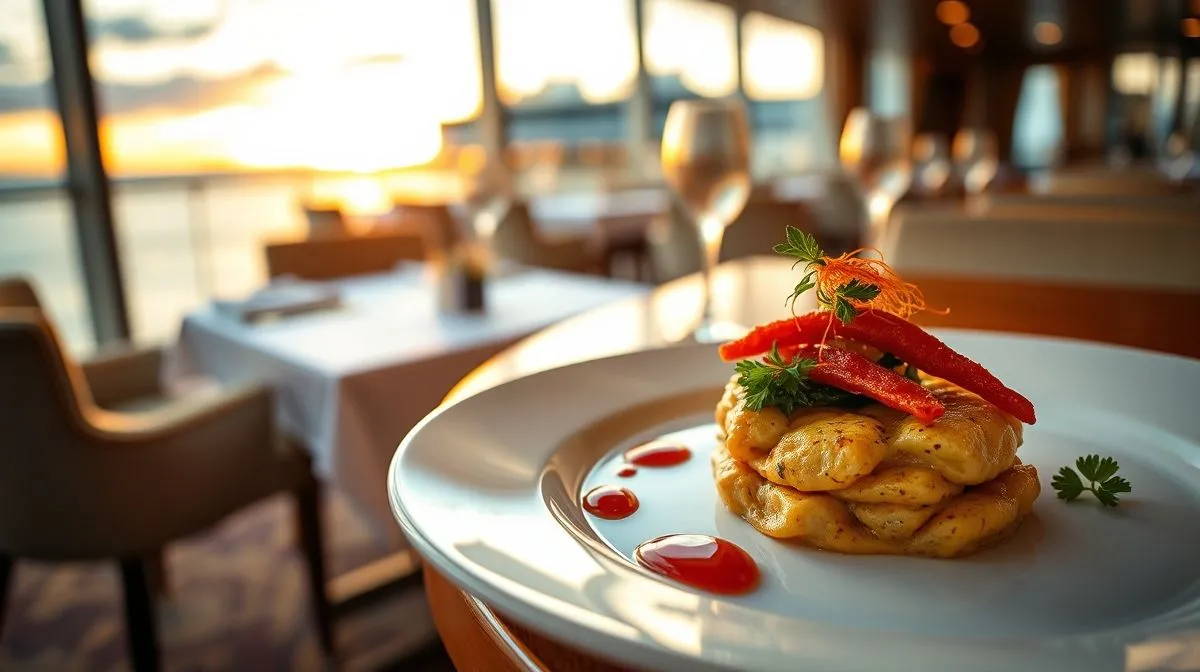
Imagine this: you’re on a luxurious cruise, the sun is setting over the ocean, and a five-star gourmet meal is placed before you. But instead of savoring every bite, a wave of anxiety washes over you. Is it safe? Does it contain that one ingredient you absolutely cannot have? For many, the dream of a gourmet cruise clashes with the reality of managing dietary restrictions, turning a potential paradise into a culinary minefield.
This common dilemma often leads individuals with specific food requirements—be it allergies, intolerances, or ethical choices like veganism—to shy away from the unparalleled indulgence of a gourmet cruise. The fear of cross-contamination, limited options, or simply being misunderstood by the kitchen staff can overshadow the allure of world-class dining at sea. It's a significant barrier for those who want to experience luxury travel without compromising their health or principles.
But what if there was a way to navigate these waters with confidence? This comprehensive guide will equip you with the knowledge and strategies to ensure your next gourmet cruise is not just delicious, but also completely safe and tailored to your specific dietary needs. By the end of this article, you'll know exactly how to pick a gourmet cruise for dietary needs, transforming potential stress into pure culinary bliss.
Understanding Your Dietary Needs and Cruise Line Policies
Before you even begin browsing cruise brochures, the first crucial step is to have a crystal-clear understanding of your own dietary requirements. This goes beyond simply knowing you're 'gluten-free' or 'lactose intolerant'. Precision is paramount when communicating with cruise lines.
Defining Your Specific Requirements
- Food Allergies: These are severe, potentially life-threatening reactions. Common examples include peanuts, tree nuts, shellfish, dairy, eggs, soy, wheat, and fish. You need to know not just the allergen, but also the severity of your reaction and if cross-contamination is a concern.
- Food Intolerances: These are typically less severe, causing digestive discomfort rather than an immune response. Lactose intolerance, FODMAP sensitivities, and certain food chemical sensitivities fall into this category.
- Dietary Preferences/Lifestyles: This includes vegetarian, vegan, pescatarian, kosher, halal, low-carb, keto, or specific cultural diets. While not health-critical, these are equally important for a satisfying cruise experience.
Initial Research into Cruise Line Philosophies
Every cruise line has a different approach to dietary accommodations. Some are renowned for their flexibility and extensive options, while others may offer more limited choices. It's vital to identify lines that prioritize guest well-being and culinary inclusivity from the outset.
- Check Official Websites: Look for dedicated sections on 'Special Dietary Needs' or 'Food Allergies'. These often outline their policies, procedures, and the types of diets they can accommodate.
- Read Guest Reviews: Seek out reviews from other travelers with similar dietary needs. Their firsthand experiences can provide invaluable insights into a cruise line's actual performance versus its stated policy.
- Contact Customer Service: A preliminary call or email to the cruise line's customer service can reveal a lot about their responsiveness and willingness to engage on specific dietary concerns.
Researching Cruise Lines: What to Look For
Not all gourmet cruises are created equal when it comes to catering to diverse dietary needs. Identifying the right cruise line is perhaps the most critical decision in your planning process.
Reputation for Dietary Accommodations
Some cruise lines have built a strong reputation for their exceptional handling of special diets. Luxury lines often excel in this area due to their personalized service model. Look for cruise lines that:
- Explicitly state their ability to handle a wide range of dietary needs.
- Have dedicated culinary teams or chefs specializing in allergen-free cooking.
- Offer pre-cruise dietary forms or direct contact with their culinary department.
Dedicated Culinary Programs and Staff
The presence of specialized staff is a strong indicator of a cruise line's commitment. Inquire about:
- Allergen Training: Do kitchen staff, waitstaff, and even management undergo regular training on food allergies and cross-contamination prevention?
- Dedicated Kitchen Areas: While rare, some ships might have separate preparation areas for allergen-free meals. Even if not, strict protocols for cleaning and utensil segregation are crucial.
- Executive Chef Involvement: On many luxury cruises, the Executive Chef or Head Chef will personally meet with guests to discuss their dietary needs, ensuring a bespoke dining experience. This level of attention is highly desirable.
Pre-Cruise Communication: Your Most Powerful Tool
Proactive and detailed communication before your cruise is the single most effective way to ensure your dietary needs are met seamlessly. Do not wait until you are onboard.
Early Notification is Key
As soon as you book your cruise, or even before, inform the cruise line about your dietary requirements. Most cruise lines recommend notifying them at least 45-60 days prior to sailing, with some even requiring 90 days for complex needs or kosher meals.
- Booking Agent: Inform your travel agent or the cruise line directly when booking.
- Online Forms: Many cruise lines have dedicated online forms for dietary requests on their guest portals. Fill these out completely and accurately.
- Direct Email/Call to Special Needs Department: Follow up with a direct email or call to their special needs or culinary department. This creates a paper trail and ensures your request is noted by the relevant team.
What to Communicate
Be specific, clear, and concise. Provide all necessary details:
- List All Allergens/Intolerances: Be exhaustive. For example, 'gluten (celiac disease, strict avoidance required)', 'dairy (severe allergy, anaphylaxis risk)', 'peanut and tree nut (all types, severe allergy)'.
- Severity of Reaction: Indicate if it's life-threatening (allergy) or causes discomfort (intolerance).
- Cross-Contamination Concerns: Explicitly state if avoiding cross-contamination is critical.
- Preferred Alternatives: If you have specific preferences (e.g., 'prefer gluten-free pasta' instead of just 'no gluten'), mention them.
- Emergency Plan: For severe allergies, briefly mention you carry an EpiPen or other medication.
According to the Food Allergy Research & Education (FARE), clear communication is paramount for safety, and this principle extends to the unique environment of a cruise ship.
Onboard Dining: Navigating Menus and Buffets
Once onboard, your pre-cruise communication should pave the way for a smooth dining experience. However, vigilance and continued communication are still essential, especially in the diverse settings of a gourmet cruise.
Main Dining Room Strategies
This is where your pre-planning truly pays off. Upon arrival, or during your first meal:
- Identify Your Point Person: Often, your head waiter or a dedicated chef will be assigned to manage your dietary needs. Introduce yourself and confirm your requirements.
- Pre-Order Meals: Many cruise lines will have you pre-order your meals for the next day, often with the head chef, allowing them to prepare your dishes separately and safely.
- Menu Review: Your waiter should guide you through the menu, highlighting safe options or suggesting modifications. Don't hesitate to ask questions.
Conquering the Buffet
Buffets can be the trickiest environment for dietary restrictions due to the high risk of cross-contamination. Proceed with caution:
- Speak to a Chef/Supervisor: Always ask to speak with a chef or a senior member of the buffet staff before serving yourself. They can guide you to safe options, often bring fresh portions from the kitchen, or even prepare a special plate for you.
- Observe and Ask: Watch for shared serving utensils. If in doubt, ask for a fresh utensil or skip the item.
- Prioritize Packaged Items: If available, opt for individually packaged items like yogurts, cereals, or condiments, as these pose less risk.
Beyond the Main Dining Room: Specialty Restaurants & Room Service
Gourmet cruises are celebrated for their diverse dining venues. Don't let dietary needs limit your exploration of these culinary gems.
Specialty Restaurants
These are often the highlights of a gourmet cruise, offering unique cuisines and elevated dining experiences. When booking:
- Inform When Reserving: Reiterate your dietary needs when making reservations. The maître d' or restaurant manager will typically be informed.
- Chef Consultation: Expect a chef or manager to visit your table to discuss your meal options. They may even create a custom tasting menu for you.
- Review Menus Online: If possible, review specialty restaurant menus online beforehand to get a sense of their offerings and identify potential challenges or opportunities.
Room Service and Casual Dining
Even for less formal options, communication remains key:
- Room Service: When ordering, clearly state your dietary requirements. Some cruise lines have specific allergen menus for room service. Confirm with the person taking your order.
- Cafes and Grills: For casual eateries, always speak to a staff member. Don't assume an item is safe just because it appears simple. For example, fries might be cooked in shared oil with battered items.
Essential Questions to Ask Before Booking
To truly ensure you pick a gourmet cruise for dietary needs that aligns with your expectations, arm yourself with specific questions before committing.
- What is your specific protocol for handling [my allergy/intolerance]? This probes beyond generic statements.
- Will I be able to pre-order my meals in the main dining room? This is a sign of proactive service.
- Do you have a dedicated chef or team for special dietary needs?
- How do you prevent cross-contamination in your kitchens and serving areas?
- Can I speak directly with the Executive Chef or a dietary specialist before my cruise?
- Are specialty restaurants as accommodating as the main dining room?
- What options are available for shore excursions or private dining experiences?
- Do you offer allergen-free snacks or packaged items in cabins or lounges?
A cruise line that can answer these questions confidently and provide clear, detailed information is likely a good fit. For further guidance on travel with food allergies, consider resources like the CDC's food allergy guidelines.
The Benefits of a Well-Chosen Gourmet Cruise
When you successfully pick a gourmet cruise for dietary needs, the rewards are immense. It transforms what could be a source of anxiety into an experience of unparalleled comfort and delight.
Culinary Exploration Without Compromise
Imagine savoring exquisitely prepared dishes that are not only safe but also specifically crafted to your palate. Many cruise chefs view dietary restrictions as an exciting challenge, leading to innovative and delicious creations you might not encounter elsewhere. You can indulge in multi-course meals, knowing every ingredient has been carefully considered.
Peace of Mind and Relaxation
The greatest benefit is the freedom from constant worry. Not having to scrutinize every menu item or interrogate every server allows you to truly relax and immerse yourself in the luxury and beauty of your journey. This peace of mind is invaluable, especially on a vacation designed for relaxation.
Personalized Service and Attention
On a gourmet cruise, especially luxury lines, the staff-to-guest ratio is often higher, leading to more personalized service. Chefs and waitstaff become familiar with your needs, often remembering your preferences and even anticipating your requests. This level of bespoke attention elevates the entire dining experience, making you feel truly valued and cared for.
Avoiding Common Pitfalls and Ensuring a Smooth Voyage
Even with careful planning, some common mistakes can derail your experience. Being aware of these can help you avoid them.
Don't Rely Solely on Online Menus
While helpful for research, online menus are subject to change. Always confirm options with the onboard staff, as ingredients or preparations might differ from what was published months ago.
Avoid Last-Minute Notifications
As stressed, early communication is paramount. Arriving at embarkation day with a new, undisclosed dietary restriction puts immense pressure on the kitchen and risks compromising your safety and satisfaction.
Be Clear, But Not Demanding
Communicate your needs firmly and clearly, but always with politeness and appreciation. A collaborative approach fosters a better relationship with the culinary team, who are working hard to accommodate you.
Always Double-Check, Even with Familiar Staff
Even if a waiter seems to know your needs, a quick, polite confirmation like, "Just to confirm, this dish is gluten-free, correct?" is always a good practice, especially if a different staff member brings the dish.
Pack Emergency Supplies
For severe allergies, always carry your necessary medications (e.g., EpiPens, antihistamines) and a small supply of safe, non-perishable snacks. This is a crucial safety net for travel, as advised by travel health organizations.
Frequently Asked Questions (FAQ)
Can cruise lines accommodate very rare food allergies or complex dietary needs? While major allergies are common, very rare or complex needs require extensive pre-cruise communication. Some lines may be able to, but it depends on the specific need and the cruise line's capabilities. Always contact them directly and be prepared for potential limitations.
Is it better to choose a smaller, luxury cruise line for dietary accommodations? Generally, yes. Smaller, luxury lines often offer more personalized service and a higher staff-to-guest ratio, which makes tailored dietary accommodations easier to manage and execute effectively. They prioritize bespoke experiences.
What if I have an allergic reaction onboard? All cruise ships have medical facilities and trained medical staff. Immediately inform a crew member or go to the medical center if you experience an allergic reaction. Always carry your prescribed emergency medications with you.
Are there extra costs for special dietary meals on a gourmet cruise? Typically, no. Accommodating common dietary restrictions (like gluten-free, vegan) is usually included in your cruise fare. However, if you require very specific, rare, or unusually expensive ingredients, there might be an additional charge, but this is rare and would be communicated upfront.
Recommended Reading
- Glamping for Nature Immersion: Unlock the Benefits Now!
- The Ultimate Guide: How to Choose Ethical Nature Reserve Eco Tours Responsibly
- Best Cruise for Toddlers with Food Allergies: Safe Sailing Guide
- Baggage Fees on Budget Airlines in Europe: How to Fly Cheap!
- Unlock Winter Fun: Your Guide to Non-Skiing Destinations
Conclusion
Embarking on a gourmet cruise, even with specific dietary needs, doesn't have to be a daunting prospect. By understanding your requirements, meticulously researching cruise lines, engaging in proactive and detailed pre-cruise communication, and remaining vigilant yet appreciative onboard, you can transform your culinary journey into an exquisite, worry-free experience. The key to successfully navigating these waters and truly enjoying the luxury and flavors of the sea lies in empowerment through information and diligent preparation. So, go ahead and confidently pick a gourmet cruise for dietary needs that promises not just incredible destinations, but also an unforgettable and safe culinary adventure tailored just for you.





Your email address will not be published. Required fields are marked *