

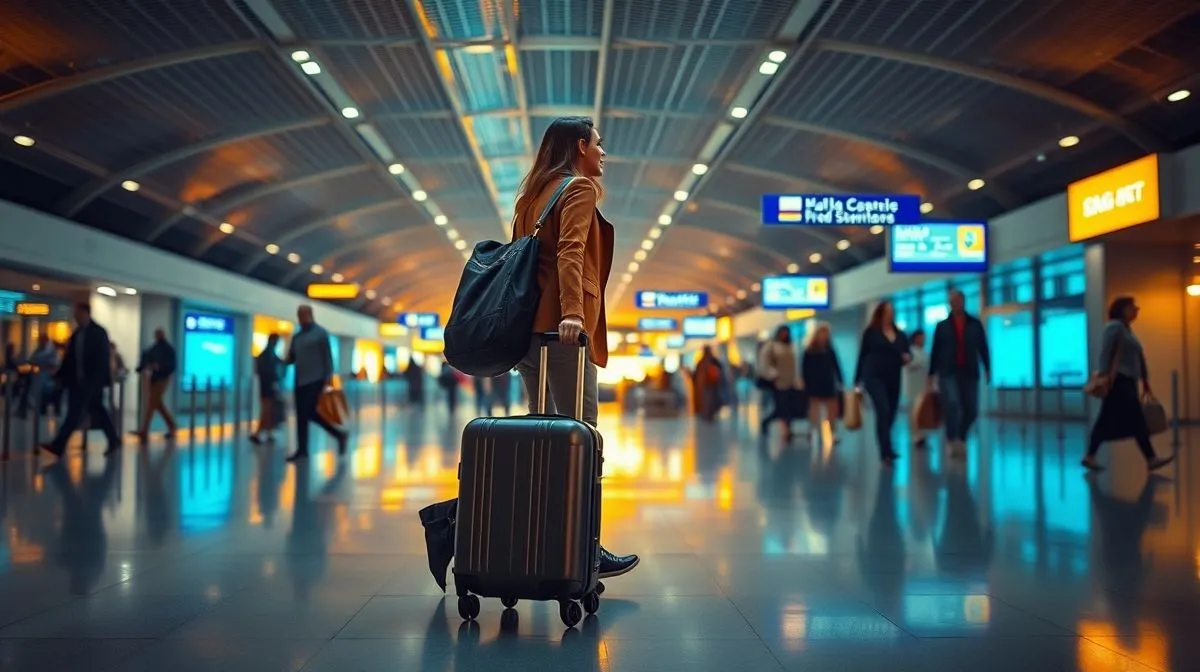
Finding the Cheapest Baggage Fees on Budget Airlines in Europe
Ever booked what seemed like an unbelievably cheap flight to Europe, only to be blindsided by exorbitant baggage fees? It's a common frustration for budget travelers. You envision yourself sipping espresso in Rome or exploring the Scottish Highlands, but the reality of airline baggage policies can quickly deflate your travel dreams.
Many budget airlines in Europe lure you in with incredibly low base fares, but they make up for it by charging hefty fees for everything from seat selection to, you guessed it, baggage. Understanding these fees is crucial to truly traveling on a budget.
In this guide, we'll unravel the complexities of baggage fees on Europe's most popular budget airlines. You'll learn how to navigate their often confusing policies, compare costs, and, most importantly, discover strategies to minimize or even avoid those dreaded baggage fees. By the end, you'll be equipped to fly smarter and keep more money in your pocket for enjoying your European adventure.
Understanding the Budget Airline Baggage Game
The Rise of Unbundled Fares
Budget airlines, also known as low-cost carriers (LCCs), revolutionized air travel by introducing unbundled fares. This means the base fare only covers the cost of transporting you from point A to point B. Everything else – baggage, seat selection, meals, even printing your boarding pass at the airport – comes at an extra cost. This allows them to advertise incredibly low fares, attracting price-sensitive travelers.
The key to winning this game is understanding what's included in the base fare and what isn't. Always read the fine print and be prepared to pay extra for any services you require.
Why Baggage Fees Are So High
Baggage fees are a significant revenue stream for budget airlines. They're a way to compensate for the low base fares and maintain profitability. According to a report by Transport & Environment, ancillary revenues, including baggage fees, contribute significantly to the bottom line of many European airlines.
The fees are also designed to incentivize passengers to travel lighter, reducing the overall weight of the aircraft and saving on fuel costs. This contributes to the airline's operational efficiency and environmental footprint, although the primary motivation is undoubtedly profit.
Comparing Baggage Fees: Ryanair, easyJet, and Wizz Air
Ryanair's Baggage Policy: A Detailed Look
Ryanair, one of Europe's largest budget airlines, has a notoriously strict baggage policy. Passengers are generally allowed one small personal item (e.g., a handbag or small backpack) that fits under the seat in front of them. If you want to bring a larger carry-on bag or check luggage, you'll need to pay extra.
- Small Personal Item: Free (size restrictions apply).
- Priority & 2 Cabin Bags: Allows you to bring a small personal item plus a larger cabin bag (10kg) onboard. Fees vary depending on the route and time of booking.
- Checked Baggage: Fees vary significantly depending on the weight (10kg or 20kg), route, and time of booking. Booking online is almost always cheaper than paying at the airport.
Important Tip: Ryanair's baggage fees can fluctuate dramatically. Booking your baggage allowance online, well in advance of your flight, is almost always the cheapest option. Paying at the airport can be significantly more expensive.
easyJet's Baggage Policy: What to Expect
easyJet's baggage policy is slightly more generous than Ryanair's. All passengers are allowed one small cabin bag (e.g., a handbag or laptop bag) that fits under the seat in front of them. However, like Ryanair, if you want to bring a larger cabin bag or check luggage, you'll need to pay extra.
- Small Cabin Bag: Free (size restrictions apply).
- Large Cabin Bag: Can be added to your booking for a fee. Size and weight restrictions apply.
- Checked Baggage: Fees vary depending on the weight (up to 23kg) and route. Booking online is cheaper than paying at the airport.
Key Difference: easyJet's 'Hands Free' option allows you to check your larger cabin bag at the gate for a fee, ensuring it's safely stowed in the hold. This can be a convenient option if you want to avoid the hassle of carrying your bag onboard.
Wizz Air's Baggage Policy: Navigating the Options
Wizz Air, another popular budget airline in Europe, has a similar baggage policy to Ryanair and easyJet. Passengers are allowed one small personal item free of charge, but must pay for larger cabin bags and checked luggage.
- Small Personal Item: Free (size restrictions apply).
- WIZZ Priority: Allows you to bring a small personal item plus a larger cabin bag (10kg) onboard.
- Checked Baggage: Fees vary depending on the weight (10kg, 20kg, or 32kg), route, and time of booking.
Wizz Air Flex: Consider purchasing Wizz Air Flex, which allows you to change your flight date and time, and add checked baggage, up to 3 hours before departure. This can be a useful option if your travel plans are uncertain.
Strategies to Avoid or Minimize Baggage Fees
Travel Light: The Art of Packing Efficiently
The most effective way to avoid baggage fees is to travel light. This requires careful planning and strategic packing. Consider these tips:
- Plan your outfits: Choose versatile clothing items that can be mixed and matched to create multiple outfits.
- Roll your clothes: Rolling clothes saves space compared to folding them.
- Use packing cubes: Packing cubes help compress your clothes and keep your luggage organized.
- Wear your bulkiest items: Wear your heaviest shoes, jacket, and sweater on the plane to save space in your luggage.
- Utilize travel-sized toiletries: Purchase travel-sized toiletries or transfer your favorite products into smaller containers.
Mastering the art of minimalist packing can significantly reduce your baggage fees and make your travel experience more enjoyable. Resources like Rick Steves' packing tips offer excellent guidance on this.
Utilize Free Personal Item Allowance
Make the most of the free personal item allowance offered by most budget airlines. Choose a backpack or large handbag that meets the size restrictions and pack it strategically with essential items.
Think about items like:
- Electronics (phone, tablet, laptop)
- Books or magazines
- Snacks and drinks
- Medications
- A change of clothes (in case of lost luggage)
By maximizing the space in your personal item, you can avoid the need to pay for a larger cabin bag.
Consider Shipping Your Luggage
If you're traveling for an extended period or have a lot of luggage, consider shipping your belongings to your destination. This can be a cost-effective alternative to paying exorbitant baggage fees, especially for longer trips. Companies like Eurosender offer international shipping services at competitive rates.
Shipping your luggage can also save you the hassle of lugging heavy bags through airports and train stations, making your travel experience more comfortable.
Airline Credit Cards and Loyalty Programs
Some airline credit cards offer perks such as free checked baggage or priority boarding, which includes a free cabin bag. If you travel frequently with a particular airline, consider signing up for their loyalty program and earning points towards free baggage allowance or other benefits.
Carefully evaluate the annual fee and benefits of the credit card to ensure it aligns with your travel habits and provides good value.
Hidden Costs and How to Avoid Them
Paying at the Airport: The Most Expensive Option
Paying for baggage at the airport is almost always the most expensive option. Budget airlines typically charge significantly higher fees for baggage purchased at the airport check-in desk or gate. Always book your baggage allowance online, well in advance of your flight, to save money.
Additionally, make sure your luggage meets the size and weight restrictions. Oversized or overweight bags will incur additional fees, often at a premium rate.
Size and Weight Restrictions: Know the Rules
Each budget airline has specific size and weight restrictions for cabin bags and checked luggage. These restrictions are strictly enforced, and exceeding them can result in hefty fees.
Before your flight, carefully measure and weigh your luggage to ensure it complies with the airline's requirements. Use a luggage scale to avoid surprises at the airport.
The Importance of Booking in Advance
As mentioned earlier, booking your baggage allowance in advance is crucial to saving money. Budget airlines often offer lower fees for baggage purchased online, weeks or even months before your flight.
Procrastinating and waiting until the last minute to book your baggage allowance can result in significantly higher fees.
Frequently Asked Questions (FAQ)
What happens if my carry-on bag is too big? If your carry-on bag exceeds the airline's size restrictions, you will likely be required to check it and pay the applicable checked baggage fee.
Can I bring food on a budget airline? Yes, you can usually bring food on a budget airline. However, you may be restricted from bringing liquids exceeding 100ml through security.
Is it cheaper to pay for baggage online or at the airport? It is almost always cheaper to pay for baggage online, well in advance of your flight.
What is the maximum weight for checked baggage on most budget airlines? The maximum weight for checked baggage typically ranges from 20kg to 23kg, depending on the airline and the fare you purchased.
Do baggage fees apply to connecting flights? Baggage fees typically apply to each leg of your journey, so if you have connecting flights, you may need to pay baggage fees for each flight.
Recommended Reading
- Amalfi Coast's Best Michelin Restaurants: Your Exclusive Culinary Guide
- Skydiving Risks: First Time Jumpers' Safety Guide Revealed!
- Dog Sledding Gear: Conquer Sub-Zero Temps Like a Pro!
- Ultimate Guide: Best Luxury Hotel Amenities for Total Relaxation
- High-Speed Rail Europe: Pro Travel Tips for Seamless Journeys
Conclusion
Navigating the world of cheapest baggage fees budget airlines Europe can feel like a daunting task, but with a little planning and knowledge, you can avoid those unexpected costs and travel smarter. Remember to pack light, utilize your free personal item allowance, book your baggage allowance in advance, and be aware of the size and weight restrictions. By following these tips, you'll be well on your way to enjoying a budget-friendly European adventure without breaking the bank. According to a study by European Commission, transparency in airline pricing is crucial for consumer protection. So, be an informed traveler and enjoy the journey!





Your email address will not be published. Required fields are marked *