

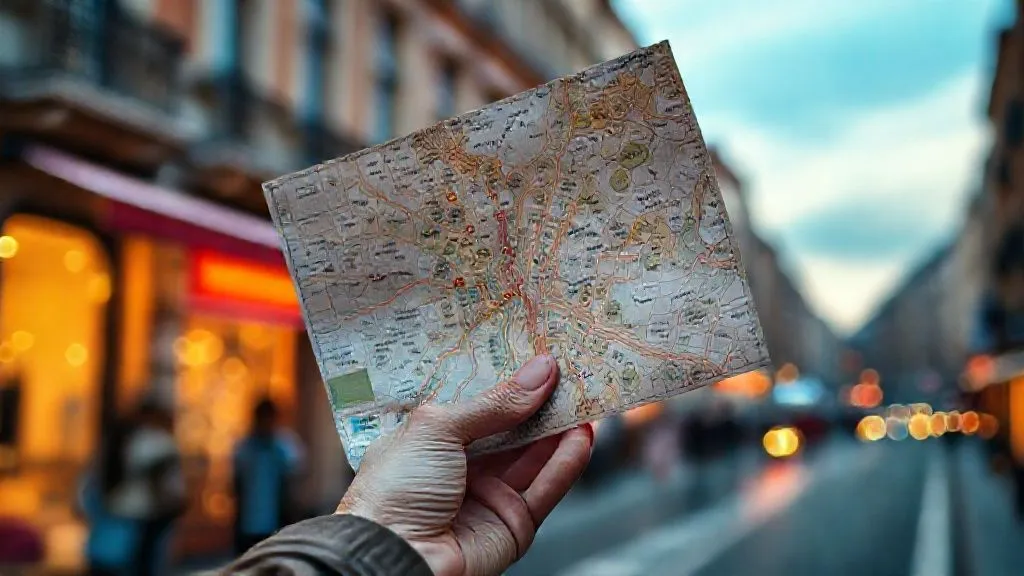
How to Plan an Enriching 48-Hour Urban Adventure Without Burnout
For over 15 years in the travel industry, specializing in city breaks, I've witnessed a common, disheartening scenario: eager travelers arrive in a vibrant city with grand plans, only to leave two days later feeling more exhausted than enriched. They've rushed from one landmark to another, ticking boxes, but missing the true pulse of the place.
The allure of a 48-hour urban adventure is undeniable – a quick escape, a burst of culture, a change of scenery. Yet, the condensed timeframe often leads to over-scheduling, decision fatigue, and ultimately, burnout. It's a paradox: we seek rejuvenation, but often create a mini-marathon instead, leaving us feeling like we need another vacation to recover from our vacation.
But what if I told you there's a proven framework to transform these short trips into deeply satisfying, memorable experiences, free from the typical exhaustion? In this definitive guide, I'll share my expert insights, actionable strategies, and a unique approach to help you plan an enriching 48-hour urban adventure without burnout, ensuring you return home inspired, not depleted.
The Core Philosophy: Intentionality Over Intensity
The biggest mistake I see travelers make is equating 'more' with 'better' when it comes to a limited timeframe. A truly enriching urban adventure isn't about how many sights you can cram in, but how deeply you engage with the few you choose. This shift in mindset, from intense cramming to intentional exploration, is foundational.
Defining Your Urban Adventure 'Why'
Before you even open a map, ask yourself: Why this city? What specific experience or feeling am I seeking? Is it the art scene of Florence, the culinary delights of Lyon, the historical depth of Rome, or the vibrant street art of Berlin? Identifying your primary motivation allows you to filter out distractions and focus your energy effectively.
The "Less Is More" Mindset for City Breaks
Embrace the concept that fewer, more meaningful experiences will yield greater satisfaction. Instead of listing 20 must-sees, select 3-5 core experiences that align with your 'why'. This isn't about missing out; it's about choosing to truly *experience* what you choose, rather than just seeing it.
Expert Insight: "The most profound travel moments often happen in the quiet spaces between the major attractions – a chance encounter, a serendipitous discovery, a moment of peaceful observation. Don't overschedule away these opportunities."

Pre-Trip Blueprint: Strategic Planning for Peak Enjoyment
Effective planning is the bedrock of a successful, burnout-free city break. It’s not about rigid adherence, but about creating a flexible structure that allows for spontaneity while minimizing stress. This is where your inner strategist comes out, ensuring every hour counts, but not at the expense of your well-being.
Research Beyond the Tourist Traps
While iconic landmarks have their place, truly enriching experiences often lie slightly off the beaten path. Spend time researching local markets, lesser-known museums, neighborhood cafes, or unique cultural events happening during your visit. Websites like Atlas Obscura or local city blogs can be invaluable resources for uncovering these hidden gems.
Logistics: Accommodations, Transport, and Timing
Optimize your practicalities. Choose accommodation that is centrally located or well-connected by public transport to your key areas of interest. Pre-book airport transfers or understand the public transport options. Research opening hours and popular times for attractions to avoid peak crowds. A little foresight here saves significant time and frustration on the ground.
Crafting a Flexible Itinerary (The 60/40 Rule)
I always advocate for the 60/40 rule: plan 60% of your time with specific activities, and leave 40% open for spontaneous exploration, rest, or unexpected discoveries. This balance prevents over-scheduling while still providing a framework. Your itinerary should be a guide, not a dictator.
- Identify Your Must-Dos: Select 1-2 major attractions or experiences per day that are non-negotiable.
- Group Geographically: Cluster activities that are close to each other to minimize travel time.
- Factor in Travel Time: Always add buffer time for getting from one place to another, including waiting for public transport or walking.
- Schedule Downtime: Intentionally block out periods for coffee breaks, leisurely meals, or simply sitting in a park.
- Leave Room for Spontaneity: Resist the urge to fill every single slot. The best stories often come from the unplanned moments.
Curating Your Urban Experience: Themes and Deep Dives
Instead of a scattergun approach, consider giving your 48-hour adventure a loose theme. This provides focus and depth, allowing you to immerse yourself more fully in a particular aspect of the city, which is key to an enriching experience without feeling overwhelmed.
Embrace a Niche: Foodie, Art, History, or Green Spaces?
Are you a history buff eager to explore ancient ruins and museums? A food lover keen on culinary tours and local eateries? An art enthusiast wanting to soak in galleries and street art? Or perhaps you seek tranquility in urban parks and gardens? Choosing a theme helps you narrow down options and create a cohesive journey.
The Power of the 'Anchor Activity'
For each day, select one 'anchor activity' – a major experience around which you build the rest of your day. This could be a specific museum visit, a cooking class, a guided walking tour, or a theater performance. Having one main focal point helps structure your day without making it feel packed.
| Theme | Anchor Activity | Supporting Activities |
|---|---|---|
| Culinary Explorer | Local Food Tour | Market visit, cafe hopping, cooking class |
| Art & Culture Immersion | Major Art Museum | Street art walk, gallery visits, independent cinema |
| Historical Deep Dive | Ancient Landmark & Museum | Guided historical walk, architectural tour, themed exhibition |
| Urban Oasis Seeker | Botanical Garden/Large Park | Riverside walk, picnic, quiet neighborhood exploration |
Mastering the Art of Pacing: Energy Management on the Go
This is arguably the most critical element in avoiding burnout. A city break isn't a race; it's an exploration. Managing your physical and mental energy levels is paramount to ensuring you enjoy every moment and return home refreshed.
Scheduled Downtime: Your Secret Weapon Against Burnout
I cannot emphasize this enough: build in deliberate breaks. This means sitting down for a proper coffee or tea, lingering over a meal, finding a park bench to people-watch, or even returning to your accommodation for a short rest. These pauses recharge your batteries and allow experiences to truly sink in. According to a study published in the Journal of Consumer Research, planned breaks during leisure activities can significantly enhance overall enjoyment and memory retention.
Mindful Movement: Walking, Cycling, and Public Transport
Embrace walking as much as possible; it's the best way to discover a city's nuances. Consider renting a bike for a few hours if the city is bike-friendly. When distances are too great, utilize public transport – it's often efficient, cost-effective, and offers a glimpse into local daily life. Avoid relying solely on taxis or ride-shares, which can isolate you from the urban fabric.
The Importance of Nourishment: Fueling Your Exploration
Don't skip meals or rely on unhealthy snacks. Plan for balanced meals, stay hydrated, and carry a water bottle. Explore local cafes and restaurants, seeing meals as part of the cultural experience rather than just fuel stops. A well-fed body and mind are essential for sustained energy and enjoyment.
Unlocking Local Secrets: Beyond the Guidebook
To truly enrich your urban adventure, you need to move beyond the well-trodden tourist paths and engage with the city on a more local level. This requires a bit of curiosity and an openness to serendipity.
Connecting with Locals: A Gateway to Authentic Experiences
Don't be afraid to strike up conversations! Ask a barista for their favorite hidden cafe, inquire at a small shop about local events, or simply observe how locals interact. These small connections can lead to unexpected recommendations and a deeper understanding of the city's character. As travel writer Rick Steves often advises, "Keep an open mind, and don't be afraid to engage with locals."
Leveraging Technology: Apps for Discovery and Navigation
While I advocate for disconnecting, some apps are genuinely helpful. Google Maps or Citymapper are indispensable for navigation. Apps like Foursquare or Yelp can help you find highly-rated local eateries. Translate apps can bridge language barriers. Just be mindful not to spend your entire trip glued to your screen.
Case Study: Sarah's Berlin Breakthrough
Sarah, a client of mine, had planned a 48-hour trip to Berlin. Initially, her itinerary was packed: Brandenburg Gate, Reichstag, Museum Island, East Side Gallery, Checkpoint Charlie – all in two days. She was dreading the rush. After our consultation, we refocused her trip. Her 'why' was art and history. Instead of rushing, she chose one anchor: the Pergamon Museum for its incredible historical artifacts. The next day, she focused on street art and independent galleries in Kreuzberg, followed by a leisurely afternoon exploring Tempelhofer Feld, a former airport turned public park. She intentionally left significant blocks of time for coffee breaks and people-watching. By embracing the 60/40 rule and focusing on depth over breadth, Sarah returned feeling energized and genuinely connected to Berlin's unique spirit, rather than just having seen its landmarks. She even discovered a fantastic local jazz club thanks to a recommendation from a cafe owner.
Budgeting for Bliss: Smart Spending, Maximum Value
An enriching urban adventure doesn't have to break the bank, nor does it mean skimping on quality. Smart budgeting allows you to allocate resources effectively, prioritizing experiences that truly matter to you without adding financial stress.
Prioritizing Experiences Over Possessions
Consider where your money will bring the most value. Often, unique experiences (a cooking class, a guided tour with a local expert, a special meal) provide more lasting memories than souvenir shopping. Allocate your budget towards these deeper engagements.
Savvy Savings on Flights and Accommodation
Book flights and accommodation well in advance, especially for popular city break destinations. Consider traveling during the shoulder season (spring or autumn) to potentially save on costs and experience fewer crowds. Look for deals on boutique hotels or reputable apartment rentals that offer a more local feel than large chains.
Tracking Expenses Without Obsession
While it's good to have a budget, don't let tracking every penny detract from your enjoyment. Use a simple app or a notebook to jot down major expenses. The goal is to be mindful, not restrictive, allowing you to indulge in a few key experiences without guilt.
| Category | Budget | Actual |
|---|---|---|
| Accommodation (2 nights) | €200 | €185 |
| Flights/Transport | €150 | €160 |
| Food & Drink | €120 | €110 |
| Activities/Attractions | €80 | €95 |
| Miscellaneous/Buffer | €50 | €30 |
| Total | €600 | €580 |
Post-Adventure Reflection: Extending the Glow
The urban adventure doesn't end when you return home. The final stage of an enriching trip is reflection, which helps solidify memories and extend the positive effects of your journey, preventing the post-trip blues.
Journaling and Photo Archiving: Preserving Memories
Take a few moments after your trip to jot down your favorite moments, unexpected discoveries, and lessons learned. Organize your photos and perhaps create a small photo album or digital collage. This act of curation helps you revisit and savor the experiences, ensuring they aren't lost in the blur of everyday life.
Sharing Your Story: Inspiring Others
Share your experiences with friends, family, or online communities. Discussing your adventures not only keeps the memories alive but can also inspire others to travel more intentionally. This social aspect of travel is a powerful way to reinforce the positive impact of your trip.
Applying Lessons Learned to Future Trips
What worked well on this 48-hour urban adventure? What would you do differently? Use each trip as a learning opportunity. This continuous improvement mindset will ensure your future travels are even more enriching and burnout-free. For more insights on sustainable travel practices, consider resources like National Geographic Traveler.
Frequently Asked Questions (FAQ)
Question: Is 48 hours truly enough time to get an enriching experience without feeling rushed? Absolutely. The key is redefining 'enriching.' It's not about seeing everything, but about deeply experiencing a few carefully chosen aspects. With intentional planning and a focus on quality over quantity, 48 hours can be incredibly rewarding. My 60/40 rule allows for both structure and spontaneous discovery, ensuring you feel immersed, not just rushed.
Question: How do I avoid the temptation to over-schedule when there's so much to see? This is a common challenge. My advice is to identify your absolute top 1-2 priorities for each day and commit to those. Then, for everything else, ask yourself: 'Does this truly align with my primary 'why' for visiting this city, or is it just a checklist item?' Be ruthless in saying no to anything that doesn't genuinely excite you or fit your chosen theme. Remember, you can always return!
Question: What if unexpected things happen, like bad weather or an attraction being closed? How do I stay flexible? This is precisely why the 40% 'open' time in the 60/40 rule is so crucial. If your planned outdoor activity is rained out, you have the flexibility to pivot to an indoor museum or a cozy cafe without feeling like your entire trip is ruined. Always have a few backup, weather-appropriate options in mind, and embrace these changes as part of the adventure. The best memories often come from adapting to the unexpected. For more general travel preparedness, sites like Lonely Planet offer excellent advice.
Question: How can I truly connect with locals in such a short amount of time? Authentic connections don't require long conversations. Simple interactions can be very impactful. Frequent local cafes or small, independent shops. Ask for recommendations, even if it's just 'What's your favorite pastry?' or 'Where's a good spot for a quiet drink nearby?' Showing genuine interest and a friendly demeanor can open doors to brief but meaningful exchanges. Consider a short walking tour led by a local guide for deeper insights.
Question: Is it better to focus on one neighborhood or try to see different parts of the city? For a 48-hour trip, I generally recommend focusing on 1-2 geographically distinct neighborhoods. Trying to cover too many disparate areas will eat up valuable time in transit and lead to fatigue. If you choose a theme (e.g., art), you might find that the best art experiences are concentrated in one or two areas, allowing for deeper exploration without constant travel. For instance, if you're in Paris, dedicating a day to Le Marais and another to the Latin Quarter will be far more enriching than trying to hit every major arrondissement.
Key Takeaways and Final Thoughts
- Prioritize Intentionality: Focus on 'why' you're traveling and embrace a 'less is more' mindset.
- Plan Strategically, Stay Flexible: Use the 60/40 rule to balance structure with spontaneity.
- Curate Your Experience: Choose a theme or anchor activities to add depth and focus.
- Master Your Pacing: Schedule deliberate downtime and manage your energy levels.
- Seek Local Connections: Step beyond tourist traps to unlock authentic experiences.
- Budget Smartly: Prioritize experiences over possessions for maximum value.
- Reflect and Learn: Solidify memories and apply lessons to future adventures.
Planning an enriching 48-hour urban adventure without burnout isn't just possible; it's the optimal way to experience a city on a short timeline. By shifting your approach from a frantic dash to a mindful exploration, you'll discover the true joy of travel. Trust your instincts, embrace the unexpected, and allow yourself the space to simply be present. Your next city break won't just be a trip; it will be a deeply satisfying chapter in your travel story, leaving you invigorated and inspired, ready for the next adventure.
Recommended Reading
- How to Salvage a Luxury Client's Trip: 7 Steps After Critical Failure
- Unlock Hidden Gems: How to Find Unique Stops for Your Ultimate Road Trip!
- Missed Critical Meeting Due to Train Delay? 7 Steps to Recover & Rebuild Trust
- The Ethical Compass: How to Choose Community Volunteer Projects Wisely
- Client-Ready Accessibility: 5 Ways to Vet Attractions Fast




Your email address will not be published. Required fields are marked *