

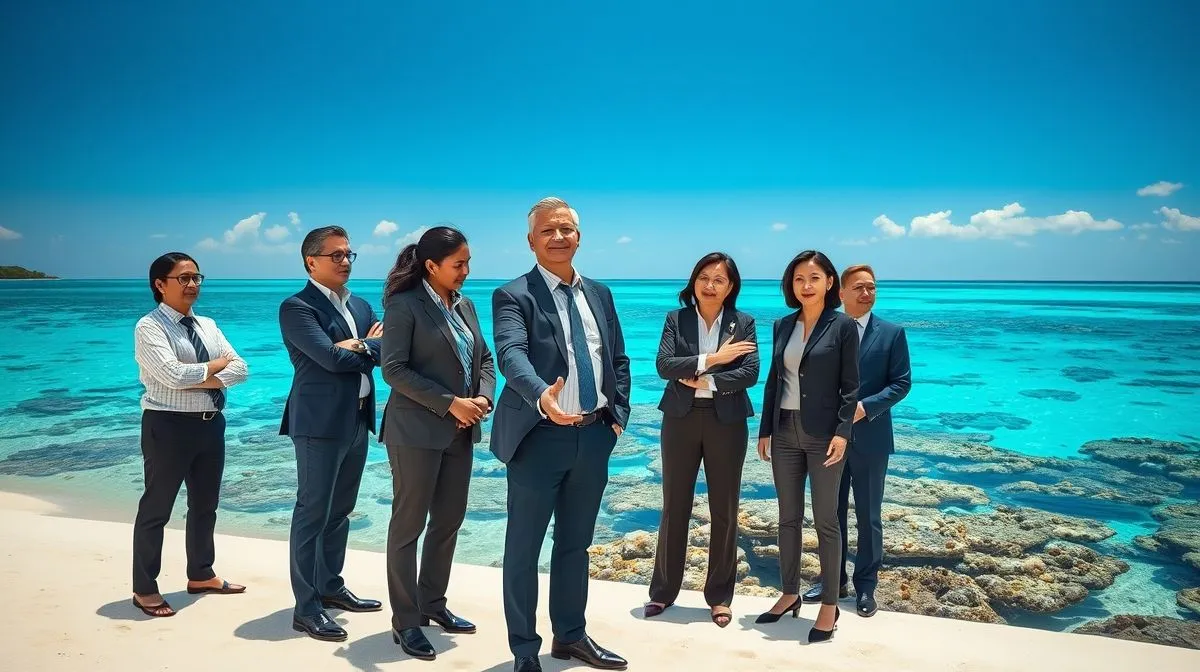
How to plan an executive retreat around coral reef conservation?
For over two decades in the luxury travel and corporate strategy space, I've witnessed countless executive retreats. Many hit the mark on team building and strategic alignment, but far too few leave a lasting legacy beyond a short-lived morale boost. This, I believe, is a profound missed opportunity for organizations seeking to differentiate themselves and truly inspire their leadership teams.
In today's evolving corporate landscape, executives are increasingly seeking more than just a change of scenery; they crave purpose, meaningful impact, and a tangible way to align their corporate values with pressing global challenges. The challenge lies in integrating this desire for impact effectively, without it feeling like a forced, superficial corporate social responsibility (CSR) exercise.
In this definitive guide, drawing upon my extensive experience in designing high-impact experiences and my passion for marine conservation, I will provide a robust, actionable framework. You'll learn not just the 'what' but the 'how' – including expert insights, practical steps, and even a case study – to plan an executive retreat that not only fosters unparalleled leadership development and team cohesion but also genuinely contributes to the vital cause of coral reef conservation.
Why Blend Executive Leadership with Ocean Conservation?
At first glance, the connection between a high-level executive retreat and the delicate world of coral reefs might seem unconventional. However, in my experience, the most impactful retreats are those that transcend typical brainstorming sessions, offering a unique blend of intellectual challenge, personal growth, and genuine societal contribution.
Beyond the Balance Sheet: The ROI of Purposeful Retreats
The concept of 'return on investment' (ROI) for retreats typically focuses on improved morale, strategic breakthroughs, and team cohesion. While these are critical, a retreat centered on a cause like coral reef conservation offers an even deeper, more profound ROI. According to a Harvard Business Review article on purpose-driven businesses, companies with a strong sense of purpose outperform competitors, attracting and retaining top talent, fostering innovation, and building stronger brand loyalty.
When executives engage with a tangible environmental challenge, it ignites a different kind of leadership. It fosters empathy, problem-solving in complex systems, and a shared sense of responsibility beyond quarterly earnings. This translates into:
- Enhanced Employee Engagement: Leaders who feel their work contributes to a greater good are more motivated and inspiring.
- Strengthened Brand Reputation: Demonstrating genuine commitment to environmental stewardship resonates deeply with conscious consumers and stakeholders.
- Improved Team Cohesion: Shared experiences in a unique, purpose-driven setting forge stronger bonds than any ropes course ever could.
- Innovation and Creative Problem-Solving: Tackling real-world conservation challenges can spark novel approaches applicable to business problems.
The Urgent Call of Our Oceans: A Brief on Coral Reefs
As a veteran in the travel industry, I've had the privilege of witnessing the breathtaking beauty of coral reefs firsthand. These vibrant underwater cities are not just pretty backdrops for snorkeling; they are the rainforests of the sea, supporting over 25% of all marine life despite covering less than 1% of the ocean floor. They protect coastlines, provide food security, and are crucial for the global economy, particularly for coastal communities reliant on fishing and tourism.
However, these critical ecosystems are under immense threat from climate change, ocean acidification, pollution, and overfishing. Experts like those at NOAA (National Oceanic and Atmospheric Administration) warn that if current trends continue, most of the world's coral reefs could be lost by 2050. This isn't just an environmental crisis; it's an economic and humanitarian one. By focusing your executive retreat on coral reef conservation, your organization can play a direct role in addressing one of the planet's most pressing environmental challenges.
Phase 1: Strategic Alignment & Objective Setting
The foundation of any successful retreat, especially one with a conservation focus, lies in meticulous planning and clear objective setting. This isn't just about picking a date and a destination; it's about deeply integrating your corporate goals with your desired conservation impact.
Defining Your Conservation Impact Goals
Before you even think about flights and hotels, you must articulate what you hope to achieve on the conservation front. This isn't about vague aspirations; it's about specific, measurable outcomes. I've seen organizations stumble by being too broad. Instead, consider:
- Direct Funding: Will your retreat contribute financially to a specific reef restoration project?
- Hands-On Participation: Will executives directly engage in activities like coral planting, reef clean-ups, or citizen science data collection?
- Awareness and Advocacy: Is the primary goal to educate your leadership team and empower them to advocate for marine conservation within their spheres of influence?
- Capacity Building: Will your team's skills (e.g., project management, strategic planning) be leveraged to assist a local conservation organization?
Each of these goals will dictate different types of partners, locations, and activities. Be precise.
Aligning with Corporate Values and Mission
For the retreat to resonate authentically, its conservation focus must align seamlessly with your company's core values, mission, and existing CSR initiatives. If your company champions innovation, perhaps you partner with organizations pioneering new reef restoration technologies. If community engagement is key, look for projects that involve local populations in conservation efforts.
This alignment isn't just for external perception; it's crucial for internal buy-in. When executives see a clear link between the retreat's purpose and the company's DNA, their engagement and commitment skyrocket. It transforms the experience from a 'nice-to-do' into a 'must-do' strategic imperative.
Phase 2: Location Scouting & Partner Selection
Once your objectives are crystal clear, the next critical step is identifying the 'where' and the 'who'. This phase is about finding the right environment and the right allies to bring your conservation vision to life.
Choosing the Right Reef-Friendly Destination
The ideal location for your retreat will offer a combination of world-class coral reefs, established conservation initiatives, and the necessary infrastructure for executive comfort and productivity. Look beyond the obvious tourist traps to places where conservation is genuinely embedded in the local economy and culture. Consider factors like:
- Proximity to Healthy Reefs: You want a location where your team can experience thriving ecosystems, not just damaged ones.
- Established Conservation Efforts: Are there active, reputable marine conservation organizations already working in the area?
- Logistical Ease: Accessibility, quality accommodations, and reliable local support are essential for a smooth executive experience.
- Local Community Engagement: Destinations where conservation directly benefits local communities often provide more authentic and impactful experiences.
Destinations like Belize, parts of the Maldives, certain Caribbean islands, or specific regions of Australia's Great Barrier Reef offer varying degrees of accessibility and conservation engagement opportunities. Research thoroughly.
Identifying Credible Conservation Partners
This is arguably the most crucial step. Your conservation partner will be the backbone of your retreat's impact. I cannot stress enough the importance of due diligence here. You are not just donating; you are collaborating. Here's my recommended vetting process:
- Research Their Track Record: Look for established organizations with a proven history of successful reef conservation projects. Check their annual reports and project outcomes.
- Verify Scientific Backing: Do their methods align with current marine science best practices? Are they working with reputable marine biologists or research institutions?
- Assess Transparency: How do they manage funds? Are their financial statements readily available?
- Evaluate Local Impact: Do their projects genuinely benefit local ecosystems and communities? Are they empowering local people in conservation efforts?
- Interview Key Personnel: Speak directly with their program managers or scientific directors to gauge their passion, expertise, and logistical capabilities for your retreat.
Organizations like the World Wildlife Fund (WWF), Coral Restoration Foundation, or local university marine biology departments are excellent starting points for identifying potential partners, but always conduct your own in-depth assessment.
Case Study: BioTech Innovations' Belize Breakthrough
BioTech Innovations, a mid-sized pharmaceutical company, sought to re-energize its executive team and embed its core value of 'responsible innovation.' Their previous retreats had been purely strategic, but leadership felt something was missing. After consulting with me, they decided to plan an executive retreat around coral reef conservation in Belize.
Their primary conservation goal was to directly fund and participate in coral restoration. They partnered with a local NGO, the Mesoamerican Reef Conservation Alliance (fictional name), which had a scientifically proven method for growing and out-planting corals. The retreat included two days of strategic planning, followed by three days of immersive conservation work.
During the conservation days, executives engaged in:
- Lectures from marine biologists on reef ecology and threats.
- Hands-on coral fragging and nursery maintenance.
- Guided dives where they out-planted corals onto degraded reef sections.
- Discussions with local fishermen on the impact of healthy reefs on their livelihoods.
The outcome was transformative. Executives reported a profound sense of purpose and renewed energy. The shared experience of working together for a tangible environmental good fostered unprecedented team cohesion and cross-departmental collaboration. The company generated positive PR, but more importantly, internal surveys showed a significant increase in employee pride and alignment with BioTech's values. They not only planted over 500 corals but also sparked new internal initiatives focused on sustainable packaging within their own operations, a direct result of the retreat's inspiration.
Phase 3: Crafting the Immersive Itinerary
The itinerary is where your strategic vision meets practical execution. This phase is about seamlessly weaving together your business objectives with impactful conservation activities, ensuring a holistic and memorable experience.
Balancing Business Objectives with Hands-On Conservation
A common pitfall I've observed is either too much 'fun' and not enough strategy, or vice versa. The key to a truly successful retreat is finding the perfect equilibrium. Dedicate specific blocks of time to strategic workshops, leadership development sessions, and executive decision-making. These should be framed by, and informed by, the conservation context.
For example, a morning strategic session on 'future-proofing our supply chain' could be followed by an afternoon of coral planting, allowing executives to see real-world ecological vulnerabilities and solutions, which then informs their strategic thinking.
Examples of Impactful Activities
Beyond the core business agenda, the conservation component should be diverse and engaging. Here are activities I recommend for maximum impact:
- Coral Planting Workshops: Directly participate in growing and out-planting new coral fragments. This is incredibly tangible and rewarding.
- Citizen Science Dives/Snorkels: Train executives to identify and report on reef health, fish populations, or invasive species. This empowers them as active contributors.
- Marine Biologist-Led Lectures & Discussions: Provide deep dives into reef ecology, threats, and cutting-edge conservation solutions.
- Community Engagement: Organize visits to local schools or community centers to discuss the importance of reefs, showcasing the socio-economic impact of conservation.
- Mangrove Restoration: Mangroves are critical nurseries for reef fish. Participating in mangrove planting can offer another hands-on conservation experience.
- Underwater Photography/Videography Workshops: Teach executives to capture the beauty and fragility of the reef, creating powerful advocacy tools.
Responsible Travel Protocols for Sensitive Ecosystems
“True conservation isn't just about what you contribute; it's about what you preserve by minimizing your footprint. In sensitive marine environments, every action, no matter how small, has a ripple effect.”
As a seasoned travel expert, I must emphasize that responsible behavior is paramount. Educate your entire team on best practices for interacting with marine environments:
- Reef-Safe Sunscreen: Insist on the use of mineral-based sunscreens that do not contain oxybenzone and octinoxate, chemicals harmful to corals.
- No Touching or Taking: Absolutely no touching, collecting, or disturbing marine life or corals.
- Buoyancy Control: For divers and snorkelers, emphasize excellent buoyancy to avoid accidental contact with the reef.
- Waste Management: Ensure all waste is properly disposed of, preferably brought back to shore for recycling or appropriate disposal. Avoid single-use plastics.
- Respect Local Customs: Engage with local communities respectfully and support local businesses that demonstrate sustainable practices.
These protocols should be communicated clearly and consistently from the outset, becoming an integral part of the retreat's ethos.
Phase 4: Pre-Retreat Engagement & Post-Retreat Legacy
The impact of your retreat shouldn't be confined to the few days spent on location. To maximize its value and ensure a lasting legacy, both pre- and post-retreat strategies are essential.
Building Anticipation and Pre-Education
The journey begins long before arrival. Send out pre-retreat materials that introduce the conservation focus, the chosen partner, and the specific goals. This could include:
- Short documentaries or articles about coral reefs.
- Profiles of the conservation organization and its key personnel.
- A detailed briefing on the conservation activities planned and their significance.
- Information on responsible travel practices.
This pre-education builds excitement, ensures participants arrive informed, and sets the stage for deeper engagement. It also allows executives to mentally prepare for the unique blend of business and environmental immersion.
Measuring Impact and Sustaining Momentum
How do you quantify the success of a retreat focused on both leadership and conservation? It requires a multi-faceted approach:
- Pre and Post-Retreat Surveys: Measure changes in leadership effectiveness, team cohesion, and understanding of environmental issues.
- Conservation Metrics: Track tangible contributions: number of corals planted, area of reef restored, funds raised, volunteer hours contributed. Your conservation partner should provide these metrics.
- Internal Initiatives: Monitor if the retreat sparks new internal sustainability projects, employee volunteer programs, or changes in corporate policy.
- Storytelling and Communication: Capture the experience through high-quality photos, videos, and testimonials. Share these internally and externally to reinforce the positive impact and inspire others.
- Long-Term Partnerships: Consider establishing an ongoing relationship with your conservation partner, perhaps through annual contributions or future executive engagement.
Sustaining momentum means keeping the conservation message alive within the organization. This could involve follow-up presentations, a dedicated internal communication channel, or even the creation of a 'Reef Champions' internal committee born from the retreat's inspiration.
Budgeting for Impact: Investment, Not Expense
An executive retreat focused on coral reef conservation is a significant investment, but it's crucial to frame it as such – an investment in your leadership, your brand, and the planet. This is not merely an expense line item.
Allocating Resources for Conservation and Comfort
Your budget needs to account for both the traditional elements of a high-end executive retreat and the specific costs associated with genuine conservation work. Typical budget categories include:
- Travel & Accommodation: Flights, luxury accommodations, ground transport.
- Meeting Facilities & Technology: Spaces for workshops, AV equipment, connectivity.
- Food & Beverage: High-quality, locally sourced, and sustainable catering where possible.
- Facilitation & Speakers: External leadership coaches, strategic facilitators, marine biologists, local experts.
- Conservation Program Fees: Direct contributions to your partner organization for their staff time, equipment, materials (e.g., coral nursery supplies), and research.
- Activities & Excursions: Diving/snorkeling charters, specialized equipment rental, community visits.
- Contingency: Always allocate 10-15% for unforeseen circumstances.
Be transparent about the allocation of funds to conservation efforts. This reinforces the retreat's purpose and assures stakeholders their investment is making a real difference.
Exploring Funding Models and Sponsorships
While the company budget will be the primary source, consider innovative funding models:
- Matching Programs: Encourage executives to personally contribute, with the company matching donations.
- Corporate Sponsorships: If feasible, explore if partners or vendors align with your CSR goals and would be willing to sponsor specific aspects of the conservation efforts.
- Integrated Program Costs: Structure the retreat cost to inherently include a per-person contribution to the conservation project, making it an integral part of the experience rather than an add-on.
The goal is to create a financially sustainable model that supports both the executive experience and the critical conservation work.
Overcoming Common Challenges in Eco-Conscious Retreats
While the rewards are immense, planning such a specialized retreat comes with its own set of challenges. As an expert, I've seen these hurdles countless times, and they are always surmountable with foresight and a proactive approach.
Logistical Hurdles and Mitigation Strategies
Operating in remote or ecologically sensitive areas can present unique logistical complexities:
- Accessibility: Some prime reef locations might be harder to reach. Plan for longer travel times and ensure comfortable transfers.
- Infrastructure: High-speed internet, reliable power, and top-tier meeting facilities might be less common. Vet locations thoroughly for these necessities.
- Weather Dependency: Marine activities are often weather-dependent. Have backup indoor activities or flexible scheduling built into your itinerary.
- Permits and Regulations: Conservation activities might require specific permits. Work closely with your local partner to navigate these well in advance.
My advice here is always to partner with experienced local operators and ground handlers. Their on-the-ground knowledge is invaluable for mitigating these challenges.
Ensuring Authenticity Over Greenwashing
“The true measure of an eco-conscious initiative isn't the splash it makes, but the genuine, enduring ripples of positive change it creates. Superficial gestures erode trust; authentic commitment builds legacy.”
This is a critical concern, and rightly so. To avoid any perception of 'greenwashing' – where environmental efforts are more about PR than genuine impact – focus on:
- Transparency: Be open about your partners, specific projects, and the direct impact your retreat will have.
- Substance Over Symbolism: Ensure the conservation activities are meaningful and contribute to real, measurable outcomes, not just photo opportunities.
- Education and Engagement: Empower your executives with genuine knowledge about the issues and solutions, fostering true advocacy rather than just participation.
- Long-Term Commitment: Demonstrate that this isn't a one-off event but part of a broader, sustained commitment to corporate responsibility.
The authenticity of your retreat will be felt internally by your executives and externally by your stakeholders. It's built on genuine intention and tangible action.
Frequently Asked Questions (FAQ)
Question? How do we ensure our executive retreat isn't just "greenwashing" and genuinely contributes to coral reef conservation?
Detailed answer: To ensure authenticity, focus on transparency, measurable impact, and deep engagement. Partner with reputable, scientifically-backed conservation organizations with clear track records. Ensure executives participate in hands-on activities that directly contribute to restoration (e.g., coral planting, data collection) rather than just observation. Clearly communicate the specific projects funded and their expected outcomes. Most importantly, integrate the conservation theme into your corporate values and ensure follow-up actions demonstrate a long-term commitment beyond the retreat itself.
Question? What's the ideal duration for such a retreat to balance business objectives and conservation impact?
Detailed answer: In my experience, a 5-7 day retreat often strikes the best balance. This allows for 2-3 dedicated days of strategic business sessions, interspersed with 2-3 full days of immersive conservation activities. The final day can be for reflection, integration, and departure. Shorter retreats might feel rushed, while longer ones can lead to executive fatigue and increased costs. Flexibility to extend by a day for deeper engagement or unexpected logistical shifts is also wise.
Question? How do we engage non-divers or those less comfortable in water in the coral reef conservation activities?
Detailed answer: Engaging all participants is crucial. For non-divers, offer alternative activities like glass-bottom boat tours with marine biologist commentary, snorkeling in very shallow, calm waters, or participating in land-based conservation efforts such as mangrove planting or coastal clean-ups. Lectures from marine experts, workshops on sustainable practices, and community engagement initiatives (e.g., visiting local schools to discuss ocean health) are also excellent ways to involve everyone, regardless of their comfort level in the water.
Question? What are the key metrics to measure the success of an executive retreat focused on conservation beyond just team morale?
Detailed answer: Beyond qualitative feedback on morale and engagement, key metrics include: the quantifiable conservation output (e.g., number of corals planted, area of reef restored, funds directly contributed); pre and post-retreat surveys assessing executives' understanding of marine conservation and their perceived alignment with corporate values; the number of new internal sustainability initiatives or policies sparked by the retreat; media mentions or positive brand reputation shifts; and, most importantly, the long-term continuation of partnership or support for the chosen conservation project.
Question? How far in advance should we plan an executive retreat with a significant conservation component?
Detailed answer: Given the complexities of coordinating executive schedules, securing high-demand conservation partners, and ensuring logistical excellence in potentially remote locations, I strongly recommend planning such a retreat 12-18 months in advance. This timeline allows ample time for thorough due diligence on conservation partners, securing preferred dates and accommodations, developing a robust and balanced itinerary, and handling any necessary permits or pre-education for participants.
Recommended Reading
- Glamping Outdoor Kitchen Setup Ideas: Create Your Dream Campsite!
- 5 Proven Strategies: Stop Wasting Budget on Film Festival Trips
- The Ultimate Guide: How to Rent Accessible Vans for Disabled Travel
- Unlock Breathtaking Views: Where to Find Trains with Panoramic Windows
- Skydiving Risks: First Time Jumpers' Safety Guide Revealed!
Key Takeaways and Final Thoughts
Planning an executive retreat around coral reef conservation is more than just an event; it's a strategic investment in your leadership, your organization's purpose, and the health of our planet. It’s an opportunity to transform a traditional corporate gathering into a profound, impactful experience that leaves a lasting legacy.
- Purpose-Driven Leadership: Align your retreat's conservation goals with your corporate values to foster deeper engagement and a stronger sense of purpose among your executives.
- Strategic Partnership is Key: Vet and select credible, scientifically-backed conservation partners who can ensure your efforts lead to genuine, measurable impact.
- Balance & Immersion: Weave together strategic business sessions with hands-on, immersive conservation activities for a holistic and memorable experience.
- Beyond the Retreat: Plan for pre-retreat education and post-retreat follow-through to maximize engagement and ensure a sustained legacy of impact.
- Investment in Legacy: Frame your budget as an investment in leadership development and global stewardship, not merely an expense.
As an industry expert, I've seen the power of blending purpose with productivity. By committing to an executive retreat that genuinely contributes to coral reef conservation, you're not just planning a trip; you're cultivating a new generation of leaders who are deeply connected to global challenges, equipped to innovate, and inspired to drive positive change. The reefs, and your organization, will thank you for it.



Your email address will not be published. Required fields are marked *