

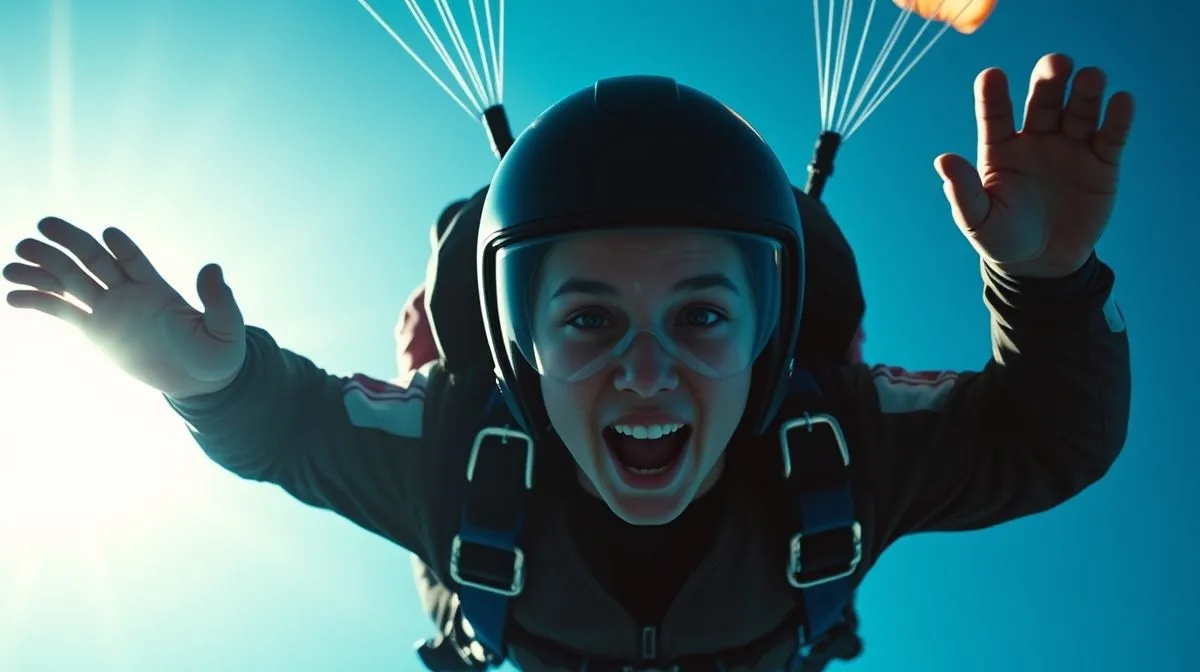
Skydiving Risks for First Time Jumpers: What You Need to Know
Thinking about skydiving for the first time? The thrill of leaping from an airplane is undeniable, but what about the risks? Is it really safe, or are you taking a huge gamble with your life?
Many first-time jumpers are understandably concerned about the potential dangers. From equipment malfunctions to landing mishaps, the list of potential problems can seem daunting. Understanding these risks is the first step toward mitigating them.
This comprehensive guide will walk you through the common skydiving risks for first-time jumpers, explain how experienced skydiving operators minimize these risks, and provide practical tips to ensure your first jump is as safe and enjoyable as possible. You'll learn about equipment safety, proper training, and what to expect during your jump, empowering you to make an informed decision and experience the incredible freedom of skydiving with confidence.
Understanding the Main Skydiving Risks
Equipment Failure
One of the primary concerns for first-time jumpers is the possibility of equipment failure. While rare, malfunctions can occur with the main parachute. Modern skydiving equipment includes a reserve parachute specifically designed to be deployed in such situations.
Mitigation: Rigorous inspection and maintenance protocols are in place to minimize the risk of equipment failure. According to the United States Parachuting Association (USPA), all certified skydiving centers must adhere to strict equipment standards. The USPA website provides detailed information on these regulations. Additionally, automatic activation devices (AADs) are often used, which automatically deploy the reserve parachute if the jumper is unable to do so at a predetermined altitude.
Landing Injuries
Landing is another critical phase where injuries can occur. Improper landing techniques or unexpected wind conditions can lead to sprains, fractures, or other injuries.
Mitigation: Tandem skydiving, the most common option for first-timers, significantly reduces this risk. You'll be securely attached to a certified instructor who is responsible for controlling the parachute and executing a safe landing. Pre-jump training also includes instruction on proper body positioning and landing techniques to further minimize risk.
The Role of Training and Certification
Tandem Skydiving Training
Even in tandem skydiving, a basic level of training is essential. This training covers essential safety procedures, body positioning during freefall, and what to expect during the parachute deployment and landing.
Key Elements:
- Understanding emergency procedures
- Proper body position for stability
- Communication signals with the instructor
- Landing techniques
Instructor Certification
The qualifications and experience of your tandem instructor are crucial. Certified instructors undergo extensive training and must meet stringent requirements set by organizations like the USPA.
Verification: Always verify that your instructor is certified and has a proven track record. Reputable skydiving centers will readily provide information about their instructors' qualifications.
Health and Physical Considerations
Pre-Existing Conditions
Certain pre-existing health conditions can increase the risks associated with skydiving. These may include heart conditions, epilepsy, or severe back problems.
Consultation: It's essential to consult with your doctor before skydiving, especially if you have any underlying health issues. They can assess your fitness level and advise whether skydiving is appropriate for you.
Age and Weight Limits
Most skydiving centers have age and weight restrictions in place for safety reasons. Minors typically require parental consent, and weight limits are imposed to ensure the equipment can safely accommodate both the jumper and the instructor in tandem jumps.
Typical Ranges: Age limits generally start at 18, and weight limits often range from 200 to 250 pounds. Always check with the specific skydiving center for their policies.
Minimizing Risks: Practical Tips for First-Time Jumpers
Choosing a Reputable Skydiving Center
Selecting a reputable skydiving center is paramount. Look for centers that are certified by recognized organizations like the USPA and have a strong safety record.
Research:
- Read online reviews and testimonials
- Check their safety record with the USPA
- Ensure they have experienced and certified instructors
- Inspect their equipment and facilities
Following Instructions Carefully
Pay close attention to the pre-jump briefing and follow your instructor's instructions meticulously. This is essential for ensuring a safe and enjoyable jump.
Active Listening:
- Ask questions if anything is unclear
- Practice the body positions and landing techniques
- Understand the emergency procedures
Being Aware of Weather Conditions
Weather conditions play a significant role in skydiving safety. High winds, poor visibility, or thunderstorms can all increase the risks involved.
Postponement: Be prepared for the possibility of your jump being postponed due to unfavorable weather conditions. Safety should always be the top priority.
Addressing Common Fears and Misconceptions
Fear of Heights
Many first-time jumpers are naturally apprehensive about the height. However, the sensation of skydiving is different from simply standing on a tall building.
Perspective: The vastness of the open sky often diminishes the feeling of height. The focus shifts to the exhilarating sensation of freefall.
Parachute Failure Myths
The image of a parachute failing to open is a common fear. However, modern skydiving equipment is designed with multiple layers of redundancy.
Redundancy: As mentioned earlier, the reserve parachute and AAD provide backup systems in case of a main parachute malfunction. The chances of both parachutes failing are extremely low. According to a study by the National Center for Biotechnology Information, skydiving has become significantly safer over the years due to advancements in technology and training. Read more about skydiving safety statistics.
Frequently Asked Questions (FAQ)
What are the chances of dying while skydiving? The chances of dying while skydiving are very low. According to the USPA, the average is about one fatality per 500,000 jumps.
Is tandem skydiving safer than solo skydiving? Yes, tandem skydiving is significantly safer than solo skydiving, as you are attached to a certified instructor with extensive experience.
What happens if the parachute doesn't open? In the rare event of a main parachute malfunction, the reserve parachute is deployed, either manually by the instructor or automatically by the AAD.
What should I wear for my first skydive? Wear comfortable, athletic clothing and closed-toe shoes. Avoid wearing anything too loose or baggy.
Can I skydive if I have a fear of heights? Many people with a fear of heights successfully skydive. The experience is often described as liberating and exhilarating, rather than frightening.
Recommended Reading
- Amalfi Coast's Best Michelin Restaurants: Your Exclusive Culinary Guide
- Dog Sledding Gear: Conquer Sub-Zero Temps Like a Pro!
- Your Off-Road Adventure Starts Now: Best Beginner Trails Revealed!
- Best Time for Caribbean Ocean Cruises? Unveiling the Perfect Season
- Global Events & Festivals: Your Ultimate Travel Planning Checklist
Conclusion
While skydiving risks for first time jumpers are real, they are significantly minimized by rigorous safety protocols, comprehensive training, and advanced equipment. By choosing a reputable skydiving center, following instructions carefully, and understanding the potential risks, you can greatly enhance your safety and enjoy an unforgettable experience. Don't let fear hold you back from experiencing the incredible thrill of skydiving. With the right preparation and mindset, your first jump can be a safe and exhilarating adventure.




Your email address will not be published. Required fields are marked *