

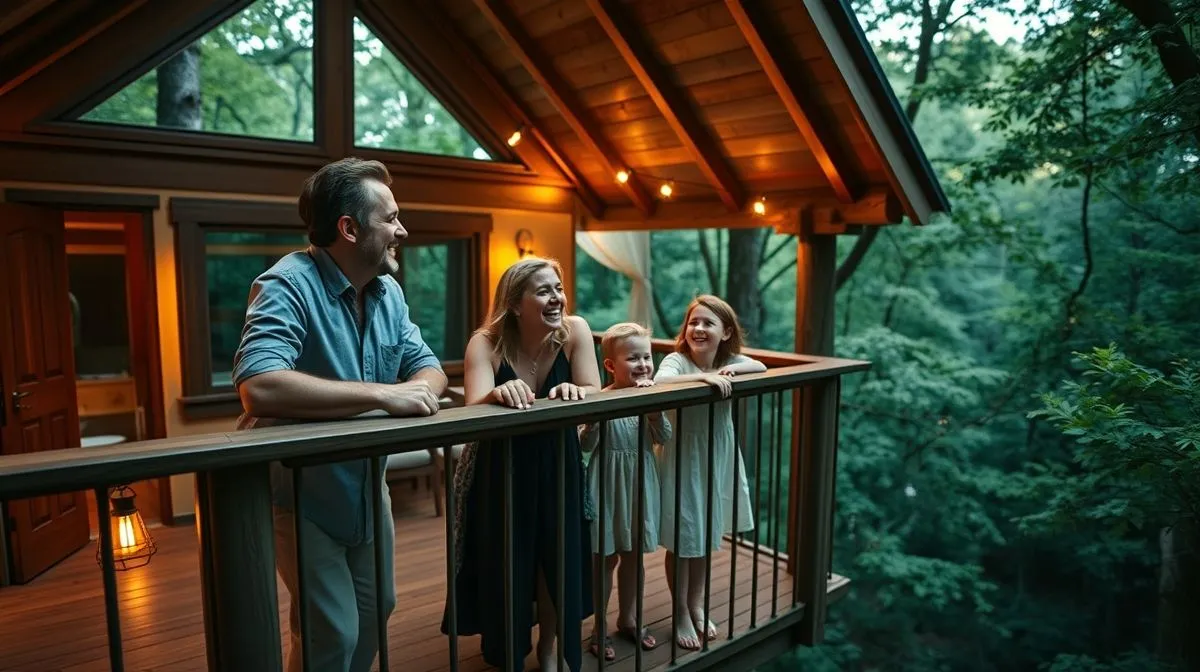
Treehouse Glamping: Are They Safe for Kids?
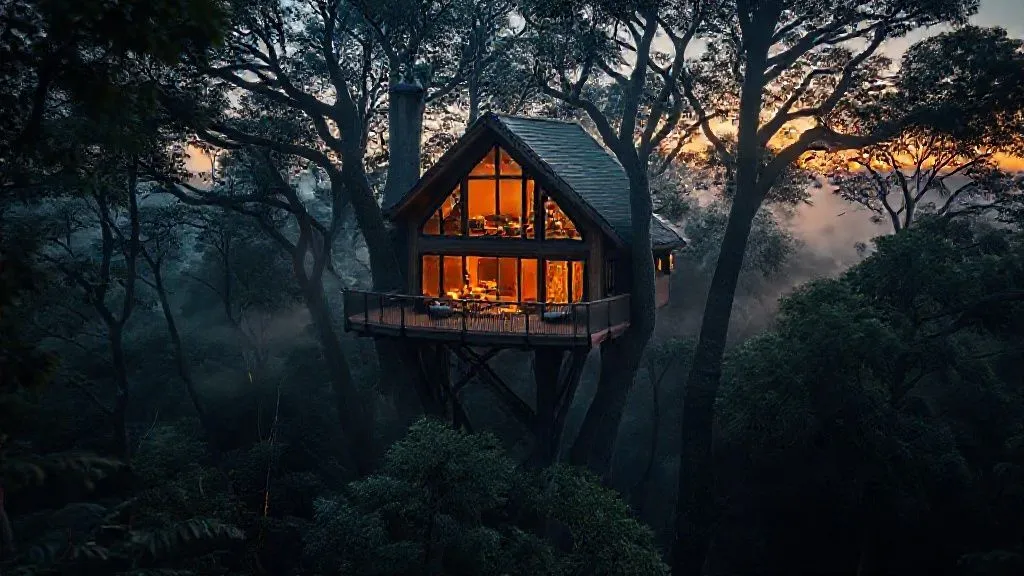
Imagine waking up to the sounds of birds chirping, high above the forest floor, nestled in a cozy treehouse. Treehouse glamping offers a unique and unforgettable experience, blending the thrill of camping with the comfort of a luxury stay. But the big question on every parent's mind is: is treehouse glamping safe for kids?
The allure of sleeping among the trees is undeniable, but concerns about safety – heights, insects, and the unknown – are valid and need addressing. Can you truly relax and enjoy the experience knowing your children are secure?
In this comprehensive guide, we'll explore the safety aspects of treehouse glamping for kids. We'll cover essential safety measures, age-appropriate activities, potential hazards, and provide practical tips to ensure a memorable and, most importantly, safe family adventure. By the end of this article, you'll have the knowledge to confidently plan a treehouse glamping trip your kids will cherish.
Understanding the Appeal of Treehouse Glamping
Treehouse glamping combines the best of both worlds: the immersive experience of camping with the comfort and amenities of a luxury hotel. It's more than just a place to sleep; it's an adventure. But why is it so appealing, especially for families?
The Unique Experience
- Connection with Nature: Being surrounded by trees, hearing the sounds of the forest, and breathing fresh air fosters a deep connection with nature.
- Adventure and Excitement: The novelty of sleeping in a treehouse adds an element of adventure that traditional camping can't match.
- Comfort and Convenience: Unlike traditional camping, glamping offers comfortable beds, running water, and often, private bathrooms.
Benefits for Kids
- Encourages Outdoor Play: Treehouse glamping encourages kids to explore and play outdoors, away from screens and technology.
- Educational Opportunities: It provides opportunities to learn about nature, wildlife, and the environment.
- Creates Lasting Memories: The unique experience creates lasting memories for the whole family.
Assessing the Safety of Treehouse Structures
The most obvious safety concern with treehouse glamping is the structure itself. Is the treehouse built to code? Are there safety features in place? These are crucial questions to ask.
Construction and Design
- Professional Construction: Ensure the treehouse was built by professionals who understand structural engineering and safety standards.
- Load-Bearing Capacity: Inquire about the treehouse's load-bearing capacity to ensure it can safely accommodate your family and belongings.
- Regular Inspections: Ask if the treehouse undergoes regular inspections to identify and address any potential safety issues. According to the American Treehouse Association, regular inspections are crucial for maintaining structural integrity.
Safety Features
- Railings and Barriers: Look for sturdy railings and barriers on decks and stairs to prevent falls.
- Secure Access: Ensure the access points, such as ladders or stairs, are secure and easy to navigate, even for young children.
- Emergency Exits: Confirm the presence of clear and accessible emergency exits in case of fire or other emergencies.
Potential Hazards and How to Mitigate Them
Beyond the structure itself, several potential hazards need to be considered when planning a treehouse glamping trip with kids.
Heights
Falls are a primary concern. Mitigating this risk requires careful planning and supervision.
- Constant Supervision: Never leave children unsupervised, especially on decks or near stairs.
- Age-Appropriate Activities: Choose activities that are suitable for your children's age and abilities.
- Safety Gear: Consider using safety harnesses or other protective gear for younger children or those who are particularly adventurous.
Insects and Wildlife
Being in nature means encountering insects and wildlife. Preparation is key.
- Insect Repellent: Use insect repellent to protect against mosquitoes, ticks, and other biting insects. The CDC recommends using repellents containing DEET, picaridin, or oil of lemon eucalyptus. Learn more about insect repellents on the CDC website.
- First-Aid Kit: Pack a well-stocked first-aid kit with supplies for treating insect bites, stings, and minor injuries.
- Wildlife Awareness: Educate your children about local wildlife and how to avoid encounters.
Weather Conditions
Weather can change rapidly, especially in forested areas.
- Check the Forecast: Monitor the weather forecast before and during your trip.
- Pack Appropriate Clothing: Bring clothing suitable for a range of weather conditions, including rain gear and warm layers.
- Emergency Plan: Have a plan in place in case of severe weather, such as a designated shelter or evacuation route.
Essential Safety Measures for Kids
Implementing specific safety measures tailored to children is crucial for a worry-free experience.
Establish Clear Rules
- Set Boundaries: Clearly define boundaries and areas where children are allowed to play.
- Explain the Risks: Explain the potential risks associated with heights, wildlife, and other hazards.
- Enforce the Rules: Consistently enforce the rules to ensure children understand the importance of safety.
Supervision and Communication
- Designated Supervisor: Assign a designated supervisor to keep a close eye on children at all times.
- Regular Check-Ins: Conduct regular check-ins to ensure children are safe and following the rules.
- Communication System: Establish a communication system, such as whistles or walkie-talkies, to stay in touch with children who are exploring.
First-Aid Preparedness
- First-Aid Training: Consider taking a first-aid course to learn how to handle common injuries and emergencies.
- Emergency Contacts: Keep a list of emergency contacts readily available, including local emergency services and the treehouse glamping site's contact information.
Choosing the Right Treehouse Glamping Location
Not all treehouse glamping locations are created equal. Research and select a site that prioritizes safety and caters to families.
Research and Reviews
- Read Reviews: Read reviews from other families to get an idea of their experiences and any safety concerns they may have encountered.
- Check Safety Ratings: Look for treehouse glamping sites that have been inspected and certified by reputable organizations.
Amenities and Services
- Family-Friendly Amenities: Choose a site that offers family-friendly amenities, such as playgrounds, swimming pools, or organized activities.
- On-Site Staff: Ensure the site has on-site staff available to assist with any issues or emergencies.
Location and Accessibility
- Proximity to Medical Facilities: Consider the proximity of the treehouse glamping site to medical facilities in case of emergencies.
- Accessibility: Choose a site that is easily accessible, especially if you have young children or mobility issues.
Age-Appropriate Activities for Treehouse Glamping
Planning age-appropriate activities is essential for keeping kids entertained and engaged while ensuring their safety.
Toddlers and Young Children
- Nature Walks: Take short, guided nature walks to explore the surrounding forest.
- Story Time: Read nature-themed stories aloud in the treehouse.
- Arts and Crafts: Engage in nature-themed arts and crafts activities, such as leaf rubbings or pinecone painting.
Older Children and Teenagers
- Hiking and Biking: Go on longer hikes or bike rides to explore the area.
- Wildlife Spotting: Organize a wildlife spotting expedition and try to identify different species of birds, animals, and plants.
- Campfire Stories: Gather around a campfire and tell stories or roast marshmallows.
Frequently Asked Questions (FAQ)
Are treehouse glamping sites generally safe for children? Most reputable treehouse glamping sites prioritize safety and have measures in place to protect children. However, it's important to do your research and choose a site that is well-maintained and has a good safety record.
What age is appropriate for treehouse glamping? Treehouse glamping can be enjoyed by children of all ages, but it's important to consider their individual abilities and maturity levels. Younger children may require closer supervision and age-appropriate activities.
What should I pack for a treehouse glamping trip with kids? In addition to the usual camping gear, be sure to pack insect repellent, sunscreen, a first-aid kit, appropriate clothing for all weather conditions, and any necessary medications.
How can I prevent insect bites and stings? Use insect repellent containing DEET, picaridin, or oil of lemon eucalyptus. Wear long sleeves and pants when possible, and avoid wearing scented lotions or perfumes.
What should I do in case of an emergency? Familiarize yourself with the treehouse glamping site's emergency procedures and have a plan in place in case of fire, injury, or other emergencies. Keep a list of emergency contacts readily available.
Recommended Reading
- Wild Camping Checklist for Beginners UK: Your Essential Guide
- Epic Family Friendly National Park Road Trips USA: Your Ultimate Guide
- Maldives Celebrity Hotspots: Where Do Stars Escape?
- Ultimate Guide: Best Winter Sports Photography Settings
- Best Short-Term Volunteer Abroad Projects: Make a Real Impact!
Conclusion
Treehouse glamping: are they safe for kids? The answer, with proper planning and precautions, is a resounding yes! By carefully assessing the safety of the treehouse structure, mitigating potential hazards, implementing essential safety measures, and choosing the right location, you can create a safe and unforgettable experience for your family. Embrace the adventure, connect with nature, and create lasting memories in the treetops, knowing that your children are secure and protected. So, pack your bags, gather your family, and prepare for an extraordinary treehouse glamping adventure!

Your email address will not be published. Required fields are marked *