

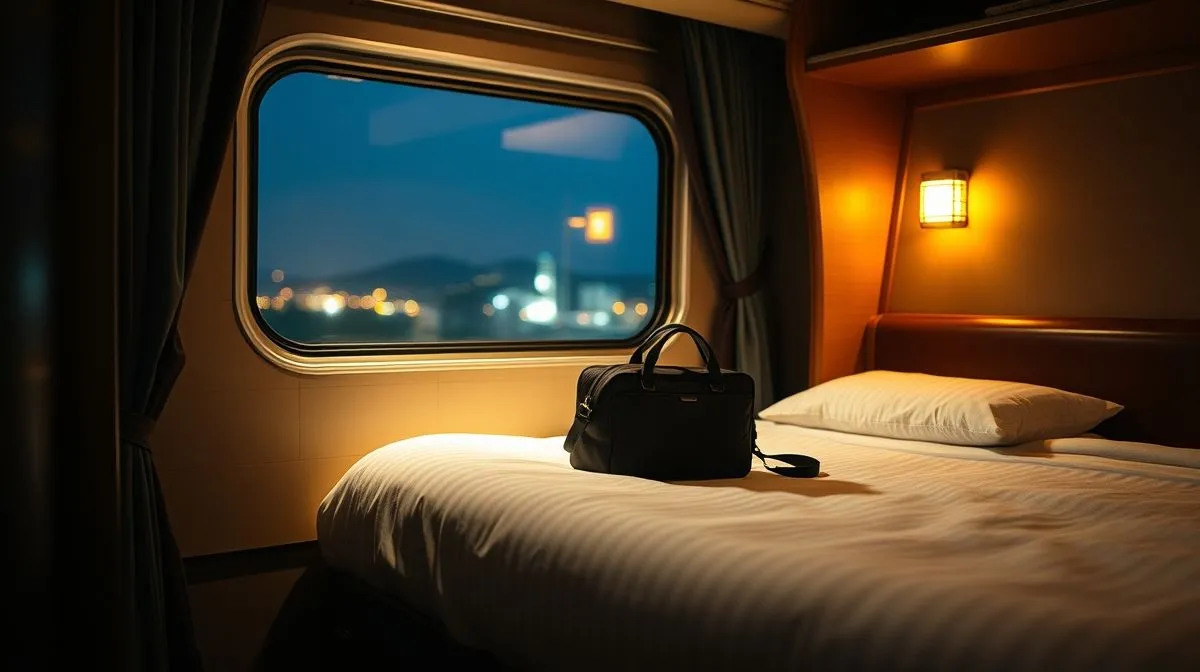
Mastering Your Overnight Train Journey: A Comprehensive Preparation Guide
Ever dreamt of waking up to a new landscape, gently rocked by the rhythmic sway of a train, feeling refreshed and ready to explore? There's a unique magic to overnight train travel, a nostalgic charm that harks back to a bygone era of elegant journeys and grand adventures. It's an experience that offers not just transportation, but an integral part of the travel narrative, allowing you to witness the world transform outside your window as you journey through the night.
While the allure is undeniable, the reality is that a truly comfortable and enjoyable overnight train journey doesn't happen by chance. Many travelers underestimate the specific preparations required, leading to minor discomforts or missed opportunities for relaxation. From packing dilemmas to ensuring a good night's sleep amidst the motion, there are common hurdles that can detract from the otherwise enchanting experience.
This comprehensive guide is designed to transform your next rail adventure into an effortless and memorable experience. We will delve deep into every aspect of how to prepare for an overnight train journey, equipping you with practical tips, essential checklists, and expert insights. By the end of this reading, you'll be well-versed in packing smart, maximizing comfort, ensuring safety, and truly embracing the unique joy of sleeping on the rails.
Understanding Your Train and Route
The first step in meticulous preparation is to thoroughly understand the specifics of your chosen train and its route. Not all overnight trains are created equal, and knowing what to expect is crucial for tailoring your preparations.
Choosing Your Sleeper Class
Overnight trains offer a variety of sleeping arrangements, each with different levels of privacy and amenities. Your choice will significantly impact your packing and comfort strategy.
- Private Cabins/Compartments: These offer the most privacy, often with a lockable door, beds, and sometimes even a private toilet and shower. They are ideal for couples, families, or solo travelers seeking solitude.
- Couchettes: A more economical option, couchettes typically feature bunk beds in a shared compartment (4-6 berths). While less private, they provide a comfortable sleeping surface and are popular among budget travelers and groups.
- Reclining Seats: Some trains only offer reclining seats, which are the most basic and budget-friendly option. For these, maximum comfort accessories (like a good neck pillow and blanket) are paramount.
- Checking Amenities: Verify if your chosen class includes bedding, towels, or complimentary breakfast. This information will influence what you need to pack.
Route Research and Stops
Familiarize yourself with your journey's itinerary. Knowing the major stops, arrival times, and potential scenic highlights can enhance your experience.
- Duration and Arrival Time: Understand the total journey time and your scheduled arrival. This helps in planning your sleep and morning routine.
- Major Stops: Some trains have longer stops at certain stations, offering a chance to stretch your legs, grab a quick snack, or even briefly explore the platform.
- Scenic Views: If your route passes through particularly beautiful landscapes, consider setting an alarm to wake up and enjoy the view, especially during sunrise.
The Art of Packing Smart for the Rails
Efficient packing is perhaps the most critical component of how to prepare for an overnight train journey. Space can be limited, and convenience is key when you're moving through a confined environment.
Essential Documents and Valuables
Keep your critical items easily accessible and secure. A small, personal bag that stays with you is advisable.
- Tickets and Identification: Ensure these are readily available. Digital tickets on your phone are convenient, but a printed backup is always wise.
- Money and Cards: Keep a small amount of cash for immediate needs, alongside your credit/debit cards.
- Medication: Any essential prescription medications should be in your carry-on, not checked luggage.
- Important Contacts: Have emergency contact information handy, both digitally and on paper.
Comfort & Hygiene Must-Haves
These items will significantly improve your comfort and ability to feel refreshed on board.
- Travel Pillow and Blanket: Even if bedding is provided, a personal neck pillow and a small travel blanket can add an extra layer of comfort and warmth.
- Earplugs and Eye Mask: Essential for blocking out noise and light, ensuring a more restful sleep, especially in shared compartments.
- Toiletries: Pack a small bag with a toothbrush, toothpaste, face wipes, hand sanitizer, and any essential skincare. Consider dry shampoo for longer journeys.
- Slippers or Cozy Socks: For walking around the cabin or car, keeping your feet warm and clean.
Clothing for Comfort and Layers
Dress for comfort and be prepared for temperature fluctuations within the train.
- Loose, Comfortable Clothing: Think soft fabrics and relaxed fits. Pajamas or lounge wear are perfect for sleeping.
- Layers: Train temperatures can vary. A light jacket or cardigan, and comfortable socks, will allow you to adjust.
- Change of Clothes: Pack a fresh set of clothes for the morning, including underwear. This makes a huge difference in feeling refreshed upon arrival.
Entertainment & Connectivity
Keep yourself occupied and your devices charged.
- Books or E-reader: A classic way to pass the time.
- Headphones: Essential for listening to music, podcasts, or movies without disturbing others.
- Portable Charger/Power Bank: Train outlets can be scarce or non-functional. A fully charged power bank is a lifesaver for phones and tablets.
- Downloaded Content: Don't rely on Wi-Fi. Download movies, shows, or podcasts beforehand.
Nourishment and Hydration on Board
While many overnight trains offer dining services, having your own provisions can be more convenient and budget-friendly. This is a key aspect of how to prepare for an overnight train journey effectively.
Packing Snacks and Drinks
Choose items that are easy to eat, don't require refrigeration, and won't make a mess.
- Non-Perishable Snacks: Granola bars, nuts, dried fruit, crackers, and pre-cut vegetables are excellent choices.
- Water Bottle: Stay hydrated! A reusable water bottle is eco-friendly and can be refilled at stations or on some trains.
- Instant Coffee/Tea: If you have access to hot water, a few instant sachets can be a comforting morning ritual.
Dining Car vs. Self-Catering
Consider your options for meals and make a plan.
- Dining Car: Many overnight trains have dining cars offering meals and drinks. Check the schedule and menu in advance. Some require reservations.
- Pre-purchased Meals: Some train operators allow you to pre-order meals that are delivered to your seat or cabin.
- Self-Catering: If you prefer to bring all your own food, ensure it's easy to consume without much fuss. Avoid strong-smelling foods that might bother other passengers.
Safety and Security Measures
Even though train travel is generally very safe, taking a few precautions can provide peace of mind and protect your belongings.
Securing Your Belongings
Keep your valuables close and out of sight.
- Small Lock: For your main luggage, a small lock can deter opportunistic theft.
- Valuables Pouch: Keep passports, money, and phones in a small pouch or belt bag that stays on your person, even when sleeping.
- Under the Seat/Berth: Stow larger bags under your seat or berth, making them less accessible to others.
Awareness and Personal Safety
Be mindful of your surroundings and trust your instincts.
- Familiarize Yourself: Upon boarding, quickly locate emergency exits, restrooms, and the dining car.
- Avoid Isolated Areas: If you need to move around the train, especially at night, stick to well-lit and populated areas.
- Don't Overshare: Be friendly, but avoid sharing excessive personal information with strangers.
Ensuring a Restful Night's Sleep
Sleeping on a moving train can be a unique experience. With the right preparation, you can ensure you arrive feeling rested rather than ragged. This is a critical aspect of how to prepare for an overnight train journey successfully.
Creating a Sleep Sanctuary
Transform your space into a conducive environment for sleep.
- Eye Mask and Earplugs: These are non-negotiable for blocking out light and ambient noise, including announcements, conversations, and the train's sounds.
- Comfortable Clothing: Change into your pajamas or loose loungewear. This signals to your body that it's time to relax.
- Adjust Temperature: If possible, adjust the temperature in your cabin or add/remove layers to find your ideal sleeping temperature.
Adjusting to Train Motion
Some people find the rocking motion soothing, others find it disruptive. Here's how to cope:
- Light Stretching: Before bed, do some gentle stretches to relax your muscles.
- Avoid Heavy Meals: A light dinner is preferable to a heavy one, which can interfere with sleep.
- Hydration: Stay hydrated but avoid excessive liquids right before bed to minimize nighttime bathroom trips.
- Positioning: If you're in a couchette, try to choose a lower bunk if possible, as they tend to be more stable.
Pre-Departure Checklist and Tips
A final check before you embark can save you from last-minute stress.
Arriving Early and Boarding
Give yourself ample time at the station.
- Station Navigation: Large train stations can be confusing. Arrive at least 30-45 minutes before departure to find your platform and train car.
- Boarding Procedures: Be aware of boarding announcements. Some trains board quickly.
Notifying Contacts of Your Journey
Let someone know your travel plans for safety and peace of mind.
- Share Itinerary: Inform a family member or friend of your train number, departure, and arrival times.
- Emergency Contact: Ensure they have a way to reach you if needed, and vice-versa.
Final Comfort Adjustments
Once on board, take a moment to set up your space.
- Stow Luggage: Place your main luggage securely. Keep your small personal bag with essentials within easy reach.
- Prepare Bedding: If your cabin includes bedding, make your bed to your liking.
- Power Up: Locate the power outlet (if available) and charge your devices before settling in.
Frequently Asked Questions (FAQ)
Is it safe to sleep on an overnight train? Yes, generally overnight trains are very safe. Most modern trains have staff on board, and compartments are often lockable. Always keep valuables secure and be aware of your surroundings, just as you would in any public travel setting. According to a study by the Rail Safety and Standards Board, serious incidents on trains are exceedingly rare compared to other forms of transport.
What should I wear on an overnight train? Comfort is key. Opt for loose-fitting, breathable clothing like pajamas, sweatpants, or soft leggings. Bring layers, such as a light jacket or cardigan, as train temperatures can fluctuate. Don't forget cozy socks or slippers.
Can I bring my own food and drinks? Absolutely! Most trains allow passengers to bring their own food and non-alcoholic beverages. This is often recommended for budget travelers or those with specific dietary needs. Choose non-perishable, non-messy items and a reusable water bottle.
How do I charge my devices on the train? Many modern trains offer power outlets in cabins or near seats. However, their availability can vary. It's always wise to bring a fully charged power bank or portable charger as a backup. Adaptors for international outlets might also be necessary depending on your route. For instance, European sleeper trains frequently have 2-pin European outlets, as detailed on The Man in Seat 61's comprehensive guide.
Are there showers on overnight trains? Some premium sleeper classes or private cabins on specific routes (e.g., certain long-distance trains in Europe or Asia) may offer private or shared shower facilities. It's crucial to check the specific amenities of your train and class when booking. For example, Amtrak's Superliner Sleeping Cars offer access to a shared shower, while their Roomette cabins do not have private facilities. You can often find detailed information on the official railway operator's website, such as Amtrak's Sleeper Car overview.
Recommended Reading
- Unlock Serenity: The Ultimate Luxury Spa Retreat for Burnout Relief
- Transform Your Day: The Power of Short Mindfulness Breaks for Busy Pros
- Unlock Your Potential: Overcoming Fear of Solo Travel for Personal Growth
- Unlock Europe: The Ultimate Guide to Making Train Reservations with Your Eurail Pass
- The Ultimate Guide: What to Pack for an Outdoor Ice Skating Trip?
Conclusion
Embarking on an overnight train journey is an adventure in itself, offering a unique blend of romance, convenience, and a chance to truly disconnect from the rush of daily life. By thoughtfully considering how to prepare for an overnight train journey, you transform potential challenges into opportunities for comfort and enjoyment. From understanding your sleeper class and packing smart with essentials like earplugs and a power bank, to planning your meals and prioritizing safety, every detail contributes to a seamless experience.
Remember, the goal is not just to reach your destination, but to savor the journey itself. With this comprehensive guide in hand, you are now equipped to navigate the nuances of overnight rail travel, ensuring you arrive at your next stop refreshed, invigorated, and with cherished memories of the landscapes that unfolded outside your window as you slept. Embrace the rhythm of the rails, and let your next train journey be truly unforgettable.

Your email address will not be published. Required fields are marked *