


How to Prevent Drug Overdoses at Multi-Day Music Festivals?
For over two decades in the festival travel industry, I’ve witnessed the incredible highs of communal celebration – the music, the art, the shared euphoria. Yet, I’ve also seen the devastating lows, particularly the preventable tragedies stemming from drug overdoses. It's a topic that often gets swept under the rug, but as an industry veteran, I feel a profound responsibility to address it head-on.
The unique environment of a multi-day music festival – prolonged exposure, altered sleep patterns, intense heat, and the pervasive presence of illicit substances – creates a perfect storm where the risk of overdose skyrockets. The problem isn't just about individual choices; it's about systemic issues, lack of education, and sometimes, a reluctance to openly discuss harm reduction. This deeply concerns me, as every single overdose is a preventable loss.
Today, I want to share a comprehensive, actionable framework on how to prevent drug overdoses at multi-day music festivals. This isn't about judgment; it's about equipping you, your friends, and festival organizers with the knowledge, strategies, and resources to ensure everyone can enjoy these magical experiences safely. We’ll delve into personal responsibility, peer support, on-site resources, and the critical role of festival management in fostering a truly safe environment.
Understanding the Landscape: Why Overdoses Happen at Festivals
Before we can prevent, we must understand. The festival setting is unlike any other, presenting a confluence of factors that amplify the risks associated with substance use. It's not just about the drugs themselves, but the context in which they're consumed.
The Unique Festival Environment
Imagine days of non-stop music, dancing under the sun, often with limited sleep and inconsistent access to nutritious food. Dehydration is rampant, exhaustion sets in, and inhibitions naturally lower. This physically and mentally taxing environment significantly alters how the body processes substances, making even familiar doses potentially dangerous. I've seen countless attendees push their limits, unaware of how their body's resilience is already compromised.
Polysubstance Use and Unknown Potency
One of the gravest dangers is polysubstance use – mixing different drugs, often including alcohol. The synergistic effects can be unpredictable and lethal. Furthermore, the illicit drug market is unregulated. What's sold as MDMA could be fentanyl, a tiny dose of which can be fatal. The lack of reliable information about substance content and potency is a critical factor in overdose incidents. As SAMHSA (Substance Abuse and Mental Health Services Administration) frequently emphasizes, the dangers of unknown substances are immense.
"In the chaotic, high-energy environment of a festival, the predictability of any substance, even one you think you know, plummets. Assume nothing, and prioritize information over assumption."
The Cornerstone of Prevention: Education and Awareness
Knowledge is your first line of defense. Empowering yourself and your peers with accurate information about substances, their effects, and harm reduction strategies is paramount. This isn't about encouraging drug use, but acknowledging its reality and mitigating its risks.
Pre-Festival Research and Planning
Before you even pack your bags, do your homework. Research the substances you or your friends might encounter. Understand typical dosages, onset times, duration, and potential interactions. Look into the festival's specific harm reduction policies and on-site resources. A well-informed attendee is a safer attendee. I always advise people to treat festival prep like a mini-expedition – you wouldn't hike a mountain without preparation, so don't enter a multi-day festival unprepared.
Understanding Harm Reduction Principles
Harm reduction is a pragmatic, public health approach that aims to minimize the negative health, social, and economic consequences associated with drug use. It's not about condoning or condemning, but about saving lives. Key principles include:
- Never use alone: Always have a sober buddy.
- Start low, go slow: Test a small amount first.
- Know your source: But still assume unknown potency.
- Stay hydrated: Water and electrolytes are crucial.
- Don't mix substances: Especially alcohol.
- Know the signs of overdose: And how to respond.
Practical Steps for Personal Safety and Peer Support
While education is foundational, practical application is where lives are saved. These are the actionable steps I've championed for years, designed for both individual safety and collective responsibility.
Never Use Alone: The Buddy System
This is non-negotiable. Always attend festivals with a trusted group of friends, and designate a sober point person for each day or night. If you're planning to use any substance, ensure at least one person in your immediate group knows your intentions and can monitor you. This isn't about being a babysitter; it's about being a lifeline.
- Form a Pact: Before the festival, agree on a buddy system and safety protocols.
- Daily Check-ins: Establish regular check-in times and meeting spots.
- Share Location: Use phone apps to share your location with trusted friends.
- Keep an Eye Out: Actively monitor your friends for signs of distress or overdose.
- Sober Support: Designate a rotating sober friend each day to be the primary monitor.
Start Low, Go Slow: Dosage Management
The potency of illicit drugs is highly variable. What you've taken before might be completely different this time. Always assume a higher potency than expected. Start with a very small amount, wait at least an hour (or more, depending on the substance) to gauge the effects, and then decide if you want to take more. Never re-dose impulsively. Your body needs time to process and react.
Hydration and Rest: The Unsung Heroes
It sounds simple, but dehydration and exhaustion significantly lower your tolerance and impair judgment. Drink plenty of water and electrolyte-rich fluids throughout the day, even if you don't feel thirsty. Take breaks in shaded, cool areas. Prioritize sleep, even if it means missing a set. Your body and mind will thank you, and you'll drastically reduce your risk of adverse reactions.
| Time of Day | Action |
|---|---|
| Morning (9 AM) | Large bottle of water + electrolytes, light meal, rest. |
| Midday (1 PM) | Water refill, shaded break, snack. |
| Afternoon (5 PM) | Water refill, sit down, light meal. |
| Evening (9 PM) | Water refill, be mindful of alcohol/substance intake. |
| Before Sleep | Rehydrate thoroughly, ensure adequate rest (6+ hours). |
Leveraging On-Site Resources: What Festivals *Should* Offer
A responsible festival doesn't just provide music; it provides a safety net. Understanding and utilizing these resources can be life-saving. I've advocated for years for festivals to enhance their on-site harm reduction services.
Medical Tents and Chill-Out Zones
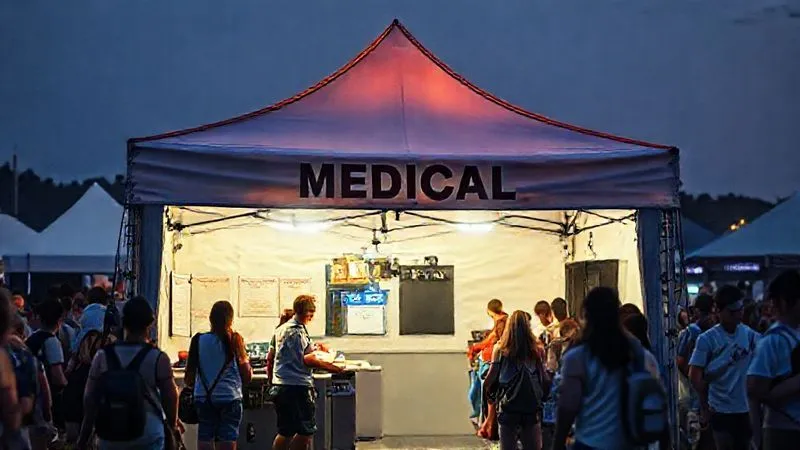
Every reputable festival has medical tents staffed by professionals. Know their locations. These are safe, non-judgmental spaces. If you or a friend feel unwell, overwhelmed, or are experiencing adverse effects from substances, go there immediately. Many festivals also offer 'chill-out zones' – quiet, low-stimulus areas where you can decompress and recover. These are vital for preventing escalation of distress.
Drug Checking Services: A Lifesaving Tool
This is a game-changer for how to prevent drug overdoses at multi-day music festivals. Services like those offered by organizations such as Harm Reduction Coalition or DanceSafe provide anonymous drug checking, allowing attendees to test their substances for purity and harmful adulterants, especially fentanyl. While not foolproof, it provides critical information, empowering individuals to make more informed decisions or to discard dangerous substances. I strongly believe these services should be standard at all major festivals.
Naloxone Availability and Training
Naloxone (Narcan) is an opioid overdose reversal medication that can literally bring someone back from the brink of death. Many festivals now have naloxone readily available at medical tents, and some even train staff and volunteers on how to administer it. Seek out information on naloxone availability at your festival, and consider carrying it yourself if you or your friends might be at risk. It's a simple nasal spray, and knowing how to use it is a powerful tool for saving a life.
"Festivals have a moral and ethical obligation to prioritize attendee safety above all else. Providing robust, non-judgmental harm reduction services is not just good practice; it's essential for a thriving, responsible event."
The Role of Festival Organizers: Implementing Proactive Safety Measures
While personal responsibility is key, festival organizers bear a significant burden in creating a safe environment. Their policies and infrastructure can either exacerbate or mitigate the risks of overdose.
Comprehensive Harm Reduction Policies
Forward-thinking festivals adopt comprehensive harm reduction policies that go beyond just having medical staff. This includes:
- Clear communication about drug checking services.
- Amnesty bins for safe disposal of illicit substances.
- Water stations that are easily accessible and plentiful.
- Shaded areas and cooling zones.
- Non-judgmental messaging around substance use and seeking help.
- Collaboration with local harm reduction organizations.
These measures demonstrate a commitment to attendee well-being that resonates deeply with the festival community.
Staff Training and Emergency Protocols
Every single staff member, from security to vendors, should receive basic training on recognizing signs of overdose and knowing the emergency protocols. They need to understand the importance of immediate intervention and directing individuals to medical help without fear of legal repercussions. A unified, well-trained team is crucial for a rapid and effective response when seconds count. I've been part of developing such training programs, and the impact is undeniable.
Case Study: How 'Harmony Fest' Reduced Overdose Incidents
Case Study: Harmony Fest's Proactive Harm Reduction Success
Harmony Fest, a fictional but representative multi-day music festival in the US, faced increasing concerns about drug-related incidents. Historically, their approach was largely punitive. However, after a particularly challenging year, they partnered with a leading harm reduction non-profit. They implemented a suite of changes: establishing multiple on-site drug checking stations, providing free naloxone training and kits, significantly increasing accessible water stations, and deploying a 'roving care team' of trained volunteers to proactively check on attendees. They also introduced a clear 'Good Samaritan' policy, ensuring no legal repercussions for those seeking medical help for themselves or others. Within two years, Harmony Fest reported a 60% reduction in severe drug-related medical emergencies and a 90% reduction in overdose fatalities, far surpassing national averages for similar-sized events. This shift proved that proactive, empathetic harm reduction strategies are not only effective but build trust within the festival community.
Recognizing and Responding to an Overdose
Knowing how to prevent drug overdoses at multi-day music festivals is crucial, but equally vital is knowing what to do if one occurs. Your rapid response can be the difference between life and death.
Identifying the Signs of Overdose
Signs can vary depending on the substance, but some general indicators include:
- Slow, shallow, or stopped breathing.
- Gurgling sounds, choking, or vomiting.
- Blue or grayish lips, fingernails, or skin.
- Unresponsiveness, inability to wake up.
- Limp body.
- Pinpoint pupils (especially with opioids).
- Seizures or convulsions.
Trust your gut. If something feels wrong, it probably is. Don't wait for all symptoms to appear.
The "STOP" Protocol: Steps to Take
I advocate for a simple, memorable protocol in an emergency:
"In an overdose situation, every second counts. Your quick, decisive action can save a life. Don't hesitate, don't fear repercussions – just act."
- S - Shout for Help: Immediately alert anyone nearby. Call out for medical staff or security.
- T - Turn on Side: If the person is unconscious, gently roll them onto their side (recovery position) to prevent choking on vomit.
- O - Administer Opioid Antidote (Naloxone): If you have naloxone and suspect opioid overdose, administer it immediately.
- P - Provide Information: When medical help arrives, provide as much information as possible: what substances were taken (if known), how much, when, and any pre-existing conditions.
Remember, most festivals have a 'Good Samaritan' policy, meaning you won't get in trouble for seeking medical help for an overdose. Your priority is saving a life. For more detailed first aid, consult resources like the American Red Cross.
Beyond the Festival Grounds: Sustaining the Conversation
Preventing overdoses isn't just a festival-weekend concern; it's an ongoing dialogue that extends into our communities and policy-making. I believe strongly in advocating for broader changes.
Advocacy for Policy Change
We need to push for policies that support harm reduction, not just punishment. This includes advocating for legal protections for drug checking services, wider availability of naloxone, and 'Good Samaritan' laws that protect individuals who report overdoses from prosecution. Your voice, combined with others, can influence change at local and national levels. Organizations like the Drug Policy Alliance are at the forefront of this work.
Community Engagement and Support Networks
Foster open conversations about substance use and safety within your friend groups and broader communities. Challenge stigma. Create support networks where individuals feel comfortable discussing their experiences and seeking help without fear of judgment. The more we normalize these conversations, the more we can collectively work on how to prevent drug overdoses at multi-day music festivals and in everyday life.

The Psychological Toll: Mental Health and Festival Culture
It's vital to remember that substance use at festivals often intertwines with mental health. The high-pressure, overstimulating environment can exacerbate underlying conditions, making individuals more vulnerable to risky behaviors or severe reactions.
Managing Anxiety and Peer Pressure
Festivals can be overwhelming. The pressure to 'keep up' or 'try everything' can lead to poor choices. It's okay to say no, to take a break, or to leave a situation that feels uncomfortable. Prioritize your mental well-being. Have a plan for managing anxiety, whether it's finding a quiet space, calling a trusted friend, or practicing mindfulness. I've guided many who felt immense pressure, and I always remind them: your health is more important than any fleeting moment.
Seeking Help Post-Festival
The 'festival blues' or post-festival depression is a real phenomenon. If you find yourself struggling with persistent low mood, anxiety, or an increased urge to use substances after a festival, don't hesitate to seek professional help. Resources are available, and addressing these feelings early can prevent them from escalating into more serious issues. Acknowledge the intense experience you've had and allow yourself time and space to process it.
| Resource Type | Description |
|---|---|
| Crisis Hotline | Immediate support for mental health crises. |
| Therapy/Counseling | Professional guidance for processing experiences and coping strategies. |
| Support Groups | Peer support for substance use or mental health challenges. |
| Online Mental Health Platforms | Accessible digital resources and virtual therapy options. |

Frequently Asked Questions (FAQ)
Is drug testing legal at festivals? The legality of drug checking services varies by jurisdiction. In some places, it's explicitly allowed under harm reduction laws; in others, it operates in a legal gray area or faces outright bans. However, there's a growing movement to legalize and support these vital services due to their proven effectiveness in saving lives. Always check the specific laws and festival policies where you're attending.
What if I'm afraid of legal repercussions for reporting an overdose? Most reputable festivals and many states have 'Good Samaritan' laws or policies in place to protect individuals who seek medical assistance for an overdose from prosecution for minor drug offenses. The primary goal is to save a life, not to punish. Always prioritize calling for help; the legal risks are far outweighed by the risk of a fatality.
How can I convince my friends to be safer? Start with empathy and open communication. Avoid judgment. Share facts and harm reduction principles without lecturing. Suggest concrete strategies like the buddy system, staying hydrated, and knowing where medical tents are. Lead by example. If they're resistant, focus on what you can control – your own safety and being a supportive, knowledgeable friend if they need help.
Are there specific drugs more commonly associated with overdoses at festivals? While any substance can lead to an overdose, opioids (especially fentanyl-laced drugs sold as other substances), MDMA/ecstasy (due to overheating, dehydration, or unknown purity), and combinations of stimulants and depressants (like alcohol with benzodiazepines) are frequently implicated in festival overdose cases. The key risk, however, often comes from unknown purity and potency, regardless of the drug.
What's the difference between a bad trip and an overdose? A 'bad trip' typically refers to a distressing psychological reaction to a psychedelic drug, characterized by intense anxiety, paranoia, or disorientation, but generally without severe physiological danger (unless it leads to dangerous behavior). An overdose, however, is a physiological emergency where the body cannot cope with the amount of a substance, leading to critical bodily functions shutting down, which can be fatal. While both require attention and support, an overdose demands immediate medical intervention.
Key Takeaways and Final Thoughts
Navigating multi-day music festivals safely, especially concerning substance use, requires a proactive, informed, and compassionate approach. As someone who has spent a lifetime in this space, I cannot stress enough the importance of these principles:
- Educate Yourself: Understand substances, their risks, and harm reduction.
- Practice Peer Support: Never use alone; the buddy system is your best defense.
- Utilize On-Site Resources: Know where medical tents, chill-out zones, and drug checking services are.
- Support Proactive Organizers: Advocate for festivals that prioritize comprehensive harm reduction.
- Know How to Respond: Recognize overdose signs and act immediately with the STOP protocol.
- Prioritize Well-being: Hydrate, rest, and manage your mental health.
The magic of multi-day music festivals lies in their ability to bring people together, to create unforgettable moments of joy and connection. My deepest hope is that by empowering you with this knowledge on how to prevent drug overdoses at multi-day music festivals, we can collectively ensure these vibrant celebrations remain safe havens for everyone. Be smart, be safe, and look out for one another. That's the true spirit of the festival community.
Recommended Reading
- Conquer the Open Road: Planning a Safe Solo Female Road Trip Across America
- 5 Keys to Pinpointing Consistent High-Performance Surf Spots for Pro Training
- Surf & Zoom: 7 Global Spots Offering Reliable Remote Work Connectivity
- Travel Dialysis for Seniors: Top Tips for Safe & Worry-Free Trips
- Toddler & Deadlines: 7 Pro Strategies for Traveling Parents




Your email address will not be published. Required fields are marked *