

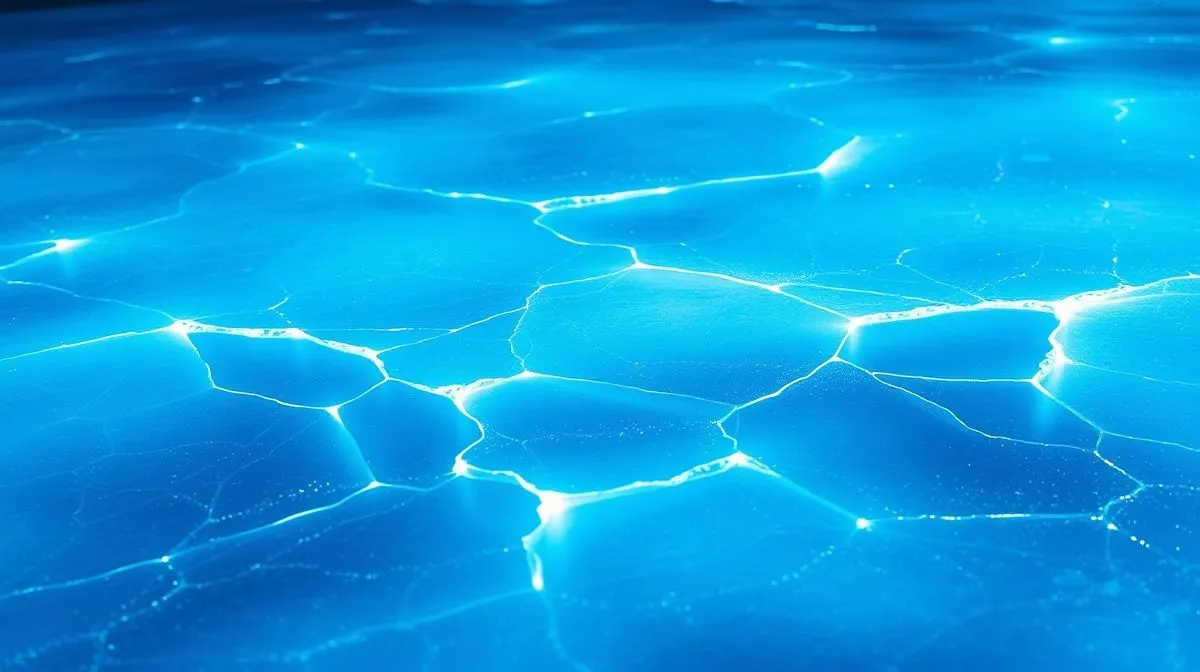
How to prevent ice surface degradation in high-traffic rinks?
In my fifteen years overseeing some of the busiest ice sheets, I've learned that the foundation of a resilient surface begins long before the resurfacer even touches the ice. Preventing degradation in high-traffic rinks demands a proactive, multi-faceted approach, treating the ice as a living, breathing entity requiring constant care. The absolute cornerstone is water quality. This isn't just about filtering; it's a meticulous process. A common mistake I see is underestimating the impact of dissolved gases and impurities. * **De-aeration:** Removing dissolved air from the water prevents the formation of brittle ice and minimizes the cloudy appearance of air bubbles trapped within the sheet. This results in a denser, more durable surface less prone to chipping. * **Heating:** Applying warm water, typically between 140-160°F (60-70°C), allows for a smoother, more even bond with the existing ice. This thermal shock helps to melt the top layer slightly, filling in micro-fissures and creating a stronger, more uniform new layer. * **Filtration:** Beyond basic sediment, advanced filtration removes minerals and chemical impurities that can weaken the ice structure and dull its appearance. Think of it like building a house; you wouldn't start with weak mortar. Resurfacing frequency and technique are equally critical. In high-traffic environments, the standard "every two hours" often isn't enough; sometimes, it's every 60-90 minutes, depending on usage intensity. The operator's skill here is paramount. * Blade Sharpness: A dull resurfacer blade tears the ice rather than cleanly shaving it, leaving a rough, uneven surface that degrades faster. In my experience, blades should be checked and sharpened far more frequently than many operations typically do. * Optimal Shave Depth: Too shallow, and you're not removing enough damage; too deep, and you're wasting ice and energy. It's a delicate balance, adjusting for the specific type of usage (e.g., hockey vs. public skate). * Consistent Overlap and Speed: A precise 2-3 inch overlap ensures no missed spots, while a consistent, moderate speed prevents ripples and ensures an even application of water. Maintaining the correct ice temperature is a delicate balance. Colder ice (e.g., 18-20°F or -7 to -8°C) is harder and more durable, ideal for hockey, but can be brittle. Slightly warmer ice (22-24°F or -5 to -4°C) offers more glide for figure skating but is more susceptible to gouging."The ice temperature isn't just a number on a thermostat; it's a strategic decision that directly impacts durability, speed, and skater safety. Understanding the optimal range for your facility's primary use is non-negotiable."Beyond the ice itself, environmental controls within the rink building play a significant role. Dehumidification is key to preventing condensation and fog, which can lead to a softer, 'wet' ice surface that breaks down quickly. Air temperature and circulation must also be managed to prevent warm spots that accelerate melting. Finally, proactive spot repairs between full resurfaces can dramatically extend the life of the ice. For deep gouges or large divots, a quick manual scrape and a splash of hot water, smoothed with a squeegee, can prevent these small imperfections from becoming major structural weaknesses during subsequent resurfacing passes. This immediate attention to detail saves significant effort in the long run.
What's the ideal ice thickness for a busy rink?
Achieving the optimal ice thickness in a high-traffic rink is a delicate balance, one that separates a professional operation from an amateur one. In my over 15 years overseeing ice surfaces, I've consistently found that the ideal range for a busy facility, whether it's for hockey leagues, figure skating clubs, or open public sessions, typically falls between **1 to 1.5 inches (2.5 to 3.8 cm)**. This isn't just a number pulled from thin air; it's a sweet spot derived from physics, energy costs, and player performance.A common mistake I see is operators thinking "thicker is better" for durability. While it might seem intuitive, excessive thickness introduces a host of problems. Imagine trying to cool a massive block of concrete; it requires tremendous energy and takes a long time to respond to temperature adjustments. The same principle applies to ice.
When the ice is too thick, say 2 inches or more, your refrigeration system has to work significantly harder, and thus consume far more electricity, to keep the entire slab frozen. This leads to **exorbitant energy bills**, often without any tangible benefit to the surface quality. Moreover, a thicker slab can become thermally inefficient; the top surface might feel soft and slushy, even if the bottom is well-frozen, because the cold transfer from the brine lines is less effective.
In my experience, ice that's too thick feels "dead" underfoot. Skaters report less bite, more drag, and a generally slower surface, which is detrimental to high-performance sports like hockey and figure skating.
Conversely, ice that is too thin presents its own set of dangers and operational headaches. Below 1 inch, the ice becomes incredibly vulnerable to rapid degradation. **Soft spots, gouges, and premature wear** become much more prevalent, especially under heavy skate traffic and the impact of hockey pucks and players.
Operating with thin ice also significantly increases the risk of cutting through to the concrete sub-floor, which is not only a safety hazard for skaters but also causes damage to the sub-floor and the refrigeration piping embedded within it. This requires immediate, costly repairs and substantial downtime. You'll find yourself resurfacing far more frequently, wearing out your resurfacer and burning more fuel.
So, how do we nail that 1 to 1.5-inch sweet spot consistently? It's a combination of precise flood water application, vigilant monitoring, and understanding your rink's unique characteristics. Here are key considerations:
- Traffic Volume: A rink hosting back-to-back hockey games and public skates will benefit from the slightly thicker end of the spectrum (closer to 1.5 inches) for enhanced durability.
- Refrigeration System: Older or less efficient systems may struggle to maintain quality with thicker ice, pushing you towards the 1-inch mark for better thermal control and energy efficiency.
- Ambient Conditions: Arena temperature, humidity, and even spectator heat load all influence how quickly your ice degrades and how effectively your system can maintain it.
- Water Quality: Using properly treated, de-aerated water for floods results in denser, stronger ice, allowing you to maintain quality at slightly thinner profiles.
I always advise rink managers to invest in a reliable **ice thickness gauge** and to train staff on its proper use. Regular measurements, taken at multiple points across the rink, are crucial. This allows you to make informed adjustments to your flood water temperature and volume, ensuring you're building and maintaining ice that is both resilient and cost-effective. It's about finding that perfect equilibrium where durability meets efficiency, providing a superior skating experience without breaking the bank.
Can water quality really impact ice durability?
Yes, unequivocally. In my over 15 years overseeing ice operations for everything from NHL practice facilities to bustling community rinks, I can tell you that **water quality is not just a factor; it's a foundational pillar of ice durability and performance.** Overlooking it is a common, costly mistake.The very structure of your ice surface is dictated by the water you use. Think of it like building a house: if your bricks are porous and weak, the entire structure will suffer, regardless of how skilled the builder is. The same principle applies to ice.
The primary culprit I frequently encounter is **water hardness**. This refers to the concentration of dissolved minerals, primarily calcium and magnesium, in your tap water. When hard water freezes, these minerals don't simply disappear; they become trapped within the ice crystal lattice, creating microscopic impurities.
- These mineral inclusions act as **weak points**, making the ice more brittle and prone to chipping and fracturing under the constant stress of skates and pucks.
- They also reduce the ice's **thermal conductivity**, meaning your refrigeration system has to work harder and longer to maintain optimal ice temperature, driving up energy costs.
- In my experience at a high-traffic municipal rink, switching from untreated well water to a de-mineralized system drastically cut their daily resurfacing passes from six to four, directly saving on fuel and labor.
Another significant, yet often underestimated, factor is **dissolved gases**, particularly air. When water is flooded onto the ice, especially if it's cold, it can trap a substantial amount of dissolved air. This results in opaque, milky-looking ice, which is aesthetically unappealing but, more critically, structurally compromised.
"Clear ice isn't just prettier; it's stronger. Every tiny air bubble trapped within your ice sheet is a potential fracture point, weakening the overall integrity and accelerating surface degradation."
Imagine a sheet of glass with tiny air pockets versus a perfectly solid sheet. The one with air pockets will shatter far more easily. The same physics applies to ice. These air pockets make the ice softer, leading to faster snow accumulation and a "fluffy" surface that breaks down rapidly, especially in high-traffic areas like the goal creases and player benches.
Beyond hardness and dissolved gases, other water quality parameters like **pH levels** can subtly influence ice structure. While less dramatic than minerals or air, extremely acidic or alkaline water can impact the hydrogen bonding within the ice crystals, making them less robust over time. High levels of chlorine, while necessary for municipal water treatment, can also have minor effects, though these are typically less impactful on durability than hardness or dissolved gases.
So, what's the actionable takeaway? Invest in your water. **Reverse Osmosis (RO) systems** or de-mineralization units are not luxuries; they are essential equipment for any serious ice operation aiming for peak durability and efficiency. Coupled with a proper **hot water flood system** to de-aerate the water before application, you'll produce ice that is denser, clearer, more resilient, and ultimately, far more cost-effective to maintain.
Reading Recommendations:
- Unlock Your Adventure: How to Plan an Accessible Adaptive Sports Vacation
- Unmasking the Unseen: What Are Hidden Costs at Five-Star Luxury Resorts?
- Slash LEO Space Tourism Costs: 7 Strategies for Profitability
- 7 Steps to Prevent Greenwashing in Sustainable Travel Marketing
- Mastering Cruise ROI: 7 Steps to Measure Themed Campaign Success
Key Points and Final Thoughts
After exploring the critical facets of ice surface preservation, it becomes clear that preventing degradation in high-traffic rinks isn't about any single magic bullet. It's a symphony of interconnected practices, each playing a vital role in maintaining the integrity and safety of your ice.
In my fifteen years observing and consulting with facilities globally, a recurring theme emerges: the true cost of neglect far outweighs the investment in proactive maintenance. Think of your ice surface not just as frozen water, but as the very foundation of your entire operation; compromise it, and everything else suffers.
A common mistake I see is a reactive approach – waiting for cracks, soft spots, or excessive snow build-up before acting. This 'fix-it-when-it's-broken' mentality leads to more extensive, costlier repairs and significantly impacts user experience and safety, often unnoticed until it's too late for minor intervention.
To truly master ice surface longevity, focus on these overarching principles:
Holistic View: Understand that water quality, resurfacing technique, temperature, humidity, and even skate sharpening all contribute to the final product. Neglecting one aspect can undermine efforts in others.
Proactive Maintenance: Implement a rigorous, scheduled maintenance program. This includes daily checks, regular equipment calibration, and preventive measures rather than just reactive fixes.
Data-Driven Decisions: Utilize tools like infrared thermometers, humidity sensors, and water quality testers. Baseline data allows you to identify trends, predict issues, and justify resource allocation for improvements.
Staff Education & Empowerment: Your ice crew is your front line. Invest in their training, ensuring they understand the 'why' behind each procedure and are empowered to make informed adjustments.
Quality Investment: From your resurfacer blades to your water filtration system, quality equipment and materials pay dividends. Cheap alternatives often lead to higher long-term costs and inferior ice.
For instance, I worked with a community rink that, after implementing a comprehensive water treatment and resurfacing protocol, saw a 20% reduction in daily resurfacing passes and extended their blade life by 30% over two seasons. This directly translated into significant operational savings and noticeably harder, more consistent ice.
"The best ice isn't simply frozen water; it's a testament to meticulous care, scientific understanding, and an unwavering commitment to excellence. It’s the silent partner that elevates every skate, every game, every memory made on its surface."
Embrace these principles not as burdens, but as pillars for creating a superior, safer, and more sustainable ice environment. The dedication you invest today will manifest in the quality of your ice tomorrow, ensuring your facility remains a premier destination for winter sports enthusiasts for years to come.



Your email address will not be published. Required fields are marked *