

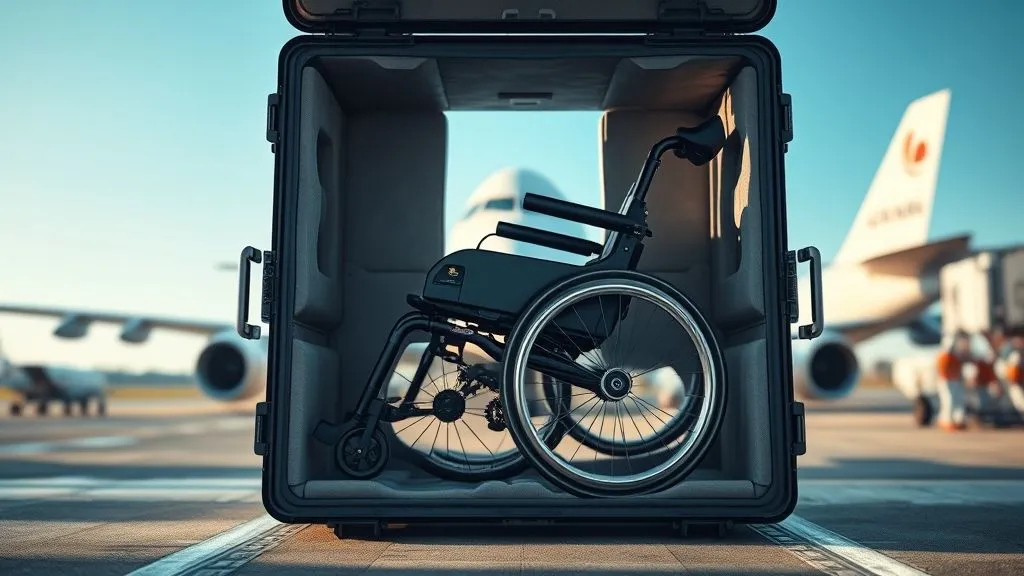
How to Safely Transport a Racing Wheelchair on International Flights?
For over two decades in the accessible travel and adaptive sports arena, I've had the privilege of witnessing incredible athletes push the boundaries of human potential. But I've also seen the immense frustration and heartbreak when their essential equipment—especially a finely tuned racing wheelchair—is mishandled during air travel. The thought of your custom-built, performance-critical chair arriving damaged or, worse, not at all, is a nightmare scenario that can derail an entire competition or much-anticipated adventure.
The unique design of racing wheelchairs, often featuring lightweight, intricate frames, specialized wheels, and custom seating, makes them particularly vulnerable to the rigors of international flight logistics. Unlike standard mobility aids, these are precision instruments, and even minor damage can significantly impact performance or render them unusable. This isn't just about moving a piece of equipment; it's about preserving an athlete's independence, their competitive edge, and their passion.
This comprehensive guide isn't just a collection of tips; it's a battle-tested framework, forged from years of experience and countless conversations with athletes, airline personnel, and accessibility advocates. I'll walk you through every critical step, from pre-flight planning and airline selection to navigating customs and handling potential issues upon arrival, ensuring you understand exactly how to safely transport a racing wheelchair on international flights. My goal is to equip you with the knowledge and confidence to protect your investment and maintain your focus on the finish line, not the baggage claim.
Pre-Flight Planning: The Foundation of Safe Passage
Before you even think about booking a ticket, meticulous pre-flight planning is paramount when considering how to safely transport a racing wheelchair on international flights. This isn't just about packing; it's about understanding your equipment, knowing the rules, and preparing for every eventuality. In my experience, the more detail you cover on the ground, the smoother your journey in the air will be.
Firstly, know your racing wheelchair inside and out. Understand its dimensions when fully assembled and, crucially, when disassembled. What parts are easily removable? What tools do you need for disassembly and reassembly? Is there anything particularly fragile or sensitive, like electronic components or specialized bearings? Documenting every aspect of your chair, including its make, model, serial number, and a detailed list of its components, is non-negotiable.
Next, consider the necessary tools and protective gear. You'll need a compact toolkit for reassembly, spare parts for common issues (e.g., inner tubes, small bolts), and robust padding materials. Think beyond basic bubble wrap; high-density foam, durable blankets, and industrial-strength cling wrap are your friends. Investing in a high-quality, hard-shell travel case specifically designed for sports equipment or bicycles (which can often be adapted for racing chairs) is perhaps the single best protective measure you can take.
"Proactive preparation isn't just a recommendation; it's the most powerful insurance policy for your racing wheelchair. Every minute spent planning saves hours of potential hassle and heartache at the airport."
Here’s a checklist of essential items to prepare during this initial phase:
- Detailed Photo Documentation: Take clear, high-resolution photos of your wheelchair from all angles, both assembled and disassembled. Note any pre-existing damage.
- Component Inventory: Create a written list of all removable parts (wheels, cushions, footrests, push handles, etc.).
- Tool Kit: Allen wrenches, tire pump, small adjustable wrench, spare bolts/nuts.
- Protective Materials: High-density foam, bubble wrap, heavy-duty blankets, industrial cling wrap, zip ties.
- Custom Travel Case: A rigid, lockable case is ideal. Ensure it meets airline size/weight restrictions for oversized baggage.
- Contact Information: Your details, airline contact, and your destination contact.
This initial groundwork will not only safeguard your equipment but also empower you to advocate effectively if any issues arise. It’s about being prepared, not paranoid.
Choosing the Right Airline and Understanding Policies
Not all airlines are created equal when it comes to accommodating adaptive sports equipment. This is a crucial step in understanding how to safely transport a racing wheelchair on international flights. My advice? Don't just pick the cheapest flight; pick the most reliable and accommodating airline. Their policies, staff training, and track record with special assistance can make or break your travel experience.
Start by researching airlines that operate on your desired route. Pay particular attention to their Disability Assistance Policies. Look for clear guidelines on:
- Mobility Aid Dimensions and Weight Limits: Racing wheelchairs often exceed standard baggage sizes. Confirm if they classify it as a mobility aid (which usually travels free) or oversized sporting equipment (which may incur fees).
- Battery Policies: If your chair has any power-assist components or if you're traveling with other battery-powered devices, understand regulations for lithium-ion batteries (watt-hours, carry-on vs. checked).
- Disassembly Requirements: Some airlines have specific instructions for how the chair should be prepared.
- Pre-notification Deadlines: Most airlines require 48-72 hours' notice for special assistance.
I always recommend calling the airline's special assistance desk directly, rather than relying solely on website information. Speak to a human, confirm policies, and get the name of the representative you spoke with. This direct communication can clarify ambiguities and provide peace of mind. Be prepared to explain that your racing wheelchair is a custom-built piece of medical equipment, not just a bicycle or general sports gear, even if it's packed in a bike case.
Here’s a hypothetical comparison of airline policies, demonstrating the variance you might encounter:
| Airline | Mobility Aid Policy | Battery Policy | Special Handling | Customer Rating (Accessibility) |
|---|---|---|---|---|
| Global Air | Free as checked baggage, no size limit for manual chairs, 48hr notice for special handling. | Lithium-ion under 300Wh allowed, carry-on only. | Dedicated 'Mobility Team' at major hubs. | 4/5 |
| Oceanic Wings | Free as checked baggage, max 150cm length, fees apply for larger items. | Lithium-ion under 160Wh allowed, carry-on if possible. | Standard baggage handling, no specific team. | 2/5 |
| Continental Connect | Free as checked baggage, no strict size limits for manual chairs, priority loading. | Lithium-ion under 300Wh, checked if removed and terminals protected. | Partners with accessible travel organizations. | 5/5 |
As you can see, choosing an airline with a robust and clear policy, like Continental Connect in this example, significantly reduces potential stress. For further guidance on airline regulations, I often refer clients to resources like the U.S. Department of Transportation's guide on Air Travel with a Disability, which provides valuable insights into passenger rights.
Disassembly and Packing: Protecting Your Investment
This is where the rubber meets the road—or, more accurately, where your racing wheelchair meets its protective casing. Proper disassembly and packing are critical steps in learning how to safely transport a racing wheelchair on international flights, minimizing the risk of damage. Think of your chair as a jigsaw puzzle; each piece needs its own secure spot.
Firstly, clean your chair thoroughly. Dirt, grit, or debris can cause friction damage during transit. Remove all accessories that aren't permanently affixed, such as water bottles, pump bags, and small electronics. These should go into your carry-on luggage.
Next, proceed with careful disassembly. While every racing chair is different, the general principles remain:
- Remove Wheels: The large rear wheels are often quick-release. Remove them, deflate the tires slightly (to prevent pressure changes from causing blowouts), and place them in separate wheel bags or wrap them heavily in foam and heavy-duty plastic sheeting. Secure axles and any small parts in a designated, labeled pouch.
- Remove Cushions and Backrests: These are usually lightweight but can be delicate. Pack them in a separate bag or with soft clothing in your main luggage to prevent compression damage.
- Remove Footrests and Anti-tip Wheels: These often protrude and are susceptible to bending or breaking. Detach them and wrap them individually.
- Protect the Frame: This is the heart of your chair. Pad every exposed tube and joint with high-density foam or pipe insulation. Pay special attention to areas where components might rub against each other or the case. Use industrial cling wrap to secure padding in place and prevent scratching.
- Secure Loose Components: Use zip ties or Velcro straps to secure any remaining moving parts, like brakes or steering mechanisms, to prevent them from shifting or flapping during transit.
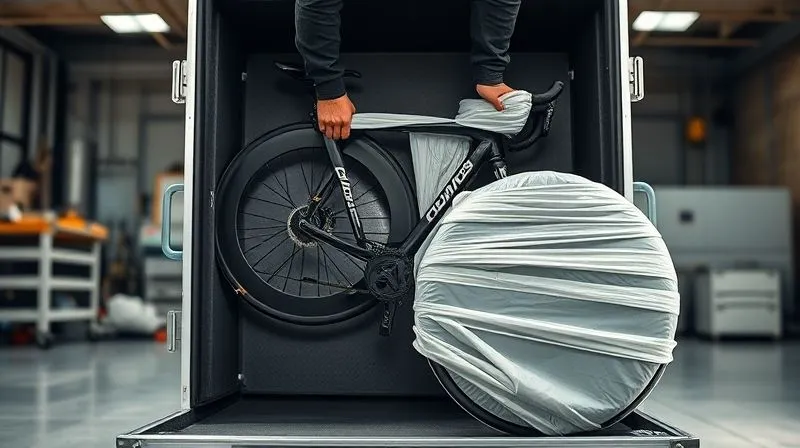
Once disassembled and padded, carefully place all components into your rigid travel case. Utilize every inch of space, filling gaps with soft clothing, towels, or additional foam to prevent shifting. Label the exterior of the case clearly with your name, contact information, and "PRIORITY - FRAGILE MEDICAL EQUIPMENT." Attach a 'THIS SIDE UP' label, even though cargo handlers often disregard them; it's still worth the effort.
This meticulous process ensures that your racing wheelchair is cocooned in protection, ready to withstand the bumps and jostles of air travel. It's an investment of time that pays dividends in peace of mind.
Documentation and Communication: Your Best Allies
When traveling internationally, especially with specialized equipment, documentation is your shield, and clear communication is your sword. This is an often-underestimated aspect of how to safely transport a racing wheelchair on international flights. I've seen situations escalate simply because vital information wasn't readily available or properly conveyed.
Compile a comprehensive "Wheelchair Travel Document Pack" that includes:
- Photos of your wheelchair: Both assembled and disassembled.
- Component Inventory: The detailed list you created during pre-flight planning.
- Dimensions and Weight: Of the chair, both assembled and packed in its case.
- Battery Information: If applicable, including Watt-hour rating and safety data sheets.
- Medical Certificate: A letter from your doctor stating the wheelchair is a necessary mobility aid (often helpful for customs or security).
- Airline Communication Log: Names of airline representatives you spoke with, dates, and what was discussed.
- Insurance Policy Details: For your travel and equipment insurance.
Carry this pack with you in your carry-on luggage, not checked baggage. It serves as your immediate reference and proof of ownership/necessity.
Case Study: How Athlete Maria Secured Her Chair's Passage
Maria, a competitive para-athlete, faced a challenging itinerary for a race in Tokyo, involving multiple layovers. She diligently followed the documentation advice, creating a detailed binder. At her first transfer airport, a ground staff member questioned the size of her racing wheelchair case, suggesting it might incur an oversized baggage fee despite her prior arrangements. Maria calmly presented her "Wheelchair Travel Document Pack," specifically showing the airline's own policy printout, her communication log with the special assistance team, and a medical certificate. The staff member, seeing the thorough preparation and official documentation, quickly confirmed her chair's status as a free mobility aid, ensuring its smooth transfer. This proactive approach saved her from potential fees, delays, and significant stress.
Beyond documentation, proactive communication with the airline is vital. Reconfirm your special assistance request 72 hours before departure and again at check-in. Clearly state that you are traveling with a racing wheelchair (a specialized mobility aid) and reiterate any specific handling instructions. Hand over a printed, laminated instruction sheet to the check-in agent, detailing how to handle your specific chair and where fragile components are located within the case. This small gesture can make a huge difference in how baggage handlers approach your equipment.
Remember, you are your own best advocate. Being prepared and articulate will ensure your message is heard and your equipment is respected. For official guidelines on air travel accessibility, refer to resources like the IATA's Guidance on the Transport of Mobility Aids.
Airport Procedures: Check-in, Security, and Boarding
Navigating the airport itself can be a gauntlet, but with careful planning and clear communication, it becomes a manageable part of how to safely transport a racing wheelchair on international flights. Your journey through check-in, security, and boarding requires a blend of patience and assertiveness.
Check-in: Arrive early, at least 3-4 hours for international flights. This allows ample time for special baggage handling. When you approach the counter, immediately inform the agent you are traveling with a racing wheelchair and have pre-arranged special assistance. Hand them your laminated instruction sheet. Politely request that your wheelchair be tagged as "FRAGILE," "PRIORITY," and "DELIVER TO AIRCRAFT DOOR" (if that's your preference and the airline allows it, though for a cased racing chair, cargo is more common). Double-check that all tags are correctly applied and that the destination is accurate.
Security: Be prepared for additional screening. Your travel case may need to go through oversized scanners. If you are using a manual wheelchair at the airport, you will likely be asked to transfer to an airport-provided chair for screening, or your chair will be thoroughly inspected by hand. Be cooperative but also firm about your needs and the proper handling of your personal mobility aid. Always ask for a private screening if you prefer.
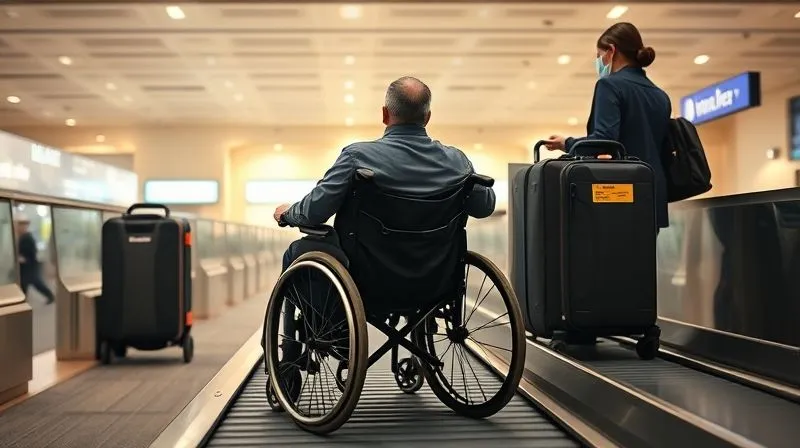
Boarding: If you are using a personal manual wheelchair up to the gate, you will typically pre-board. Once at the aircraft door, your chair will be taken by ground staff. Ensure you remove anything easily detachable (cushions, side guards, small bags) and take them into the cabin with you. Confirm with the flight attendant or ground staff that your chair is being handled correctly and that you understand where it will be returned to you upon arrival.
Key tips for smooth airport navigation:
- Be Patient: Special handling takes time.
- Be Polite, but Firm: Advocate for your needs and your equipment's safe handling.
- Keep Your Documents Handy: Ready to present at any point.
- Travel with a Companion: If possible, an extra pair of hands and eyes can be invaluable.
- Tag Everything: Personal items, carry-on, and especially your wheelchair case.
Remember, the airport staff's primary goal is safety and efficiency. By being organized and clear, you facilitate their job and ensure your racing wheelchair receives the attention it deserves.
Upon Arrival: Inspection and Claim Procedures
The moment of truth: retrieving your racing wheelchair. This is a critical juncture where attention to detail can prevent a minor inconvenience from becoming a major issue. Knowing how to safely transport a racing wheelchair on international flights isn't complete without understanding the post-flight process.
Upon disembarking, if your chair was gate-checked, it should be returned to you at the aircraft door. If it was checked as cargo (which is most common for a cased racing wheelchair), proceed directly to the oversized baggage claim area. Do not leave the airport without thoroughly inspecting your wheelchair case and, if possible, the chair itself.
As soon as you receive your travel case, conduct an immediate and thorough visual inspection. Look for:
- External Damage to the Case: Dents, cracks, tears, broken latches, or missing wheels on the case itself.
- Evidence of Tampering: Broken locks, missing security seals.
- Signs of Mishandling: If the case appears to have been dropped or crushed.
"The golden rule of baggage claim for specialized equipment: Inspect before you leave. Once you're out of the airport, documenting damage becomes exponentially harder, and your recourse options diminish significantly."
If you notice any external damage to the case, or if you have any doubts, open the case immediately, right there at the baggage claim. Carefully inspect your racing wheelchair for any signs of damage: bent frames, cracked welds, broken spokes, deflated tires (beyond the slight deflation for pressure changes), or missing components. Take clear photos of any damage found, both to the case and the chair, from multiple angles.
If damage is present, or if your wheelchair is missing, proceed immediately to the airline's baggage service desk. Do not delay. File a formal Property Irregularity Report (PIR) before leaving the airport. This is a crucial document for any subsequent claims. Insist on a copy of the report. The agent will ask for details, and this is where your "Wheelchair Travel Document Pack" becomes invaluable, providing photos, dimensions, and proof of ownership.
| Damage Type | Action | Evidence Required |
|---|---|---|
| Minor cosmetic (scratches/scuffs) | Document with photos, report to airline but may not require immediate repair. | Photos, pre-existing damage notes. |
| Functional (bent frame/broken wheel) | Report immediately, request airline assessment for repair/replacement. Do NOT leave airport. | Photos, detailed description of impact on functionality. |
| Missing components | Report immediately, provide inventory list, request search/replacement. | Photos of packed chair, inventory list. |
| Case destroyed, chair intact | Report case damage, request replacement case. | Photos of case, original purchase receipt for case. |
Even if the damage seems minor, report it. It creates a record. This diligence is a fundamental part of how to safely transport a racing wheelchair on international flights, ensuring accountability and protecting your right to compensation or repair.
Navigating Customs and Local Transport
Once your racing wheelchair has been safely retrieved and inspected, your journey continues through customs and into the local transport network. This phase requires awareness of international regulations and accessible options at your destination.
Customs Declarations: For most international travelers, your personal mobility aid will not require a special customs declaration, as it is considered personal property. However, if you are bringing in new parts, accessories, or a brand-new chair for a competition that might be subject to import duties, be sure to declare them. Always have your medical certificate and original purchase receipts (or a letter from your doctor confirming it's a personal mobility aid) ready, just in case a customs officer has questions. Being transparent and having documentation will prevent unnecessary delays.
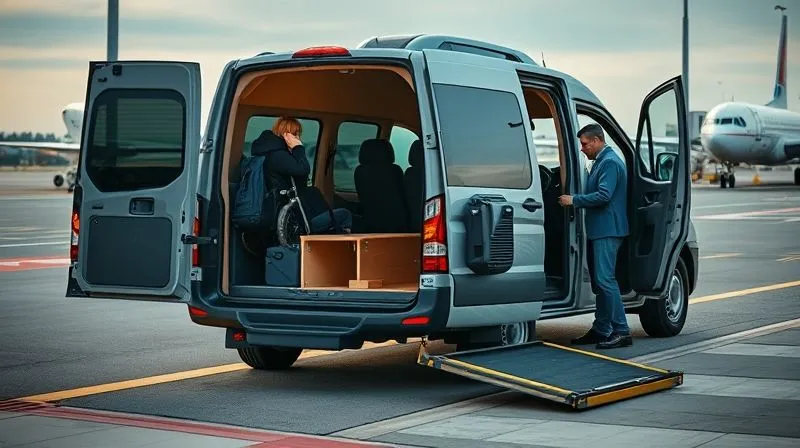
Local Accessible Transport: Research accessible transport options from the airport to your accommodation well in advance. Many major international airports offer accessible taxis, shuttle services, or public transport. Pre-booking is often essential, especially for vehicles that can accommodate a disassembled racing wheelchair case and yourself. Don't assume accessibility; verify it.
For example, in a city like London, the black cabs are famously accessible, but booking a larger van might be necessary for a full racing chair case. In other cities, dedicated accessible transport services might be the only reliable option. Websites like Wheelchair Accessible Travel provide global directories and advice. Always confirm vehicle dimensions and the ability to secure a large travel case.
Upon arrival at your accommodation, take the time to reassemble your racing wheelchair carefully. Test all components, inflate tires to the correct pressure, and ensure everything is functioning perfectly before you head out. This final check is crucial for your safety and performance, ensuring that all your efforts in learning how to safely transport a racing wheelchair on international flights have paid off.
Insurance and Contingency Planning: What If Something Goes Wrong?
Despite all best efforts and meticulous planning, sometimes things go awry. That’s why robust insurance and a solid contingency plan are indispensable elements of how to safely transport a racing wheelchair on international flights. You need to be prepared for the 'what ifs'.
Travel Insurance: Standard travel insurance policies vary widely in their coverage for specialized equipment. Read the fine print carefully. Look for policies that specifically cover:
- Damage or Loss of Mobility Aids: Ensure the coverage limit is high enough to replace your custom racing wheelchair. Many standard policies have low limits that won't cover the full cost.
- Delay of Luggage: What if your chair arrives a day or two late? Does the policy cover rental costs for an an alternative, or expenses incurred due to missed events?
- Medical Emergencies: Always have comprehensive medical coverage, especially when participating in adaptive sports abroad.
Consider purchasing supplemental insurance specifically for your racing wheelchair, if available, or a high-value item rider on your existing home contents insurance that extends to travel. Document the value of your chair with receipts and appraisals.
Contingency Planning: Even with insurance, immediate problems require immediate solutions. Here’s what I recommend:
- Emergency Repair Kit: Beyond your basic toolkit, carry spare inner tubes, patches, a tire lever, a small pump, and any unique fasteners or small parts specific to your chair.
- Contact List: Keep a list of accessible equipment repair shops or adaptive sports organizations at your destination. They might be able to assist with repairs or loaner equipment.
- Financial Buffer: Have access to emergency funds for unexpected repairs, rentals, or alternative transport if your chair is temporarily unusable.
- Digital Copies: Store digital copies of all your essential documents (photos, receipts, insurance policies) in a cloud service or on your phone, accessible even without an internet connection.
Having a plan B (and even a plan C) reduces stress and allows you to react calmly and effectively if an unforeseen event occurs. It’s about empowering yourself to overcome obstacles, ensuring that your pursuit of adaptive sports is not derailed by logistical challenges. This foresight completes your mastery of how to safely transport a racing wheelchair on international flights, transforming potential pitfalls into manageable bumps in the road.
Frequently Asked Questions (FAQ)
Question: Do I have to pay extra to check my racing wheelchair on an international flight? Generally, no. Under regulations like the U.S. Air Carrier Access Act (ACAA) and similar international guidelines, wheelchairs and other mobility aids are considered assistive devices and must be transported free of charge, separate from any baggage allowance. However, airlines may have specific size and weight restrictions for checked mobility aids, particularly if they are oversized or require special handling. Always confirm with your airline's special assistance department in advance.
Question: Can I keep my racing wheelchair with me until the gate? Yes, for manual wheelchairs, most airlines allow you to use your personal wheelchair right up to the boarding gate. At the gate, it will be taken by ground staff and stowed in the cargo hold. You will then transfer to an airport-provided wheelchair or be assisted to your seat. Ensure you remove any easily detachable items like cushions or side guards to take into the cabin with you.
Question: What are the rules for batteries in power-assist racing wheelchairs? Battery regulations are strict and vary by battery type. For lithium-ion batteries, most airlines allow them as checked baggage ONLY if the battery is removed from the chair and the terminals are protected (e.g., taped) and carried in your carry-on luggage. There are Watt-hour (Wh) limits (e.g., 300Wh or 160Wh per battery). Non-spillable (gel cell or AGM) batteries can usually remain attached to the chair if properly secured and terminals are protected. Always check your specific airline's policy and IATA guidelines.
Question: What if my racing wheelchair is damaged upon arrival? If your wheelchair is damaged, you must report it immediately to the airline's baggage service desk BEFORE leaving the airport. File a Property Irregularity Report (PIR) and obtain a copy. Document all damage with clear photos. The airline is responsible for damage to mobility aids, but prompt reporting is crucial for a successful claim. Your travel insurance may also provide additional coverage.
Question: Should I declare my racing wheelchair at customs? For personal use, your racing wheelchair is generally considered personal property and does not typically require a special customs declaration, similar to your clothing or other personal effects. However, if you are importing a brand new chair, spare parts, or if its value exceeds a certain threshold for temporary import, you may need to declare it. Always have a medical certificate and proof of ownership/value ready in case customs officials inquire.
Key Takeaways and Final Thoughts
Mastering how to safely transport a racing wheelchair on international flights is an art born from meticulous planning, proactive communication, and unwavering advocacy. As an industry specialist, I've seen the difference these practices make, transforming what could be a stressful ordeal into a smooth, confidence-inspiring journey. Your racing wheelchair isn't just equipment; it's an extension of your body, your spirit, and your competitive drive. Protecting it during travel is paramount.
Let's recap the most critical, actionable advice:
- Plan Exhaustively: Research airlines, document your chair, and invest in a robust travel case.
- Communicate Proactively: Inform the airline well in advance and reconfirm special assistance.
- Document Everything: Photos, inventory lists, and communication logs are your best defense.
- Pack Meticulously: Disassemble carefully, pad thoroughly, and secure all components.
- Inspect Immediately: Upon arrival, check your chair for damage BEFORE leaving the airport and report any issues promptly.
- Insure Adequately: Ensure your travel insurance covers the full value of your specialized equipment.
I understand the apprehension that can come with international travel and adaptive equipment. But armed with this knowledge and a proactive mindset, you are not merely a passenger; you are an empowered traveler ready to conquer the skies. Focus on your performance, your adventure, and the incredible experiences that await you. Your racing wheelchair is in safe hands – because you've taken every step to ensure it.
Recommended Reading
- Reclaim Your Spirit: Solo Travel's 7-Step Escape from Corporate Burnout
- Cruises for Team Building: 7 ROI-Driven Ways to Justify the Investment
- Designing Profitable Light Festival Tours for Luxury Clients: My 6-Step Blueprint
- Burnout to Breakthrough: 7 Spiritual Paths for Executive Renewal
- The Unanswered Question: Who Pays for Space Tourism's Orbital Debris Cleanup?




Your email address will not be published. Required fields are marked *