

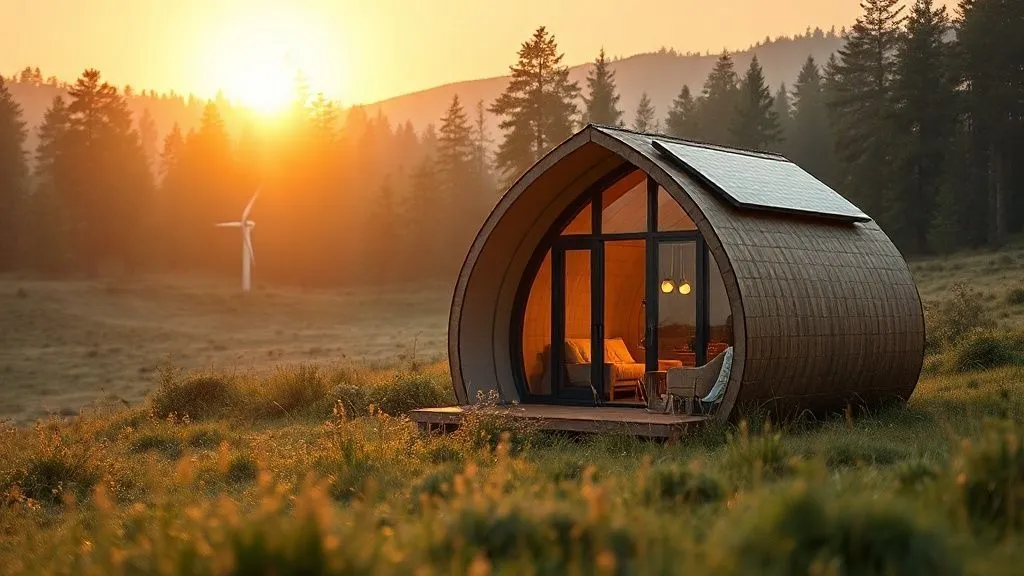
How to Cost-Effectively Power Off-Grid Glamping Eco Pods?
For over 15 years in the unique intersection of sustainable travel and off-grid living, I've witnessed the exhilarating rise of glamping eco pods. Yet, I've also seen countless entrepreneurs and dreamers stumble at a critical juncture: reliably and affordably powering these remote havens.
The allure of off-grid glamping is undeniable—serenity, immersion in nature, minimal footprint. But behind that idyllic vision lies a complex challenge: how do you provide essential comforts like lighting, heating, and device charging without breaking the bank or compromising your eco-friendly ethos? The costs of fuel, generator maintenance, and grid extensions can quickly erode profitability and sustainability.
In this definitive guide, I'll share my hard-won insights and practical strategies for how to cost-effectively power off-grid glamping eco pods. We'll move beyond generic advice, diving into actionable frameworks, real-world considerations, and expert tips that will empower you to build a robust, economical, and truly sustainable energy solution for your glamping venture.
Understanding Your Energy Needs: The Foundation of Cost-Effectiveness
Before you even think about solar panels or wind turbines, the absolute first step is to meticulously understand your energy consumption. I've seen too many projects over-spec or under-spec their systems, leading to either exorbitant costs or frustrating power shortages.
Conducting a Thorough Energy Audit
This isn't just about guessing; it's about data. You need a clear picture of every appliance, every light, and every device that will draw power. This forms the bedrock of a truly cost-effective system.
- List All Appliances: Document every single electrical item, from mini-fridges and water pumps to phone chargers and fairy lights.
- Note Wattage: Find the wattage (W) or amperage (A) for each item. If you only have amps, multiply by voltage (typically 12V or 24V for DC, 120V or 240V for AC) to get watts.
- Estimate Daily Usage: Crucially, estimate how many hours per day each item will be used. Be realistic, considering guest behavior.
- Calculate Watt-Hours (Wh) per Day: Multiply wattage by daily usage hours for each item. Sum these up to get your total daily Wh requirement.
- Factor in Inverter Losses: If you're converting DC battery power to AC for standard appliances, account for 10-20% energy loss in the inverter.
"The most expensive energy is the energy you don't need to produce. Optimize demand before optimizing supply." - My personal mantra for off-grid success.
Harnessing the Sun: Solar PV Systems for Glamping Pods
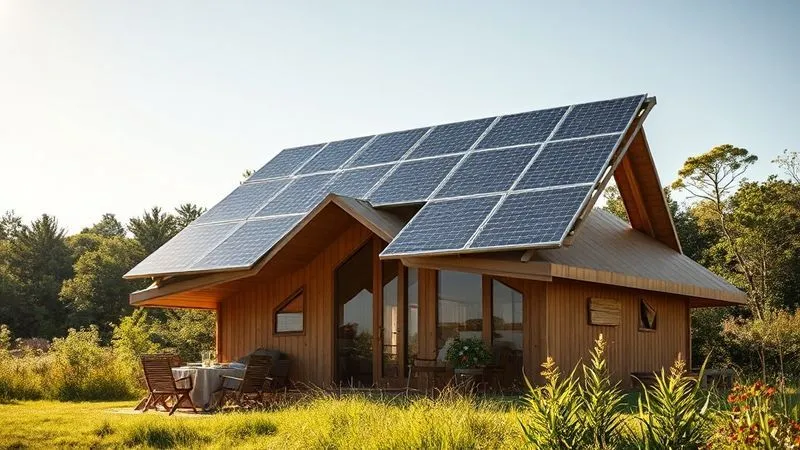
Solar photovoltaic (PV) systems are often the go-to solution for off-grid glamping, and for good reason. They are reliable, relatively low-maintenance, and offer a truly renewable energy source. The key to cost-effectiveness here lies in smart design and efficient deployment.
Modern solar panels have become incredibly efficient and affordable. According to the Solar Energy Industries Association (SEIA), solar installation costs have plummeted by over 70% in the last decade, making them an increasingly viable option for remote power.
Optimizing Panel Placement and Tilt
Simply putting panels on a roof isn't enough. I've seen setups lose 20-30% efficiency due to poor orientation or shading. Panels should ideally face true south (in the Northern Hemisphere) or true north (in the Southern Hemisphere) at an angle optimized for your latitude and seasonal sun path. Consider adjustable mounts if you're in a location with significant seasonal sun angle changes.
Shading is the enemy of solar production. Even a small shadow from a tree branch or another pod can drastically reduce the output of an entire string of panels. Conduct a thorough shade analysis for all seasons before installation.
Wind and Water: Exploring Alternative Renewables
While solar is dominant, it's not the only player. For truly robust and cost-effective off-grid power, especially in areas with specific environmental conditions, integrating other renewable sources can be a game-changer. This is where hybrid systems shine.
Micro-Hydro: A Niche, Powerful Solution
If your glamping site has a reliable, year-round stream or small river with a decent drop (head) and flow rate, micro-hydro power can be incredibly efficient and consistent. It offers 24/7 power, often outperforming solar in terms of sheer energy density. While initial setup can be more complex and site-specific, the long-term operational costs are minimal.
Small-Scale Wind Turbines: When Conditions Align
Wind turbines are another option, particularly in open, consistently windy locations. I often see people dismiss them, but a well-sited small-scale turbine can complement solar perfectly, especially during cloudy, windy winter months when solar output is low. Again, proper site assessment for average wind speed is critical to avoid wasted investment.
| Source | Pros | Cons | Best For |
|---|---|---|---|
| Solar PV | Widespread applicability, mature technology, silent, low maintenance | Intermittent (daylight only), weather dependent, requires battery storage | Sunny locations, primary power source |
| Micro-Hydro | Consistent 24/7 power, high energy density, long lifespan | Site-specific (requires water source/head), higher initial setup complexity | Sites with reliable water flow, base load power |
| Small Wind | Generates power day/night, complements solar well in winter | Requires consistent wind, can be noisy, visual impact, maintenance | Open, windy locations, hybrid systems |
The Heart of Off-Grid: Battery Storage and Management
No discussion about **how to cost-effectively power off-grid glamping eco pods** is complete without delving into battery storage. This is where the power you generate is stored for use when your primary source isn't producing (e.g., night for solar, calm days for wind).
Choosing the Right Battery Technology
For glamping eco pods, lithium-ion batteries (specifically LiFePO4) have become the gold standard. While their upfront cost is higher than traditional lead-acid batteries, their advantages in terms of lifespan (often 10+ years), depth of discharge (80-100% vs. 50% for lead-acid), efficiency, and maintenance-free operation make them far more cost-effective in the long run. They also handle temperature fluctuations better, which is crucial for remote installations.
I always advise clients to consider the total cost of ownership, not just the purchase price. A cheaper lead-acid bank that needs replacing every 3-5 years and requires constant monitoring will quickly become more expensive than a robust LiFePO4 system.
Smart Energy Management Systems
Beyond the batteries themselves, a sophisticated Battery Management System (BMS) and an intelligent charge controller are non-negotiable. These systems protect your batteries from overcharging or over-discharging, optimize charging cycles, and can even provide remote monitoring and control. This level of oversight is crucial for ensuring system longevity and preventing costly failures.
Investing in a smart inverter/charger that can seamlessly manage inputs from multiple sources (solar, wind, generator) and output stable AC power is also vital. These intelligent systems are the brains of your off-grid operation, significantly enhancing reliability and efficiency. For more on battery advancements, Nature Energy often publishes cutting-edge research in this field.
Energy Efficiency: Your First Line of Defense Against High Costs
This is perhaps the most overlooked aspect of off-grid power, yet it's often the single most impactful strategy for cost-effectiveness. The less energy you need, the smaller (and cheaper) your generation and storage systems can be. It's truly your first line of defense.
Designing for Low Consumption
From the ground up, your eco pod design should prioritize energy efficiency. This includes:
- Superior Insulation: High R-value walls, roofs, and floors drastically reduce heating and cooling loads.
- Passive Solar Design: Orienting the pod to maximize winter sun exposure and minimize summer overheating.
- Natural Ventilation: Strategic window placement for cross-breezes to reduce reliance on fans or AC.
- LED Lighting: Using only LED bulbs, which consume a fraction of the power of incandescent or even CFLs.
- Water Heater Efficiency: Opting for on-demand propane water heaters or highly insulated electric models sized appropriately.
Appliance Selection and Guest Education
Every appliance choice matters. I always advise clients to choose Energy Star rated appliances where possible. Beyond that, educating your guests about responsible energy use is paramount. Simple, polite signage can make a huge difference.
Consider:
- Clear instructions on thermostat use (e.g., "Please set to X when leaving").
- Reminders to turn off lights and unplug chargers.
- Explaining the off-grid system in a welcoming way, encouraging mindful consumption rather than restriction.
Hybrid Systems and Backup Solutions: Ensuring Reliability
While a single renewable source might suffice in ideal conditions, a truly resilient and cost-effective off-grid glamping operation often relies on a hybrid approach. This means combining two or more energy sources to mitigate the intermittency of any single one.
Integrating Multiple Renewable Sources
A common and highly effective hybrid system combines solar PV with a small wind turbine. Solar excels on sunny days, while wind often performs better during cloudy, stormy weather or at night. This complementary relationship can significantly reduce the size of your battery bank, thereby lowering overall costs and extending system reliability.
If micro-hydro is an option, it can provide a consistent base load, allowing solar and wind to top off batteries during peak generation, creating an exceptionally robust system. The goal is to create redundancy and ensure power availability regardless of specific weather patterns.
Generator Backups: A Necessary Evil?
Even with a well-designed hybrid renewable system, I often recommend a small, fuel-efficient generator as an emergency backup. This isn't for daily use, but for those rare extended periods of inclement weather or unexpected surges in demand. Think of it as an insurance policy. Modern inverter generators are much quieter and more fuel-efficient than traditional models, making them less intrusive for a glamping environment.
Case Study: The 'Whispering Pines' Eco Retreat
The 'Whispering Pines' Eco Retreat, nestled in a valley prone to winter fog and summer breezes, faced a challenge in powering its five luxury eco pods. Initially, they relied solely on solar, which struggled during extended cloudy periods, necessitating frequent, noisy generator use. After consulting with my team, they implemented a hybrid system: augmenting their existing solar array with small, vertical-axis wind turbines strategically placed on a nearby ridge. This integration drastically reduced generator run-time by 80%, particularly during winter. The consistent wind power during low-sun days meant their guests experienced uninterrupted power, leading to a significant increase in positive reviews and a stronger brand reputation for reliability. This resulted in a 15% increase in occupancy during the shoulder seasons.
Long-Term Maintenance and Scalability for Sustained Savings
A cost-effective off-grid system isn't a 'set it and forget it' solution. Proactive maintenance and thoughtful planning for future growth are essential for sustained savings and operational success. Neglecting maintenance can lead to premature system failures, which are always more expensive to fix than to prevent.
Proactive Maintenance Schedules
I cannot stress enough the importance of regular checks. This prevents small issues from escalating into major, costly problems. Here's a basic schedule I recommend:
- Monthly: Check battery terminals for corrosion, clean solar panels (especially after dusty periods), inspect wiring for wear or damage.
- Quarterly: Verify charge controller and inverter settings, check fluid levels in any lead-acid batteries (if used), ensure proper ventilation around equipment.
- Annually: Have a qualified technician perform a comprehensive system check, including voltage drops, ground fault detection, and battery health assessment.
For more detailed maintenance guides, resources like Renewable Energy World offer excellent advice.
Planning for Future Expansion
When you first design your system, consider future scalability. Are you planning to add more eco pods? Will guests expect more power-hungry amenities down the line? It's often more cost-effective to slightly oversize your conduit and wiring during initial installation than to rip out walls and trench new lines later. Think modularity for your solar arrays and battery banks, allowing for easy additions.
Navigating Regulations and Funding for Your Off-Grid Power
Finally, understanding the legal and financial landscape is crucial for any off-grid glamping venture. Regulations vary significantly by location, and overlooking them can lead to costly delays or fines. Conversely, tapping into available funding can substantially reduce your initial investment, making your project even more cost-effective.
Understanding Local Permitting
Before you break ground or install a single panel, research local building codes, electrical codes, and environmental regulations. Some jurisdictions have specific requirements for off-grid systems, including permits for solar installations, battery storage, and even water diversion for micro-hydro. Consulting with local authorities or an experienced renewable energy contractor familiar with regional rules is always a wise investment.
Grants and Incentives for Renewable Energy
Many governments and non-profit organizations offer grants, tax credits, or low-interest loans for renewable energy projects, especially those with an eco-tourism focus. These incentives can dramatically offset upfront costs. I encourage all glamping entrepreneurs to explore resources like the Database of State Incentives for Renewables & Efficiency (DSIRE) in the US, or similar country-specific programs. A little research here can yield significant financial benefits.
Frequently Asked Questions (FAQ)
What's the most common mistake glamping owners make with off-grid power? In my experience, the biggest mistake is underestimating energy demand or failing to conduct a thorough energy audit. This often leads to undersized systems that can't meet guest expectations, resulting in frequent power outages, reliance on noisy generators, and ultimately, frustrated guests and costly upgrades. Always overestimate slightly and prioritize efficiency first.
How do I size my battery bank correctly? After calculating your daily watt-hour (Wh) consumption, you need to determine your desired 'days of autonomy' (how many days your system can run without sun/wind). Multiply your daily Wh by the days of autonomy, then divide by the battery voltage (e.g., 12V, 24V, 48V) to get your amp-hour (Ah) requirement. Finally, factor in the battery's usable depth of discharge (DoD) – typically 80% for LiFePO4 – to get the actual bank size needed. It's a precise calculation that often benefits from professional input.
Are micro-hydro systems truly viable for most locations? Micro-hydro systems are highly site-specific. They require a consistent water source with sufficient 'head' (vertical drop) and 'flow' (volume of water). While incredibly efficient where viable, they are not a universal solution. A professional hydrological survey is essential to determine feasibility and optimal turbine selection. Don't invest in one unless your site unequivocally supports it.
How do I educate guests about energy conservation without impacting their experience? The key is subtle education and smart design. Instead of strict rules, provide engaging information about your eco-friendly power system. Use clear, polite signage (e.g., "Our eco-pods are powered by the sun! Please help us conserve energy by turning off lights when not in use."). Offer energy-efficient appliances and lighting that don't feel restrictive. Most guests appreciate contributing to sustainability if given the opportunity to do so easily.
What's the typical ROI for investing in a robust off-grid power system? The Return on Investment (ROI) for a well-designed off-grid system can be substantial, though it varies widely based on initial costs, grid extension alternatives, and fuel savings. I've seen systems pay for themselves within 5-10 years purely through avoided grid connection fees, generator fuel, and maintenance costs. Furthermore, the enhanced guest experience, reduced environmental footprint, and marketing appeal of a truly sustainable glamping site contribute significantly to indirect, long-term ROI.
Key Takeaways and Final Thoughts
Mastering **how to cost-effectively power off-grid glamping eco pods** is a journey that blends technical know-how with strategic planning and a deep commitment to sustainability. It's not about finding a single magic bullet, but rather implementing a holistic approach.
- Prioritize Energy Efficiency: Reduce demand before increasing supply. It's your most cost-effective strategy.
- Conduct a Meticulous Energy Audit: Don't guess; calculate your needs precisely.
- Embrace Hybrid Systems: Combine solar, wind, or micro-hydro for reliability and redundancy.
- Invest in Quality Storage: Lithium-ion batteries offer superior long-term value.
- Plan for Maintenance and Scalability: Proactive care and future-proofing save money in the long run.
- Leverage Incentives: Research grants and tax credits to reduce upfront costs.
As an industry specialist, I truly believe that sustainable, off-grid glamping is the future of eco-tourism. By applying these strategies, you're not just building a business; you're creating an experience that respects our planet, delights your guests, and stands as a testament to intelligent, responsible development. Go forth and power your dreams sustainably!
Recommended Reading
- Unlock the Magic: Discover Kid-Friendly Destinations That Offer Educational Fun
- The Ultimate Guide: How to Plan Your Multi-Park National Park Road Trip
- Unlock the Secrets: What to Wear for Formal Dining at Luxury Resorts
- Why High-End Guests Bypass Rustic-Elegant Glamping: 5 Crucial Fixes
- Ethical Integration: 7 Steps to Include Indigenous Dances in Travel

Your email address will not be published. Required fields are marked *