


How to prevent overtourism at small local cultural celebrations?
For over two decades navigating the intricate world of travel, I've witnessed the transformative power of local celebrations. These aren't just events; they're the beating heart of a community, a vibrant tapestry woven from generations of tradition, storytelling, and shared joy. Yet, I've also seen the shadow cast by unchecked popularity – the very essence of these gatherings threatened by an influx of well-meaning but often overwhelming visitors.
This phenomenon, now widely known as overtourism, is particularly insidious for small, intimate cultural celebrations. Unlike major city attractions, these events often lack the infrastructure, resources, and institutional safeguards to absorb a sudden surge in visitors. The result? Diluted authenticity, strained local resources, environmental degradation, and ultimately, the erosion of the very cultural fabric that drew people there in the first place. Locals feel displaced, traditions become commercialized, and the unique charm fades into a mere spectacle.
But it doesn't have to be this way. In my extensive experience working with communities worldwide, I've learned that preventing overtourism at small local cultural celebrations isn't about shutting out visitors; it's about thoughtful, proactive management and fostering a symbiotic relationship between host and guest. This article will delve into seven proven, actionable strategies, drawing on real-world insights and frameworks, to help communities protect their heritage while still sharing its beauty responsibly. We'll explore how to empower locals, manage visitor flows, educate travelers, and leverage innovation to ensure these invaluable celebrations thrive for generations to come, truly answering the question of how to prevent overtourism at small local cultural celebrations.
Understanding the Delicate Ecosystem of Local Celebrations
Before we can implement solutions, we must first deeply appreciate what makes small local celebrations so unique and, consequently, so vulnerable. These events are often deeply rooted in specific local histories, religious practices, agricultural cycles, or community milestones. They are not designed for mass tourism; rather, they are organic expressions of identity and belonging, nurtured over generations within a specific cultural context.
The value these celebrations offer extends far beyond mere entertainment. They are vital for cultural continuity, acting as living museums that transmit knowledge, skills, and values from elders to youth. They provide a sense of cohesion and pride within the community, often serving as critical social anchors. Economically, they can offer a much-needed boost to local artisans, food producers, and small businesses, but this benefit is easily overshadowed if the scale of tourism becomes disproportionate to the community's capacity.
The true magic of a local celebration lies not in its scale, but in its authenticity – an authenticity that is easily fractured by external pressures if not carefully guarded. Once lost, it is incredibly difficult, if not impossible, to restore.
Their vulnerability stems from their inherent intimacy and often limited resources. A small village might have only a handful of accommodations, a single main street, and a volunteer-run organizing committee. A sudden influx of thousands of visitors can quickly overwhelm these finite resources, leading to traffic jams, waste management issues, depletion of local food supplies, and cultural clashes. Understanding this delicate ecosystem is the foundational step in crafting effective strategies to prevent overtourism at small local cultural celebrations.
Strategy 1: Empowering Local Communities Through Ownership and Voice
The most crucial element in any sustainable tourism strategy, especially for cultural events, is ensuring that the local community is not just consulted, but actively empowered and in control. Without genuine local ownership, any external solution is destined to be superficial and unsustainable. Locals understand the nuances of their traditions, the sensitivities of their spaces, and the true carrying capacity of their community better than any external planner.
Community Consultations and Decision-Making Bodies
Establishing formal and informal channels for community input and decision-making is paramount. This isn't a one-off survey; it's an ongoing dialogue that respects local governance structures and cultural norms. I've seen success in communities where 'Festival Guardians' or 'Cultural Stewardship Councils' are formed, comprised entirely of local residents, elders, and youth representatives.
- Identify Key Stakeholders: Begin by mapping all relevant community groups, including traditional leaders, artisans, business owners, youth groups, and environmental advocates.
- Form a Dedicated Local Committee: Establish a formal or informal committee, elected or appointed by the community, with clear responsibilities for festival planning and tourism management.
- Develop a Transparent Decision-Making Process: Ensure that decisions regarding visitor numbers, marketing, infrastructure, and revenue allocation are made collectively and transparently.
- Ensure Ongoing Feedback Loops: Implement mechanisms for continuous feedback from residents before, during, and after the celebration to adapt strategies as needed.
According to a study by the UN World Tourism Organization (UNWTO), community involvement is paramount for sustainable tourism development, ensuring benefits are shared and negative impacts mitigated. This involvement moves beyond mere consultation to active participation in planning, management, and benefit-sharing. When locals feel their voices are heard and their concerns addressed, they become the strongest advocates for responsible tourism.
| Level of Involvement | Description | Impact on Overtourism |
|---|---|---|
| Informative | One-way flow of information to locals. | Minimal, locals feel excluded. |
| Consultative | Seeking local opinions, but decisions remain external. | Moderate, some concerns addressed but limited power. |
| Participatory | Locals actively involved in planning and decision-making. | High, leading to co-created solutions and ownership. |
| Empowered | Locals hold primary decision-making power and control. | Very High, ensuring authentic and sustainable practices. |
By vesting control in the hands of those who live and breathe the culture, we ensure that the celebration remains true to its roots and that any tourism initiatives are aligned with community values and long-term well-being. This local stewardship is the bedrock upon which effective prevention of overtourism at small local cultural celebrations must be built.
Strategy 2: Implementing Smart Visitor Management and Capacity Limits
Once the community has established its vision and boundaries, the next practical step is to manage the flow of visitors. Simply hoping for the best is not a strategy; proactive visitor management is essential to prevent overwhelming small local celebrations. This involves understanding the physical and cultural carrying capacity of the site and implementing mechanisms to stay within those limits.
Case Study: The 'Hidden Gem' Festival's Transformation
Let me tell you about the 'Blessing of the Nets' festival in a small fishing village in Southeast Asia. For generations, this annual event was a heartfelt ritual, with a few hundred villagers and neighboring communities gathering to pray for a bountiful season. With the advent of social media, photos of its vibrant boat decorations and unique ceremonies went viral. The next year, thousands descended, overwhelming the tiny village. Traffic choked the single road, waste piled up, and local families couldn't even participate in their own traditions due to the crowds.
Recognizing the crisis, the newly formed local 'Fisherfolk Council' took decisive action. They implemented a tiered ticketing system, with a significant portion reserved for locals and tickets for tourists released in limited batches online. They partnered with a regional transport company to offer shuttle buses from a designated parking area 5km away, eliminating village traffic. Furthermore, timed entry slots were introduced for certain ceremonial areas, ensuring respectful viewing without congestion. The result? Visitor numbers were capped at a manageable level, local participation was restored, and the festival’s authenticity was preserved, transforming it from a chaotic spectacle back into a sacred community event. This demonstrated a powerful way to truly prevent overtourism at small local cultural celebrations.
The Harvard Business Review has highlighted the success of 'dynamic pricing and capacity control' in managing demand for popular attractions, a principle equally applicable to cultural events. This isn't about exclusion, but about ensuring quality of experience for both residents and visitors, and safeguarding the resource itself.
Mechanisms for smart visitor management can include:
- Advance Ticketing Systems: Requiring pre-booked tickets, especially for peak times or specific events, allows communities to control numbers.
- Timed Entry Slots: Spreading visitor arrivals throughout the day reduces bottlenecks and congestion.
- Designated Viewing Areas: Creating specific, often elevated, areas for visitors ensures they can observe without disrupting local rituals.
- Shuttle Services and Park-and-Ride: Preventing private vehicles from entering the core festival area significantly reduces traffic and environmental impact.
- Tiered Pricing: Sometimes, a higher price for international visitors can help manage demand and generate funds for local initiatives, while keeping it affordable for locals.

These tools, when implemented thoughtfully and with community consent, empower local organizers to maintain the integrity and intimacy of their celebrations, ensuring they remain enjoyable and sustainable for all.
Strategy 3: Educating Travelers on Responsible and Respectful Engagement
Often, the negative impacts of tourism are not born of malice but of ignorance. Many travelers genuinely want to experience and appreciate local culture but may be unaware of local customs, sensitivities, or the fragile nature of the celebration they are visiting. Education is a powerful tool in fostering responsible tourism behavior and is a key component in how to prevent overtourism at small local cultural celebrations.
Crafting a 'Visitor's Code of Conduct'
Communities should proactively provide clear, concise, and accessible information to visitors before they arrive and upon entry. This can take the form of a 'Visitor's Code of Conduct' or 'Cultural Etiquette Guide,' distributed via websites, booking confirmations, local information points, and even through local guides.
- Respect Local Customs and Dress Codes: Advise visitors on appropriate attire and behavior, especially when visiting sacred sites or participating in religious ceremonies.
- Ask Permission Before Photographing People: Emphasize the importance of consent, particularly for children or elderly individuals, and avoid intrusive photography during sensitive moments.
- Support Local Businesses Directly: Encourage purchasing from local artisans, food stalls, and service providers, ensuring economic benefits stay within the community.
- Minimize Your Environmental Footprint: Provide guidelines on waste disposal, water conservation, and avoiding littering, often with clear signage.
- Engage with Humility and Curiosity: Encourage respectful interaction, learning a few local phrases, and being open to new experiences without judgment.
- Stay on Designated Paths: Protect fragile natural or historical areas by guiding visitors on where they can and cannot go.
As a seasoned traveler, I've seen how a simple, well-designed infographic or a friendly local guide explaining these points can make a world of difference. It shifts the visitor's mindset from passive observer to active, respectful participant. National Geographic Traveler, for example, consistently champions responsible travel guidelines, demonstrating the impact of informed visitors.
This educational effort should be ongoing, integrated into all communication channels, and delivered with warmth rather than a list of prohibitions. When travelers understand the 'why' behind the rules, they are far more likely to adhere to them, becoming allies in the preservation of the local culture.
Strategy 4: Diversifying Visitor Flow and Promoting Off-Peak Experiences
One of the hallmarks of overtourism is the concentration of visitors in specific 'hot spots' at peak times. To mitigate this, communities can strategically diversify visitor flow, both geographically and temporally. This strategy helps to prevent overtourism at small local cultural celebrations by spreading the impact and encouraging a more immersive, less crowded experience.
Encouraging Extended Stays and Local Exploration
Instead of visitors arriving solely for the main event and departing immediately, communities can encourage longer stays that allow for exploration of the broader region and participation in other local activities. This not only reduces pressure on the festival itself but also distributes economic benefits more widely across the community.
- Promote Pre- and Post-Festival Activities: Highlight local workshops (e.g., traditional crafts, cooking classes), nature tours, historical sites, or other cultural experiences available before or after the main celebration.
- Create 'Discovery Trails': Develop self-guided or locally-guided routes that lead visitors to lesser-known parts of the community, local businesses, or natural attractions, away from the festival core.
- Offer 'Off-Season' Experiences: Showcase local life and activities outside the main festival period, attracting visitors during quieter times and providing year-round income for residents.
- Collaborate with Neighboring Communities: Partner with nearby villages or towns to create regional itineraries, encouraging visitors to explore a broader area rather than concentrating solely on one event.
By offering a rich tapestry of experiences, communities can appeal to a wider range of travelers and encourage a more thoughtful engagement with the destination. This strategic diversification not only lessens the burden on the main celebration but also provides a more authentic and enriching experience for the visitor, fostering a deeper appreciation for the local culture and environment.
Strategy 5: Fostering Economic Benefits that Stay Local
Tourism, when managed responsibly, can be a powerful engine for local economic development. However, if the economic benefits 'leak out' to external corporations, tour operators, or non-local vendors, the community bears the costs of overtourism without reaping its rewards. Ensuring that the economic gains remain within the local ecosystem is a critical strategy for sustainable cultural celebrations.
Direct Local Sourcing and Fair Trade Principles
Communities should prioritize and actively promote businesses and individuals within their own locality. This means ensuring that local artisans, food producers, performers, and service providers (guides, accommodation owners) are the primary beneficiaries of visitor spending.
- Local Vendor Preference: Establish policies that give preference to local businesses for all festival-related goods and services, from food stalls to decorations.
- Fair Wages and Ethical Practices: Ensure that all local participants, especially performers and craftspeople, are paid fairly and that their work is valued appropriately.
- Direct-to-Consumer Opportunities: Create platforms (e.g., local markets, online directories) that connect visitors directly with local producers, minimizing intermediaries.
- Community Funds: A portion of tourism revenue (e.g., from tickets, visitor levies) can be directed into a community fund managed by local residents, for projects like infrastructure upgrades, cultural preservation, or education.
According to Forbes, supporting local economies through tourism is crucial for community resilience, preventing leakage of tourism revenue to external corporations. This ensures that the wealth generated by tourism circulates within the local economy, creating jobs and fostering local entrepreneurship. When communities directly benefit, they have a stronger incentive to protect their cultural assets and manage tourism sustainably.
By intentionally channeling economic benefits to local hands, communities can strengthen their self-reliance and build a more equitable tourism model. This not only makes the celebration more sustainable but also enhances its authenticity, as visitors experience a vibrant local economy directly tied to the cultural event. This is a crucial element in how to prevent overtourism at small local cultural celebrations effectively.
Strategy 6: Leveraging Technology for Sustainable Tourism Management
In the past, managing tourism often felt like a reactive process. Today, technology offers powerful tools for proactive and data-driven management, even for small communities. These tools can help monitor visitor flows, predict impacts, enhance visitor experiences, and ultimately contribute to preventing overtourism at small local cultural celebrations.
Utilizing Predictive Analytics for Impact Assessment
Data is a valuable asset. Small communities can leverage simple, accessible technologies to gather information on visitor origins, peak visitation times, spending patterns, and even sentiment. This data can then be used to make informed decisions about capacity, marketing, and resource allocation.
- Visitor Registration and Surveys: Digital registration for events or simple QR code surveys can collect basic demographic and feedback data.
- Social Media Monitoring: Analyzing social media mentions and geo-tags (with caution for sensitive areas) can provide insights into popular spots and potential overcrowding.
- Crowd Monitoring Apps (where feasible): While often associated with larger events, simpler versions can be adapted to monitor density in key festival areas, allowing organizers to direct visitors to less crowded zones.
- Digital Storytelling Platforms: Developing dedicated websites or apps that provide rich cultural context and responsible visitor guidelines can educate visitors before and during their trip.
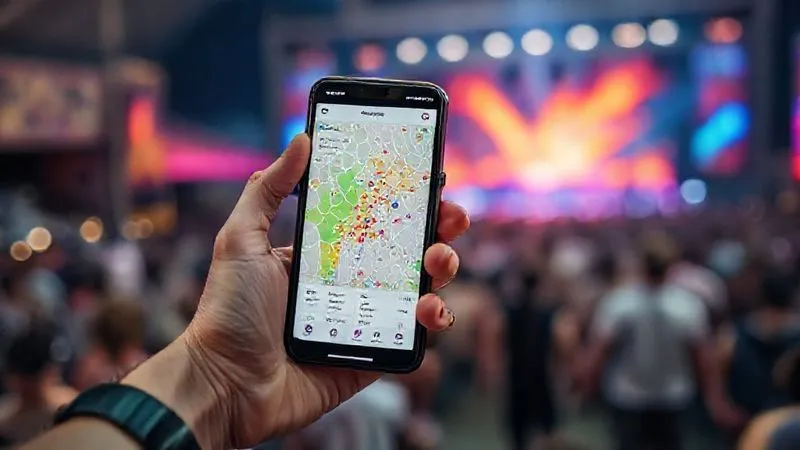
Furthermore, technology can enhance the visitor experience in ways that promote sustainability. For instance, augmented reality (AR) apps can provide historical context to sites without the need for physical signage, reducing environmental impact. Digital maps can guide visitors to local businesses or less-traveled paths, diversifying their experience and dispersing crowds.
The key is to adopt technology that is appropriate for the community's capacity and needs, avoiding overly complex or expensive solutions. Simple data collection and communication tools can go a long way in empowering local organizers to make smarter, more sustainable decisions, turning potential challenges into opportunities for growth and preservation. This proactive approach is vital for how to prevent overtourism at small local cultural celebrations.
Strategy 7: Crafting Authentic Narratives and Marketing Responsibly
How a cultural celebration is marketed profoundly influences the type of visitor it attracts and their expectations. Irresponsible marketing, focusing solely on picturesque 'Instagram moments' or sensationalizing cultural practices, can attract visitors seeking superficial experiences, contributing to overtourism and cultural commodification. Crafting authentic narratives and marketing responsibly is therefore paramount.
The Power of Storytelling: Beyond the Instagram Moment
Instead of merely showcasing the visual spectacle, marketing efforts should delve into the deeper meaning, history, and community significance of the celebration. This attracts more thoughtful, respectful visitors who are genuinely interested in cultural immersion rather than just a photo opportunity.
- Highlighting the 'Why': Explain the origins, spiritual significance, and community purpose behind the rituals, rather than just describing what happens.
- Featuring Local Voices: Use quotes, interviews, and stories from community members (elders, artisans, performers) to give an authentic voice to the narrative.
- Emphasizing Cultural Etiquette: Integrate responsible visitor guidelines directly into marketing materials, setting expectations for respectful engagement from the outset.
- Focusing on Immersion, Not Just Observation: Promote opportunities for visitors to learn about local crafts, food, or language, encouraging deeper interaction.
- Avoiding 'Hype' and Sensationalism: Resist the urge to use hyperbolic language or images that might create unrealistic expectations or portray the culture as merely an exotic spectacle.
- Using Sustainable Imagery: Showcase images that depict respectful interaction, uncrowded scenes, and the authentic beauty of the local environment and people.
As marketing guru Seth Godin often says, 'People don't buy what you do; they buy why you do it.' This applies profoundly to cultural tourism. When we communicate the 'why' – the heart and soul of a celebration – we attract visitors who are more likely to respect and cherish it.
Responsible marketing involves a shift from simply promoting a destination to educating potential visitors and curating their expectations. It's about inviting guests to be part of something meaningful, rather than just consumers of an experience. This proactive and ethical approach to communication is a critical defense against the negative impacts of overtourism, helping to preserve the integrity of small local cultural celebrations.
Frequently Asked Questions (FAQ)
How do we fund these sustainable initiatives to prevent overtourism at small local cultural celebrations? Funding can come from various sources. Local governments can allocate budgets, often supplemented by grants from national or international cultural and tourism organizations. A small portion of visitor ticket sales or a dedicated 'tourism levy' can be reinvested directly into community-led initiatives, infrastructure improvements, or cultural preservation projects. Community crowdfunding and partnerships with ethical tour operators or corporate sponsors who align with sustainable values can also be explored. The key is transparency in how funds are raised and utilized.
What if local residents resist visitor management strategies like capacity limits? Resistance often stems from a lack of understanding or perceived loss of economic opportunity. Early and continuous engagement with the community is vital. Demonstrate how uncontrolled tourism has negatively impacted their lives and how proposed strategies will protect their culture and quality of life while ensuring sustainable economic benefits. Pilot programs, clear communication of success stories, and ensuring locals are involved in the decision-making process can build trust and gain widespread acceptance. It's about showing, not just telling, the long-term benefits.
How can small communities compete with larger, more established festivals without compromising authenticity? Small communities shouldn't try to 'compete' on scale or spectacle. Their strength lies in their unique authenticity, intimacy, and the genuine connection they offer. Marketing should focus on these unique selling propositions: the chance for deep cultural immersion, personal interactions, and supporting a truly local experience. Emphasize the 'slow travel' aspect, the opportunity to learn directly from artisans, or to witness traditions unchanged by mass tourism. The goal isn't to attract the most visitors, but the 'right' visitors – those who value respect and authenticity.
What's the role of social media in all this? Is it a help or a hindrance for preventing overtourism at small local cultural celebrations? Social media is a double-edged sword. It can be a powerful tool for responsible storytelling, educating potential visitors about cultural etiquette, and showcasing the deeper meaning of celebrations. It allows communities to control their narrative. However, it can also lead to 'viral' moments that attract overwhelming numbers, or encourage 'trophy tourism' where visitors prioritize photos over respectful engagement. Communities should use social media proactively for education and responsible promotion, perhaps even discouraging geo-tagging of particularly sensitive or fragile locations, and encouraging content that highlights respectful interactions and cultural depth.
How do we measure the success of these strategies beyond just visitor numbers? Measuring success requires a holistic approach. Beyond visitor numbers (which should ideally be capped), key metrics include: Local Satisfaction: Regular surveys or feedback sessions with residents to gauge their perception of tourism impact. Economic Impact: Tracking revenue that stays local, growth in local businesses, and fair wage practices. Cultural Preservation: Monitoring the vitality of traditions, language, and craft skills. Environmental Impact: Waste management efficiency, resource consumption, and preservation of natural sites. Visitor Satisfaction: Feedback from visitors on the quality of their experience and their adherence to responsible guidelines. Success is about balance and community well-being, not just volume.
Key Takeaways and Final Thoughts
Preventing overtourism at small local cultural celebrations is not a simple task, but it is an absolutely essential one for the preservation of our world's diverse heritage. It requires a multi-faceted, proactive, and deeply collaborative approach that prioritizes the well-being of the host community and the integrity of its traditions above all else. From my extensive time in this field, I've seen firsthand that when communities are empowered, educated, and equipped with the right tools, they can successfully navigate the complexities of tourism.
- Empower Local Communities: Place locals at the heart of all decision-making processes, ensuring their voices and values guide every strategy.
- Implement Smart Capacity Limits: Utilize ticketing, timed entry, and shuttle services to manage visitor flow and protect the physical and cultural carrying capacity.
- Educate and Inform Travelers: Provide clear 'Codes of Conduct' and cultural etiquette guides to foster respectful and responsible visitor behavior.
- Diversify Visitor Experiences: Promote off-peak visits and encourage exploration of the broader region to spread impact and enhance immersion.
- Ensure Local Economic Benefits: Prioritize local sourcing and fair trade practices so that financial gains truly uplift the community.
- Leverage Appropriate Technology: Use data and digital tools to monitor, manage, and enhance the sustainable operation of celebrations.
- Market Responsibly: Craft authentic narratives that highlight cultural depth and meaning, attracting thoughtful visitors rather than just crowds.
Ultimately, the future of these invaluable cultural treasures rests in our collective hands – as experienced specialists guiding communities, and as conscious travelers seeking genuine connection. By embracing these strategies, we can ensure that the vibrant tapestry of local celebrations continues to weave its magic, enriching lives and strengthening cultural identity for generations to come, without succumbing to the pressures of overtourism. Let us all commit to being guardians of authenticity, ensuring that the very heartbeats of these communities remain strong and true.
Recommended Reading
- Master 7 Strategies: How to Avoid Post-Carnival Productivity Slump at Work
- Space Tourism's Legal Void: 5 Strategies to Close Liability Gaps
- Unlock the Magic: Discover the Best Times to Visit Art Galleries on Your City Break
- 7 Solo Travel Pathways: Prevent Executive Burnout & Reignite Your Purpose
- Don't Let Rain Ruin It: Your Ultimate Guide to a Rainy City Break





Your email address will not be published. Required fields are marked *