

Unlocking the Best Times to Visit Art Galleries on a City Break
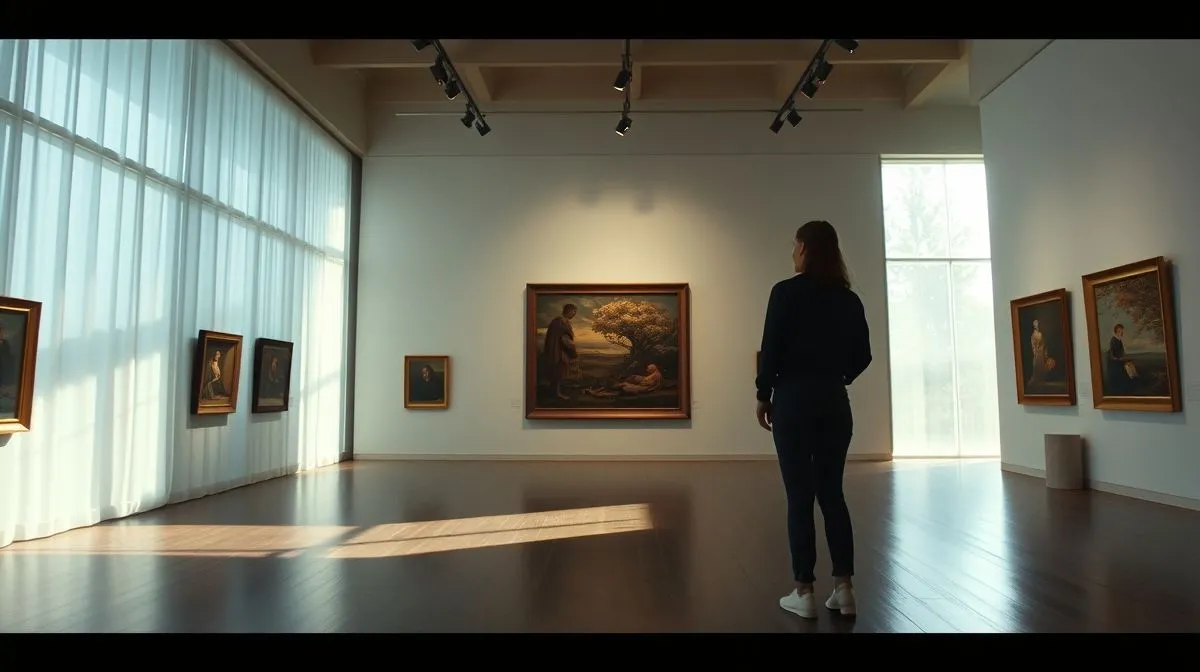
Imagine stepping into a grand hall, bathed in soft, diffused light, where centuries of human creativity whisper from every canvas and sculpture. The air is thick with history, innovation, and profound beauty. This is the promise of an art gallery, a sanctuary for the soul, a feast for the eyes. Yet, too often, this serene vision is shattered by bustling crowds, long queues, and a hurried pace that makes true appreciation almost impossible.
The core problem for any art enthusiast planning a city break is how to truly immerse themselves in this experience without the overwhelming presence of fellow tourists. How do you navigate the peak hours, the school trips, and the general clamor to find those precious moments of quiet contemplation with a masterpiece? It's a common dilemma that can turn a dream cultural excursion into a frustrating race against time and elbow room.
Fear not, for this comprehensive guide is your key to unlocking the perfect gallery visit. We will delve into the strategic timing, insider tips, and practical advice on the best times to visit art galleries on a city break, ensuring your cultural journey is not just memorable, but truly transformative. By the end of this reading, you will possess the knowledge to curate an art experience that feels personal, profound, and perfectly unhurried.
Understanding Gallery Rhythms: The Early Bird Catches the Masterpiece
Every art gallery, much like a living organism, has its own rhythm. Understanding this ebb and flow of visitors is paramount to optimizing your experience. The secret often lies in counter-intuitive timing, going when others don't, or approaching with strategic foresight.
Weekdays vs. Weekends: A Strategic Choice
Without a doubt, weekdays offer a significantly more tranquil environment for gallery visits. Weekends, especially Saturday afternoons, are universally the busiest times. Locals, families, and short-trip tourists converge, transforming quiet corridors into bustling thoroughfares.
- Mid-week Advantage: Tuesdays, Wednesdays, and Thursdays are typically the least crowded days. Many museums are closed on Mondays for maintenance, making Tuesday mornings a slightly busier start to the week.
- Avoid Public Holidays: Always check for local public holidays, as these will mimic weekend crowd levels, regardless of the day of the week.
- Business Traveller Hours: Even on weekdays, lunch hours (12 PM - 2 PM) can see a slight increase in visitors, particularly in galleries located in business districts.
Morning Serenity: Before the Rush
The first hour after an art gallery opens is often the most magical. The air is fresh, the light is pristine, and the crowds are minimal. This is your prime opportunity to experience iconic works with a sense of personal connection, rather than jostling for a view.
Arriving at opening time allows you to explore the most popular wings or specific masterpieces before they become swarmed. You can take your time, absorb the details, and even revisit certain pieces without feeling pressured. This early start also sets a relaxed tone for the rest of your day, allowing for a more leisurely city break experience.
Late Afternoon Lull: A Quieter Wind-Down
Just as the morning offers a peaceful beginning, the late afternoon often presents a similar lull before closing. Many visitors, especially those with families or on tight schedules, begin to depart a couple of hours before the gallery shuts its doors.
This period can be ideal for a second, more focused visit to a particular exhibition or for a general exploration of less-frequented wings. The light might be softer, casting new shadows and perspectives on the art. It's a wonderful time for quiet contemplation and a reflective end to your art appreciation day.
Navigating Special Events and Exhibitions
While permanent collections are always a draw, temporary exhibitions often create unique crowd dynamics. Knowing when to engage with these special offerings can significantly impact your visit.
Opening Days and Closing Weeks: When to Avoid the Hype
New exhibitions generate immense buzz, leading to significant crowds on their opening days and throughout the first week. Similarly, the final week of a popular exhibition often sees a surge in visitors rushing to see it before it closes. Unless you thrive on a vibrant, bustling atmosphere, these periods are best avoided for a serene experience.
Instead, consider visiting a new exhibition a few weeks after its opening, once the initial fervor has subsided. For closing exhibitions, aim for the mid-week, mid-day slot in the weeks leading up to the final one.
Late-Night Openings: A Unique Perspective
Many major art galleries, such as the Metropolitan Museum of Art in New York, offer late-night openings, often on Fridays or Saturdays. These can provide a dramatically different atmosphere, less like a traditional museum visit and more like a social event.
- Pros: Often less crowded than daytime peak hours, a more relaxed vibe, sometimes accompanied by live music or special programming.
- Cons: Can still get busy, especially for popular events; some areas might be closed off; the focus might shift from quiet contemplation to a more social experience.
It's an excellent option for those looking for a different kind of cultural evening, but perhaps not for a deep, solitary art study.
Free Admission Days: A Double-Edged Sword
Some museums offer free admission on specific days or evenings (e.g., the first Sunday of the month, or certain evening hours). While tempting for budget travelers, these are almost invariably the most crowded times to visit. The sheer volume of people can make it challenging to move freely, let alone appreciate the art.
If your budget allows, paying for admission on a quieter day is often a worthwhile investment for a superior experience. However, if free days are your only option, aim to arrive right at opening time or in the very last hour, and be prepared for significant crowds.
Seasonal Considerations: Planning Around Peak Tourist Seasons
The time of year you plan your city break will also significantly influence the crowd levels at art galleries. Understanding these seasonal fluctuations is crucial for strategic planning.
Summer vs. Off-Peak Seasons: Impact on Gallery Traffic
Summer (June-August in the Northern Hemisphere, December-February in the Southern Hemisphere) is universally the peak tourist season. Families are on holiday, and many people take extended trips, leading to maximum crowd density at popular attractions, including art galleries. Similarly, major holiday periods like Christmas and Easter will see a significant surge in visitors.
Conversely, the shoulder seasons (spring: April-May; autumn: September-October) often present the ideal balance. The weather is generally pleasant, and tourist numbers are lower than in summer, allowing for a more enjoyable and less crowded experience. Winter months (excluding holiday periods) can also be excellent for fewer crowds, though the weather might be less inviting for general city exploration.
Holiday Periods: Expect the Unexpected
Beyond the major summer rush, specific holiday periods can drastically alter crowd levels. School holidays, both local and international, will bring an influx of families. Religious festivals or major city events can also impact visitor numbers. Always check the local calendar for your chosen city break destination to anticipate these surges.
For instance, visiting the Louvre Museum in Paris during the week of Christmas will be a vastly different experience than visiting in late October. Flexibility in your travel dates, if possible, can be your greatest asset in finding the best times to visit art galleries on a city break.
Beyond Timing: Enhancing Your Gallery Experience
While timing is critical, several other strategies can further elevate your art gallery visit, transforming it from a mere viewing into a truly immersive experience.
The Power of Advance Booking and Membership
For most major art galleries, booking your tickets online in advance is not just a convenience, it's a necessity. This allows you to bypass long ticket queues, saving valuable time and energy that can be better spent appreciating art.
Consider a museum membership if you plan to visit multiple times or are exploring a city with many institutions. Members often receive priority access, skip-the-line privileges, and sometimes even access to members-only viewing hours or events. This can be a significant advantage, especially in highly popular venues.
Strategic Itinerary Planning: Grouping Galleries
When planning your city break, group galleries that are geographically close to each other. This minimizes travel time and maximizes your time within the museums. For example, in London, you might combine the National Gallery with the National Portrait Gallery, as they are adjacent.
Also, consider the type of art you want to see. Don't try to cram too many major, expansive museums into one day. It's better to deeply experience one or two collections than to superficially rush through several. Prioritize based on your interests and energy levels.
Utilizing Digital Resources: Apps and Websites
Most major art galleries have excellent websites and dedicated mobile apps. These resources are invaluable for planning your visit:
- Opening Hours & Closures: Always double-check these, as they can change for special events or holidays.
- Exhibition Schedules: Plan your visit around temporary exhibitions that interest you.
- Floor Plans & Highlights: Familiarize yourself with the layout and identify must-see pieces beforehand to navigate efficiently.
- Virtual Tours: Some apps offer audio tours or virtual walk-throughs, which can enhance your understanding during your visit or even serve as a pre-visit primer.
Common Pitfalls and How to Avoid Them
Even with the best intentions, certain mistakes can detract from your art gallery experience. Being aware of these can help you avoid them.
Underestimating Travel Time Between Galleries
A common error is to tightly schedule multiple galleries across a city without accounting for travel time, security checks, and entry procedures. Public transport delays, unexpected queues, or simply getting lost can quickly derail a packed itinerary.
Always build in buffer time between planned visits. It's better to have extra time to relax or explore a nearby park than to be rushing and stressed.
Ignoring Local Holidays and Events
As mentioned, local public holidays, school breaks, and major city events (like festivals or marathons) can significantly impact crowd levels and even transport. Always research the local calendar of your destination before finalizing your travel dates. A seemingly quiet weekday could be a major holiday in your chosen city.
Over-scheduling Your Day
Art fatigue is real. Trying to see too much in one day can lead to sensory overload, where no new information or visual stimulus can truly be absorbed. This diminishes the joy of the experience.
Limit yourself to one major gallery per day, or combine a major one with a smaller, more specialized museum. Plan breaks, grab a coffee, or step outside for some fresh air. Pace yourself to truly appreciate the art.
Case Studies: Optimizing Gallery Visits in Major Art Cities
Let's apply these principles to some of the world's most renowned art destinations, demonstrating how to find the best times to visit art galleries on a city break in practice.
Paris: The Louvre and Musée d'Orsay
The Louvre: This colossal museum is almost always busy. To truly experience it, aim for a Wednesday or Friday evening (when it's open late). Arrive 15-30 minutes before opening time, or target the final 2-3 hours before closing. Focus on specific wings rather than trying to see everything. The Denon Wing (Mona Lisa, Venus de Milo) is always the busiest; consider starting elsewhere.
Musée d'Orsay: Known for its Impressionist masterpieces. Similar to the Louvre, early mornings (right at opening) on weekdays (Tuesdays-Thursdays) are ideal. The museum is also open late on Thursdays, offering a quieter viewing experience.
New York: MoMA and The Met
Museum of Modern Art (MoMA): Often very popular. Weekday mornings, especially just after opening, are your best bet. Fridays offer free admission during specific evening hours, but this is a peak crowd time. Consider a mid-week afternoon for a more relaxed visit.
The Metropolitan Museum of Art (The Met): A vast institution. Weekday mornings are best. The Met is closed on Wednesdays, making Thursdays slightly busier. Take advantage of their late Friday and Saturday evening hours for a more sophisticated, less crowded experience, often with live music in the Great Hall.
London: Tate Modern and National Gallery
Tate Modern: A contemporary art powerhouse. Weekday mornings are generally calm. Weekends, especially during popular exhibitions, can be very busy. Its location along the South Bank means it receives significant foot traffic. Try a late weekday afternoon after 3 PM.
National Gallery: Home to European masterpieces. Weekday mornings, particularly Tuesdays and Wednesdays, are ideal. The gallery often has late openings on Fridays, which are a fantastic opportunity for a quieter visit, especially in the less popular wings.
Etiquette and Immersion: Making the Most of Your Time
Beyond timing, your personal approach to the gallery visit plays a crucial role in its quality. Cultivating mindful habits can deepen your appreciation.
Respecting the Art and Fellow Visitors
Adhere to gallery rules regarding photography, touching art, and noise levels. Speak in hushed tones, avoid blocking pathways, and be mindful of others trying to view pieces. A respectful environment benefits everyone and enhances the collective experience of art appreciation.
Minimizing Distractions: Phone Etiquette
While taking photos of art can be a wonderful memory, constantly viewing the world through a screen diminishes immediate engagement. Put your phone away for periods and simply look. Silence your phone to avoid disturbing others. True immersion comes from being present.
Engaging with the Art: Slow Looking
Resist the urge to rush from one famous piece to another. Practice "slow looking" – dedicate significant time to just one or two artworks. Observe the details, the brushstrokes, the colors, the expressions. Read the accompanying text. Allow the art to speak to you. This deep engagement is far more rewarding than a superficial glance at a hundred pieces.
Frequently Asked Questions (FAQ)
Is there a truly "bad" time to visit an art gallery? The worst times are typically Saturday afternoons, Sunday early afternoons, and public holidays, when crowds are at their peak. These periods can make it difficult to move around and truly appreciate the art.
How much time should I allocate for a major art gallery? For a major institution like the Louvre or The Met, allocate at least 3-4 hours if you want to see a significant portion. For a more focused visit on specific wings or exhibitions, 2 hours might suffice. Don't try to see everything in one go.
Are guided tours worth it for avoiding crowds? Guided tours don't necessarily help you avoid crowds, as you'll still be in the general public areas. However, private or small-group tours often offer a more focused experience, expert insights, and sometimes even early access to certain areas, enhancing your visit quality.
Can I bring a backpack into an art gallery? Most major art galleries have strict bag policies. Large backpacks, umbrellas, and sometimes even large handbags must be checked into a cloakroom for security and to prevent accidental damage to artworks. Check the specific gallery's website beforehand.
What's the best way to find out about special gallery events? The best way is to visit the official website of the art gallery you plan to visit. They will have up-to-date information on temporary exhibitions, late-night openings, lectures, and other special events. Subscribing to their newsletters can also keep you informed.
Recommended Reading
- High-Speed Rail Europe: Pro Travel Tips for Seamless Journeys
- Ultimate Guide: Navigating International Air Travel with Your Service Dog
- Unlock Your Adventure: How to Plan an Accessible Adaptive Sports Vacation
- Decoding Space Tourism: Commercial Spaceflight Safety Regulations Explained
- Unlock Europe: The Ultimate Guide to Interrail Travel Days Explained
Conclusion
Navigating the world's most incredible art galleries on a city break doesn't have to be a battle against the masses. By strategically planning your visits around the best times to visit art galleries on a city break – prioritizing weekdays, early mornings, or late afternoons, and being mindful of peak seasons and special events – you can transform your experience from a rushed glance into a profound engagement.
Remember that the true value of an art gallery visit lies not just in seeing famous works, but in the quiet moments of reflection they inspire. Arm yourself with this knowledge, embrace the art, and allow yourself the space and time to truly connect with the masterpieces that await. Your next city break art adventure promises to be nothing short of extraordinary.




Your email address will not be published. Required fields are marked *