

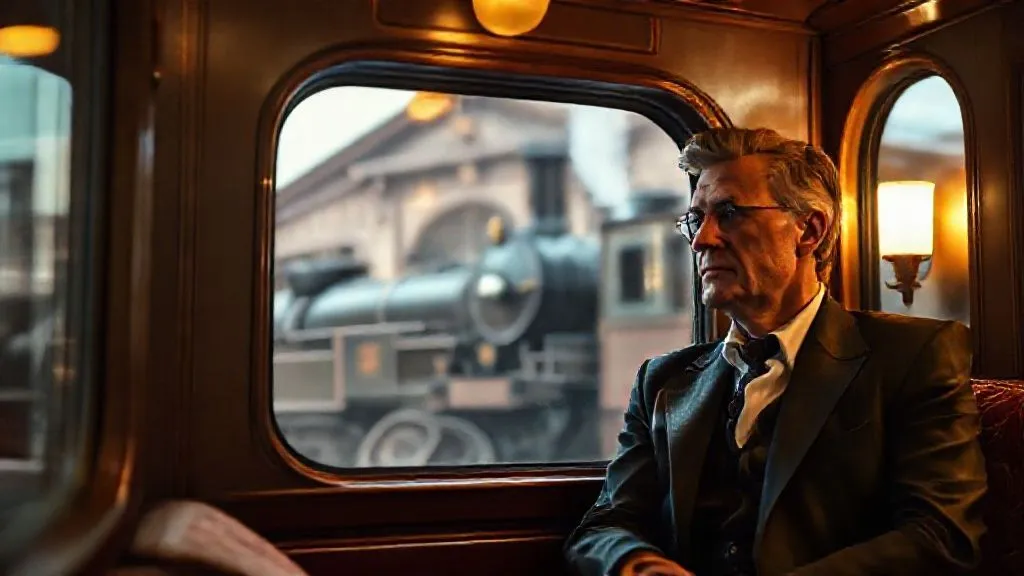
Struggling to Sell Obscure Railway Museums to Luxury Clients?
For over two decades in the travel industry, I've walked the hallowed halls of countless railway museums, from the grand national archives to the charming, often overlooked local collections. I've seen the passion, the painstaking preservation, and the incredible stories held within their walls. Yet, I've also witnessed a persistent challenge: the disconnect between these invaluable heritage sites and the discerning expectations of the luxury travel market.
It's a common refrain: 'How do we make our niche collection appealing to someone accustomed to private jets and five-star resorts?' You're not alone in feeling this friction. The very essence of what makes a railway museum 'obscure'—its specialized focus, its often grassroots origins—can feel like a barrier when trying to attract high-net-worth individuals who seek exclusivity, unparalleled service, and deeply personalized experiences.
This article isn't about compromising the integrity of your collection; it's about elevating its presentation and narrative. Drawing from my extensive experience in luxury travel and heritage marketing, I will unveil seven actionable strategies designed to bridge this gap. You’ll learn how to redefine your museum's appeal, curate unforgettable moments, and strategically position your unique offering to captivate the most discerning luxury clients, turning perceived obscurity into a powerful selling point.
1. Redefining 'Obscure': Crafting a Luxury Narrative
The term 'obscure' often carries connotations of being unpolished or unrefined. However, in the luxury market, 'obscure' can be rebranded as 'rare,' 'exclusive,' or 'untapped.' This shift in perception is paramount. My first piece of advice is to meticulously re-evaluate your museum's unique selling propositions through the lens of scarcity and authenticity, creating a compelling narrative that resonates with affluent travelers.
Highlighting Rarity and Authenticity
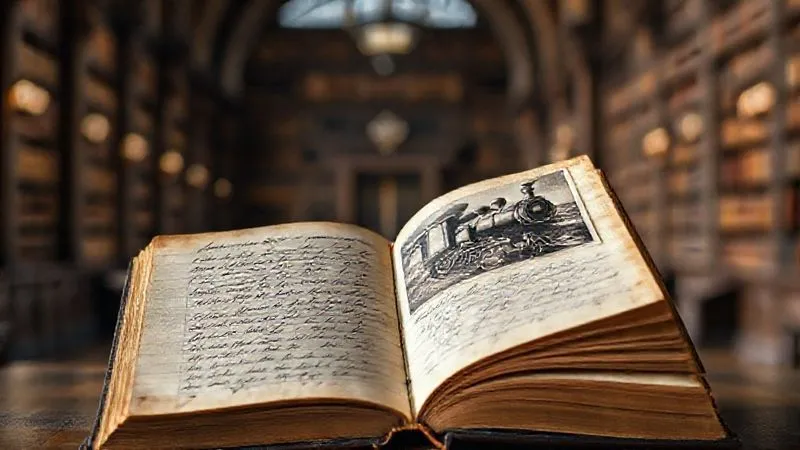
Luxury clients aren't merely seeking 'things'; they crave experiences that are unique, authentic, and often unavailable to the general public. Does your museum house the last surviving example of a particular locomotive? Do you have an unparalleled collection of artifacts from a specific, pivotal era in railway history? These are your goldmines. Emphasize the rarity, the painstaking preservation efforts, and the direct connection to history that your museum offers. This isn't just a train; it's a piece of living history, a testament to human ingenuity and a bygone era.
"Luxury isn't about price; it's about perceived value and the story behind the experience. For an obscure railway museum, the story of rarity and authenticity is its most potent asset."
Consider the stories of the engineers, the passengers, the landscapes transformed by rail. These human elements, often overlooked, can be incredibly engaging. Craft narratives that highlight the emotional impact and historical significance, rather than just technical specifications. This transforms a collection of objects into a rich tapestry of human endeavor. According to a Harvard Business Review article on storytelling, compelling narratives are 22 times more memorable than facts alone, a crucial insight when attracting a high-value audience.
2. Curating Exclusive Experiences, Not Just Visits
The luxury traveler isn't looking for a 'visit'; they're seeking an 'experience.' This means moving far beyond a standard entry ticket. You need to craft bespoke, intimate, and often private encounters that elevate the museum from a public attraction to an exclusive destination. Think 'access' rather than 'admission.'
What can you offer that money can't typically buy? This might include private, after-hours tours led by the head curator, allowing guests to explore the collection in solitude. Or perhaps a hands-on experience, such as a guided tour of a locomotive's cab, a simulated drive, or even a supervised, brief operation of a historic piece of equipment (with safety paramount, of course). These are the moments that create lasting memories and justify a premium price point.
The Power of Personalization
Personalization is key to luxury. Can you tailor the tour to a client's specific interests? If they are an industrialist, perhaps focus on the engineering innovations. If they are an art collector, highlight the design aesthetics of the carriages. Pre-visit consultations can help understand their preferences and allow you to craft a truly bespoke itinerary.
- Develop Tiered Exclusive Packages: Offer a range from 'Curator's Private Tour' to 'Master Engineer's Day,' each with increasing levels of access and personalization.
- Integrate Expert-Led Workshops: Partner with railway historians, model makers, or restoration experts for intimate sessions.
- Create Bespoke Research Opportunities: For those with academic or genealogical interests, offer guided access to archives not typically open to the public.
- Offer 'Behind-the-Scenes' Access: Allow guests to witness ongoing restoration work, meet the craftspeople, and understand the dedication involved in preserving these artifacts.
This level of engagement transforms a passive observation into an active, immersive journey. It makes the 'obscure' truly 'special' for those who appreciate depth and privileged insight.
| Offering Type | Key Features | Luxury Appeal | Price Point |
|---|---|---|---|
| Standard Admission | Self-guided tour, general exhibits, souvenir shop access | Low, generic experience | Budget to Mid-range |
| Premium Guided Tour | Small group, expert guide, specific exhibit focus | Moderate, more informative | Mid-range to Premium |
| Curator's Private Immersion | After-hours access, 1-on-1 curator interaction, bespoke itinerary, special access areas | High, exclusive, personalized | Luxury to Ultra-luxury |
| Master Engineer's Workshop | Hands-on restoration insight, meet artisans, unique operational experience (supervised) | Very High, unique, experiential | Ultra-luxury |
3. The Art of Elevated Presentation: Beyond the Dusty Display
Luxury clients expect a certain aesthetic and level of comfort, regardless of the historical nature of the venue. This doesn't mean transforming your museum into a modern art gallery, but rather enhancing the existing environment to meet higher standards of presentation, comfort, and service. The overall ambiance must reflect the value you're asking them to pay.
Integrating Fine Dining and Bespoke Amenities
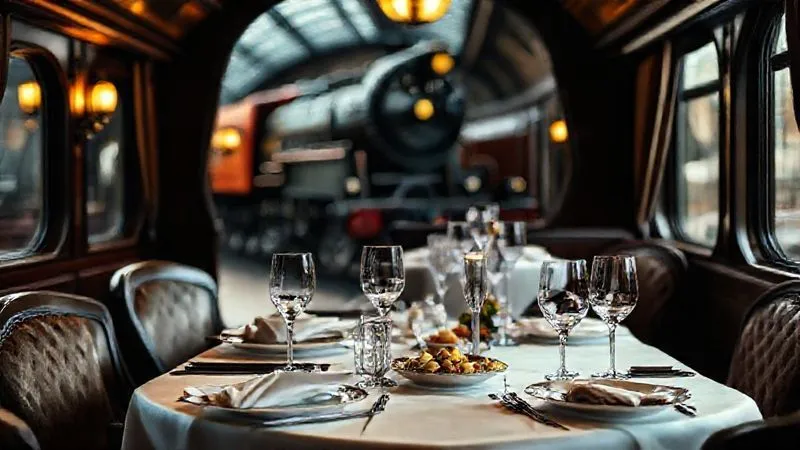
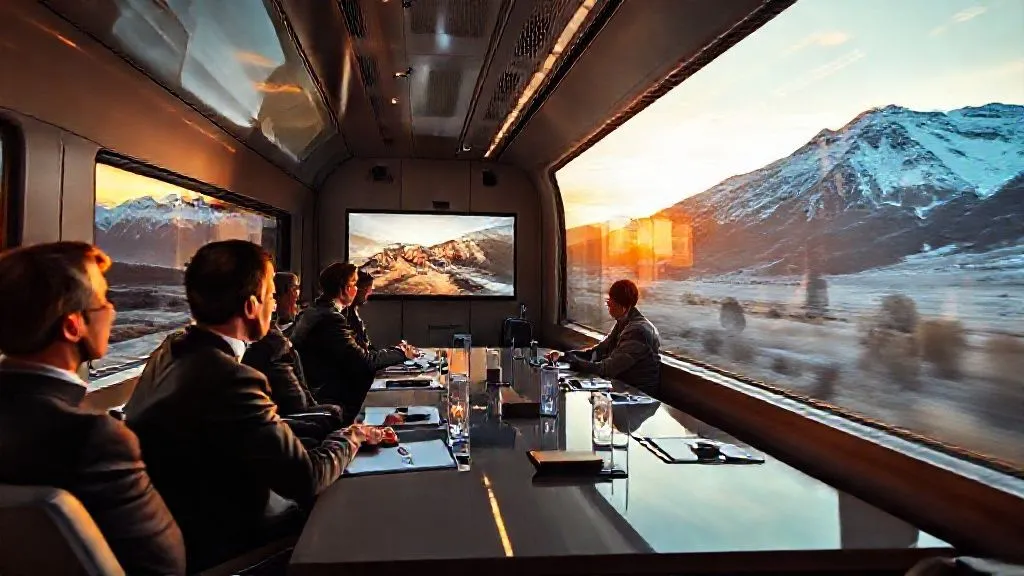
Think about the entire journey. Can you offer valet parking or a private entrance? Is there a dedicated lounge area with premium refreshments? Consider partnering with a high-end caterer to offer a gourmet lunch or dinner within a historically significant part of the museum, perhaps even inside a beautifully restored dining car. Imagine a private dinner served on a static, opulent Pullman car, complete with period-appropriate china and silver, enhancing the immersion.
Even subtle touches make a difference: impeccable cleanliness, well-maintained facilities, professional and discreet staff, and perhaps even a curated gift shop featuring artisan goods related to railway heritage, rather than generic souvenirs. As luxury market analyst Milton Pedraza often states, "Luxury is about the experience, the emotion, and the story, not just the product." The physical environment and services must embody this.
4. Strategic Partnerships: Linking Luxury Brands to Heritage
You don't have to go it alone. One of the most effective ways to introduce your obscure railway museum to luxury clients is through strategic alliances with established luxury brands and service providers. These partners already have access to your target demographic and can lend their credibility and marketing reach to your offering.
Think about luxury hotels, high-end travel agencies specializing in experiential or cultural tours, private aviation companies, and even exclusive concierge services. These entities are constantly seeking unique, high-quality experiences to offer their affluent clientele. Your railway museum, when properly packaged, can be a perfect fit.
- Identify Complementary Luxury Partners: Research hotels, tour operators, and private clubs that cater to your ideal luxury client profile.
- Develop Joint Packages: Create exclusive bundles, e.g., 'A Weekend of Rail Heritage & Five-Star Comfort,' combining a stay at a luxury hotel with your curated museum experience.
- Offer Familiarization Tours (FAM Trips): Invite key decision-makers from potential partner organizations for a complimentary, bespoke tour of your museum to showcase its luxury potential.
- Co-Market and Cross-Promote: Leverage your partners' marketing channels, from their websites and brochures to their social media and client newsletters.
Case Study: The "Orient Express" Effect on Local Heritage
Consider the fictional 'Great Southern Railway Museum,' a small but historically rich institution in rural England, struggling to sell obscure railway museums to luxury clients. Its collection of early 20th-century rolling stock was unparalleled, but its remote location and lack of luxury amenities deterred affluent visitors. The museum partnered with 'The Grand Manor Hotel,' a renowned five-star property known for its heritage appeal, located an hour's drive away. Together, they launched the 'Edwardian Rail Elegance Experience.' This package included private chauffeur service from the hotel, an exclusive after-hours tour of the museum led by its director, a gourmet dinner served in the museum's restored Pullman car, and a personalized souvenir. The Grand Manor promoted this heavily to its high-net-worth guests, and the museum received a significant boost in luxury bookings, with a 40% increase in revenue from these premium experiences within the first year. The partnership leveraged existing luxury infrastructure to elevate the museum's appeal without compromising its historical integrity.
5. Digital Storytelling & Visual Immersion for the Affluent
In today's digital age, your online presence is your most powerful marketing tool, especially for a global luxury audience. High-net-worth individuals are sophisticated consumers of digital content. Generic photos and basic descriptions simply won't cut it. You need to invest in professional, high-quality digital storytelling that evokes emotion, conveys exclusivity, and provides a glimpse into the unique experience awaiting them.
Leveraging High-Resolution Visuals and Interactive Media
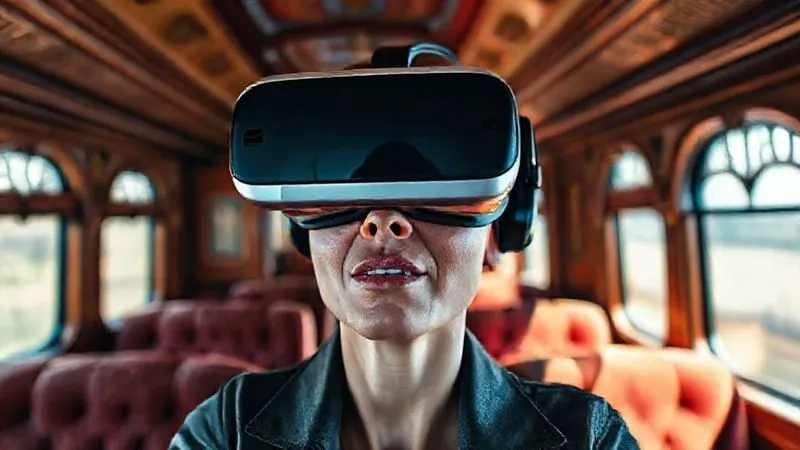
This means stunning photography and videography—think cinematic quality—showcasing the grandeur of your locomotives, the intricate details of historical artifacts, and the elegance of your curated experiences. Consider virtual reality (VR) tours that allow potential clients to 'walk through' a restored carriage or 'stand' on the footplate of a steam engine from the comfort of their home. Interactive 3D models of key artifacts can also provide an engaging, in-depth exploration.
Your website should be meticulously designed, intuitive, and mobile-responsive, reflecting the premium quality of your offerings. Use compelling, benefit-driven language that speaks directly to the desires of luxury travelers: exclusivity, cultural enrichment, unique access, and unparalleled service. According to Deloitte's Global Powers of Luxury Goods report, digital engagement is increasingly critical for luxury brands to connect with and convert consumers.
6. Pricing for Perception: Value, Not Just Cost
One of the biggest mistakes I see organizations make when marketing to luxury clients is underpricing their offerings. Luxury clients are not necessarily looking for the cheapest option; they are looking for value, exclusivity, and quality. A low price point can actually signal low perceived value, making your unique railway museum seem less desirable.
Your pricing strategy must reflect the elevated experience you are providing. If you've invested in exclusive access, personalized tours, and premium amenities, your prices should reflect that. Don't be afraid to charge a premium for truly exceptional, bespoke experiences. The key is to justify that price through the unparalleled value and unforgettable memories you deliver.
Communicating Intrinsic Value and Exclusivity
Focus on communicating the intrinsic value: the rarity of the collection, the expertise of the curators, the historical significance, and the privileged access. Frame your offerings as an investment in a unique cultural experience, rather than just an expense. Use language that emphasizes scarcity, bespoke service, and the transformation of the ordinary into the extraordinary.
"The luxury market operates on perceived value. If you want to attract high-end clients to an obscure railway museum, you must price your curated experiences to reflect their exclusivity and depth, not just their operational cost."
Consider dynamic pricing based on demand, seasonality, and the level of customization. Offer different tiers of luxury experiences, ensuring that each tier clearly articulates the added value. This allows clients to choose the level of exclusivity that best suits their preferences and budget, while still maintaining a premium perception across the board. The goal is to make the price feel justified by the exceptional nature of what they receive.
7. Targeted Marketing: Reaching the Discerning Traveler
You can have the most exquisite railway museum and the most perfectly curated luxury experiences, but if the right people don't know about them, you'll still be struggling to sell obscure railway museums to luxury clients. This final strategy focuses on precision marketing—reaching the discerning traveler where they are, using channels they trust.
Understanding Affluent Demographics and Their Media Consumption
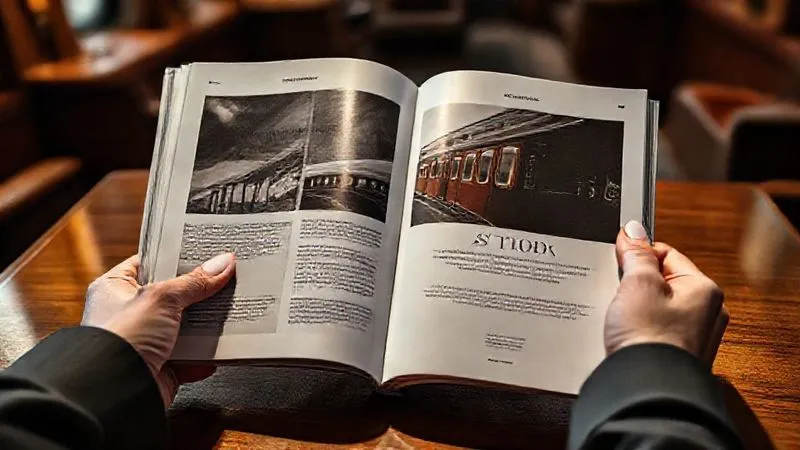
Luxury clients are not found browsing discount travel sites. They consume media differently. They read high-end travel magazines (both print and digital), specialist heritage publications, and lifestyle blogs focused on unique experiences. They are often members of exclusive clubs, use private wealth management services, and rely on trusted luxury travel advisors.
- Engage with Luxury Travel Advisors: Build relationships with agencies specializing in high-net-worth clients. Offer them commissionable packages and educate them on your unique offerings.
- Advertise in Niche Luxury Publications: Place ads in magazines like Condé Nast Traveler (luxury editions), Travel + Leisure, or specialized heritage and historical society journals.
- Direct Outreach to Private Clubs and Concierge Services: Partner with exclusive members' clubs and high-end concierge services to offer your experiences directly to their clientele.
- Leverage Social Media Strategically: Focus on platforms like Instagram and Pinterest with stunning visuals. Target ads based on wealth, interests (e.g., history, luxury travel, unique experiences), and demographics that align with affluent individuals.
- Host Exclusive Events: Organize small, invitation-only events for potential clients or luxury travel influencers at your museum to showcase its potential firsthand.
Remember, the goal is not mass appeal, but highly targeted engagement. Focus your resources on channels that reliably reach high-net-worth individuals who appreciate culture, history, and exclusive experiences. This precision will yield far better results than broad, untargeted campaigns. A study by Statista on the luxury travel market consistently shows that affluent travelers prioritize unique and authentic experiences, reinforcing the need for targeted, value-driven communication.
| Marketing Channel | Effectiveness for Luxury Clients | Investment Level | Key Benefit |
|---|---|---|---|
| Luxury Travel Agencies | Very High (trusted advice, bespoke planning) | Medium (commissions, FAM trips) | Direct access to booked clients |
| High-End Print Magazines | High (credibility, aspirational content) | High (ad costs) | Brand building, broad luxury reach |
| Social Media (Targeted Ads) | Medium-High (visual appeal, precise targeting) | Medium (ad spend, content creation) | Direct engagement, data insights |
| Private Clubs/Concierge Services | Very High (exclusive access, trusted endorsements) | Medium (partnerships, bespoke offers) | Curated audience, direct recommendations |
| Industry Trade Shows (Luxury Travel) | Medium (B2B networking, limited direct client) | Medium-High (booth, travel) | Partnership development, market insights |
Frequently Asked Questions (FAQ)
Question: How can a small, volunteer-run railway museum realistically implement these luxury strategies without a huge budget? Implementing these strategies doesn't always require a massive budget, but rather a shift in mindset and strategic focus. Start small and prioritize. For instance, instead of building a new luxury dining facility, partner with a local high-end caterer to host private dinners in an existing, well-maintained space like a restored dining car. Focus on the 'experience' rather than just 'infrastructure.' Leverage your passionate volunteers as expert storytellers for exclusive tours. Digital storytelling can be achieved with high-quality smartphone photography and compelling narratives, rather than professional film crews, if resources are tight. Partnerships are key to extending your reach and perceived value without direct financial outlay. Focus on one or two high-impact strategies first, measure their success, and scale up.
Question: Isn't focusing on luxury clients abandoning the museum's core mission of public education and accessibility? Not at all. In fact, attracting luxury clients can be a sustainable pathway to enhance your museum's core mission. The premium revenue generated from these exclusive experiences can directly fund public education programs, vital preservation work, and improved accessibility initiatives for the general public. Think of it as a diversified revenue stream. The luxury segment provides the financial stability and resources to continue and expand your broader public-facing efforts, ensuring the long-term survival and thriving of your invaluable railway heritage. It's about strategic resource allocation, not exclusivity at the expense of public good.
Question: How do we maintain the authenticity of our historical collection while trying to make it 'luxurious'? Maintaining authenticity is paramount, and luxury clients, perhaps more than any other demographic, appreciate genuine heritage. The goal is not to 'modernize' or 'dilute' your collection, but to enhance the context and presentation of its authenticity. This means impeccable preservation, accurate historical interpretation, and expert-led narratives. Luxury comes from the exclusivity of access, the depth of insight provided, the comfort of the environment, and the bespoke service—all of which serve to highlight, rather than detract from, the historical integrity of your railway museum. It's about elevating the experience around the authentic artifact, not altering the artifact itself.
Question: What are the biggest mistakes to avoid when attempting to attract luxury clients? The biggest mistakes include underpricing your offerings, failing to deliver on the promised exclusivity and service, having a poor digital presence, and marketing to the wrong audience. Avoid generic marketing language; luxury clients are sophisticated and will see through superficial attempts. Don't compromise on quality or attention to detail, as affluent travelers have high expectations. Lastly, don't forget the 'human touch' – personalized service and genuine engagement are crucial. A single negative experience can quickly spread within this tightly-knit demographic.
Question: How can we measure the success of these new luxury initiatives? Measuring success goes beyond just increased revenue. Track key performance indicators (KPIs) specific to your luxury segment: booking rates for exclusive packages, average spend per luxury client, repeat luxury client visits, and qualitative feedback from these guests. Monitor your brand perception in luxury travel circles, perhaps through media mentions or collaborations. You can also track referrals from luxury travel advisors and partners. Ultimately, success lies in creating a sustainable, profitable luxury segment that enhances your museum's reputation and provides resources for its long-term preservation and educational goals.
Key Takeaways and Final Thoughts
- Redefine Obscurity as Rarity: Position your railway museum's unique collections as exclusive and historically significant, appealing to the discerning taste of luxury clients.
- Curate Experiences, Not Just Visits: Offer bespoke, private, and personalized tours and interactions that go beyond standard admission, providing unparalleled access and insight.
- Elevate Presentation and Service: Ensure your museum's ambiance, facilities, and staff service meet luxury standards, integrating fine dining and bespoke amenities where possible.
- Forge Strategic Partnerships: Collaborate with established luxury brands, hotels, and travel agencies to leverage their client base and enhance your credibility.
- Invest in Digital Storytelling: Utilize high-quality visuals, cinematic videos, and interactive media to create an immersive online experience that captivates affluent travelers.
- Price for Perceived Value: Set premium prices that reflect the exclusivity and quality of your offerings, justifying the cost with exceptional experiences rather than undercutting.
- Target Your Marketing Precisely: Focus your marketing efforts on channels and platforms frequented by high-net-worth individuals, engaging with luxury travel advisors and niche publications.
The challenge of struggling to sell obscure railway museums to luxury clients is not insurmountable. It requires a strategic pivot, a deep understanding of the luxury market's expectations, and a commitment to transforming your museum's presentation and offerings. By implementing these expert-driven strategies, you can unlock a powerful new revenue stream, elevate your institution's profile, and ensure the continued preservation and celebration of our invaluable railway heritage for generations to come. Your obscure museum isn't a limitation; it's a unique opportunity waiting to be unveiled to the world's most discerning travelers.
Recommended Reading
- Boost Luxury Culinary Tour Profits by 25%: Quality-First Strategies
- 7 Proven Steps to Prevent Professional Gear Theft at Festival Camping
- 7 Steps to Secure Hidden Luxury Beach Resorts for VIP Clients
- Epic Road Trip for $500/Week? Your 7-Day Budget Planner Revealed!
- 5 Expert Strategies: Mitigating Luxury Overnight Train Disruptions

Your email address will not be published. Required fields are marked *