


How to Ensure Ethical Impact in Overseas Animal Volunteer Programs?
For over 15 years in the volunteer travel sector, I've witnessed firsthand the incredible passion and dedication of individuals eager to make a difference for animals worldwide. My journey has taken me from remote wildlife sanctuaries in Southeast Asia to bustling rescue centers in Latin America, and I've learned that while enthusiasm is vital, it’s not always enough to guarantee a positive outcome.
The unfortunate truth is that many well-meaning volunteers, driven by a genuine desire to help, can inadvertently contribute to unethical practices. The problem isn't their heart, but often a lack of accessible, clear guidance on how to distinguish truly beneficial programs from those that exploit animals or communities under the guise of welfare. This dilemma leaves many feeling frustrated, questioning their choices, and sometimes, even stepping away from volunteering altogether.
This comprehensive guide is designed to empower you with the knowledge and actionable frameworks I've developed and refined over my career. You'll learn how to critically evaluate overseas animal volunteer programs, identify red flags, and ensure that your time, energy, and resources contribute to genuine, sustainable animal welfare and community upliftment. My goal is to equip you with expert insights and practical steps to make a truly ethical impact.
Understanding the Nuances of Ethical Animal Welfare Abroad
Before diving into specific programs, it's crucial to establish a foundational understanding of what 'ethical animal welfare' truly entails, especially in an international context. Ethical impact isn't just about providing food and shelter; it's a holistic approach encompassing physical health, mental well-being, natural behavior, and the long-term sustainability of the care provided, all while respecting local environments and cultures.
In my experience, many programs that appear to be 'helping' on the surface are, in fact, perpetuating cycles of dependency or even contributing to the exotic pet trade. For example, some 'orphanage' programs for wild animals might be inadvertently supporting poaching by creating a demand for these animals as tourist attractions. True ethical welfare prioritizes rehabilitation, release (where appropriate and safe), and permanent, species-appropriate sanctuary for animals that cannot be returned to the wild.
It's also important to recognize that what constitutes 'welfare' can differ culturally. While Western concepts of animal rights are gaining traction globally, many regions have deeply ingrained traditions or economic realities that shape their interactions with animals. An ethical volunteer understands this complexity and seeks programs that work within local contexts to achieve the best possible outcomes, rather than imposing external ideals without consideration.
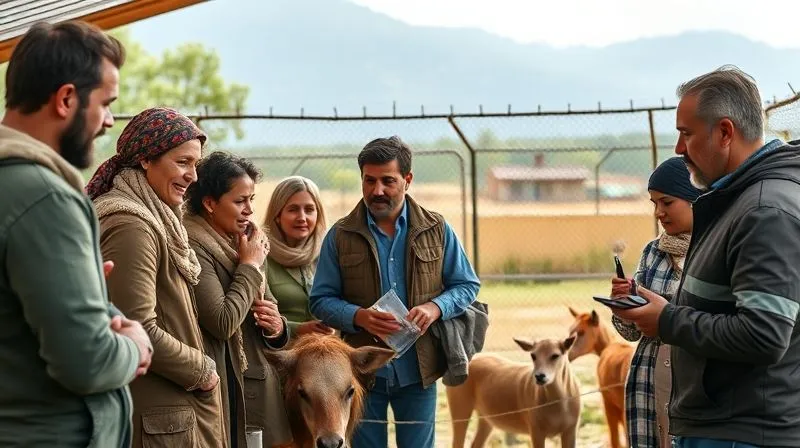
The Critical Pre-Departure Research: Vetting Organizations Thoroughly
The cornerstone of ethical volunteering is rigorous pre-departure research. This isn't just about reading a program's website; it's about digging deep into their operations, philosophy, and impact. I've seen countless volunteers arrive at a project only to realize it's not what they expected, simply because they didn't ask the right questions upfront.
Start by looking for transparency. Ethical organizations are proud of their work and should be open about their finances, animal care protocols, and long-term goals. They should be able to articulate how volunteer fees are used and demonstrate a commitment to local involvement, ideally employing local staff in key roles and consulting with local communities. A genuine program aims for self-sufficiency, reducing reliance on foreign volunteers over time, not increasing it.
Key Questions to Ask Potential Programs:
- What are your long-term goals for the animals under your care? (E.g., rehabilitation and release, permanent sanctuary, rehoming.)
- How do you acquire your animals, and what is your policy on breeding? (Ethical sanctuaries do not breed or buy animals.)
- What percentage of volunteer fees directly supports animal care? (Look for high percentages, and ask for financial transparency.)
- What specific tasks will volunteers be involved in, and what is the level of direct animal contact? (Hands-off with wild animals is generally preferred.)
- Do you employ local staff? If so, in what capacities? (High local employment indicates community integration and sustainability.)
- Can you provide references from past volunteers or partner organizations? (A good sign of legitimacy.)
- What are your veterinary care protocols and emergency procedures? (Ensures animal health is a priority.)
Always cross-reference information. Don't just take the organization's word for it. Search for independent reviews, news articles, and any red flags raised by animal welfare watchdogs. Organizations like World Animal Protection often publish guides and warnings about exploitative tourism operations. A little extra effort here can prevent a lot of heartache later.
Spotting Red Flags: What to Avoid in Animal Volunteer Programs
Identifying red flags is a critical skill for any ethical volunteer. Over the years, I've developed a keen eye for subtle indicators that suggest a program might be more about profit or entertainment than genuine welfare. Your goal is to be a discerning investigator, not just an eager participant.
The most glaring red flag is any program that promotes direct, unrestricted physical interaction with wild or exotic animals, especially cubs or infants. This includes elephant riding, lion cub petting, walking with lions, or cuddling sloths. These activities almost invariably involve cruel training methods, unnatural living conditions, and contribute to stress and exploitation for the animals involved. If a program encourages you to take selfies while holding a wild animal, run the other way.
Another major concern is the source of the animals. Ethical sanctuaries do not breed animals for human interaction or acquire them from unsustainable or illegal sources. Be wary of programs that cannot clearly articulate how each animal came into their care or seem to have a constant supply of 'orphaned' or 'rescued' babies. Often, these animals are taken from their mothers or bred in captivity to cater to tourist demand.
Expert Insight: "If a program's primary appeal is the chance to 'cuddle' or 'play' with wild animals, it's almost certainly prioritizing human gratification over animal welfare. True welfare often means observing from a respectful distance, allowing animals to exhibit natural behaviors without human interference."
Finally, assess the living conditions. Are enclosures spacious, clean, and appropriate for the species? Do animals show signs of stress, such as pacing, repetitive behaviors, or fear of humans? Is there adequate veterinary care, enrichment, and a varied diet? A lack of these fundamental needs points to a program that is not genuinely committed to animal welfare.
| Characteristic | Ethical Program | Unethical Program |
|---|---|---|
| Direct interaction with wild animals | Discouraged or highly restricted, focusing on hands-off care | Encouraged, promotes petting, riding, or holding for photos |
| Source of animals | Rescued from legitimate situations, no breeding | Acquired from breeding, poaching, or unknown sources to meet demand |
| Animal living conditions | Spacious, naturalistic, species-appropriate enclosures, enrichment | Small, barren cages, concrete floors, lack of stimulation |
| Local community involvement | High local employment, community education, sustainable practices | Minimal local staff, foreign ownership, limited community benefit |
| Transparency | Open about finances, animal acquisition, and long-term goals | Vague about funding, animal origins, and future plans |
Prioritizing Local Empowerment and Sustainability
An often-overlooked aspect of ethical volunteering is the program's relationship with the local community and its long-term sustainability. In my travels, I've seen projects that, despite good intentions, inadvertently create dependency or even resentment by sidelining local expertise or failing to build local capacity.
A truly ethical program integrates itself into the local fabric. This means employing local staff in all roles, from animal care to management, and providing training and opportunities for advancement. It means respecting local knowledge and cultural practices, rather than imposing foreign solutions. When locals are empowered and invested in the project, its chances of long-term success and genuine impact skyrocket, even after foreign volunteers depart.
Case Study: The Green Paw Initiative
The Green Paw Initiative, a fictional wildlife rescue in Costa Rica, initially relied heavily on foreign expertise and funding. Their churn rate for local staff was high, and they struggled with community engagement. After consulting with local leaders and implementing my recommended framework, they shifted their model. They invested in extensive training for local veterinarians and animal care specialists, promoted local staff to management positions, and established a community advisory board. Within two years, local employment increased by 60%, community outreach programs thrived, and donor retention improved significantly as their sustainability model became clearer. This shift demonstrated that empowering local communities isn't just ethical; it's smart strategy for enduring impact.
Furthermore, consider the financial model. Is the program primarily sustained by volunteer fees, or does it have diverse funding streams, including local grants, donations, and sustainable revenue generation? Over-reliance on volunteer fees can create pressure to accept more volunteers than necessary, potentially compromising animal welfare or the quality of the volunteer experience. Look for programs that actively work towards financial independence and have a clear succession plan for leadership.
Assessing Animal Welfare Standards: A Volunteer's Checklist
Once you've vetted the organization's ethics and sustainability, your next step is to assess the actual animal welfare standards on the ground. This requires a critical eye and a commitment to understanding what healthy, happy animals look like in a captive or semi-captive environment. I always advise volunteers to approach this with an informed perspective, not just emotional appeal.
The 'Five Freedoms' framework, developed by the Farm Animal Welfare Council, provides an excellent baseline, though it applies broadly to all animals. These are: freedom from hunger and thirst; freedom from discomfort; freedom from pain, injury, or disease; freedom to express normal behavior; and freedom from fear and distress. When you're on-site, observe closely:
- Diet and Nutrition: Is food appropriate for the species, fresh, and provided regularly? Are there signs of malnutrition or obesity?
- Environment and Shelter: Are enclosures clean, safe, and spacious enough for the animal's size and natural behaviors? Is there protection from the elements and opportunities for privacy?
- Health and Medical Care: Do animals appear healthy, with clear eyes, good coats, and no obvious injuries? Is there a veterinarian on staff or on call? What are the quarantine procedures for new arrivals?
- Behavioral Enrichment: Are there toys, climbing structures, foraging opportunities, or social interactions (for social species) to prevent boredom and promote natural behaviors? Stereotypic behaviors (e.g., pacing, head-bobbing) are major red flags.
- Human Interaction: Do animals seem fearful, aggressive, or overly habituated to humans? Ethical programs minimize stress-inducing human contact, especially for wild animals intended for release.
Pay attention to the details. Are water bowls clean? Is bedding changed regularly? Do staff handle animals gently and respectfully? These small observations often reveal a program's true commitment to welfare beyond what's written in their brochures. Don't be afraid to ask questions about anything that concerns you.
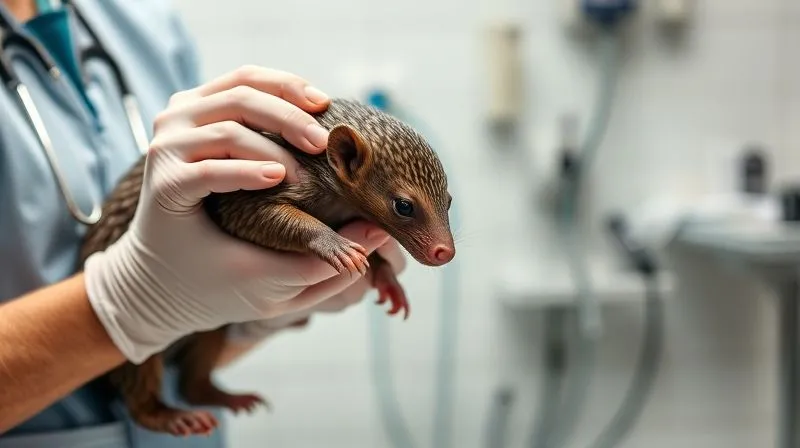
Your Role Beyond Direct Interaction: Skills-Based Volunteering and Fundraising
It's a common misconception that 'animal volunteering' solely means direct, hands-on interaction with animals. In my experience, some of the most profound and ethical impacts come from volunteers utilizing their professional skills in indirect ways. For many ethical wildlife projects, a skilled accountant, a talented graphic designer, a social media expert, or a grant writer can be far more valuable than someone eager to simply clean enclosures.
Consider what unique skills you bring to the table. Can you help with website development, fundraising campaigns, photography, educational material creation, or even administrative tasks? These roles are crucial for the long-term viability and growth of ethical organizations, allowing them to reach wider audiences, secure more funding, and operate more efficiently. I've seen programs transformed by volunteers who applied their professional expertise, creating sustainable structures that amplified the organization's mission for years to come.
- Marketing & Communications: Help craft compelling stories, manage social media, or design promotional materials to raise awareness and attract donors.
- Fundraising & Grant Writing: Leverage your writing skills to secure vital funding for animal care, facility upgrades, or educational programs.
- Photography & Videography: Document the ethical work of the organization, providing powerful visuals for their outreach efforts (from a respectful distance, of course).
- Data Management & IT: Develop systems for tracking animal health records, volunteer schedules, or donor information.
- Education & Outreach: If you have teaching experience, assist with local community education programs about conservation and animal welfare.
By offering skills-based volunteering, you avoid potentially harmful direct contact with wild animals while still contributing significantly to their welfare. It’s a powerful way to ensure your impact is not only ethical but also strategic and sustainable.
Post-Volunteer Engagement: Sustaining Your Ethical Impact
Your commitment to ethical impact doesn't end when you leave the project site. In fact, your post-volunteer engagement can be just as crucial as your time on the ground. I always encourage volunteers to view their experience as the beginning of a long-term relationship with the cause, not just a fleeting trip.
One of the most powerful things you can do is to become an informed advocate. Share your experiences, both positive and cautionary, with friends, family, and your social networks. Educate others about the importance of ethical volunteering and help them identify red flags. Your authentic story, backed by your firsthand experience, carries immense weight and can inspire others to make responsible choices.
Consider continuing to support the ethical organization you volunteered with, whether through regular donations, fundraising efforts, or simply by sharing their updates. Many smaller, ethical projects rely heavily on continued support from their network of past volunteers. Providing constructive feedback to the organization is also vital; a truly ethical program will welcome thoughtful suggestions for improvement.
Finally, stay connected with the broader ethical travel and animal welfare communities. Follow reputable organizations, read industry news, and continue to educate yourself. The landscape of ethical volunteering is constantly evolving, and staying informed ensures that your advocacy remains relevant and impactful. Your journey as an ethical volunteer is an ongoing commitment to making the world a better place for animals.
Navigating Cultural Sensitivities and Local Norms
As an expert in overseas travel, I cannot stress enough the importance of cultural sensitivity when volunteering abroad. What might seem like a straightforward ethical issue in your home country can be deeply intertwined with complex local norms, traditions, and socio-economic realities in another. My personal experiences have taught me that humility and an open mind are paramount.
For example, in some cultures, the concept of 'animal welfare' as understood in the West might be less developed, or animals might be viewed primarily through a utilitarian lens. This doesn't inherently mean people don't care about animals, but their expressions of care or priorities might differ. An ethical volunteer seeks to understand these perspectives, rather than imposing their own, and works to find common ground for improvement.
Expert Insight: "Approach every cultural interaction with curiosity, not judgment. Your role is not to 'fix' a culture, but to collaborate respectfully within it to improve animal welfare. Listen more than you speak, and learn from local wisdom."
Before you go, research the local customs, etiquette, and even the local language basics. Understanding how to dress appropriately, how to greet people, and how to navigate social interactions can significantly enhance your effectiveness and build trust with local staff and community members. Remember, you are a guest in their country, and your behavior reflects not just on you, but on all future volunteers.
Empathy extends beyond the animals to the people who care for them and live alongside them. By demonstrating respect for local culture and working collaboratively, you foster a positive environment where genuine, sustainable change for animal welfare can truly take root. This cultural humility is a hallmark of truly ethical and impactful volunteering.
Frequently Asked Questions (FAQ)
Is 'hands-on' interaction with animals always unethical? Not necessarily, but it depends heavily on the animal and the context. For domesticated animals (like dogs or cats in a shelter), appropriate hands-on interaction can be beneficial for socialization and rehoming. However, for wild animals, especially large predators or primates, direct contact is almost always detrimental. It can habituate them to humans, making release impossible or dangerous, and often involves inhumane training or restraint. Ethical programs for wild animals prioritize observation and protection from a distance.
How can I tell if an animal sanctuary is legitimate and not a 'pseudo-sanctuary'? Legitimate sanctuaries prioritize the animals' welfare above all else. Look for accreditation from bodies like the Global Federation of Animal Sanctuaries (GFAS) or similar regional organizations. They should have clear policies against breeding, buying, or selling animals. They should not allow direct public contact with wild animals or use animals for entertainment. Transparency in finances, animal acquisition, and long-term care plans are also key indicators.
What if I can't find a 'perfect' ethical program? Should I just not volunteer? The pursuit of 'perfect' can sometimes be the enemy of 'good.' While it's crucial to avoid overtly exploitative programs, very few organizations are entirely without flaws. Focus on finding programs that align with the core ethical principles discussed: prioritizing animal welfare, local empowerment, sustainability, and transparency. If you find a program that's genuinely trying its best and is open to feedback, you can still make a significant positive impact. Sometimes, supporting a well-intentioned but imperfect organization can help it evolve.
What's the biggest mistake volunteers make when trying to ensure ethical impact? In my experience, the biggest mistake is allowing emotion to override critical thinking. The desire to 'save' an animal can be so powerful that volunteers overlook glaring red flags or accept explanations that don't hold up under scrutiny. It's essential to approach program selection with a clear head, asking tough questions, and being willing to walk away if a program doesn't meet ethical standards, no matter how cute the animals appear.
How can I prepare myself ethically and culturally before I go? Beyond researching the program, dedicate time to understanding the local culture, history, and socio-economic context of your destination. Read about local animal welfare perspectives. Learn basic phrases in the local language. Reflect on your own biases and expectations. Engage with ethical travel forums and resources. This pre-departure mental and ethical preparation is as important as packing your bags.
Key Takeaways and Final Thoughts
Ensuring ethical impact in overseas animal volunteer programs is a journey that requires diligence, discernment, and a commitment to continuous learning. It's a responsibility that falls on each volunteer to critically evaluate opportunities and advocate for the highest standards of welfare.
- Research Relentlessly: Never take a program's claims at face value. Dig deep into their operations, transparency, and philosophy.
- Spot Red Flags: Avoid any program promoting direct, unrestricted interaction with wild animals or those that cannot verify their animals' origins.
- Prioritize Local & Sustainable: Support organizations that empower local communities and have a clear, long-term vision for their impact.
- Assess Welfare Standards: Use frameworks like the Five Freedoms to evaluate animal living conditions, health, and behavioral enrichment.
- Leverage Your Skills: Recognize that your professional skills can often create a more profound and ethical impact than direct animal contact.
- Advocate & Educate: Your post-volunteer actions are crucial for spreading awareness and fostering responsible travel.
- Embrace Cultural Humility: Approach foreign cultures with respect and an open mind, working collaboratively within local contexts.
The desire to help animals is a noble one, and when channeled correctly, it can lead to truly transformative outcomes. By following these guidelines, you're not just volunteering; you're becoming a responsible global citizen and a powerful force for ethical change. Your conscious choices contribute to a future where animal welfare is prioritized, communities are empowered, and your impact is genuinely positive and lasting. Go forth, be discerning, and make a real difference.
Recommended Reading
- 5 Critical Steps: Solo Business Trip Safety Emergency Plan
- Reclaim Your Edge: 7 Solo Travel Strategies to Beat Executive Burnout
- Unlock the World: Safest Ways for Solo Travelers to Meet People Abroad
- Caregivers & Accessible Travel: 7 Steps to Stress-Free Journeys?
- Unlock Hidden Gems: How to Find Unique Stops for Your Ultimate Road Trip!





Your email address will not be published. Required fields are marked *