

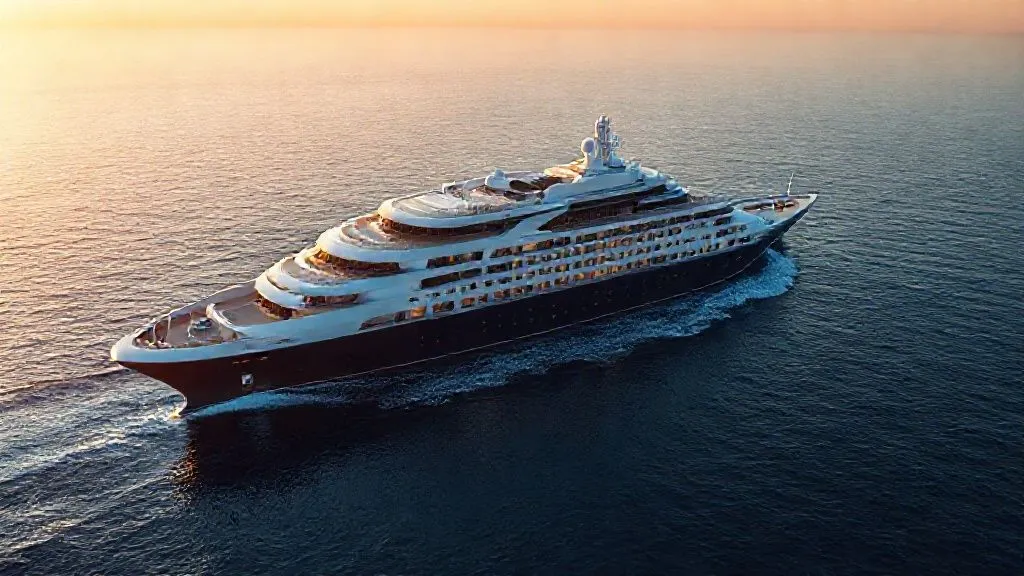
How to Reduce Cruise Ship Carbon Emissions Efficiently?
For over two decades in the dynamic world of cruise travel, I've had a front-row seat to its evolution – from the era of pure indulgence to today's pressing demand for environmental stewardship. I've witnessed firsthand the industry's incredible growth, but also the mounting pressure to address its ecological footprint, particularly concerning carbon emissions. This isn't just about regulatory compliance; it's about the very future of an industry I deeply cherish.
The challenge of reducing cruise ship carbon emissions is multifaceted, complex, and urgent. Public scrutiny is at an all-time high, and rightly so. Passengers, regulators, and coastal communities are demanding genuine, measurable change, moving beyond mere greenwashing to tangible sustainable practices. This isn't just a PR problem; it's an existential one that requires a holistic, innovative approach.
In this definitive guide, I'll draw upon my extensive experience to dissect the problem and present a comprehensive framework of actionable strategies. We'll explore cutting-edge technologies, operational shifts, and collaborative initiatives that are not only effective but also economically viable. My aim is to provide you with expert insights, practical frameworks, and real-world examples to truly understand how to reduce cruise ship carbon emissions efficiently.
Embracing Alternative Fuels: The Future of Maritime Propulsion
The single most impactful strategy for decarbonizing the cruise industry lies in a fundamental shift in how ships are powered. Relying solely on heavy fuel oil (HFO) or even marine gas oil (MGO) is no longer sustainable. The future demands a portfolio of alternative, lower-carbon, and eventually zero-carbon fuels.
LNG, Methanol, and Ammonia – Stepping Stones to Decarbonization
Liquefied Natural Gas (LNG) has emerged as a prominent transitional fuel. While still a fossil fuel, it significantly reduces sulfur oxide (SOx) and particulate matter emissions to near zero, and nitrogen oxide (NOx) emissions by up to 85%. Crucially, it can reduce CO2 emissions by up to 25% compared to conventional marine fuels. Several new cruise ships are already LNG-powered, demonstrating its operational viability.
Methanol is gaining traction due to its liquid state at ambient temperatures, making it easier to store and handle than LNG. It can be produced from renewable sources (e-methanol, bio-methanol) and offers substantial CO2 reductions. Companies like Maersk have already invested heavily in methanol-fueled container ships, paving the way for the cruise sector.
Ammonia is a compelling zero-carbon fuel candidate, especially when produced from renewable electricity (green ammonia). It offers high energy density and no carbon emissions upon combustion. However, its toxicity and the need for advanced safety protocols present significant hurdles that require further R&D.
Biofuels and Hydrogen – Long-Term Potential
Biofuels, derived from sustainable biomass sources, offer a drop-in solution for existing engines, providing immediate carbon reductions. The challenge lies in ensuring sustainable sourcing and scalability without impacting food security or land use.
Hydrogen, particularly green hydrogen produced via electrolysis using renewable energy, represents the ultimate zero-carbon fuel. However, its low energy density requires significant storage space, making it more suitable for smaller vessels or as part of a hybrid system in the near term. Fuel cell technology for hydrogen is also rapidly advancing.
Here's how cruise lines can strategically evaluate and transition to alternative fuels:
- Conduct Feasibility Studies: Assess engine compatibility, bunkering infrastructure availability at key ports, and regulatory compliance for various fuel options.
- Pilot Programs: Invest in pilot projects for new fuel types on a limited number of vessels to gain operational experience and refine safety protocols.
- Supply Chain Development: Collaborate with fuel suppliers and port authorities to ensure reliable and scalable access to sustainable alternative fuels.
- Crew Training: Develop comprehensive training programs for engineers and crew on the safe handling and operation of new fuel systems.
- Phased Fleet Transition: Plan a gradual rollout across the fleet, prioritizing newbuilds and vessels undergoing major refits for alternative fuel conversions.
“The transition to alternative fuels is not a silver bullet, but it is the most significant lever we have to pull for deep decarbonization. It requires bold investment, collaborative innovation, and a long-term vision that extends beyond the next quarterly report.”
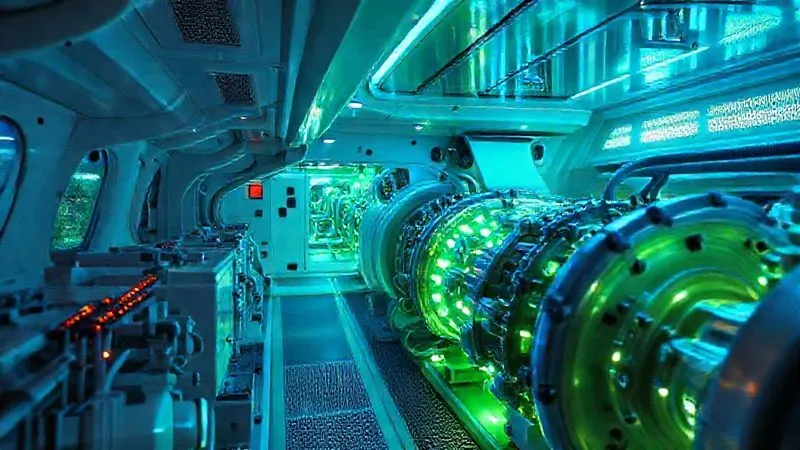
Optimizing Onboard Energy Efficiency: Smarter Operations, Lower Emissions
While fuel switching is critical, maximizing the energy efficiency of a cruise ship's existing operations can yield immediate and substantial carbon emission reductions. Every watt saved is a watt that doesn't need to be generated by burning fuel.
Waste Heat Recovery Systems
Modern cruise ship engines generate significant waste heat. Waste Heat Recovery (WHR) systems capture this heat and convert it into usable energy, such as electricity or heating for water and HVAC systems. This reduces the load on primary generators, leading to lower fuel consumption and emissions. I've seen ships implement advanced WHR systems that can recover enough energy to power a significant portion of the vessel's hotel load.
LED Lighting and Smart HVAC
Upgrading to LED lighting across the entire vessel offers massive energy savings compared to traditional incandescent or fluorescent bulbs. Similarly, intelligent HVAC (heating, ventilation, and air conditioning) systems that use smart sensors, zone controls, and variable speed drives can drastically cut energy use by optimizing cooling and heating based on occupancy and external conditions. This isn't just about saving energy; it's about enhancing passenger comfort too.
Hull Coatings and Propeller Design
The resistance a ship encounters in water directly impacts fuel consumption. Applying advanced silicone-based hull coatings reduces biofouling (the accumulation of marine organisms) and friction, leading to a smoother passage through water and fuel savings of 5-10%. Furthermore, optimizing propeller design for efficiency, or even retrofitting with more efficient propellers, can provide significant gains. Some innovative designs include wake-adapted or contrarotating propellers.
Case Study: How Ocean Explorer Cruises Cut Fuel Consumption
Case Study: How Ocean Explorer Cruises Cut Fuel Consumption
Ocean Explorer Cruises, a mid-sized operator with a fleet of five vessels, faced rising fuel costs and pressure to improve its environmental performance. By implementing a comprehensive energy efficiency program that included retrofitting all vessels with LED lighting, installing advanced WHR systems on two ships, and applying new low-friction hull coatings across the entire fleet, they achieved remarkable results. Within two years, their average fuel consumption per nautical mile decreased by 12%, leading to a proportional reduction in carbon emissions and substantial operational cost savings. This success demonstrated that a multi-pronged approach to efficiency can deliver significant environmental and economic benefits.
| Efficiency Measure | Est. CO2 Reduction | Payback Period |
|---|---|---|
| LED Lighting Upgrade | 5-10% (Hotel Load) | 1-2 Years |
| Waste Heat Recovery | 5-15% (Overall) | 3-5 Years |
| Low-Friction Hull Coatings | 5-10% (Propulsion) | 2-3 Years |
| Smart HVAC Systems | 5-8% (Hotel Load) | 2-4 Years |
Shore Power Connectivity: Plugging In for Cleaner Ports
One of the most visible impacts of cruise ships is their emissions while docked in port. Traditionally, ships run their auxiliary engines to generate electricity for onboard services, leading to localized air pollution and noise. Shore power, also known as 'cold ironing,' offers a simple yet effective solution.
Reducing Emissions in Port
When a cruise ship connects to a port's electrical grid, it can shut down its diesel generators entirely. This eliminates all emissions of SOx, NOx, particulate matter, and CO2 in the immediate port area. For coastal cities sensitive to air quality, this is a game-changer. I've personally advocated for shore power infrastructure in numerous port development projects, understanding its profound community benefits.
Infrastructure Challenges and Solutions
Implementing shore power requires significant investment from both ports and cruise lines. Ports need to install high-voltage electrical infrastructure, while ships need to be retrofitted with compatible connection systems. The good news is that many major cruise lines are investing heavily in newbuilds that are shore power-ready, and older vessels are being retrofitted during scheduled dry docks. Collaboration between ports, municipalities, and cruise operators is key to accelerating adoption.
Steps for broader shore power implementation:
- Standardization: Advocate for global standardization of shore power connection technologies to ensure interoperability across ports and fleets.
- Incentivization: Governments and port authorities can offer financial incentives or regulatory mandates to encourage both port infrastructure development and ship retrofits.
- Grid Modernization: Invest in renewable energy sources for port grids to ensure that the electricity supplied to ships is genuinely 'green.'
- Partnerships: Foster public-private partnerships to share the costs and risks associated with large-scale shore power projects.
According to the World Ports Sustainability Program, increasing shore power availability is a top priority for sustainable port development globally.
Advanced Exhaust Gas Treatment Systems: Cleaning Emissions at the Source
While alternative fuels are the long-term goal, current fleets still rely on traditional fuels. For these vessels, advanced exhaust gas treatment systems are crucial for mitigating immediate environmental impact and complying with stringent IMO regulations.
Scrubber Technology (EGCS) - Open-loop, Closed-loop, Hybrid
Exhaust Gas Cleaning Systems (EGCS), commonly known as scrubbers, remove sulfur oxides (SOx) from exhaust gases. There are three main types:
- Open-loop scrubbers: Use seawater to wash exhaust gases, discharging the wash water back into the sea (after treatment)
- Closed-loop scrubbers: Use fresh water with an alkaline chemical (e.g., caustic soda) to neutralize SOx. The wash water is treated and stored onboard, then discharged at approved facilities or in port.
- Hybrid scrubbers: Can operate in both open-loop and closed-loop modes, offering flexibility depending on operational area and regulations.
While scrubbers effectively reduce SOx, their environmental impact, particularly concerning wash water discharge from open-loop systems, remains a subject of debate. However, for many existing vessels, they offer a viable interim solution for meeting SOx limits.
Selective Catalytic Reduction (SCR) for NOx
Selective Catalytic Reduction (SCR) systems are highly effective in reducing nitrogen oxide (NOx) emissions, which contribute to acid rain and smog. SCR systems inject a urea-water solution into the exhaust gas stream, which then passes through a catalyst. This process converts NOx into harmless nitrogen and water vapor. SCR technology is widely adopted in land-based industries and is increasingly being integrated into marine engines to meet IMO's Tier III NOx emission limits in Emission Control Areas (ECAs).
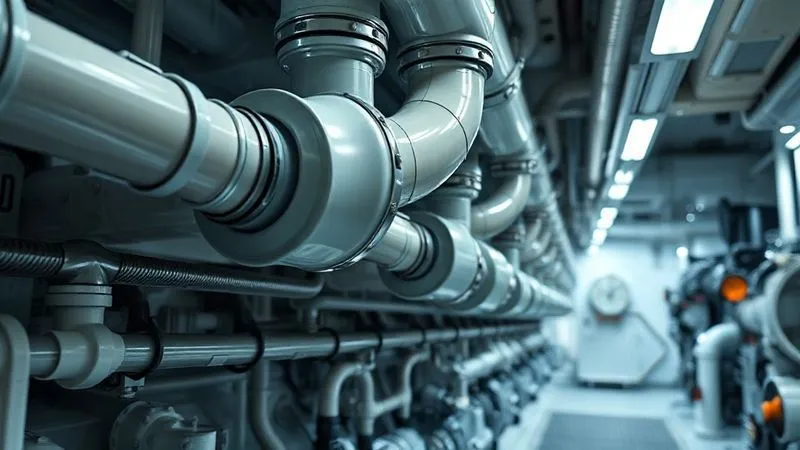
Operational Excellence: Smarter Sailing, Less Impact
Beyond technology and fuel, how a ship is operated day-to-day plays a significant role in its carbon footprint. Operational excellence can yield substantial emission reductions without requiring massive capital investments.
Route Optimization and Slow Steaming
Route optimization uses advanced weather forecasting and ocean current data to plot the most efficient course, avoiding adverse weather conditions that increase fuel consumption. Even small adjustments can lead to significant savings over a long voyage. Coupled with this is slow steaming – reducing a ship's speed. Fuel consumption increases exponentially with speed, so even a modest reduction in cruising speed can lead to dramatic fuel savings and corresponding emission cuts. I've seen operators achieve 10-20% fuel savings by strategically implementing slow steaming where itineraries allow.
Optimized Itineraries and Port Stays
Rethinking itineraries to minimize unnecessary steaming and optimize port calls can also contribute. This includes reducing port turnaround times to minimize auxiliary engine use, or even exploring longer, less frequent voyages to reduce overall transit time. Efficient logistics for provisioning and waste removal in port also contribute to overall efficiency.
“Operational efficiency isn't just about saving fuel; it's about instilling a culture of environmental consciousness across the entire crew. Every decision, from bridge to engine room, has an impact.”
As marketing guru Seth Godin often says, 'The smallest change can make the biggest difference.' This philosophy perfectly applies to the cumulative effect of operational adjustments on a cruise ship's carbon footprint.
The International Maritime Organization (IMO) continues to develop and refine global regulations aimed at improving the energy efficiency of ships, such as the Energy Efficiency Design Index (EEDI) and the Ship Energy Efficiency Management Plan (SEEMP).
Waste Management and Circular Economy Principles
While often overlooked in the direct carbon emissions discussion, robust waste management practices contribute significantly to a cruise ship's overall environmental profile. Reducing, reusing, and recycling onboard minimize the need for incineration or landfilling, both of which have carbon implications.
Reducing, Reusing, Recycling Onboard
Cruise lines are increasingly adopting sophisticated waste management systems. This includes comprehensive sorting facilities for plastics, glass, metals, and paper. Efforts are made to reduce single-use plastics, reuse items where possible, and ensure a high percentage of waste is recycled onshore. Some ships are even equipped with advanced water treatment plants that can produce potable water from seawater, significantly reducing the need to carry fresh water and thus saving fuel.
Food Waste Digesters and Water Treatment
Food waste, when improperly managed, can generate methane, a potent greenhouse gas. Onboard food waste digesters biologically process food waste, often converting it into a liquid that can be safely discharged or further processed. Similarly, advanced wastewater treatment plants (AWWTPs) on modern cruise ships treat greywater and blackwater to near-potable standards before discharge, far exceeding international requirements and protecting marine ecosystems.
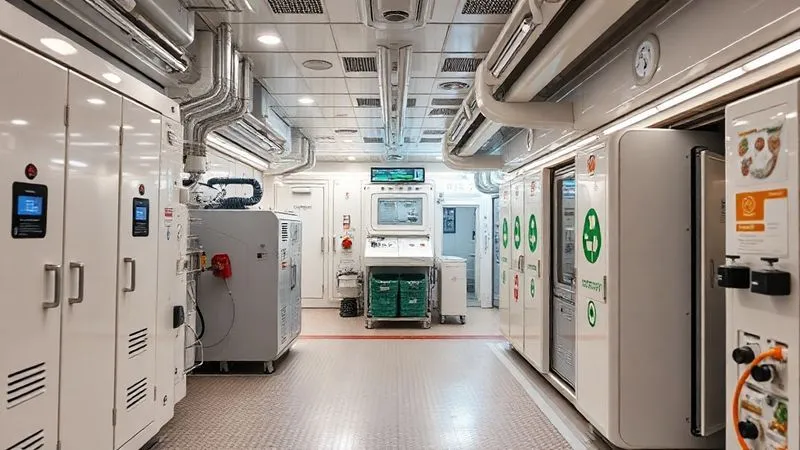
Investing in Innovation: R&D for a Greener Fleet
The journey to zero-emission cruising requires continuous innovation. Cruise lines must not only adopt existing best practices but also actively invest in and support the development of groundbreaking technologies.
Carbon Capture Technologies
For ships that continue to use fossil fuels, especially during the transition period, carbon capture and storage (CCS) technologies could play a role. These systems capture CO2 from exhaust gases before it's released into the atmosphere. While still largely in the research and development phase for marine applications, their potential is significant, particularly for larger vessels that are harder to fully decarbonize with alternative fuels alone.
Sail-Assist Technologies (Rotor Sails, Kites)
Drawing on ancient sailing principles with modern engineering, sail-assist technologies offer a way to harness wind power to supplement engine propulsion. Examples include:
- Rotor Sails (Flettner Rotors): Tall, rotating cylinders that use the Magnus effect to generate thrust from the wind.
- Wing Sails: Rigid, aerodynamic sails that provide propulsion similar to an airplane wing.
- Kite Systems: Large, automated kites deployed from the bow, pulling the ship forward.
These technologies can reduce fuel consumption by 5-20% depending on weather conditions and vessel type. Several cruise lines are already trialing or installing these systems on their vessels, demonstrating a tangible commitment to wind-assisted propulsion.
According to a DNV report on maritime technology trends, sail-assist technologies and carbon capture are among the most promising innovations for future decarbonization of the shipping industry.
Collaborative Action and Policy Advocacy
No single cruise line or entity can tackle the monumental challenge of decarbonization alone. Success hinges on robust collaboration across the industry, with ports, governments, technology providers, and even passengers.
Industry Partnerships
Cruise lines must actively participate in and fund industry-wide initiatives focused on sustainable shipping. Organizations like the Cruise Lines International Association (CLIA) and the IMO's GloMEEP project facilitate knowledge sharing, research, and the development of best practices. By pooling resources and expertise, the industry can accelerate the pace of innovation and address common hurdles more effectively.
Advocating for Supportive Regulations
While regulations drive change, they must also be practical and forward-looking. Cruise lines, through their associations, should engage with policymakers to advocate for clear, consistent, and technology-neutral regulations that support the transition to cleaner fuels and technologies. This includes advocating for infrastructure investments in ports (e.g., shore power) and research grants for green maritime technologies.
Steps for engaging stakeholders effectively:
- Join Industry Forums: Actively participate in conferences, workshops, and working groups focused on maritime decarbonization.
- Share Best Practices: Be transparent about successes and challenges in implementing sustainable technologies to foster collective learning.
- Engage with Regulators: Provide expert input to help shape realistic and effective environmental policies.
- Educate Consumers: Clearly communicate efforts and progress to passengers, fostering their support and understanding.
The Cruise Lines International Association (CLIA) has set an ambitious goal of achieving net-zero carbon cruising by 2050, underscoring the industry's commitment to environmental stewardship.
Frequently Asked Questions (FAQ)
Question? Are scrubbers a long-term solution for reducing cruise ship emissions, or just a temporary fix?
Answer: While scrubbers are highly effective at reducing sulfur oxide (SOx) emissions, they are generally considered an interim solution rather than a long-term one for overall decarbonization. They address air quality concerns related to sulfur but do not reduce CO2 emissions. For true decarbonization, the industry must transition to alternative, lower-carbon, or zero-carbon fuels. However, for existing vessels running on conventional fuels, scrubbers are a vital tool for meeting current SOx regulations and improving local air quality in port areas.
Question? What role do passengers play in reducing cruise ship carbon emissions?
Answer: Passengers can play a significant role. Choosing cruise lines with strong environmental commitments and transparent reporting is a powerful signal to the industry. Onboard, simple actions like conserving water and electricity, participating in recycling programs, and minimizing food waste can collectively make a difference. Furthermore, engaging with cruise lines through feedback and expressing a desire for more sustainable options encourages continued investment in green technologies and practices.
Question? How soon can we expect to see truly zero-emission cruise ships in operation?
Answer: While some smaller, experimental zero-emission vessels are already operating or in development, a widespread fleet of large, zero-emission cruise ships is likely still several decades away. The transition requires significant advancements in fuel technology (e.g., green hydrogen, green ammonia), robust bunkering infrastructure globally, and fundamental changes in ship design and operational models. Most industry experts and cruise lines are targeting net-zero carbon emissions by 2050, with a phased introduction of increasingly greener ships over the next 10-20 years.
Question? What about the cost implications of these advanced technologies for cruise lines and, ultimately, for passengers?
Answer: The investment in alternative fuels, energy efficiency upgrades, and advanced emission control systems is substantial, often running into hundreds of millions or even billions of dollars for a fleet. Cruise lines are absorbing much of these costs, but it's inevitable that some will be reflected in ticket prices over time. However, these investments also lead to long-term operational savings (e.g., lower fuel consumption, reduced regulatory fines) and enhanced brand reputation. Many passengers are increasingly willing to pay a premium for more sustainable travel options, viewing it as an investment in the planet's future.
Question? Is 'green cruising' just marketing hype, or are cruise lines making genuine efforts?
Answer: While 'greenwashing' can be a concern in any industry, the cruise sector is undoubtedly making genuine and significant efforts towards sustainability. Regulatory pressures, consumer demand, and a growing internal commitment are driving real change. The scale of investment in new technologies, alternative fuels, and operational improvements is unprecedented. While there's still a long journey ahead to achieve full decarbonization, the progress I've witnessed over the past two decades indicates a sincere and accelerating commitment to environmental stewardship. Transparency and verifiable data are key to distinguishing genuine efforts from mere marketing.
Key Takeaways and Final Thoughts
The journey to significantly reduce cruise ship carbon emissions efficiently is complex, but it is unequivocally underway. As an industry veteran, I can attest to the genuine commitment and substantial investments being made. It's a testament to human ingenuity and the power of collective will.
- Fueling the Future: The transition to alternative fuels like LNG, methanol, and eventually hydrogen and ammonia is the cornerstone of deep decarbonization.
- Efficiency is King: Optimizing every aspect of onboard energy use, from LED lighting to waste heat recovery and hull coatings, offers immediate and substantial gains.
- Ports as Partners: Expanding shore power infrastructure is crucial for eliminating in-port emissions and fostering cleaner coastal communities.
- Cleaning Current Fleets: Advanced exhaust gas treatment systems like scrubbers and SCR are vital for mitigating the impact of existing vessels.
- Smarter Operations: Route optimization, slow steaming, and efficient itinerary planning can significantly reduce fuel burn without major capital outlay.
- Innovation is Non-Negotiable: Investing in R&D for technologies like carbon capture and sail-assist systems will unlock future breakthroughs.
- Collaboration is Key: No single entity can solve this alone; industry-wide partnerships and proactive policy advocacy are essential.
The path to a truly sustainable cruise industry is long and challenging, but it is achievable. By embracing these strategies with conviction, investing wisely, and fostering a culture of environmental responsibility, we can ensure that the joy of cruise travel continues for generations to come, with a far lighter footprint on our precious planet. The future of cruising is not just about luxury and adventure; it's about leading the way in environmental stewardship.
Recommended Reading
- 5 Solo Travel Strategies: Reclaim Your Edge & Conquer Executive Burnout
- 7 Smart Ways to Budget for Unexpected Festival Travel Costs
- Unlock Your Inner Power: The Ultimate Guide to Solo Travel for Confidence
- Uncover Your True Self: The Power of Solo Mindful Trips for Deepening Self-Awareness
- Travel Dialysis for Seniors: Top Tips for Safe & Worry-Free Trips




Your email address will not be published. Required fields are marked *