

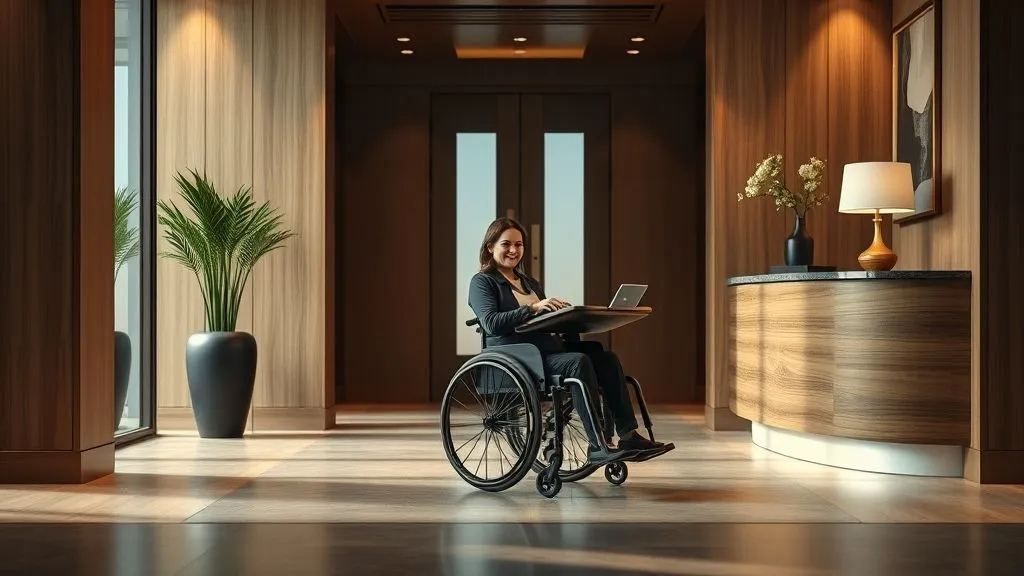
How to Retrofit Hotels for Universal Design Without Huge Costs
For over 15 years in the accessible travel sector, I've witnessed countless hotel owners grapple with the perceived financial burden of universal design. The fear of massive overhauls often paralyzes action, leading to missed opportunities and, frankly, exclusion. It's a common dilemma: the desire to be inclusive versus the daunting budget implications.
This hesitation isn't unfounded; traditional accessibility upgrades can be costly. But the real problem isn't the need for inclusivity, it's the misconception that universal design automatically means tearing down walls and emptying bank accounts. Many hoteliers feel caught between legal obligations, ethical responsibilities, and tight budgets, believing they must choose one over the other. They see accessibility as a separate, expensive add-on, not an integrated, value-driven improvement.
Today, I'm here to dispel that myth. I'll share actionable, expert-backed strategies, frameworks, and even a mini case study to demonstrate how you can implement impactful universal design retrofits in your hotel without huge costs. You'll learn how to identify high-impact, low-cost changes, leverage existing resources, and ultimately, transform your property into a truly inclusive and profitable destination. This isn't just about compliance; it's about smart business and genuine hospitality.
Shifting Your Mindset: From Compliance to Inclusive Value
Before we dive into specific tactics on how to retrofit hotels for universal design without huge costs, let's address the most critical element: your mindset. Many hoteliers view accessibility as a regulatory burden or a necessary evil, rather than a strategic investment. This perspective limits innovation and often leads to reactive, expensive solutions instead of proactive, integrated design.
In my experience, the most successful hotels in the accessible travel market are those that embrace universal design as a core value, recognizing its immense potential for growth and brand loyalty. This isn't just about ticking boxes; it's about expanding your market, enhancing guest experience for *everyone*, and future-proofing your business. Consider the aging global population, the rising number of travelers with temporary or permanent disabilities, and the increasing demand for inclusive experiences from all demographics. This isn't a niche market; it's a significant and growing segment.
Universal design isn't a cost center; it's a revenue generator and a powerful brand differentiator. It’s an investment in a wider, more loyal customer base.
According to a study by the Open Doors Organization, travelers with disabilities spend billions of dollars annually. By consciously designing for universal access, you're not just being compliant; you're tapping into a lucrative market that is often underserved. Shifting from a compliance-only mindset to one that values inclusivity as a driver of value will fundamentally change how you approach retrofitting, making budget-friendly solutions appear not as compromises, but as smart, strategic choices.
The Power of Incremental Changes: Prioritizing High-Impact, Low-Cost Upgrades
The idea of a full hotel renovation for universal design can be overwhelming. But the secret to how to retrofit hotels for universal design without huge costs lies in incremental, high-impact changes. You don't need to do everything at once. Start small, be strategic, and build momentum.
Conducting a Comprehensive Accessibility Audit
Before any changes, you need to know where you stand. A professional accessibility audit is ideal, but if budget is tight, you can start with a robust self-assessment:
- Walk-Through with Diverse Perspectives: Invite staff, local disability advocates, and even guests with varying needs (mobility, visual, hearing impairments) to walk through your property and provide honest feedback. This experience-based insight is invaluable.
- Checklist Approach: Utilize readily available checklists based on local accessibility standards (e.g., ADA guidelines in the U.S.). Focus on common areas, guest rooms, and amenities. Prioritize areas that are critical for independence and safety.
- Guest Feedback Loop: Implement a dedicated channel for accessibility feedback. This could be a specific question on post-stay surveys or a direct email address. Listen, learn, and iterate.
Focus Areas for Quick Wins
Once you've identified gaps, prioritize changes that offer the biggest impact for the smallest investment. These are often the 'friction points' that frustrate guests the most:
- Entrance & Reception: Ensure clear, level pathways to your main entrance. If a ramp is needed, opt for a modular, easily installable option. Lower a section of your reception desk (even a portable one) for wheelchair users. Install an induction loop system for guests with hearing aids.
- Doorways & Hallways: While widening doors can be costly, check if existing doors meet minimum width requirements (typically 32 inches clear opening). Replace heavy, non-automatic doors with lighter ones or consider automatic openers for key public entrances. Ensure hallways are clear of obstructions and well-lit.
- Public Restrooms: This is a critical area. Install grab bars, raise toilet seats, add accessible sinks with clear knee space, and replace twist-knob faucets with lever handles or touchless options. Ensure soap and towel dispensers are within reach. High-contrast signage indicating accessible facilities is a must.
- Guest Rooms (Key Elements): Focus on a few rooms initially. Install grab bars in bathrooms, provide a shower chair, ensure accessible shower controls (handheld showerhead), and add a raised toilet seat. Adjustable-height beds are a game-changer but can be pricey; consider bed risers for existing beds as a temporary solution. Ensure clear floor space around the bed and in the bathroom.
- Signage & Wayfinding: Implement clear, high-contrast signage with tactile and Braille elements. Use universal symbols. Ensure signage is consistently placed and well-lit. This is a relatively low-cost item with a massive impact on independence.
- Digital Accessibility: Your website and booking engine are often the first point of contact. Ensure they are WCAG compliant, easy to navigate with screen readers, and provide clear information on your hotel's accessibility features. This is a non-negotiable in today's digital age.
Smart Material Choices & Ergonomic Solutions
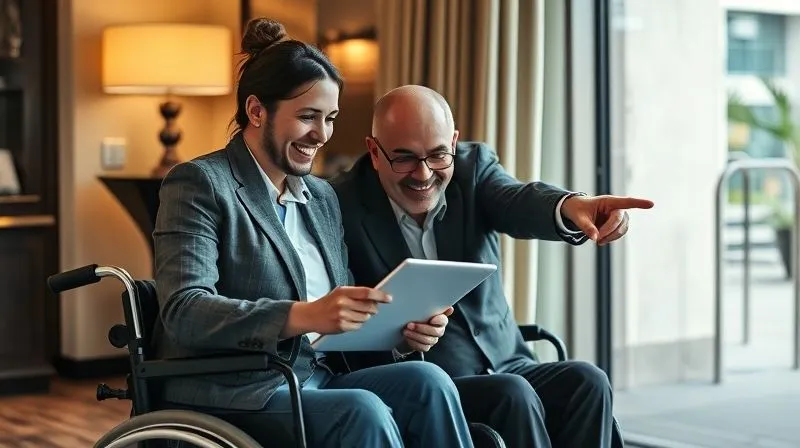
When considering how to retrofit hotels for universal design without huge costs, the materials you choose and the ergonomic solutions you implement play a significant role. Often, the most effective solutions are not about expensive, specialized products, but about thoughtful selection of readily available, durable, and inherently inclusive options.
Flooring & Pathways: Beyond Ramps
One of the biggest tripping hazards (literally and figuratively) in existing hotels is uneven flooring or thick carpets. Focus on:
- Low-Pile Carpeting: If replacing carpet, choose low-pile options that are easier for wheelchairs and walkers to maneuver.
- Non-Slip Surfaces: For hard floors in bathrooms, lobbies, and entrances, prioritize non-slip tiles or treatments.
- Thresholds: Minimize or eliminate thresholds between rooms or different flooring types. If unavoidable, ensure they are beveled and no higher than 1/2 inch (or 1/4 inch for interior changes). This is a simple fix that prevents countless stumbles and snags.
Hardware & Fixtures: Small Swaps, Big Impact
These are often overlooked but can dramatically improve usability:
- Lever Handles: Replace traditional doorknobs with lever handles on all doors. They are much easier to operate for guests with limited dexterity, arthritis, or those carrying luggage. This is a relatively inexpensive swap.
- Touchless Faucets & Dispensers: In public restrooms, touchless faucets, soap, and paper towel dispensers are hygienic and universally easy to use. For guest rooms, single-lever mixer taps are preferable to separate hot/cold controls.
- Grab Bars: Install sturdy, properly mounted grab bars in all accessible bathrooms. These are essential and a non-negotiable safety feature. They come in various finishes to match your decor.
- Adjustable Showerheads: Handheld showerheads on a sliding bar allow guests to adjust height and angle, catering to various preferences and needs.
Lighting & Contrast: Illuminating Inclusivity
Good lighting benefits everyone, but it's crucial for guests with visual impairments or cognitive differences:
- Uniform Illumination: Ensure consistent, glare-free lighting throughout hallways, lobbies, and rooms. Eliminate dark spots.
- Adjustable Lighting: Provide dimmable lighting in guest rooms, allowing guests to control their environment. Task lighting at desks and beside beds is also important.
- High Contrast: Use contrasting colors for key elements like handrails, door frames, and signage against background walls. This helps guests with low vision navigate more easily. For example, a light-colored grab bar on a dark-tiled wall.
Often, the most impactful universal design solutions are found in the details – the feel of a lever handle, the clarity of a sign, the stability of a floor. These small, thoughtful changes accumulate to create a truly inclusive experience.
Leveraging Technology for Enhanced Accessibility
Technology offers some of the most innovative and cost-effective ways to enhance accessibility in hotels, often without requiring major structural changes. From digital interfaces to in-room devices, smart tech can bridge gaps and empower guests.
Digital Accessibility: Your Website & Booking Engine
Your online presence is your virtual front door. If it's not accessible, you're alienating potential guests before they even arrive.
- WCAG Compliance: Ensure your website and online booking system adhere to Web Content Accessibility Guidelines (WCAG). This includes proper alt-text for images, keyboard navigation, clear headings, and sufficient color contrast. Tools exist to help audit and improve this.
- Clear Accessibility Information: Provide detailed, accurate information about your hotel's accessible features on your website. Don't just say 'accessible room'; describe specific features like roll-in showers, grab bars, bed height, and door widths. Include photos!
- Accessible Booking Process: Make it easy for guests to book accessible rooms online. Allow them to specify their needs during the booking process without needing to call.
For more detailed guidance, refer to the W3C's Web Content Accessibility Guidelines (WCAG).
Assistive Technologies in Rooms
Modern smart home devices can be repurposed for accessibility with minimal investment:
- Smart Assistants: Devices like Amazon Echo or Google Home can be programmed to control lights, thermostats, and even entertainment systems via voice command. This is incredibly empowering for guests with mobility impairments.
- Vibrating Alarms: For guests with hearing impairments, vibrating alarm clocks (often paired with a strobe light) are a low-cost, high-impact addition.
- Accessible Entertainment: Ensure TVs have closed captioning enabled and easy access to streaming services that offer audio descriptions.
- Portable Induction Loops: These small devices can be provided at the reception desk or in meeting rooms to assist guests with hearing aids.
Communication Aids
Beyond digital, consider other communication enhancements:
- Visual Fire Alarms: In accessible rooms, ensure fire alarms have strobe lights in addition to audible alerts.
- TTY/TDD Devices: While less common with modern smartphones, having a TTY device available upon request for guests who are deaf or hard of hearing can still be valuable.
- Communication Cards: Train staff to use simple communication cards or apps to assist guests with speech difficulties or language barriers.
Staff Training: Your Most Affordable Accessibility Tool
Physical retrofits are crucial, but they are only half the battle. The human element, particularly well-trained and empathetic staff, is arguably the most powerful and cost-effective tool in your universal design arsenal. No amount of physical modification can compensate for a lack of understanding or poor service. This is a critical aspect of how to retrofit hotels for universal design without huge costs, as it primarily involves investment in time and education, not capital.
Empathy & Awareness Training
Training should go beyond simply 'how to assist a wheelchair user.' It needs to cultivate genuine empathy and awareness:
- Disability Etiquette: Teach staff appropriate language and etiquette. For example, 'person with a disability' instead of 'disabled person,' and never assume a need for assistance.
- Understanding Diverse Needs: Provide insights into various types of disabilities (mobility, visual, hearing, cognitive, invisible disabilities) and how they might impact a guest's experience.
- Role-Playing & Scenarios: Conduct interactive training sessions with role-playing to practice assisting guests in different situations, such as guiding a visually impaired guest, communicating with a deaf guest, or understanding service animal protocols.
Service Protocols for Diverse Needs
Specific, actionable protocols ensure consistent, high-quality service:
- Accessible Check-in: Train staff to offer assistance with luggage, provide information in alternative formats (large print, verbal), and utilize accessible counter sections.
- Emergency Procedures: Ensure all staff know how to assist guests with disabilities during emergencies (e.g., evacuation plans for guests with mobility impairments).
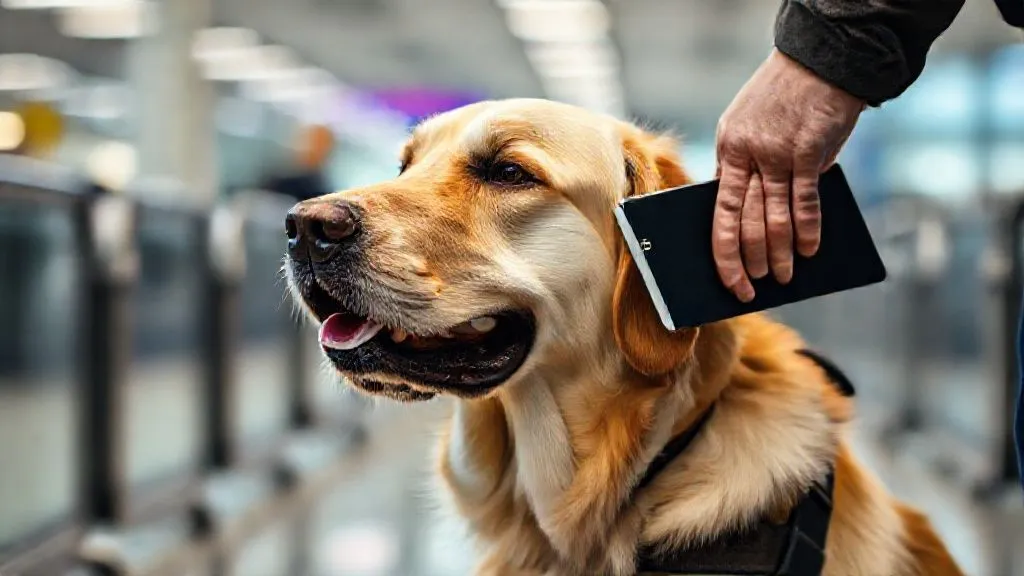
- Service Animal Policy: Clearly communicate your service animal policy to all staff and ensure they understand the difference between service animals and emotional support animals, and how to accommodate them appropriately.
- Proactive Communication: Encourage staff to proactively ask guests if they require any assistance, rather than waiting for them to struggle.
Case Study: The 'Harmony Hotel's' Human Touch
The Harmony Hotel, a boutique property with limited renovation budget, faced complaints regarding accessibility despite having a few physically accessible rooms. Their management realized that while physical barriers existed, the biggest gap was in staff interaction. By investing in comprehensive staff training focused on empathy, respectful communication, and practical assistance (e.g., guiding visually impaired guests, understanding service animal protocols, and offering to read menus aloud), they transformed their guest experience. This initiative, costing primarily in staff time for training, resulted in a 40% increase in positive reviews specifically mentioning accessibility and a significant boost in repeat bookings from guests with disabilities. It proved that the human touch, when properly cultivated, is an invaluable part of universal design.
No amount of physical retrofit can compensate for a lack of empathetic, well-trained staff. Your team is your frontline in delivering truly inclusive hospitality.
Exploring Funding & Incentive Programs
Even with a focus on low-cost solutions, some investments are necessary. Knowing how to access funding and incentives can significantly reduce the perceived burden of how to retrofit hotels for universal design without huge costs. Many governments and organizations recognize the importance of accessibility and offer programs to assist businesses.
Government Grants & Tax Credits
Research available programs in your region:
- ADA Tax Credits (U.S.): In the United States, small businesses can claim a tax credit for expenses incurred in making their businesses accessible. The IRS Section 44 Disabled Access Credit can cover up to 50% of eligible access expenditures between $250 and $10,250, with a maximum credit of $5,000. There's also the Section 190 Tax Deduction for removing architectural and transportation barriers. Similar programs exist in other countries.
- Local & State Grants: Many local and state governments offer grants or low-interest loans specifically for accessibility improvements, especially for small businesses or those in historic districts.
- Energy Efficiency + Accessibility: Look for programs that combine energy efficiency upgrades with accessibility. Often, replacing old windows or doors can also improve accessibility.
Partnerships with Disability Organizations
Collaborating with local disability organizations can offer dual benefits:
- Consultation & Expertise: Many organizations offer free or low-cost consultations, helping you identify areas for improvement and prioritize effectively.
- Community Engagement: Partnering shows your commitment to the community, enhancing your brand reputation and potentially leading to direct referrals. They might also be aware of specific local funding opportunities.
Incremental Budgeting & Phased Implementation
Don't wait for a huge budget. Incorporate universal design improvements into your annual capital expenditure budget. Even allocating a small percentage each year to accessibility can lead to significant progress over time. Prioritize areas that are most used or pose the biggest barriers, then move to less critical areas. This phased approach makes the financial commitment manageable.
| Upgrade Type | Estimated Cost (Low) | Estimated Cost (High) | Impact Level | ROI Potential |
|---|---|---|---|---|
| Entrance & Ramp | $500 | $5,000 | High | Immediate |
| Lever Handles & Faucets | $200 | $1,500 | Medium | Moderate |
| High-Contrast Signage | $100 | $800 | Medium | Moderate |
| Staff Training | $0 (internal) | $1,000 (external consultant) | High | Significant |
| Digital Accessibility Audit | $300 | $2,500+ | High | Immediate |
| Grab Bars & Shower Seats | $150 | $750 | High | Immediate |
The Future-Proofing Advantage of Universal Design
Implementing universal design is not just about addressing current needs; it’s about strategically positioning your hotel for future success. It's about future-proofing your property against evolving demographics, changing guest expectations, and competitive pressures. When you learn how to retrofit hotels for universal design without huge costs, you're not just making a series of minor changes; you're investing in the longevity and resilience of your business.
Consider the global demographic shifts. The population is aging rapidly, and older travelers often have varying accessibility needs, whether temporary or permanent. By 2050, the number of people aged 60 and over is projected to double globally. This demographic possesses significant disposable income and a strong desire to travel. Hotels that proactively embrace universal design will be perfectly positioned to capture this growing market share.
Furthermore, universal design often enhances the experience for *all* guests. A ramp is great for a wheelchair user, but also for parents with strollers, guests with heavy luggage, or someone recovering from a sprained ankle. Clear signage, good lighting, and intuitive controls benefit everyone. This 'curb cut effect' means your investments in accessibility yield dividends across your entire guest base, improving overall satisfaction and repeat business.
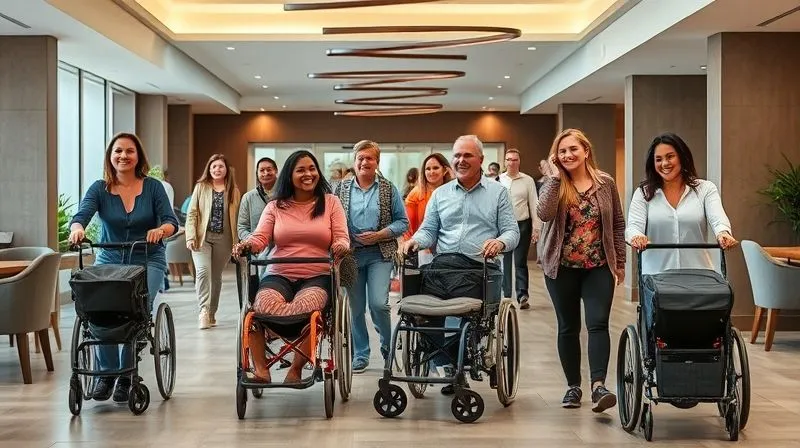
Finally, your brand reputation in today's socially conscious world is paramount. Hotels known for their inclusivity and thoughtful design attract positive media attention, favorable reviews, and a loyal customer base. In an increasingly competitive industry, universal design is a powerful differentiator. It signals a commitment to genuine hospitality and ethical business practices that resonate deeply with modern travelers.
For further insights into the economic impact of inclusive travel, I recommend exploring reports from industry leaders like Forbes on the accessible travel market and studies on the aging traveler demographic by AARP. These resources underscore the strategic advantage of embracing universal design now.
Frequently Asked Questions (FAQ)
What's the absolute minimum I should focus on if my budget is extremely tight? If your budget is severely constrained, prioritize staff training and immediate safety concerns. Ensure your staff are genuinely empathetic and knowledgeable about assisting guests with diverse needs. Simultaneously, tackle low-cost, high-impact physical changes like clear pathways, proper grab bars in one or two key bathrooms, good lighting, and clear, contrasting signage. Digital accessibility for your website is also a non-negotiable minimum, as it's often the first point of contact.
How can I assess my hotel's current accessibility without hiring an expensive consultant? Start with a self-audit. Use publicly available checklists from your local accessibility guidelines (e.g., ADA checklists). Critically, conduct a 'guest experience' walk-through, imagining yourself as someone with a mobility device, a visual impairment (try navigating blindfolded), or a hearing impairment. Recruit staff, family, or local disability advocates for their invaluable perspectives. Pay attention to feedback from your actual guests.
Will making my hotel universally designed really increase my revenue, or is it just an added cost? It absolutely can increase revenue. Universal design opens your property to a multi-billion dollar accessible travel market that is often underserved and highly loyal. Beyond direct bookings, it enhances your brand reputation, attracts positive reviews, and improves the experience for all guests (e.g., parents with strollers, temporary injuries, seniors), leading to higher satisfaction and repeat business. It's a strategic investment in market expansion and brand value.
Are there specific technologies that offer the best bang for the buck in terms of accessibility? Yes, smart assistants like Amazon Echo or Google Home are excellent for their cost-effectiveness. They allow guests to control lights, thermostats, and entertainment via voice, significantly enhancing independence. Vibrating alarm clocks, accessible TV remotes, and ensuring your website is WCAG compliant are also high-impact, relatively low-cost technological solutions.
How do I ensure my staff are genuinely empathetic, not just following a script? Genuine empathy comes from understanding and practice, not just memorization. Incorporate interactive role-playing into training, share real guest stories (anonymously), and invite speakers with disabilities to share their personal travel experiences. Encourage staff to ask 'How may I assist you?' rather than assuming. Foster a culture where inclusivity is celebrated and understood as a fundamental part of hospitality, not just a rule to follow.
Key Takeaways and Final Thoughts
The journey to universal design doesn't have to be a daunting financial mountain. As we've explored, the path to truly inclusive hospitality is paved with strategic thinking, incremental changes, and a genuine commitment to welcoming every guest. Learning how to retrofit hotels for universal design without huge costs is not just about compliance; it's about smart business, ethical leadership, and unlocking new opportunities.
- Shift Your Mindset: View universal design as a value-add, a market differentiator, and a revenue generator, not merely a regulatory burden.
- Prioritize Incremental Changes: Focus on high-impact, low-cost modifications first, conducting regular audits to guide your phased implementation.
- Choose Smart Materials & Ergonomic Solutions: Simple swaps like lever handles, non-slip flooring, and thoughtful lighting can make a world of difference.
- Leverage Technology Wisely: From digital accessibility on your website to smart in-room assistants, technology offers powerful and often affordable solutions.
- Invest in Your People: Empathetic, well-trained staff are your most valuable asset in delivering an inclusive guest experience.
- Explore Funding Opportunities: Research grants, tax credits, and partnerships to offset costs and make upgrades more feasible.
- Future-Proof Your Business: Universal design positions your hotel to thrive amidst changing demographics and evolving guest expectations.
As an industry specialist, I've seen firsthand the transformative power of embracing universal design. It's a journey, not a destination, and every step you take towards greater inclusivity not only enriches the lives of your guests but also strengthens your business. Begin today, even with the smallest change. Your guests, your team, and your bottom line will thank you for it. Embrace the future of hospitality – a future that is accessible, welcoming, and universally designed for all.
Recommended Reading
- All Aboard! The Best Railway Museums for Kids in the UK Revealed
- Unlock the Secret: How to Maintain Healthy Eating on Your Wellness Trip
- Burnt Out? 7 Smart Ways to Afford a Restorative Quick Getaway
- Unlock the Secrets: What to Wear for Formal Dining at Luxury Resorts
- 5 Proven Ways Your Secluded Beach Vacation Will Truly Recharge You

Your email address will not be published. Required fields are marked *